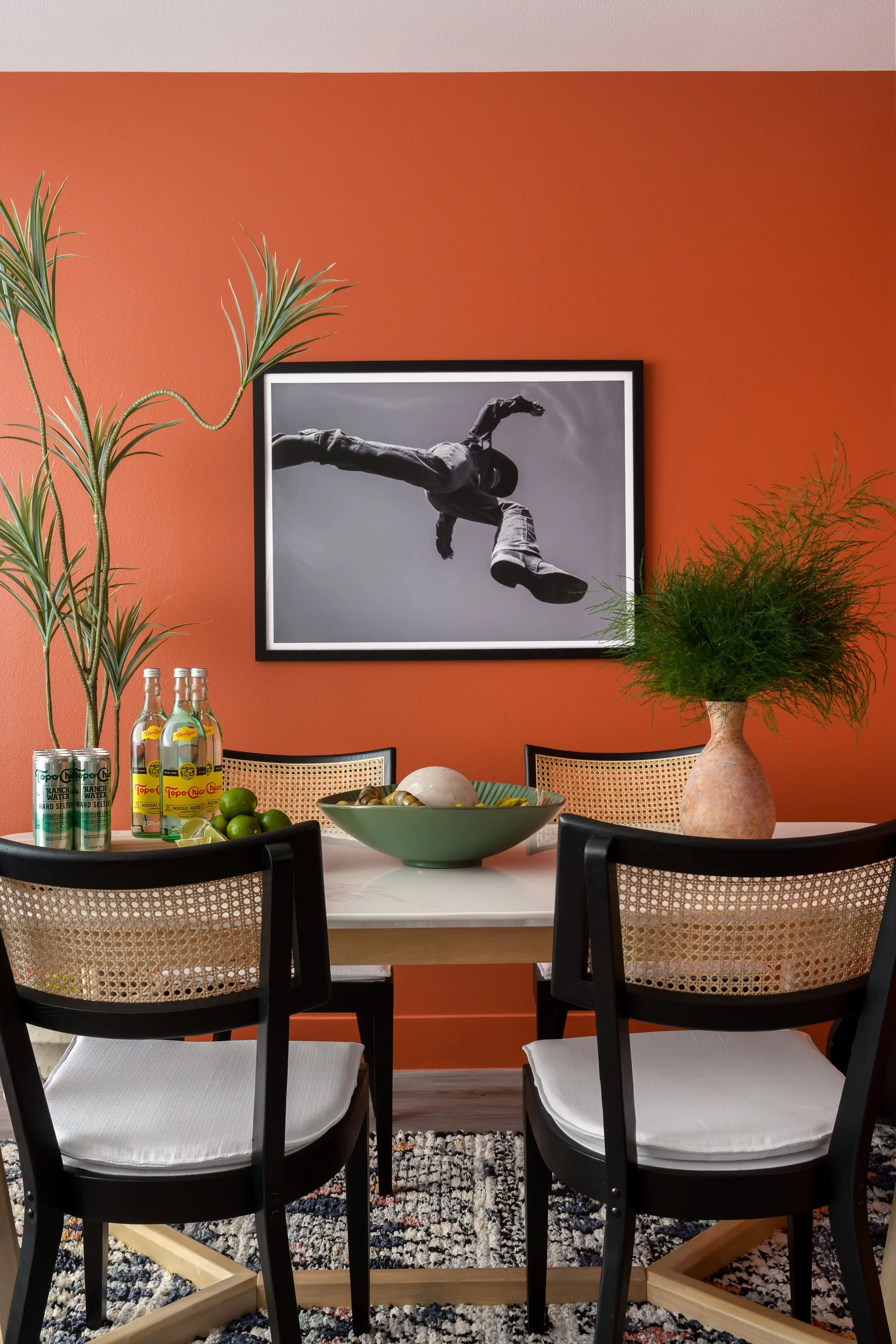
Photographing Multifamily Spaces
How thoughtful photography can communicate the design, experience, and identity of a multifamily property.
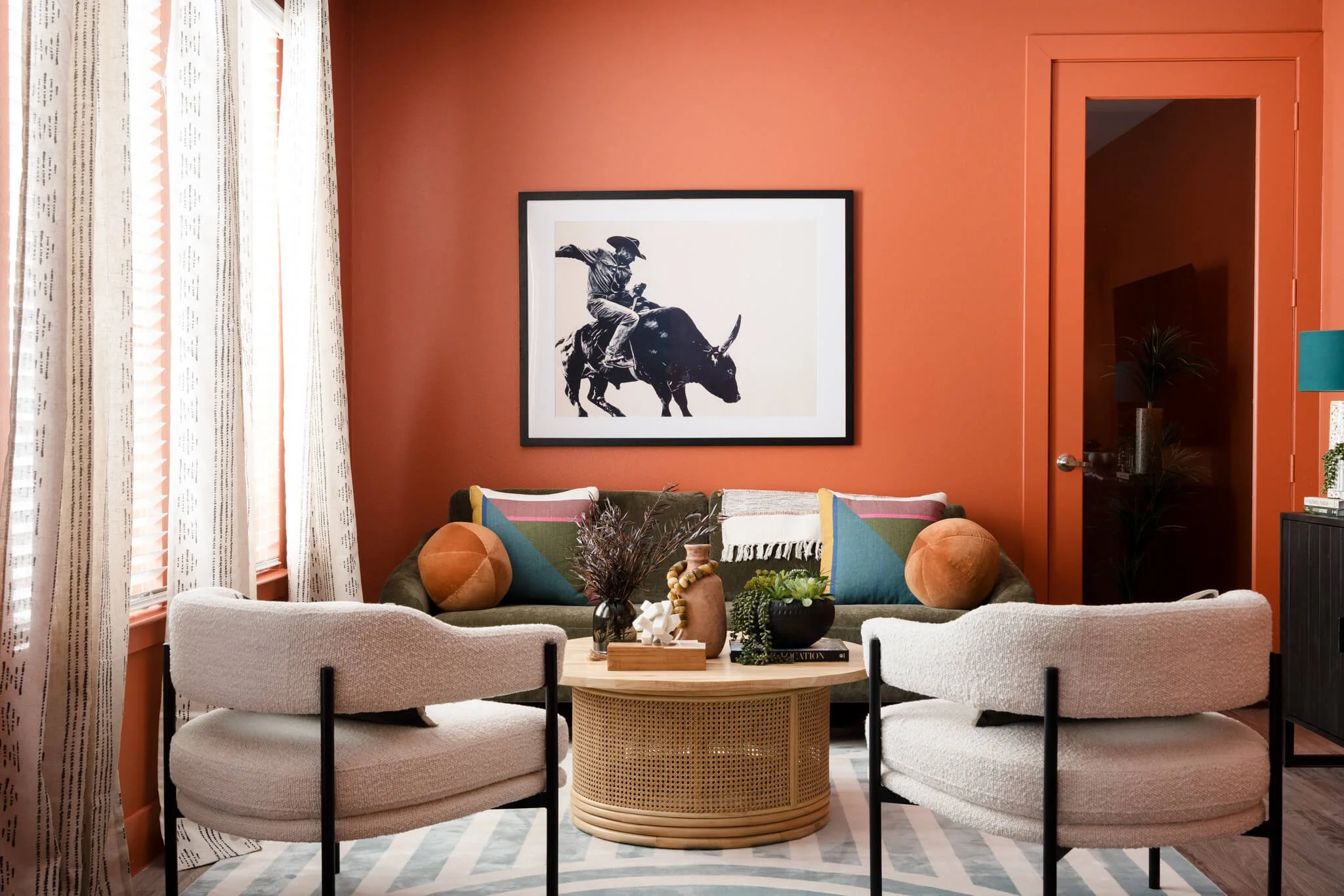
Multifamily spaces occupy an interesting place in interior and architectural photography.
They are designed as shared environments, but they also need to feel personal. A clubhouse may function as a coworking space in the morning, a place to meet friends in the evening, and an extension of a resident's home throughout the day.
That makes photographing them different from documenting a private residence.
The goal isn't simply to show what the amenity spaces look like. It is to communicate how the property feels, how the spaces relate to one another, and what makes the development distinct.
For developers, architects, interior designers, and marketing teams, those photographs eventually become the visual language used to introduce the property to the world.
Multifamily Design Has Become Increasingly Experience-Driven
Walk through a newly developed multifamily property and you will often find spaces that feel closer to hospitality environments than traditional apartment amenities.
Clubrooms have become layered gathering spaces. Fitness centers are thoughtfully designed. Coworking areas, coffee bars, rooftop terraces, pools, outdoor kitchens, private dining rooms, and resident lounges are increasingly part of the overall experience of the property.
And many of these spaces have been designed with considerable attention to architecture, materials, furnishings, and detail.
The photography should reflect that same level of intention.
Rather than treating each amenity as a room that needs to be checked off a shot list, I approach the property as a collection of interconnected spaces.
What establishes the overall environment?
Which design decisions give the property its identity?
Where are the moments that make someone want to spend time here?
Those questions shape the photography.
Showing More Than the Room
One of the challenges of multifamily photography is finding the balance between documenting a space and creating imagery with a point of view.
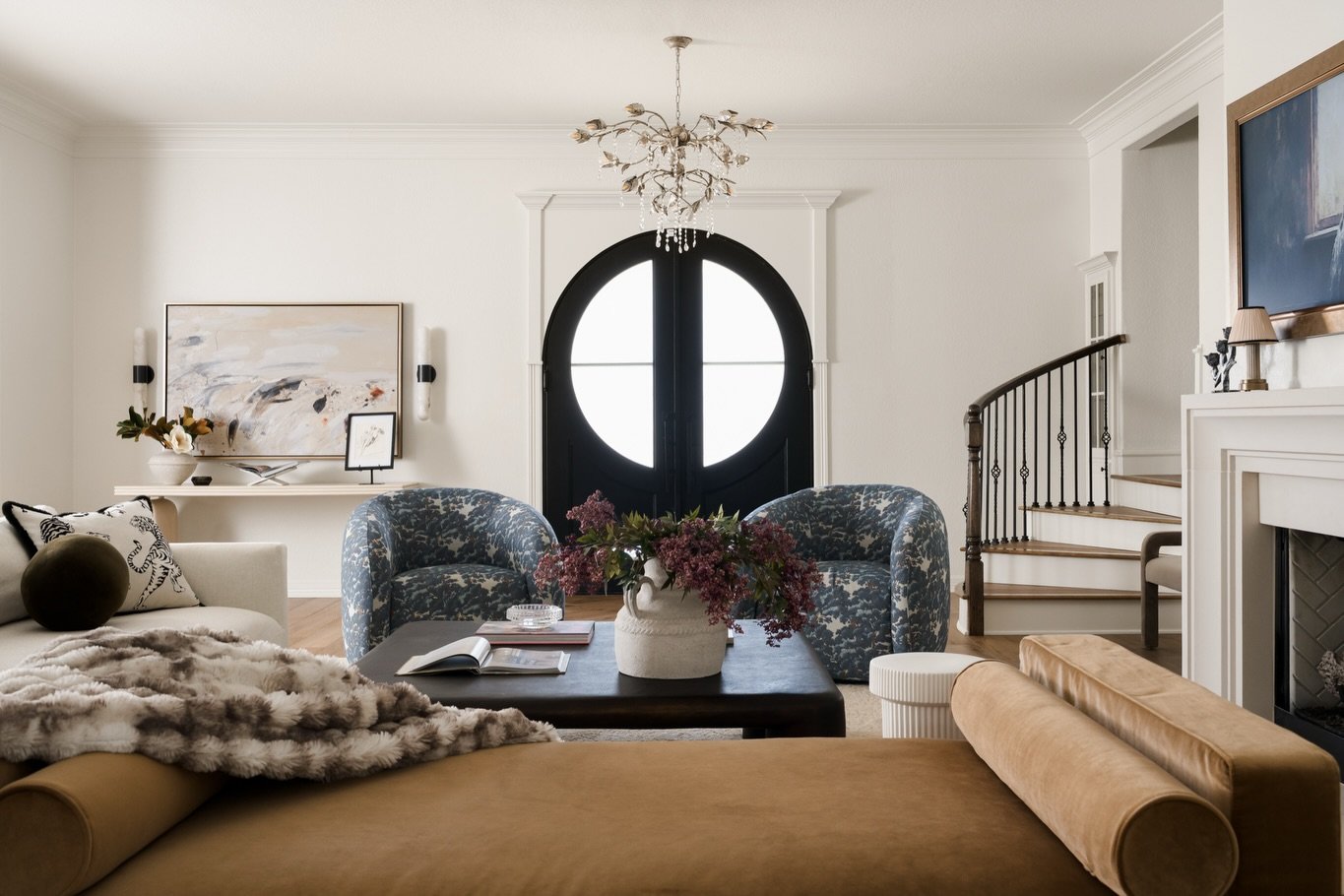
Wide compositions are important. They establish architecture, scale, layout, and the relationship between different areas.
But they rarely tell the entire story.
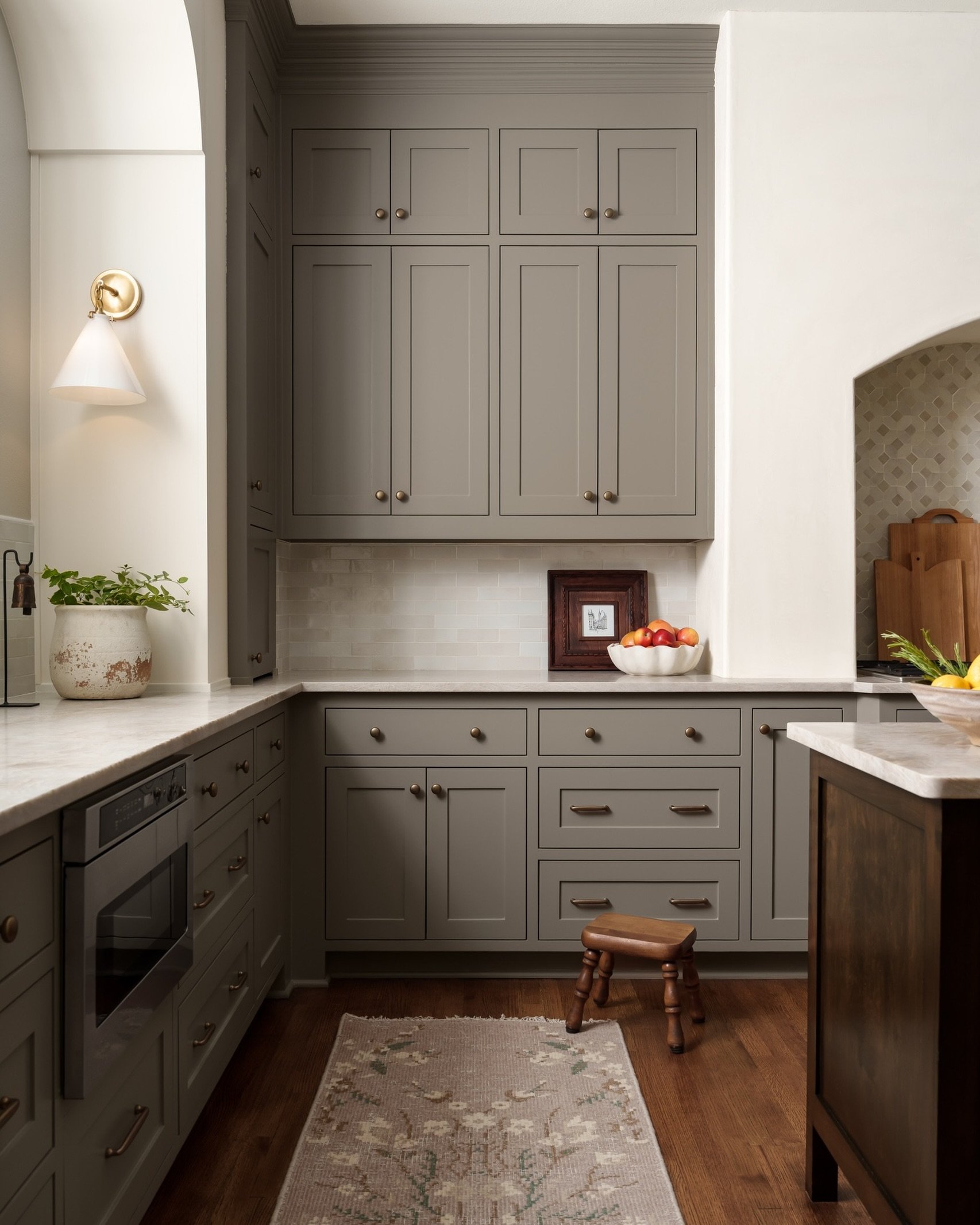
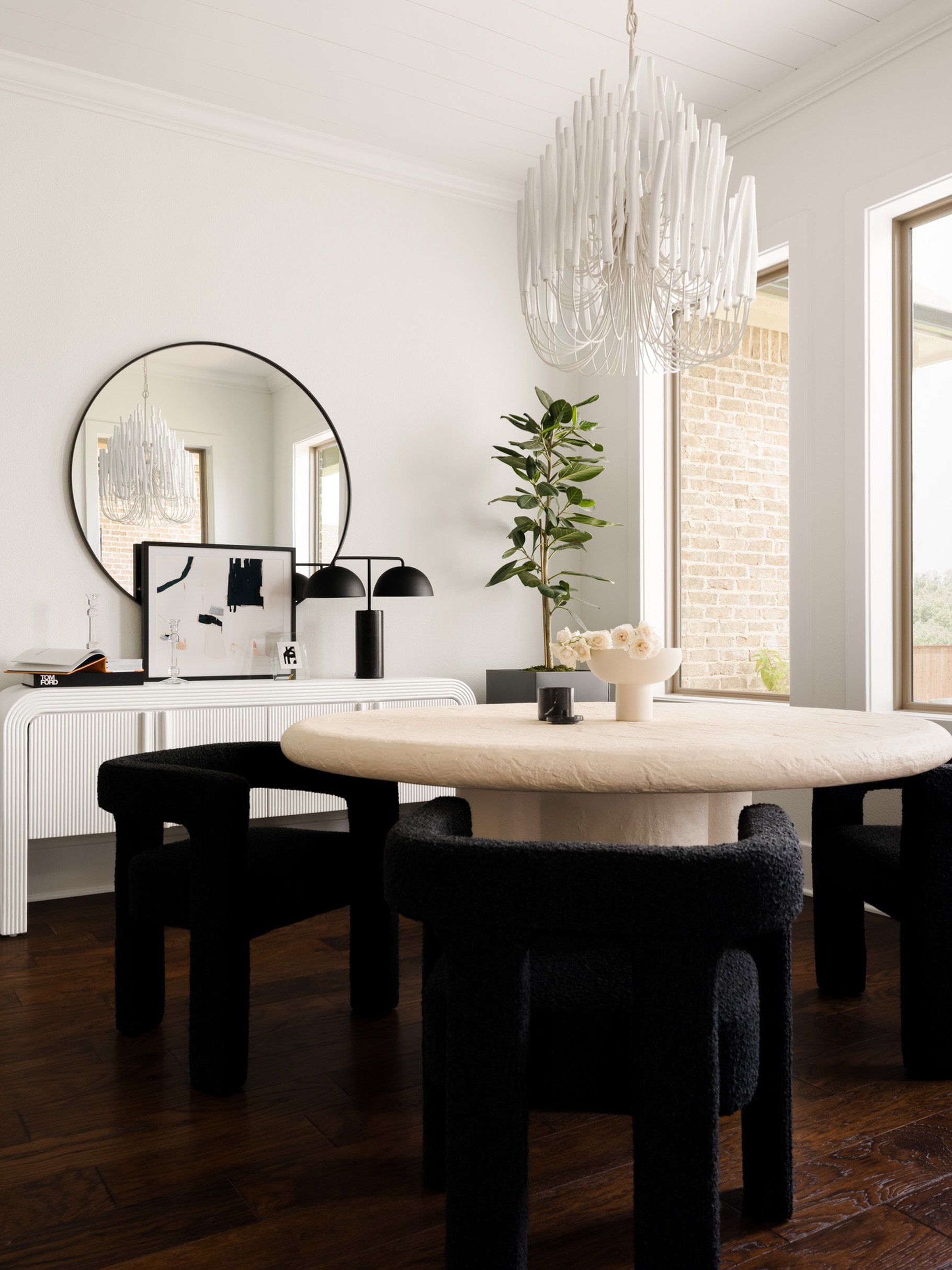
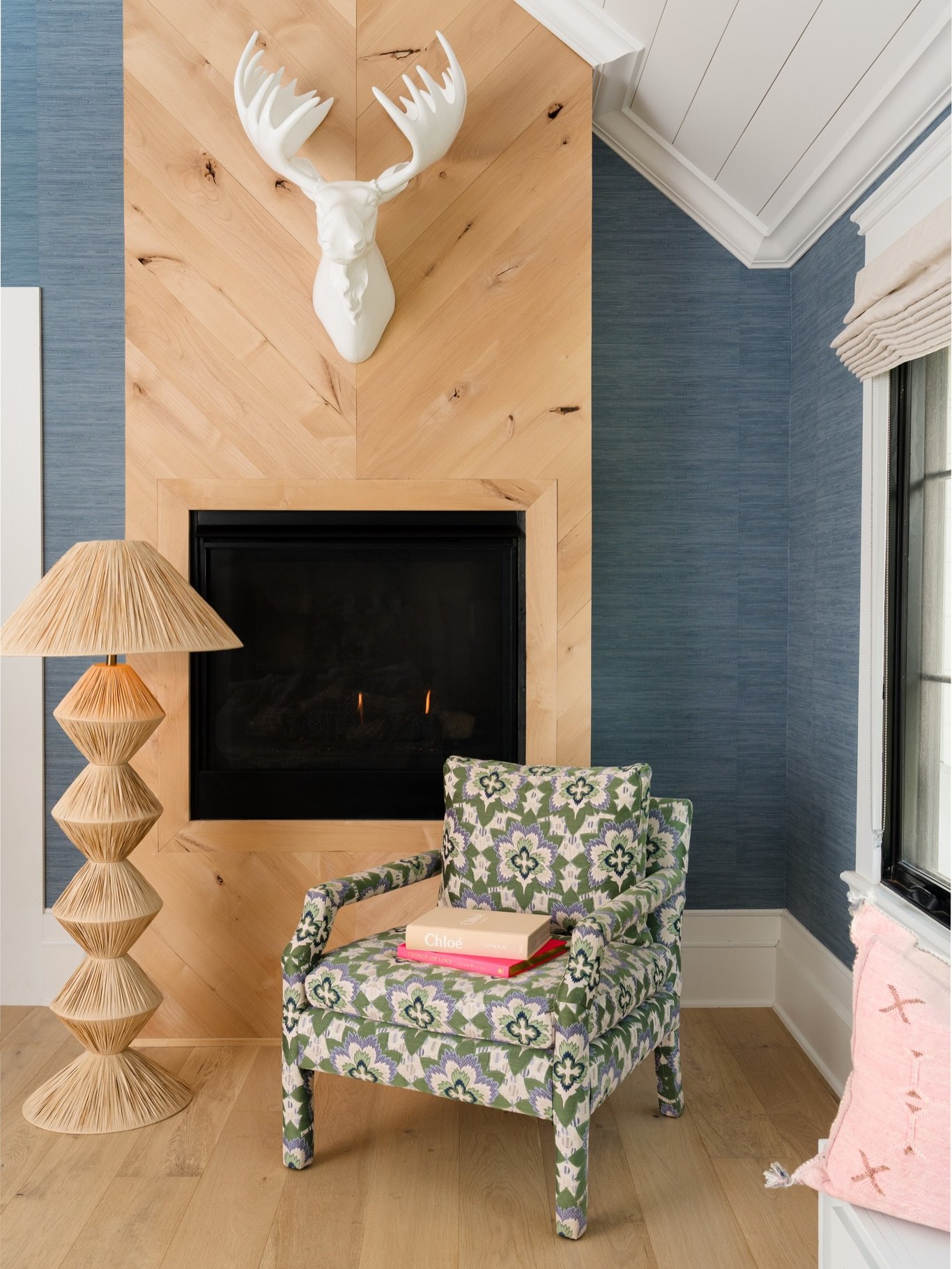
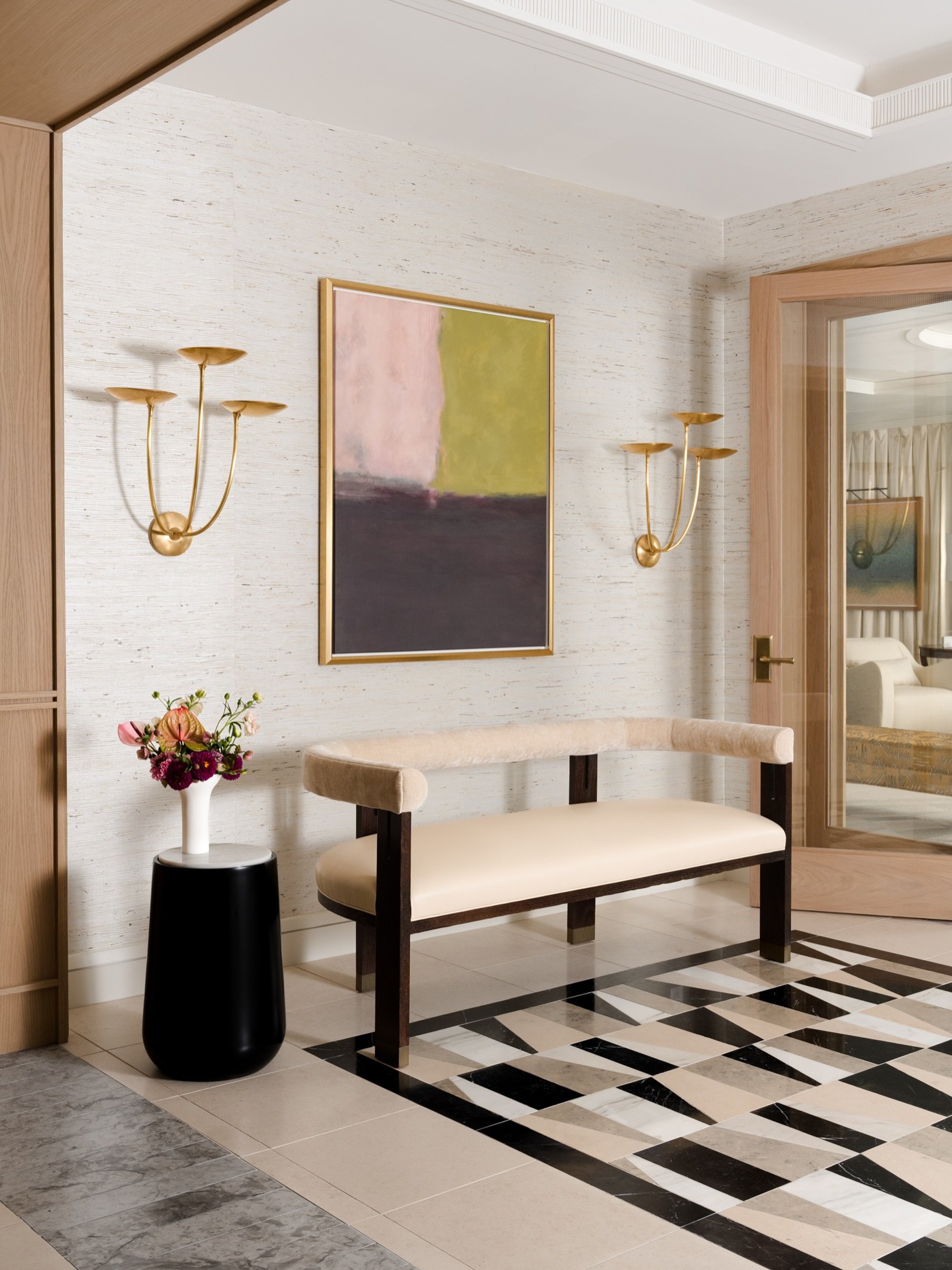
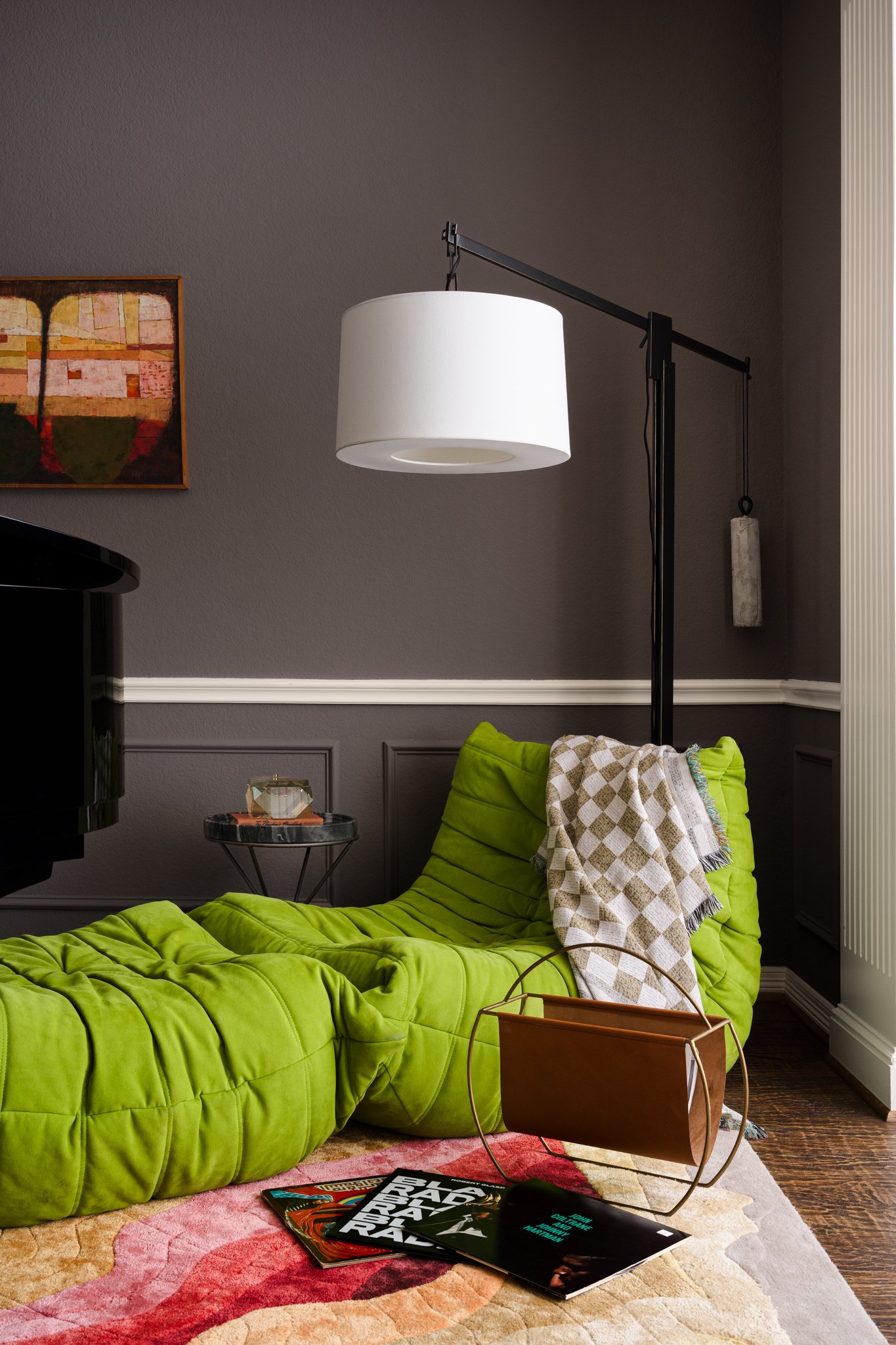
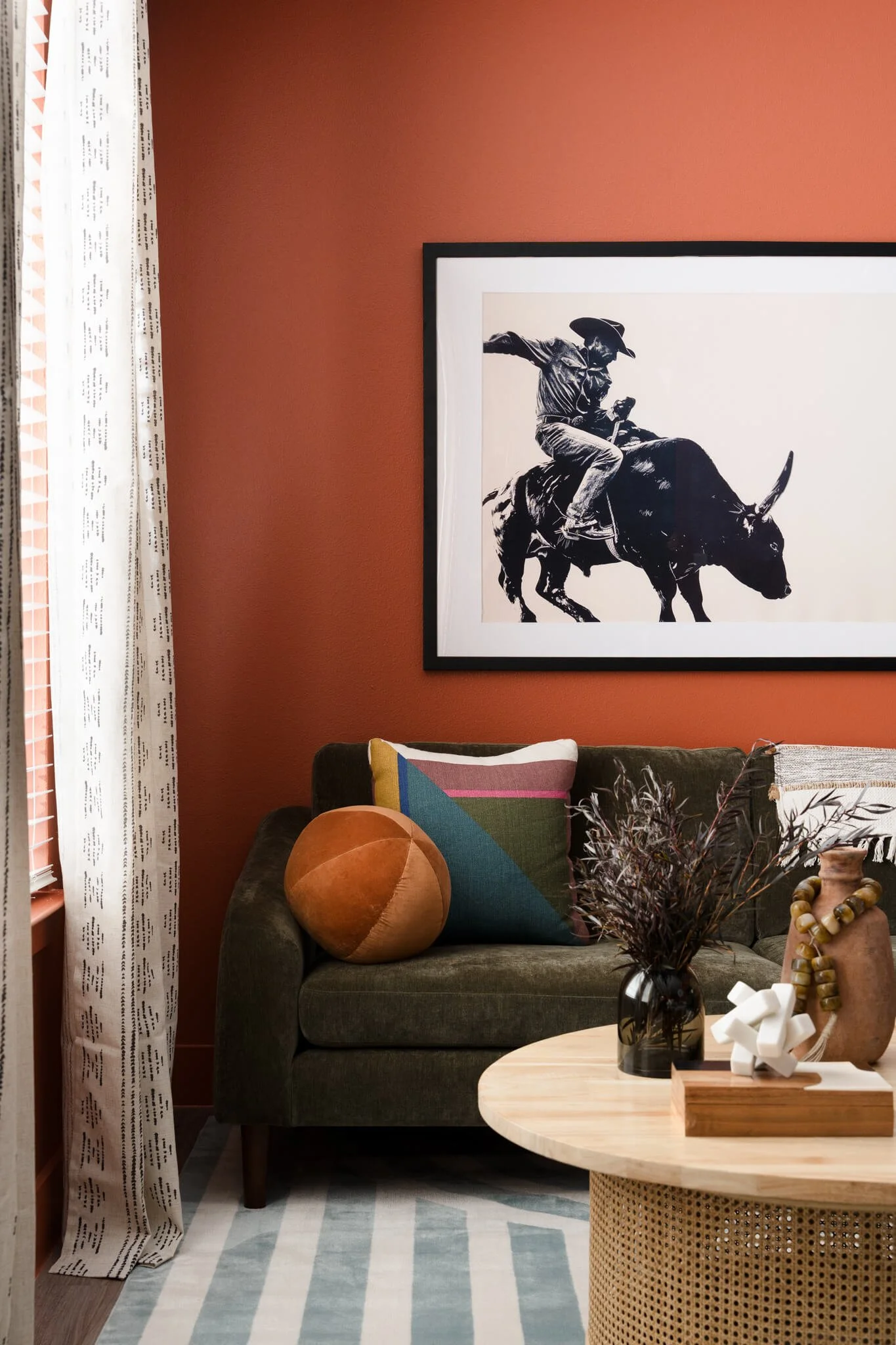
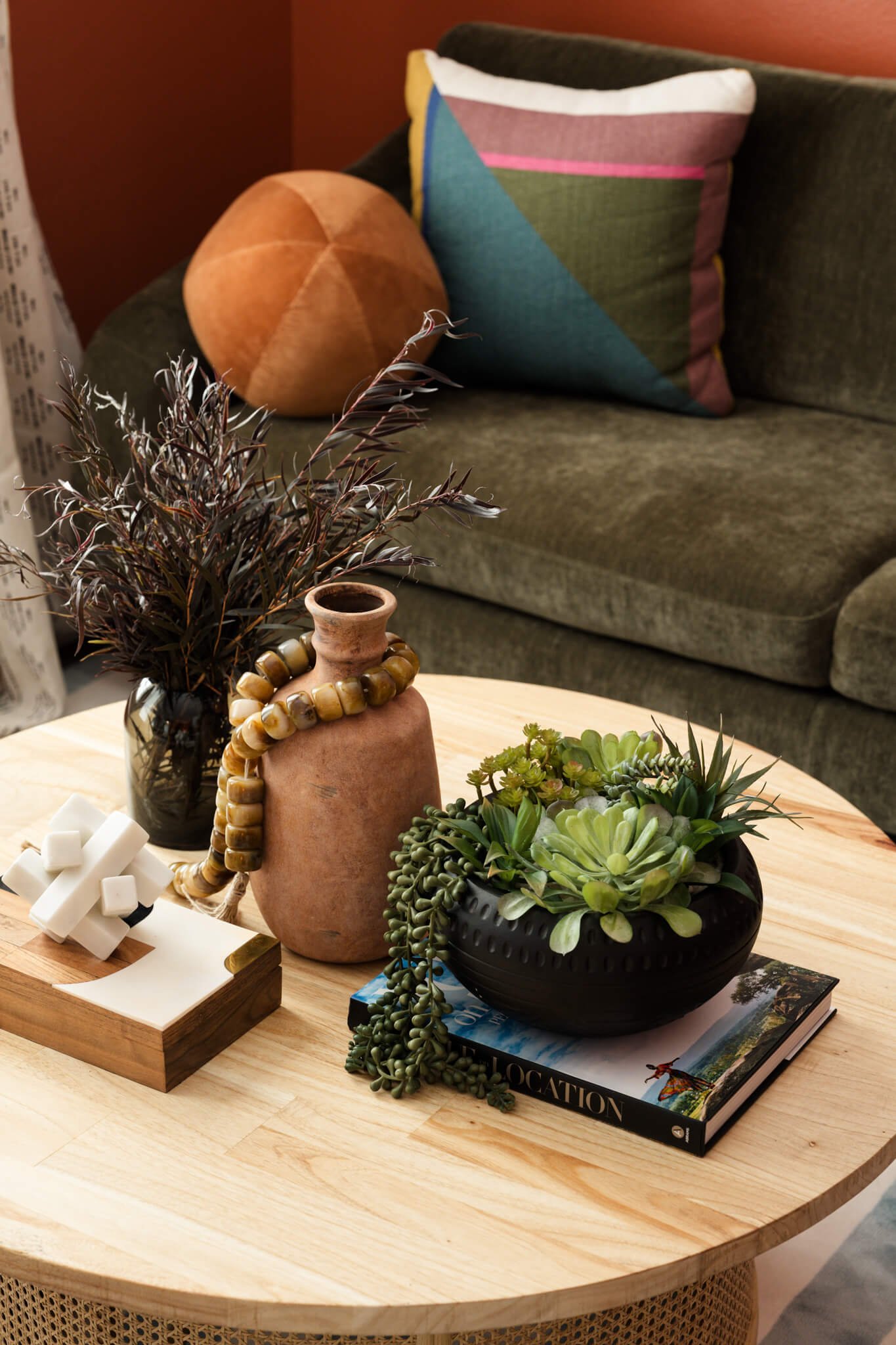
Supporting compositions can reveal the elements that give a property character: the curve of a banquette, a custom light fixture, the transition between materials, a beautifully designed bar, the relationship between an indoor lounge and the pool beyond it.
Together, those photographs create a much richer understanding of the property.
I think of the collection in terms of hero images and supporting images.
Hero images establish the spaces.
Supporting images reveal how they were designed.
Both have a role to play.
Photographing the Relationship Between Spaces
Multifamily projects also require thinking beyond individual rooms.
A resident doesn't experience a property as a series of isolated spaces, and the photography shouldn't necessarily present it that way either.
Sightlines can be incredibly useful.
A composition of a resident lounge might reveal the pool beyond the windows. A photograph of a coworking area might include the coffee bar in the background. A doorway can create a natural frame that connects one amenity to another.
These layered compositions provide context.
They show how someone might move through the property and how the architecture connects one experience to the next.
That sense of flow is one of the things I look for before I ever put the camera on the tripod.
Architecture and Atmosphere Have to Work Together
There are two sides to photographing a multifamily property.
The first is architectural.
Lines need to feel intentional. Proportions should remain believable. Materials and finishes need to be represented accurately. The photography should respect the work of the architects, designers, builders, and vendors who created the property.
The second is atmospheric.
These spaces were created for people.
A resident lounge shouldn't only communicate square footage and furniture placement. It should feel like somewhere you could actually imagine sitting.
A pool deck should establish the architecture while also conveying the experience of being outside.
A coworking space needs to show its functionality without losing the design that makes it distinctive.
The strongest photographs do both.
They document the design while allowing the viewer to imagine the experience.
The Role of Styling in Multifamily Photography
Even beautifully designed spaces usually need some refinement for the camera.
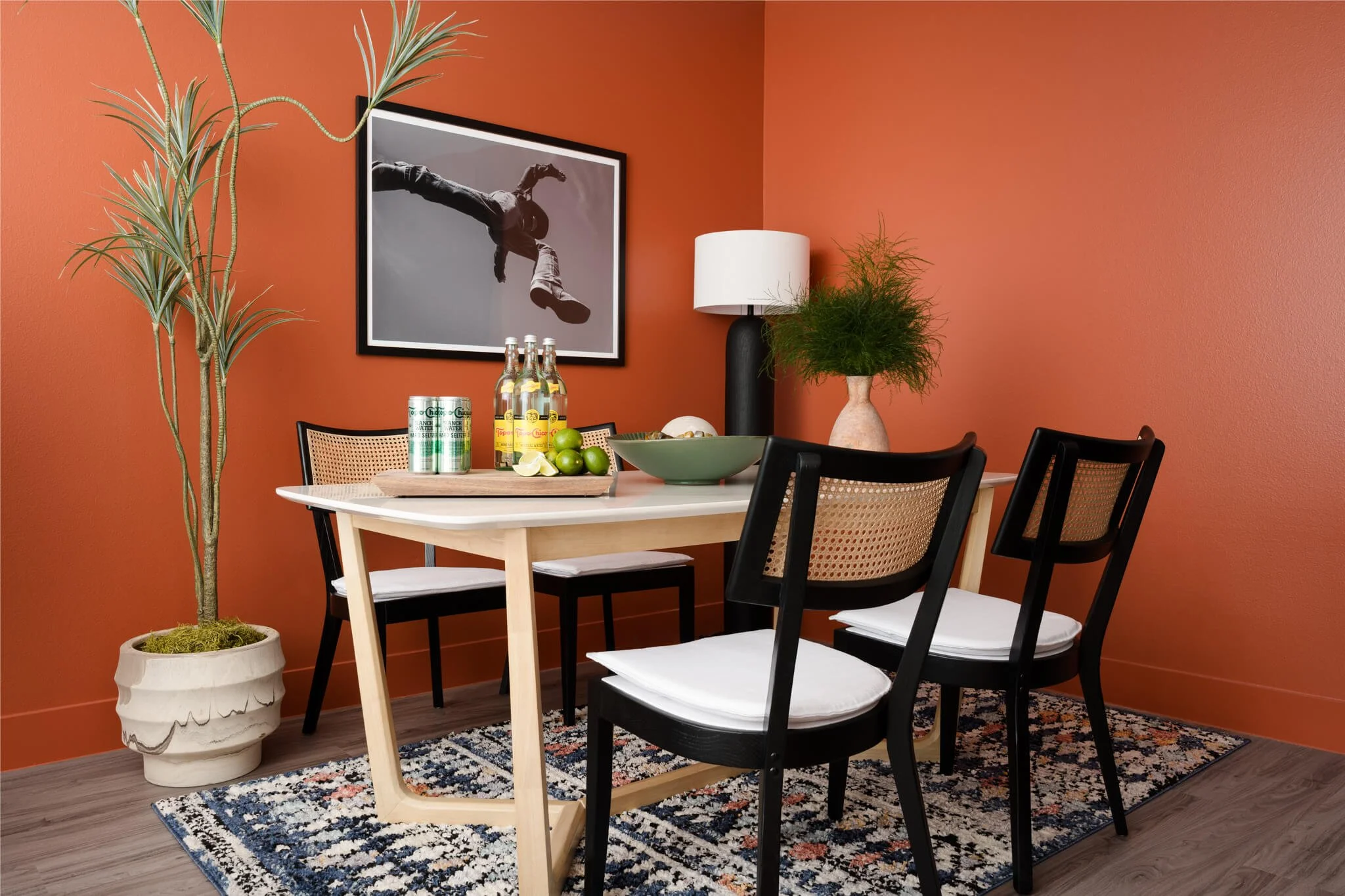
A chair may need to move a few inches to improve a sightline. Pillows may need adjusting. Plants, books, glassware, or accessories might need to be repositioned so the composition feels balanced.
Sometimes a small lifestyle element can help communicate how a space is intended to be used.
The key is restraint.
Styling should support the environment rather than turn it into something it isn't.
I want the finished photographs to feel polished and considered, but still truthful to the property.
Light Shapes the Way the Property Feels
Multifamily properties can present complicated lighting conditions.
A single project may include window-filled clubrooms, darker corridors, reflective fitness centers, exterior spaces, model units, and amenity areas with completely different exposures.
My approach is to control and shape light where needed while keeping the finished photography believable.
I don't want lighting to become the subject of the photograph.
It should quietly reveal the architecture, materials, color, and atmosphere already present in the space.
That becomes particularly important when photographing numerous areas within one property. Even when the lighting conditions change dramatically from room to room, the final collection should still feel cohesive.
Creating a Visual Library, Not Just a Set of Property Photos
Multifamily photography often needs to work much harder than a traditional property listing.
The images may eventually appear across a property website, social media, digital campaigns, leasing materials, public relations, award submissions, investor presentations, or the portfolios of the architects and designers involved.
That is why planning the photography around its eventual use matters.
A collection made entirely of horizontal wide shots may document the property beautifully but leave a marketing team with very little flexibility.
Instead, I like to create variation.
Horizontal and vertical compositions. Establishing photographs and tighter moments. Architecture and details. Images that communicate the entire space alongside photographs that can stand independently.
The result is a more versatile visual library that can continue supporting the property long after the photography session is finished.
Consistency Matters Across a Multifamily Portfolio
For developers and firms working across multiple properties, there is another consideration: consistency.
Every development can and should have its own identity, but the quality and visual approach to the photography can still feel connected.
Over time, that creates something larger than documentation of individual properties.
It creates a recognizable body of work.
The photography across a portfolio begins to communicate the standards of the developer, design firm, or architecture practice behind it.
That is especially valuable when imagery from several developments appears together on a website, capabilities presentation, social feed, or marketing campaign.
Each project can remain distinct while still feeling like part of the same larger story.
Photographing Multifamily Spaces With Intention
The best multifamily photography does more than prove that an amenity exists.
It communicates why the space was designed the way it was.
It shows the architecture while preserving the atmosphere. It highlights the materials and details without losing sight of the larger environment. And it creates imagery that can serve the many different people responsible for bringing a development to life.
That is what makes these projects particularly interesting to photograph.
There are multiple stories happening at once: architecture, interior design, hospitality, community, and brand.
My job is to find the compositions that bring those stories together.
If you're planning photography for a multifamily development in Dallas–Fort Worth or beyond, I'd love to learn more about the project.
Follow Along on Instagram
Recent projects, behind-the-scenes moments, and a closer look at the spaces, details, and designers I have the opportunity to photograph.