A retail space is more than a place to display products.
By Stacy Markow
A retail space is more than a place to display products.
The architecture, interior design, lighting, materials, fixtures, signage, merchandising, and smaller details all contribute to how someone experiences a brand when they walk through the door.
Retail interior photography documents that complete environment.
For designers, architects, retailers, and brands, the goal isn't simply to show what a store looks like. It's to create a collection of photographs that communicates how the space was designed, how the brand inhabits it, and what makes that particular location distinctive.
What Is Retail Interior Photography?
Retail interior photography sits at the intersection of interior, architecture, and commercial photography.
The focus is the physical environment and the design decisions that shape it.
That might include the storefront and exterior architecture, overall interior views, custom millwork, lighting, material selections, product displays, signage, branded elements, and smaller design details.
Together, those photographs create a visual record of the completed space.
And depending on who commissioned the photography, that collection may need to accomplish several different things.
An interior designer may need photographs that document custom cabinetry and material selections. An architect may be particularly interested in circulation, structure, and the relationship between interior and exterior. A retailer may need imagery that communicates the brand and customer experience.
Understanding those priorities before the session helps determine which photographs need to be made.
Start with the Space
I approach retail photography much like I approach any other designed interior: first, we need photographs that explain the space.
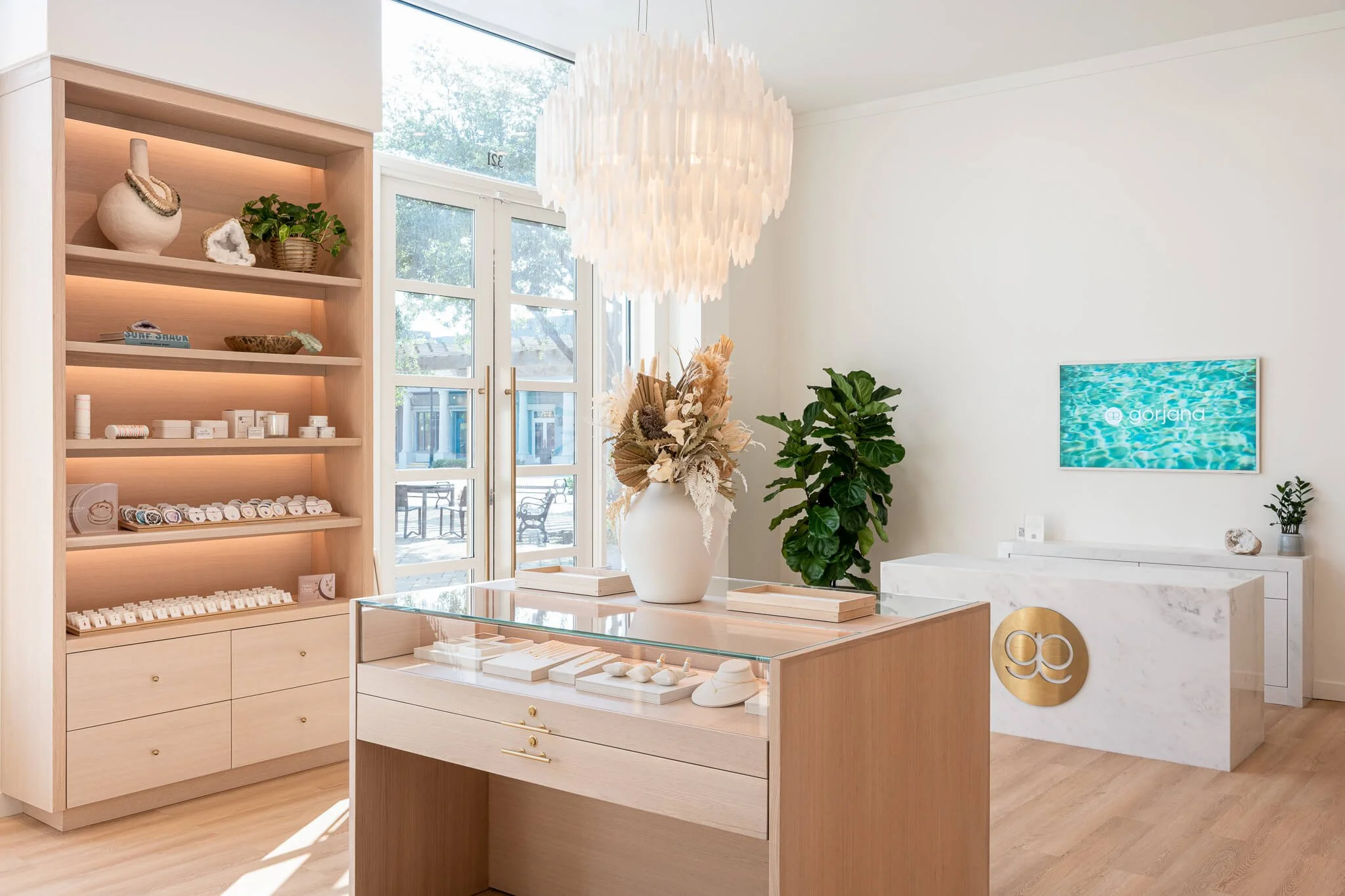
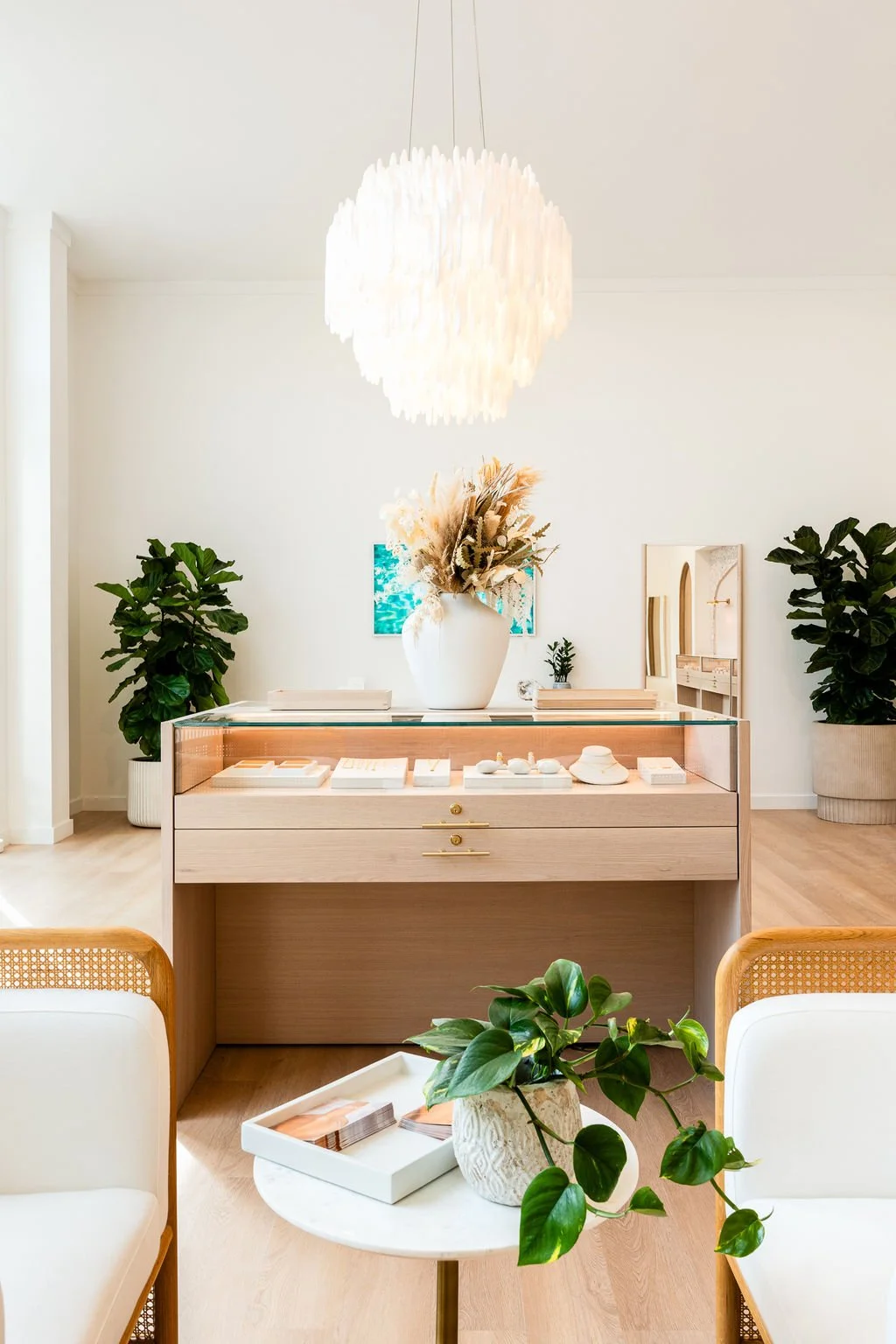
Wide and medium compositions establish the architecture, layout, and relationship between different areas of the store.
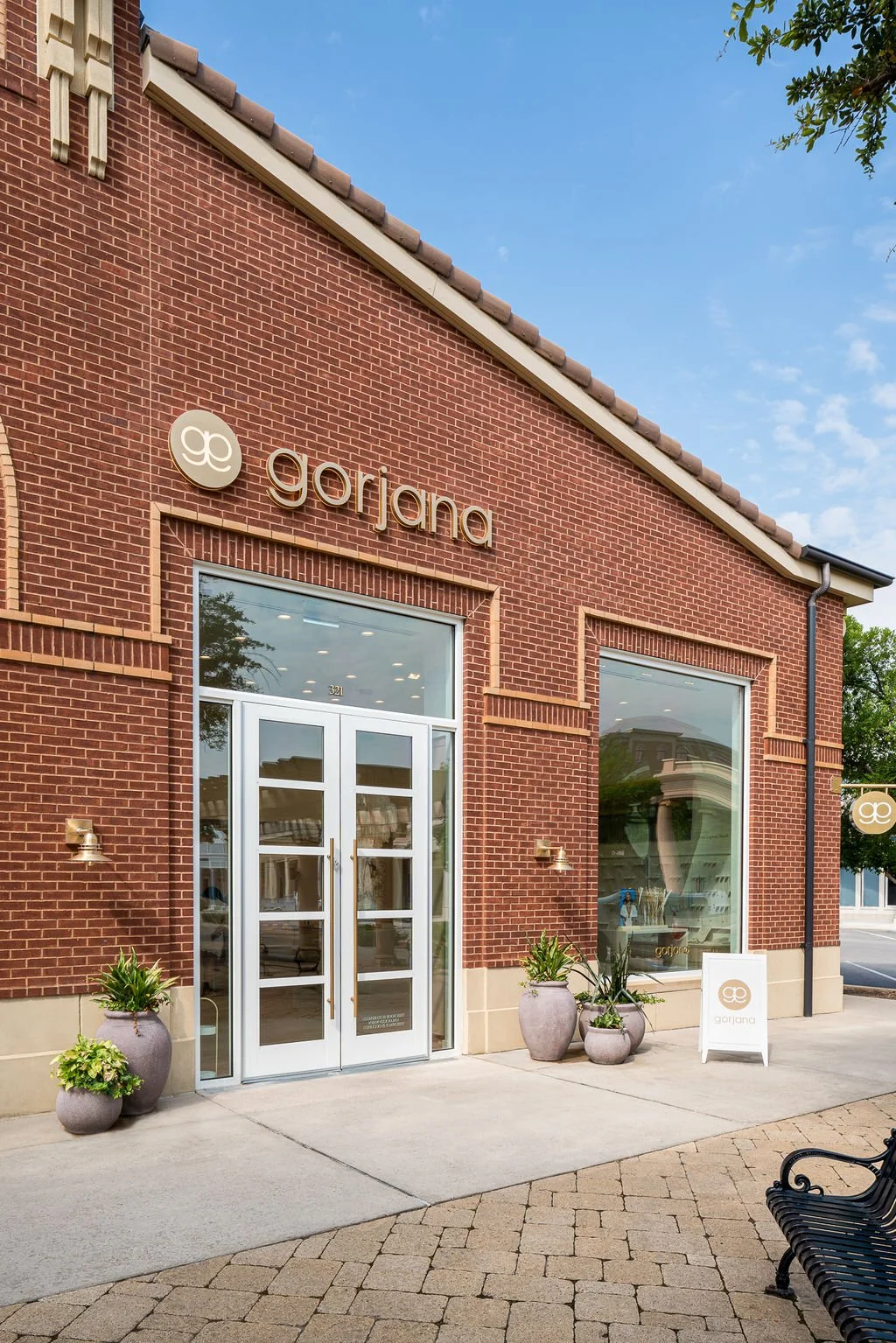
For a retail project, that might mean photographing the storefront and entry before moving into compositions that show the overall sales floor, displays, checkout area, fitting rooms, consultation spaces, or other important parts of the customer journey.
These photographs provide context.
Someone who has never visited the location should be able to look through the finished gallery and begin to understand what it feels like to move through it.
Photograph the Design Decisions
Once the larger environment has been established, I start looking more closely at what makes the project specific.
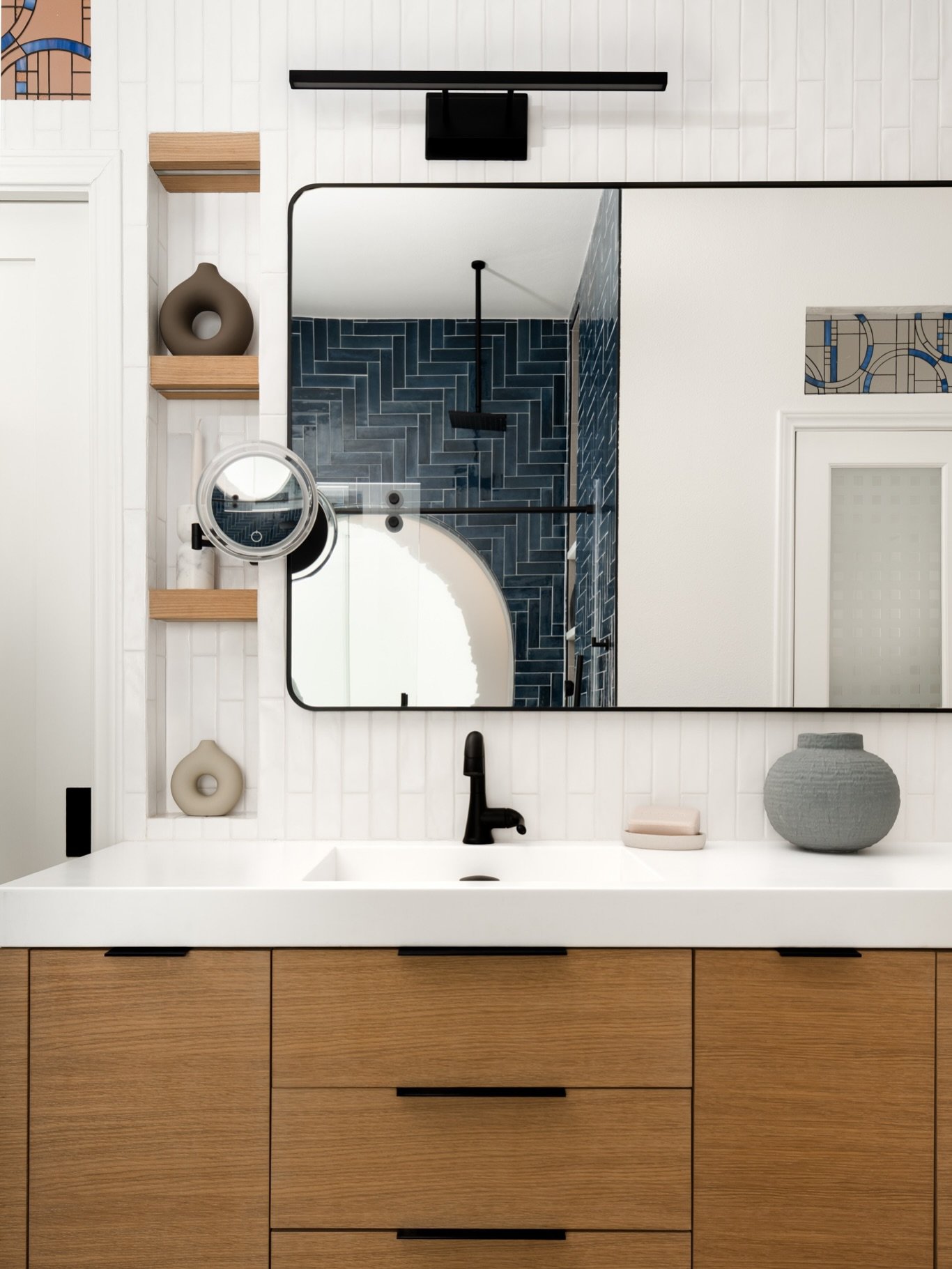
Maybe it's custom millwork designed around a product collection. Perhaps it's a distinctive flooring transition, a sculptural light fixture, a particular stone, an unusual display system, or the way a brand color has been incorporated into the architecture.
These are often the photographs that give designers and architects opportunities to talk about their work beyond simply showing a finished room.
A complete gallery should give them imagery to discuss both what they designed and why they designed it that way.
That's particularly important for retail spaces because so much of the design is intentional. The environment has to support the product, reinforce the brand, guide the customer, and function for the people working there.
Include the Brand Without Losing the Architecture
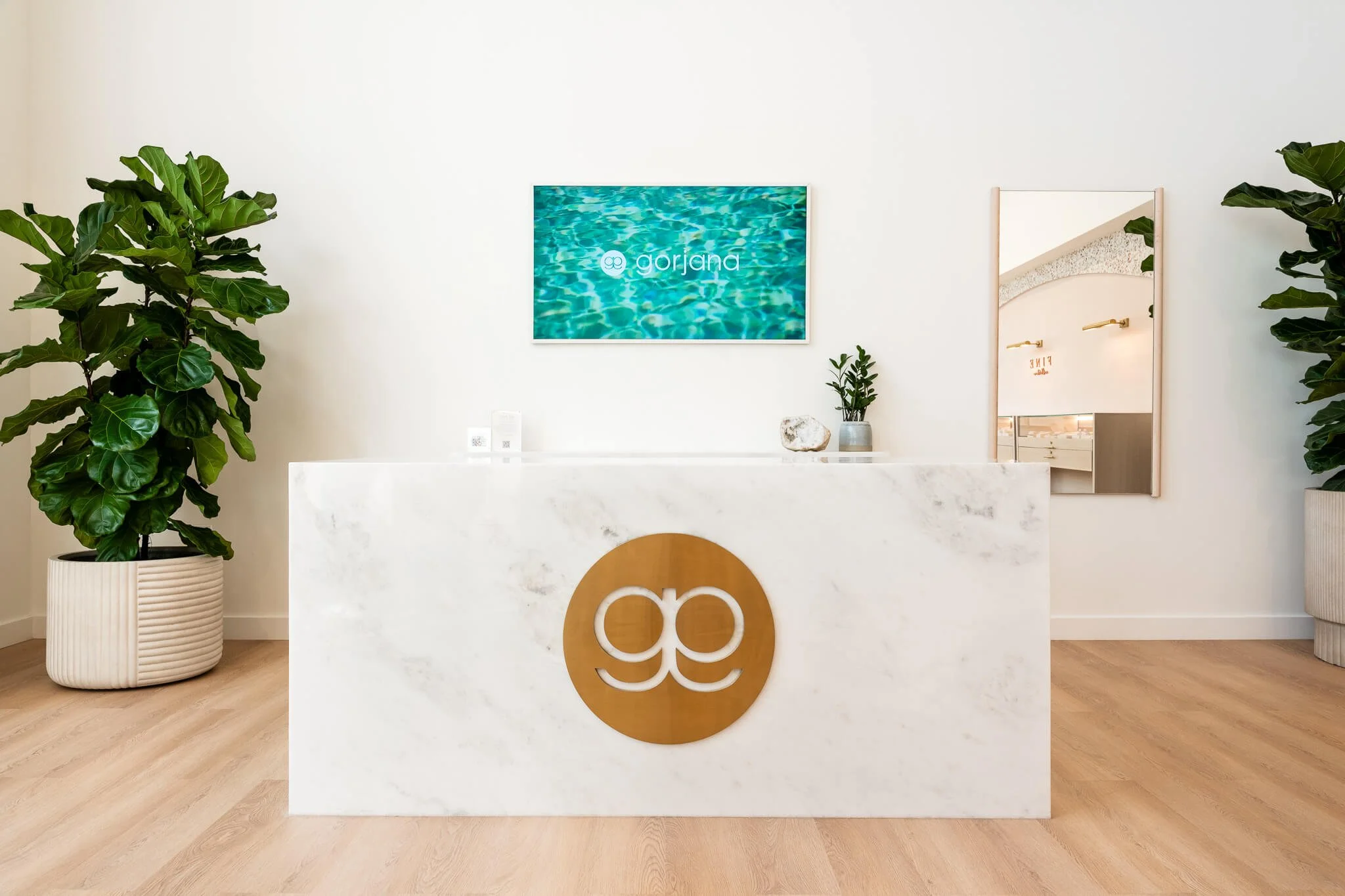
One of the things that distinguishes retail photography from photographing a residential interior is the presence of the brand itself.
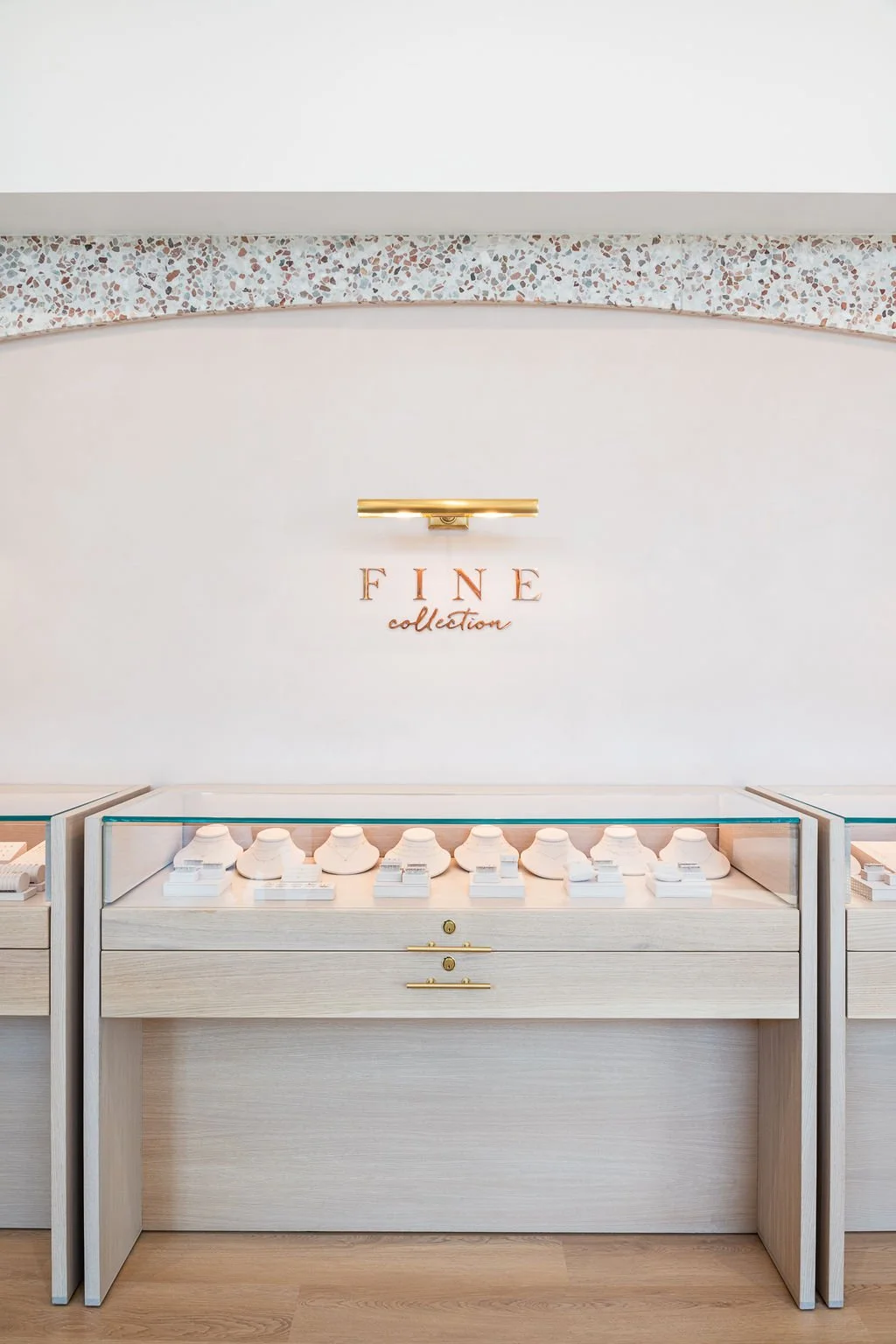
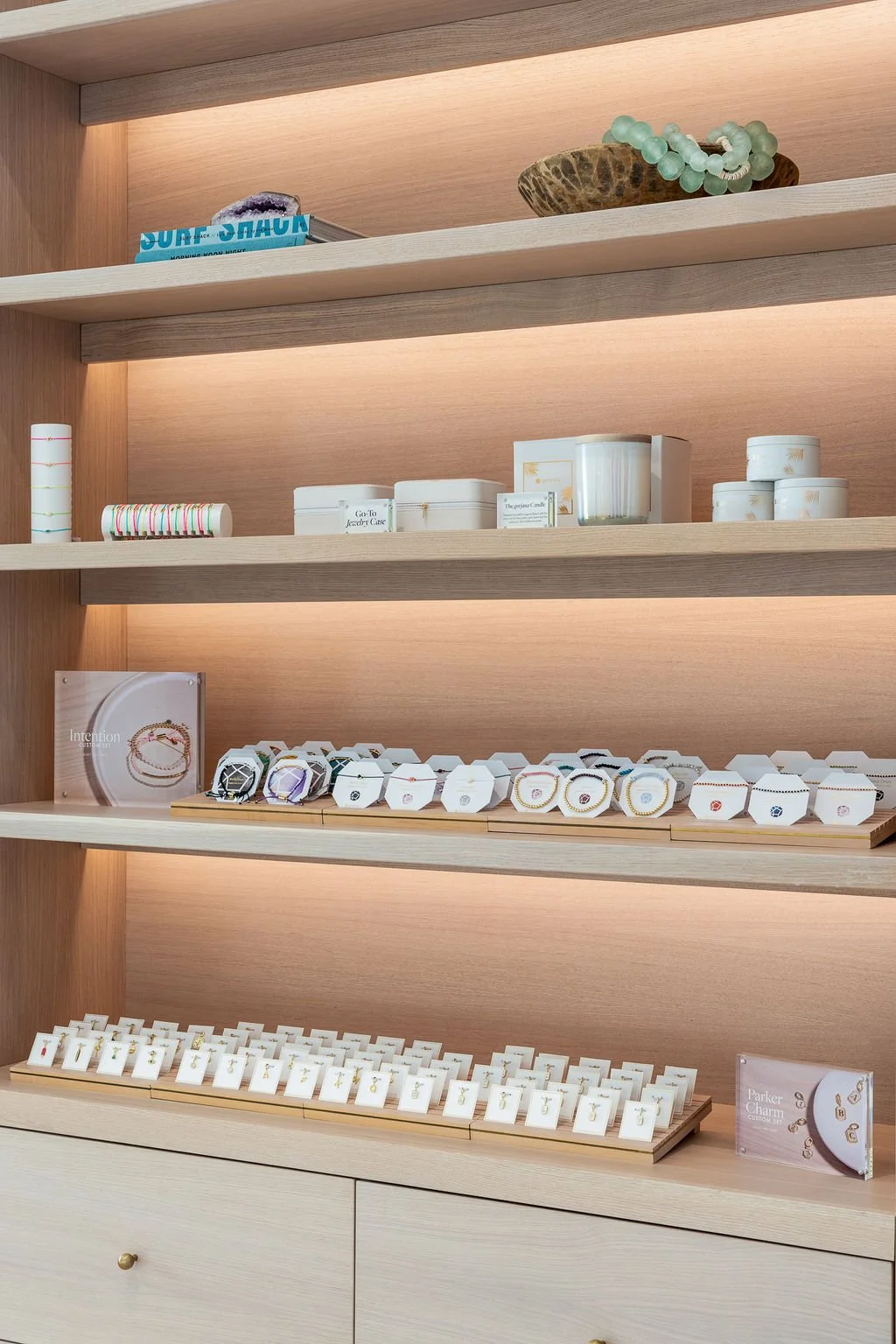
Signage, logos, packaging, displays, and merchandise are part of the visual environment.
I want those elements to appear naturally within the photography rather than treating them as something separate from the design.
A wide photograph might show signage within the context of the storefront. Another composition might use a product display as a foreground element. A closer photograph may focus on the relationship between merchandising, materials, and custom fixtures.
The result should still feel like a cohesive architectural and interior photography collection, but one that could only belong to that particular brand.
Details Help Complete the Story
Some of my favorite photographs from retail projects are the smaller ones.
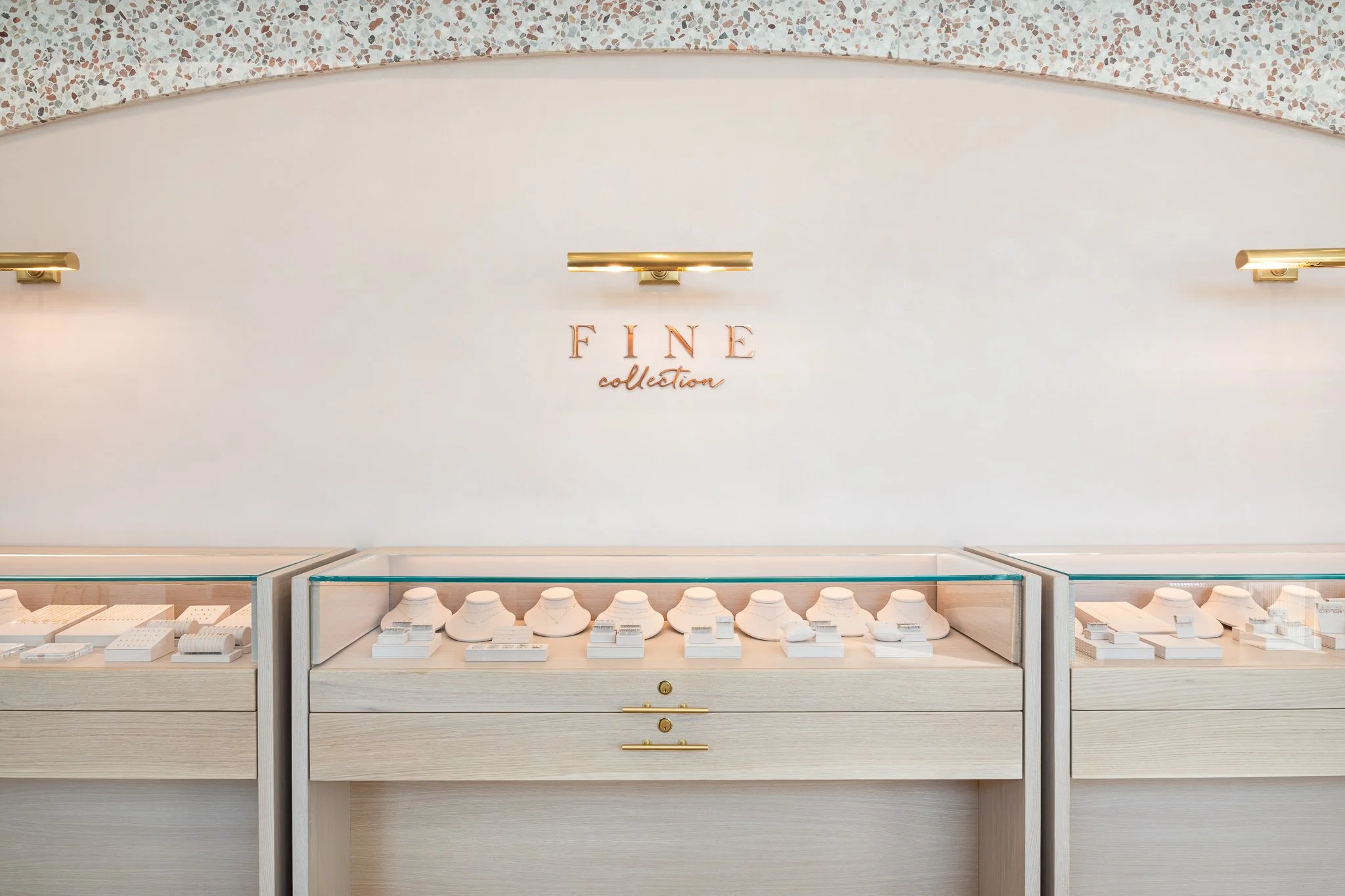
Hardware. Material transitions. Display details. Lighting. Signage. Shelving. Textures. Carefully arranged merchandise.
Individually, these details may occupy only a small part of the physical space. Collectively, they're often responsible for much of its personality.
They also give clients a more versatile image library.
The wide architectural photographs may become portfolio hero images, publication submissions, or website banners. Detail photographs can support project stories, social media, press, presentations, and marketing content that focuses on individual design decisions.
Both belong in the final collection.

Photographing Retail Spaces for Multiple Creative Partners
Retail projects are rarely the work of one company.
A completed store may involve a retailer or brand, interior designer, architect, general contractor, fabricators, lighting designers, artists, manufacturers, and other creative partners.
That makes planning particularly important.
Before photographing a project, I want to understand who is commissioning the photography, what their role was, which elements of the project matter most to them, and how they plan to use the finished images.
If multiple project partners are involved, we can also identify their priorities during Creative Production Planning so the photography serves the project more comprehensively.
The goal isn't simply to photograph everything.
It's to understand what deserves to be photographed and create the compositions that communicate it most effectively.

Preparing a Retail Space for Photography
Retail photography is most successful when the space is completely ready before the session begins.
Displays should be fully merchandised. Products should be organized and facing correctly. Glass, mirrors, fixtures, and other reflective surfaces should be cleaned. Temporary signage, shipping materials, cords, cleaning supplies, and operational clutter should be removed.
We also need to think about timing.
Depending on the storefront orientation and the photographs we need, exterior light can influence when we begin. For some projects, photographing before or after normal business hours also gives us more control over the environment and allows us to work without disrupting customers.
Those logistics are things I consider during production planning rather than leaving them for shoot day.
Creating a Visual Record of the Finished Space
The best retail photography doesn't document only the merchandise or only the architecture.
It shows how everything works together.
The wide photographs establish the environment. Medium compositions reveal how individual areas function. Details preserve the materials and design decisions. Signage and merchandise connect the physical space back to the brand.
Together, those images create a visual record of the project that designers, architects, retailers, and other creative partners can continue using long after the store opens.
Because ultimately, the purpose of photographing a retail interior is the same as photographing any thoughtfully designed space:
to preserve the decisions that made it distinctive.


Follow Along on Instagram
Recent projects, behind-the-scenes moments, and a closer look at the spaces, details, and designers I have the opportunity to photograph.
Looking for an Interior Design Photographer?
Whether your next project is destined for publication, your portfolio, or your firm's website, thoughtful photography helps your work continue reaching new audiences long after installation.