My Top Styling Tips for Interior Design Photoshoots
WITH REAL PROJECT EXAMPLES
Great styling isn’t about filling every surface, it’s about curating the right pieces in a specific way. These tips will help you create spaces that feel collected and intentional.
By Stacy Markow
Introduction
As a Dallas Interiors Photographer, I’ve seen time and time again the massively important role that styling plays in creating the most beautiful imagery possible. I’ve compiled this handy guide to help you better understand the importance of styling and floral planning in advance for your photo shoots. It’s the single greatest way to elevate your imagery, attract higher caliber clients, and land more press features.
Below are some of the styling ideas I notice most often while photographing professionally designed interiors.
Why You Should Hire a Professional Stylist for your Session?
They are absolute magicians when it comes to understanding how a camera reads the space. The fastest way to elevate your design portfolio is to 1) hire a professional photographer who specializes in interiors and architecture photography, and 2) hire a stylist (and possibly a florist) to create imagery you’re proud to share with the world for years to come.

Ample options for styling this living and dining room allowed for several iterations of each surface and corner before landing on what felt best for this composition. Photo: Stacy Markow Photography
What If Hiring a Stylist Isn't in the Budget?
Professional styling can elevate a project, but it's not the only way to prepare for a successful photography session.
Every photography session includes Creative Production Planning, where we'll review the spaces together, discuss your marketing priorities, and identify the photographs that matter most to your portfolio. During our walkthrough—either in person or virtually—we'll create a shot list, identify areas that may need additional styling, and develop a simple prep plan before photography day arrives.
If you're photographing a project for the first time, this planning process can make all the difference.
The more decisions we make before the session, the smoother the photography day becomes. Rather than spending valuable time deciding what to move or where to begin, we can focus on creating strong imagery together.
I also recommend visiting the project the day before our session to complete the majority of the styling and preparation. That gives us the flexibility to make thoughtful refinements on photography day instead of rushing through major adjustments.
Photography Insight
One of the biggest time drains during a photography session is styling every vignette from scratch. A well-prepared space allows us to spend our time refining compositions, adjusting details, and creating a larger variety of finished photographs instead of making last-minute decorating decisions.
Styling Principle 01
Bring More Than You Think You'll Need
One of the easiest ways to reduce stress on photography day is to arrive with more styling pieces than you expect to use.
That applies to everything from books, vessels, and decorative objects to fresh florals, produce, glassware, and textiles. Having a variety of options gives us the flexibility to refine each vignette based on the room, the composition, and the story we're trying to tell.
The reality is that not every accessory will work everywhere. A vase that feels perfect on a kitchen island may look oversized on a console table, and the stack of books you envisioned for a shelf may ultimately distract from the architecture. Having additional pieces nearby allows us to make thoughtful choices instead of settling for "good enough."
If we're creating a lived-in kitchen scene, that might mean bringing ingredients for a favorite recipe, fresh herbs, a loaf of artisan bread, or a bottle of wine and glassware. Those small details help suggest a story without feeling overly staged.
Photography Insight
I rarely use every item a client brings—and that's exactly the point. The strongest photographs often come from editing down rather than trying to make every accessory fit. Giving yourself options allows us to create spaces that feel intentional instead of overcrowded.


A large variety of styling options will allow you to fine-tune the overall impact of a single image. This is especially true when styling shelves and large room views.
Styling Principle 02
Style the Whole Room, Then Refine for the Camera
A beautifully installed room is the starting point—not the finished photograph.
Once we've chosen a composition, it's common to make small adjustments that improve how the space reads on camera. We may spread accessories farther apart, rotate furniture slightly, remove an object that feels distracting, or introduce something from another room that better completes the story.
These aren't changes to the design itself. They're thoughtful refinements that help the camera interpret the space the way your eye experiences it in person.
Sometimes that means temporarily removing a chair to create better sightlines. Other times, it might mean borrowing a bench, side table, or decorative object from another room to add balance or strengthen the composition. Every adjustment is made with one goal in mind: creating the strongest possible photograph while remaining true to your design.

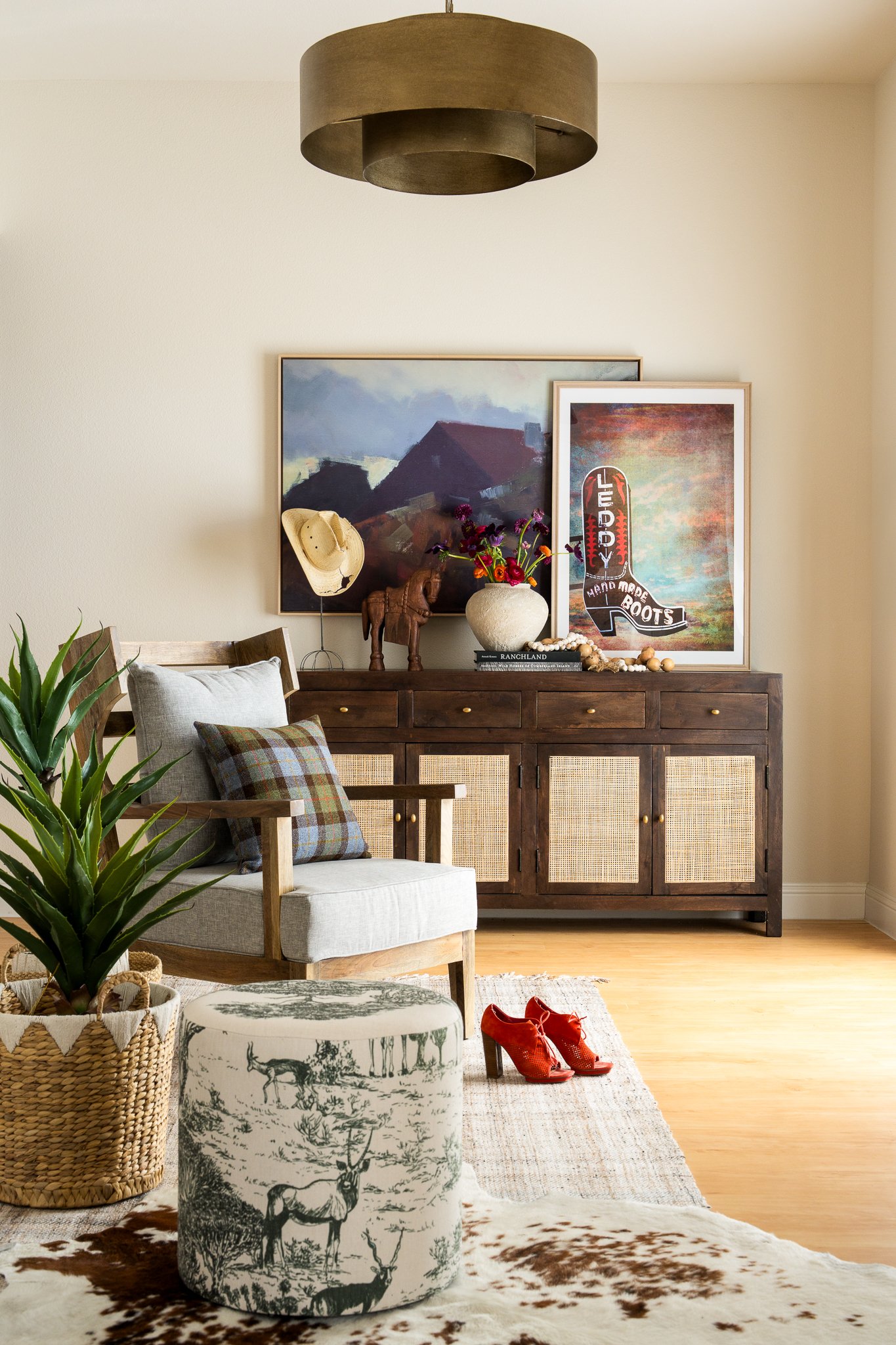
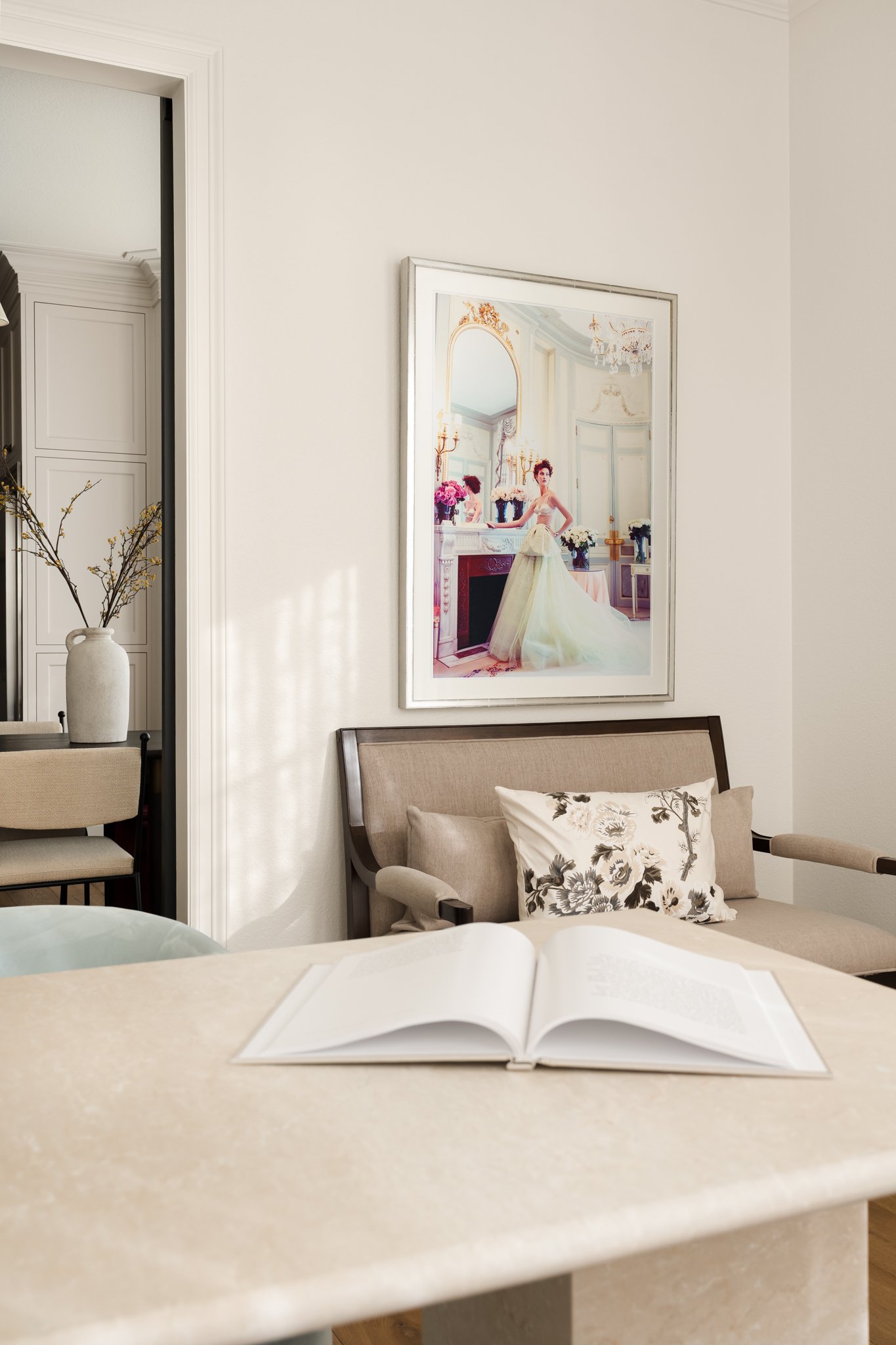
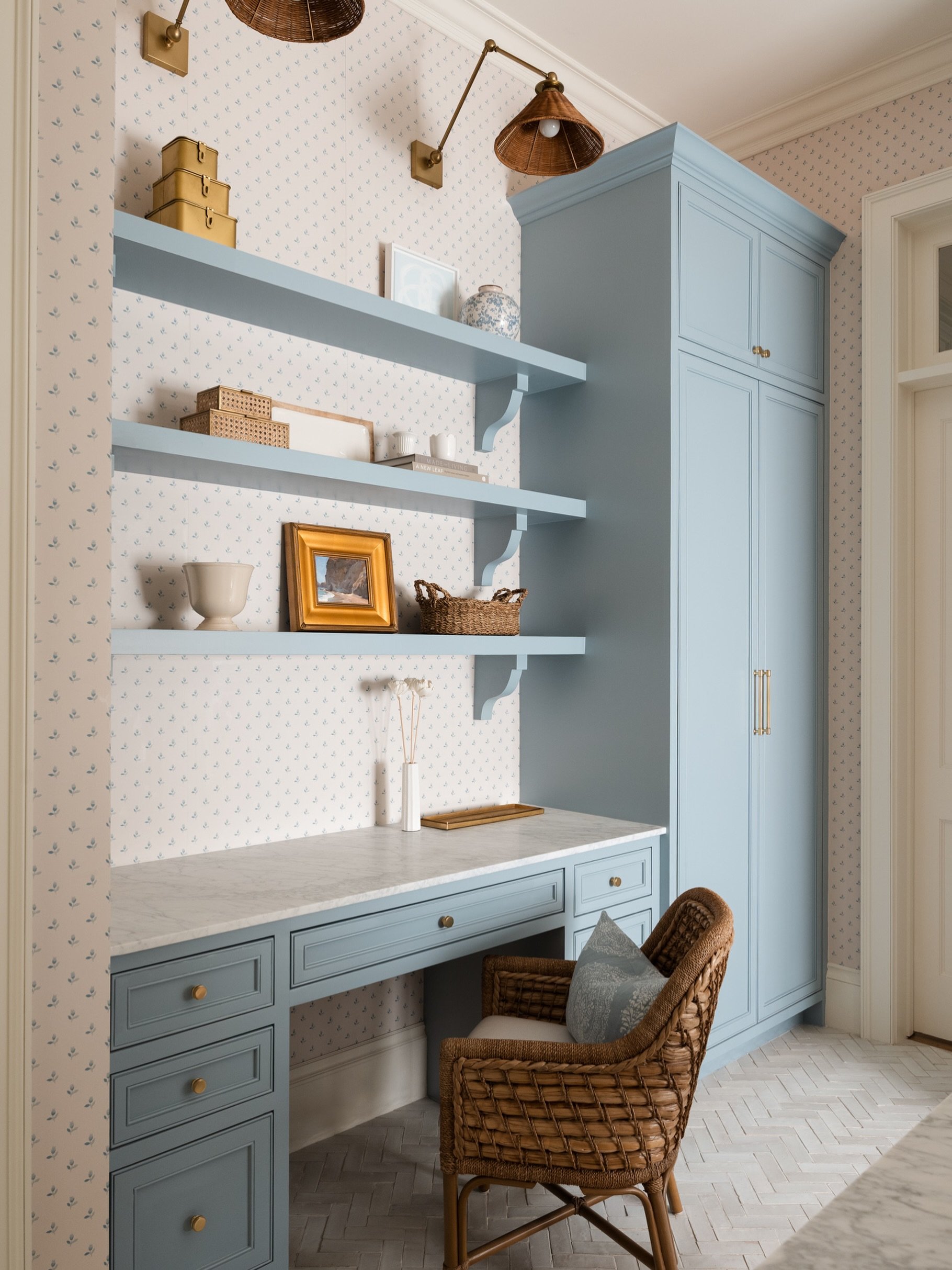
Balanced in weight, color, and texture, both of these spaces shine because of the many styling options available that day.

Styling Principle 03
Create Moments That Tell a Story
The most compelling interiors don't just showcase beautiful design—they invite the viewer to imagine living there.
Thoughtful styling can suggest how a space is meant to be used without feeling staged. An open cookbook beside a bowl of fresh ingredients, a coffee cup resting on a favorite chair, or a neatly folded throw on the end of a bed can introduce a sense of life while allowing the design to remain the focus.
These moments shouldn't compete with the architecture or furnishings. Instead, they should support the story the designer intended to tell, helping potential clients connect with the space on a more personal level.
When used intentionally, lifestyle styling transforms a photograph from a documentation of the project into an invitation to experience it.
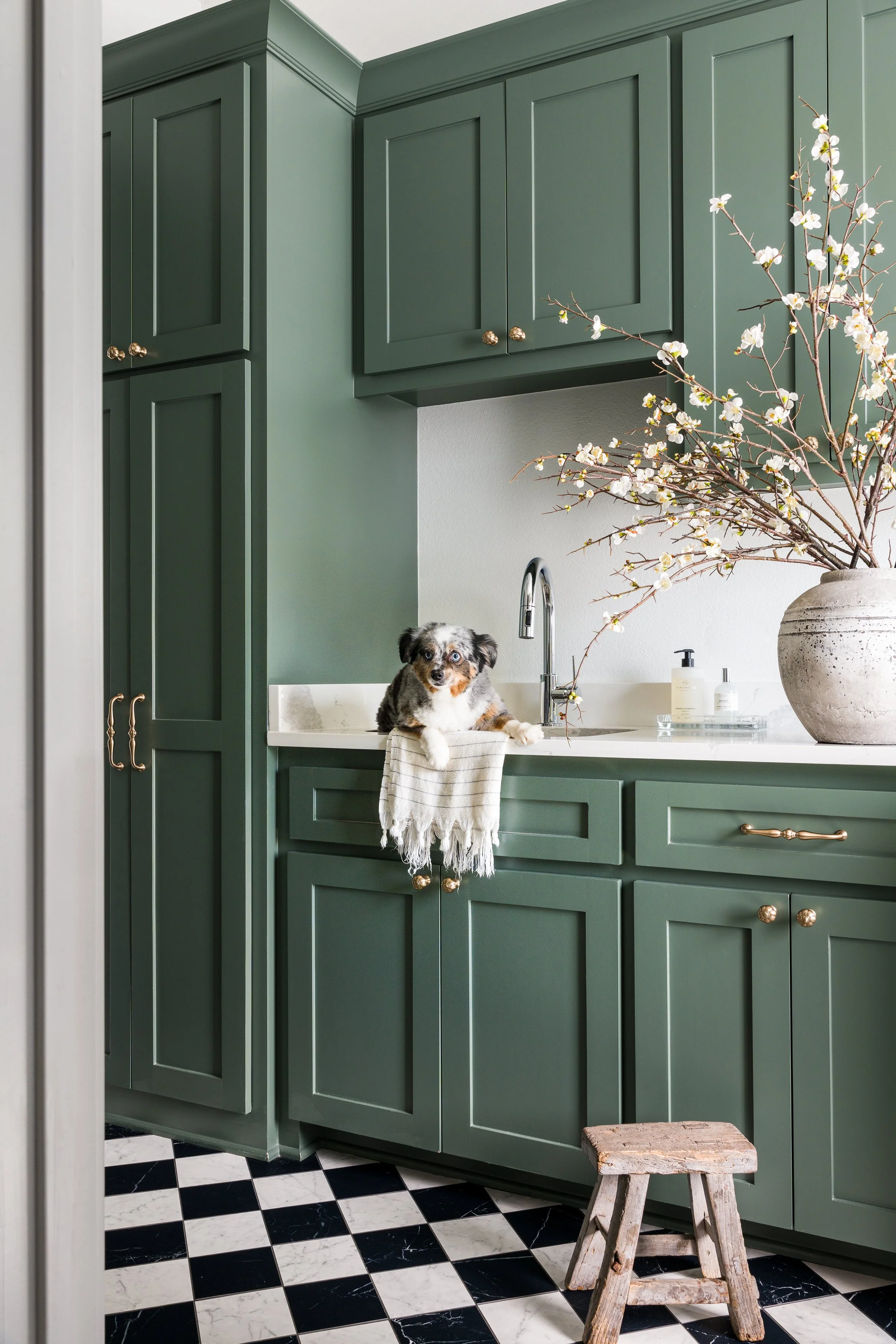

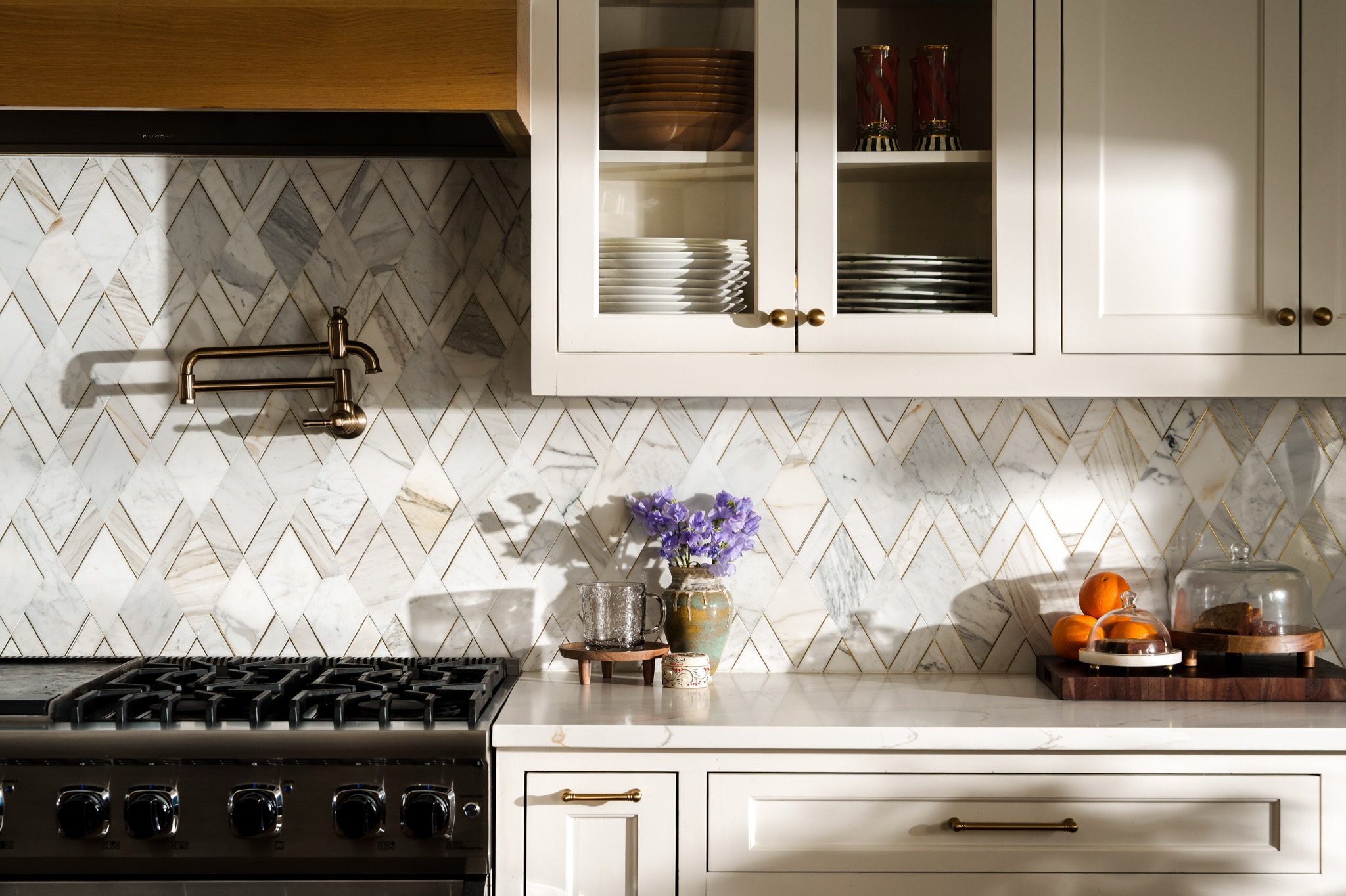
Both of these spaces use styling objects to suggest these rooms are being used frequently. From the muddy puppy in the sink of this laundry room, or the tomatoes on the cutting board in the kitchen, it shows that somebody’s been here, using these spaces.
Styling Principle 04
Start With a Clean Slate
One of the most effective styling techniques I've borrowed comes from Helen Parker of DeVOL Kitchens: remove everything before deciding what belongs.
Clearing countertops, shelves, and surfaces creates a blank canvas, making it much easier to evaluate each object intentionally. Rather than working around what's already there, you can build each vignette piece by piece, adding only the items that contribute to the overall composition.
As each accessory is introduced, ask yourself a simple question: Does this strengthen the photograph, or distract from it? If the answer isn't obvious, it probably doesn't belong.
When a client is undecided, we'll often create both versions. I'll photograph the composition with the object, then remove it and capture the scene again. Reviewing the images side by side on the iPad usually makes the stronger choice immediately apparent.
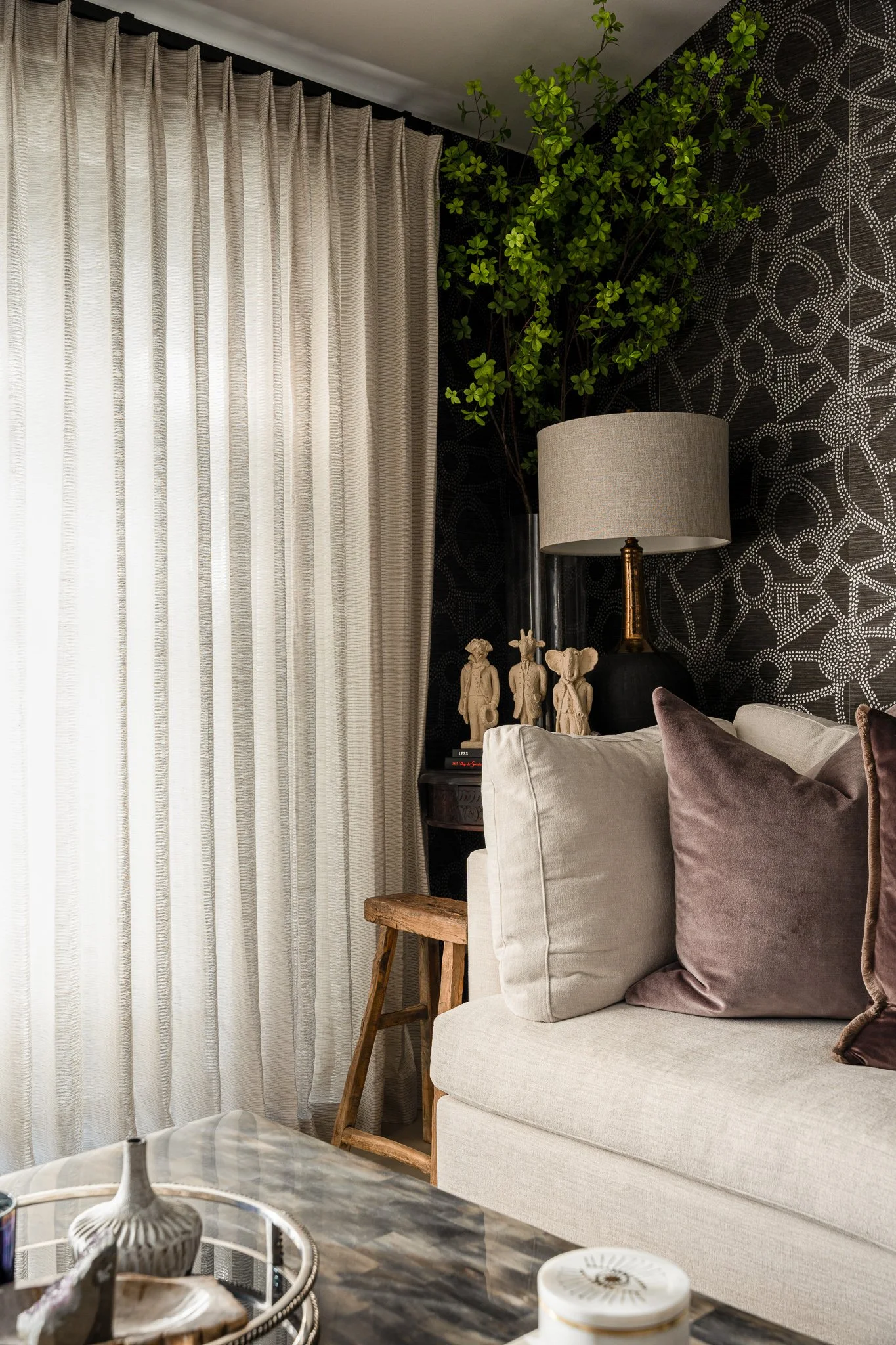

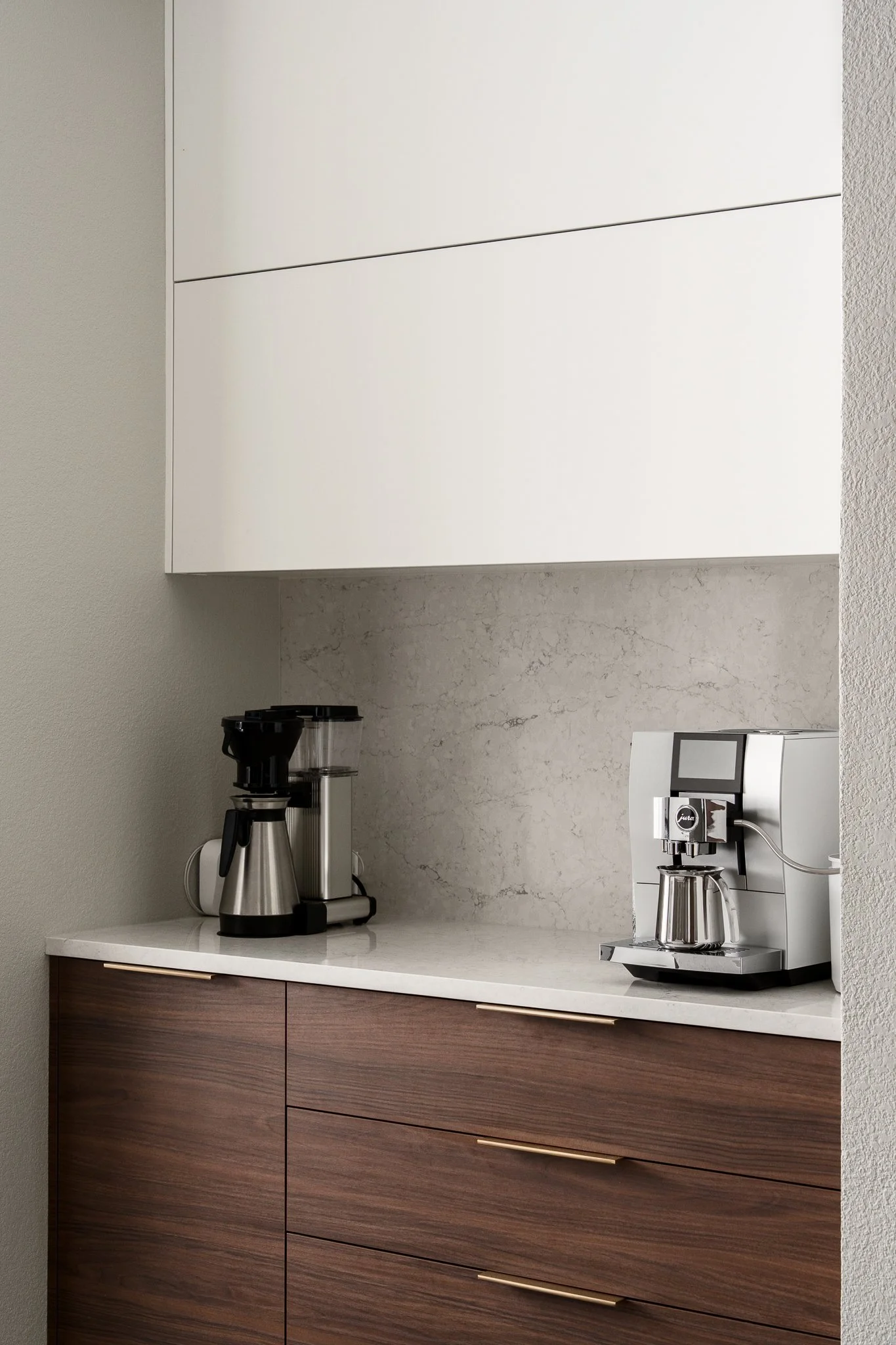
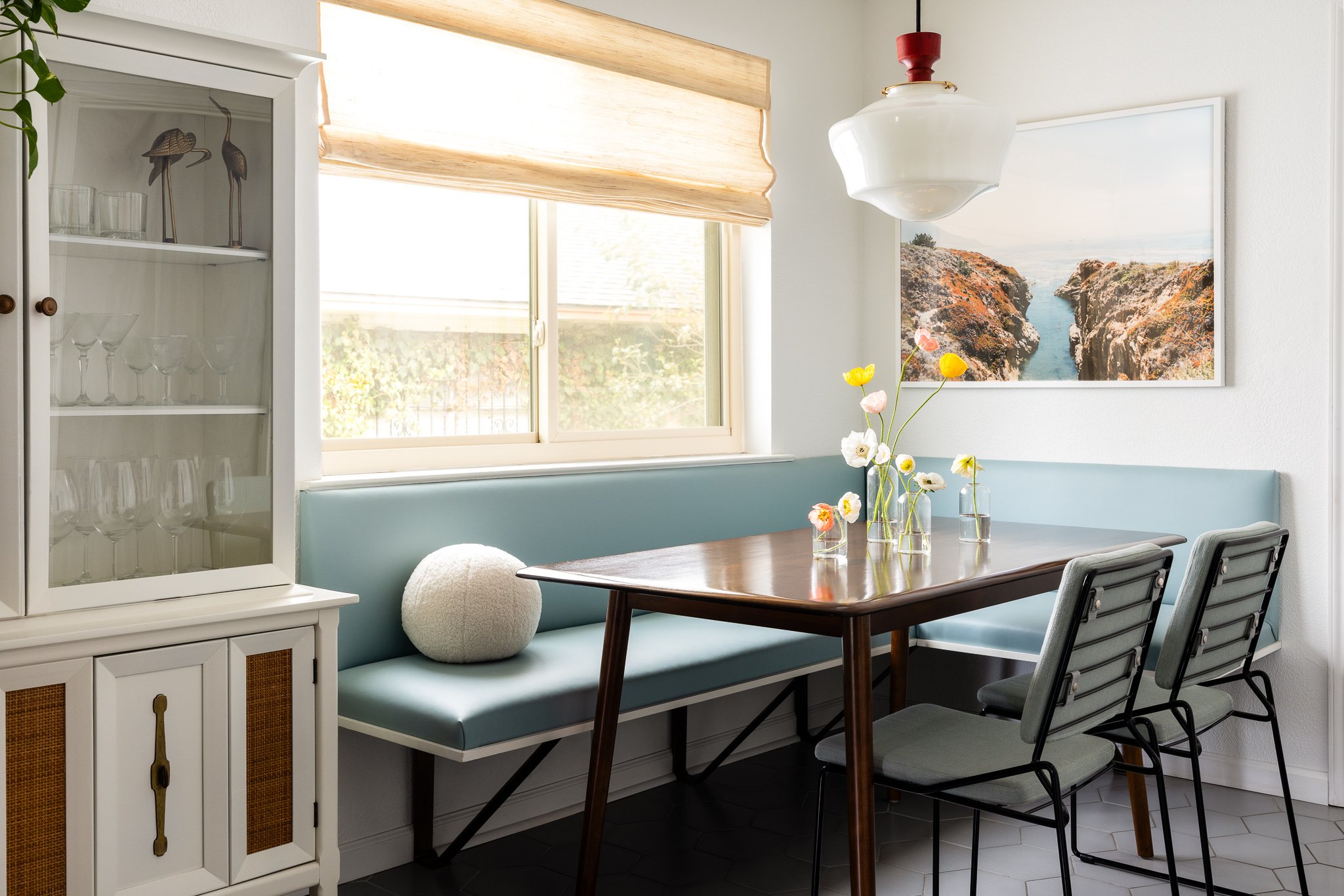
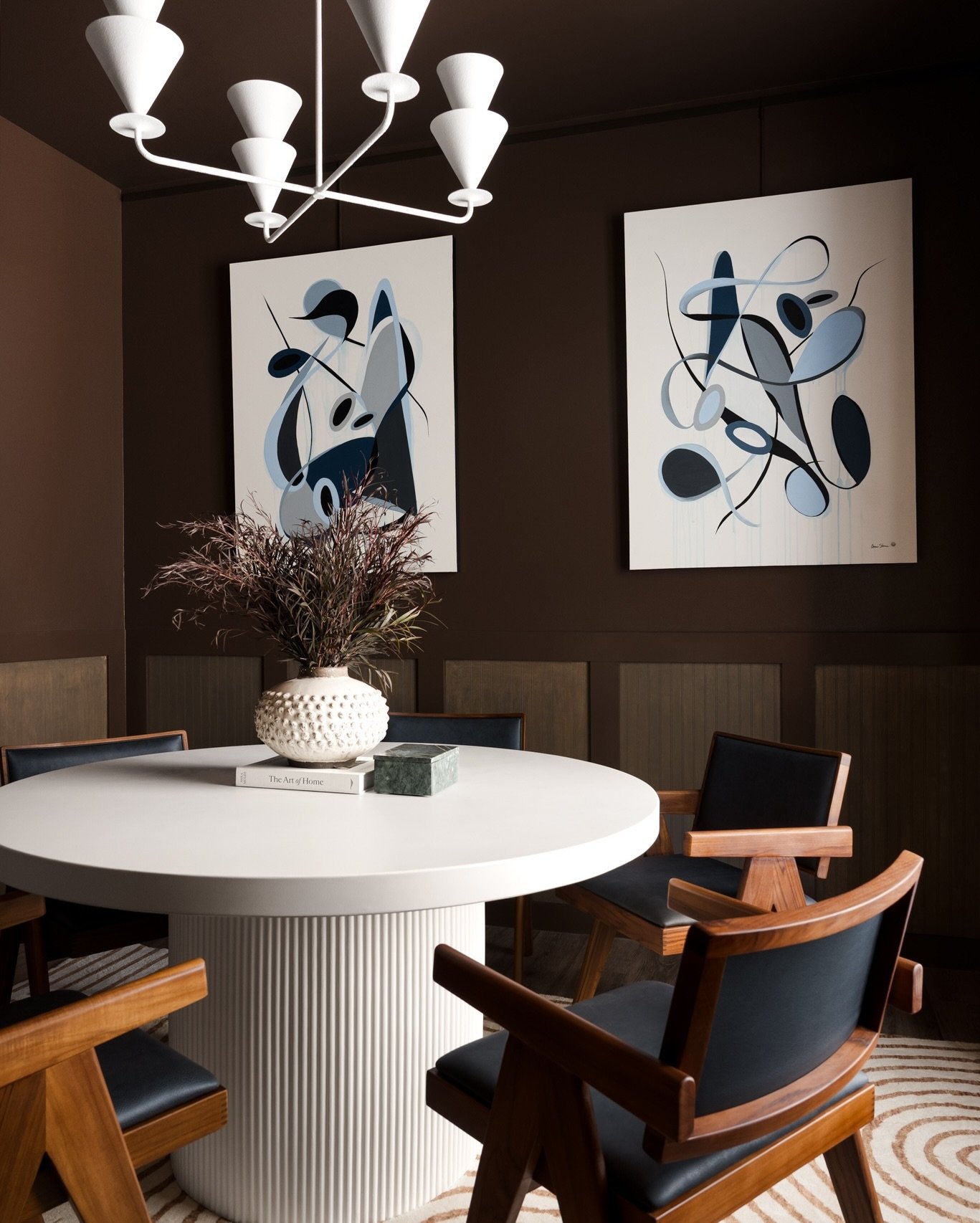
Less is truly more in both of these vignettes where layering too many objects would take away from the chairs, and the corresponding accessories.

Styling Principle 05
Create Interest Through Contrast
Some of the most memorable interiors don't rely on matching everything perfectly—they create interest by thoughtfully layering pieces from different styles, materials, and eras.
A vintage ceramic vase on a contemporary dining table. A sculptural marble lamp resting on a mid-century dresser. An antique stool paired with clean-lined millwork. These unexpected combinations create depth and give a space personality without feeling forced.
What ties these pieces together isn't that they belong to the same design style, but that they share a common color palette, scale, or material story. Those subtle connections allow contrasting elements to feel intentional rather than random.
The result is a home that feels collected over time instead of purchased all at once.


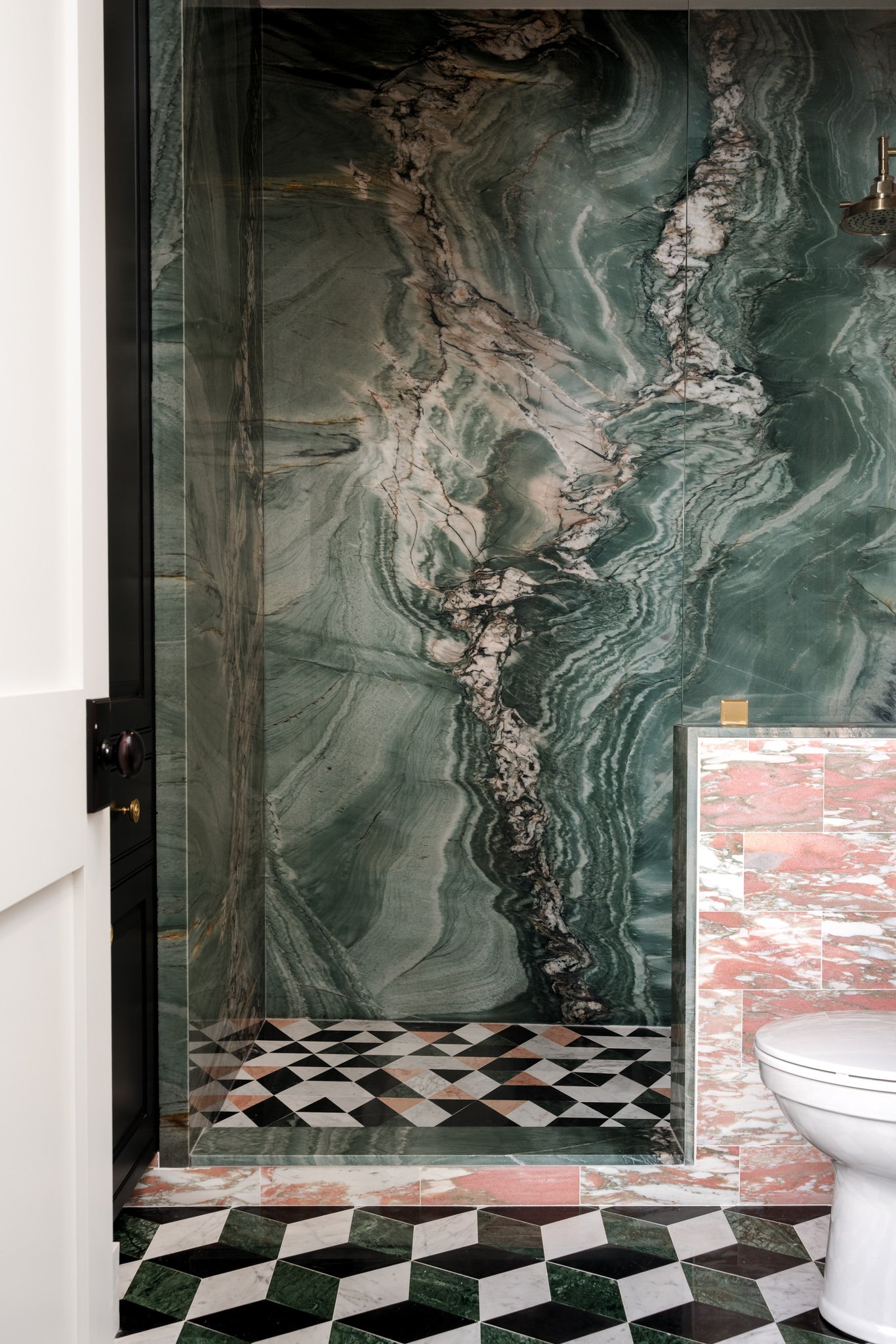
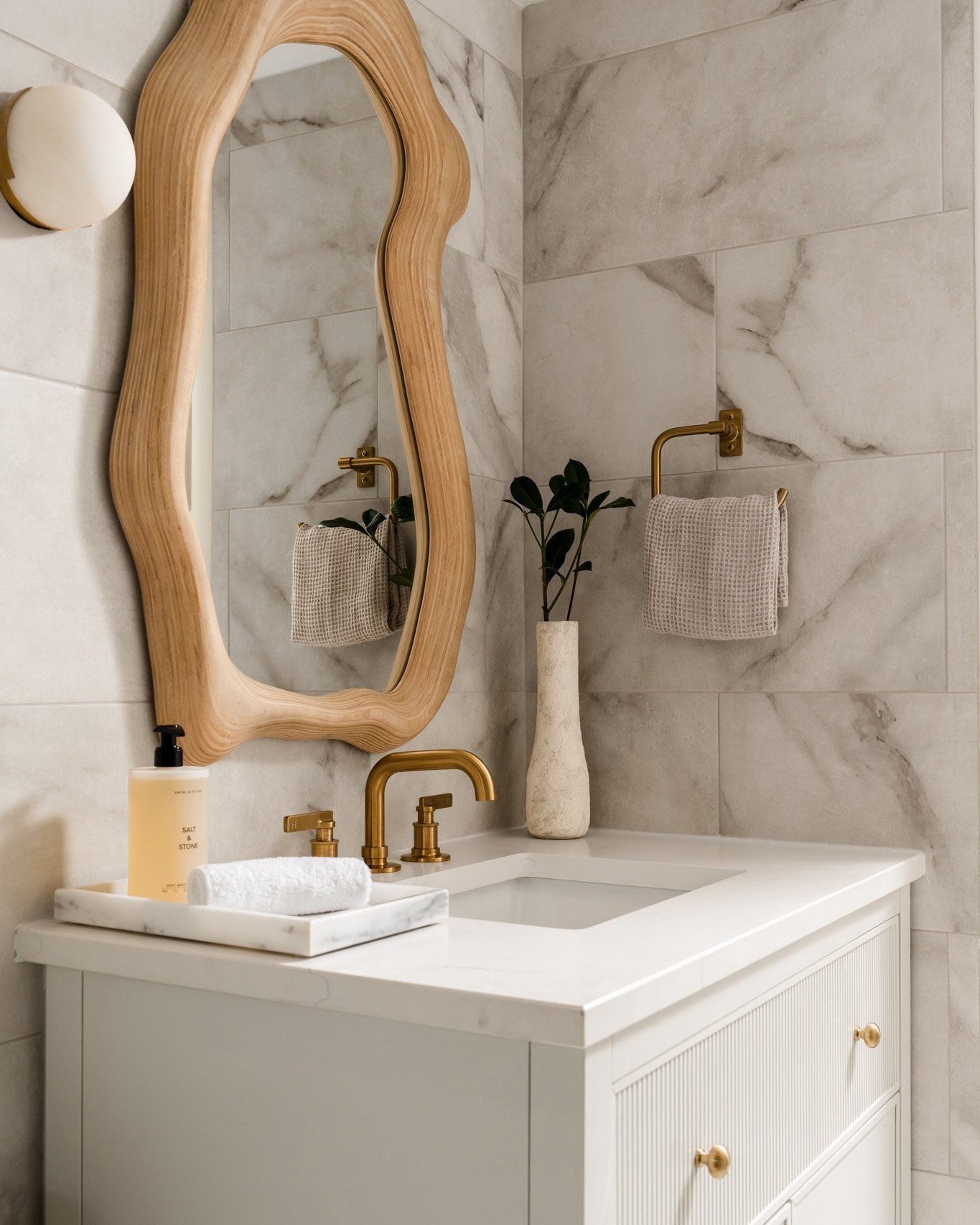
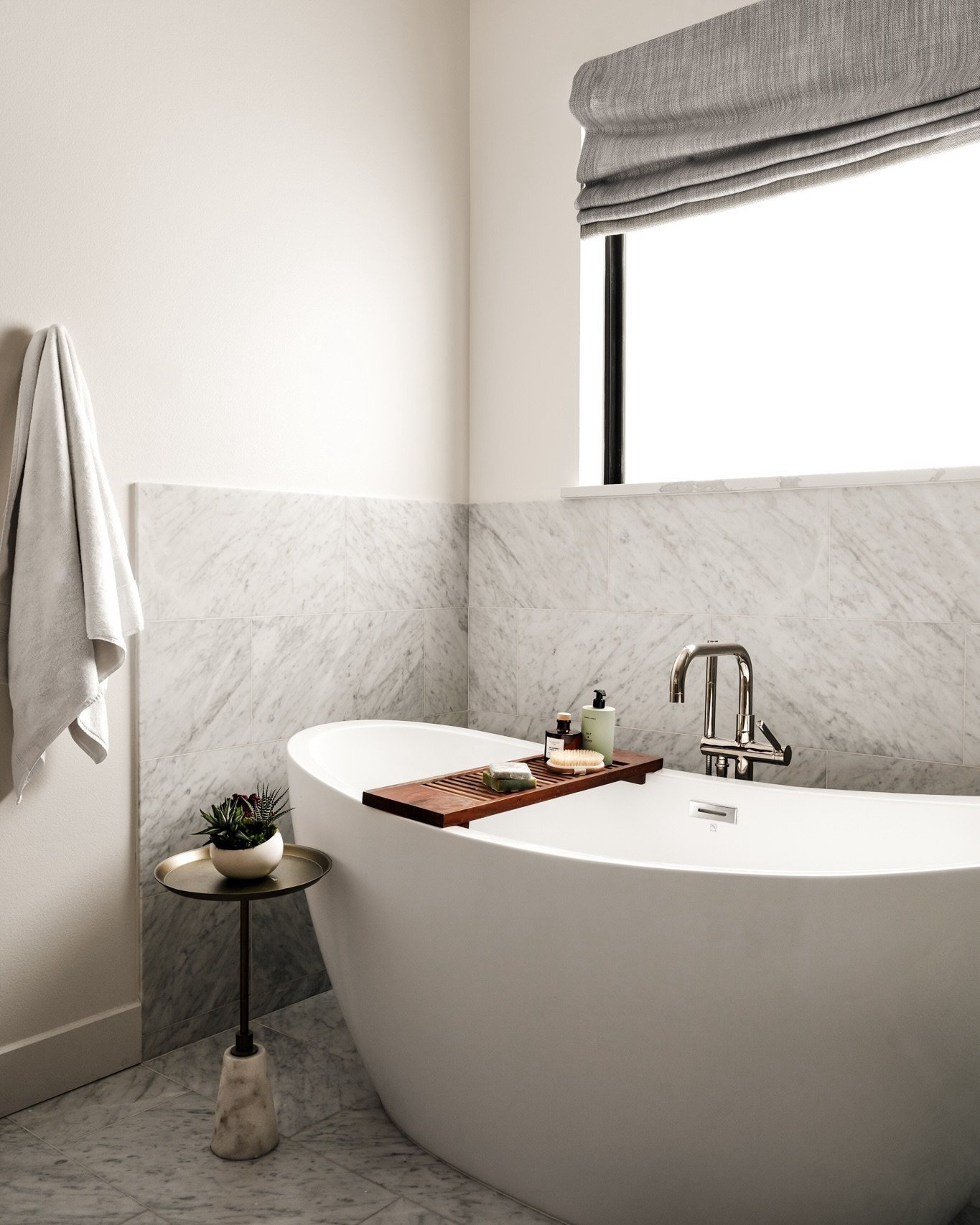
The branches, high heel shoes, and open book bring a lived-in, relaxing vibe to this primary bathroom. Something old and something new adds much needed visual interest. The foraged flowering branches, and vintage vase help to suggest the new yet lived-in vibe on top of this modern console table in this entryway.

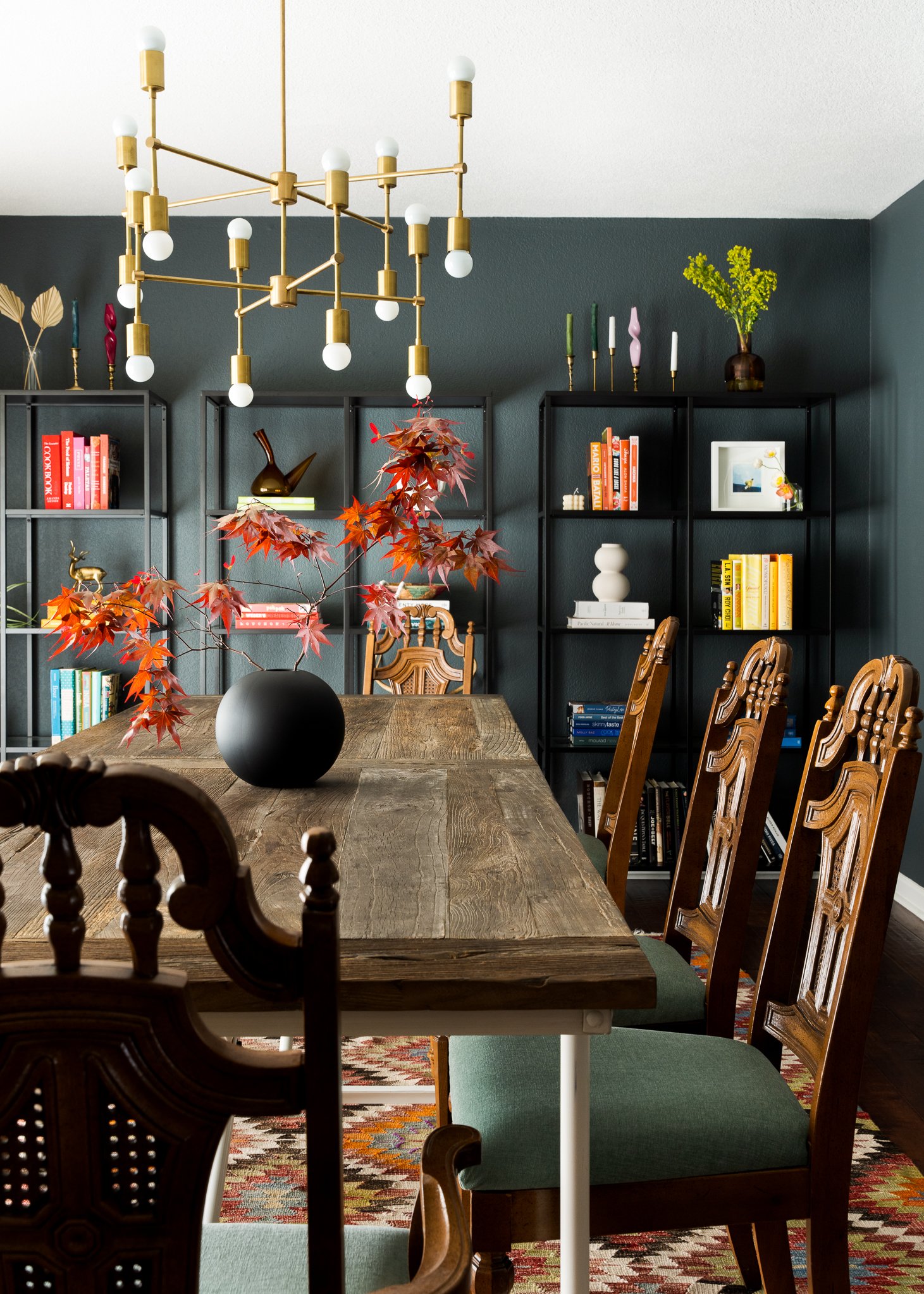
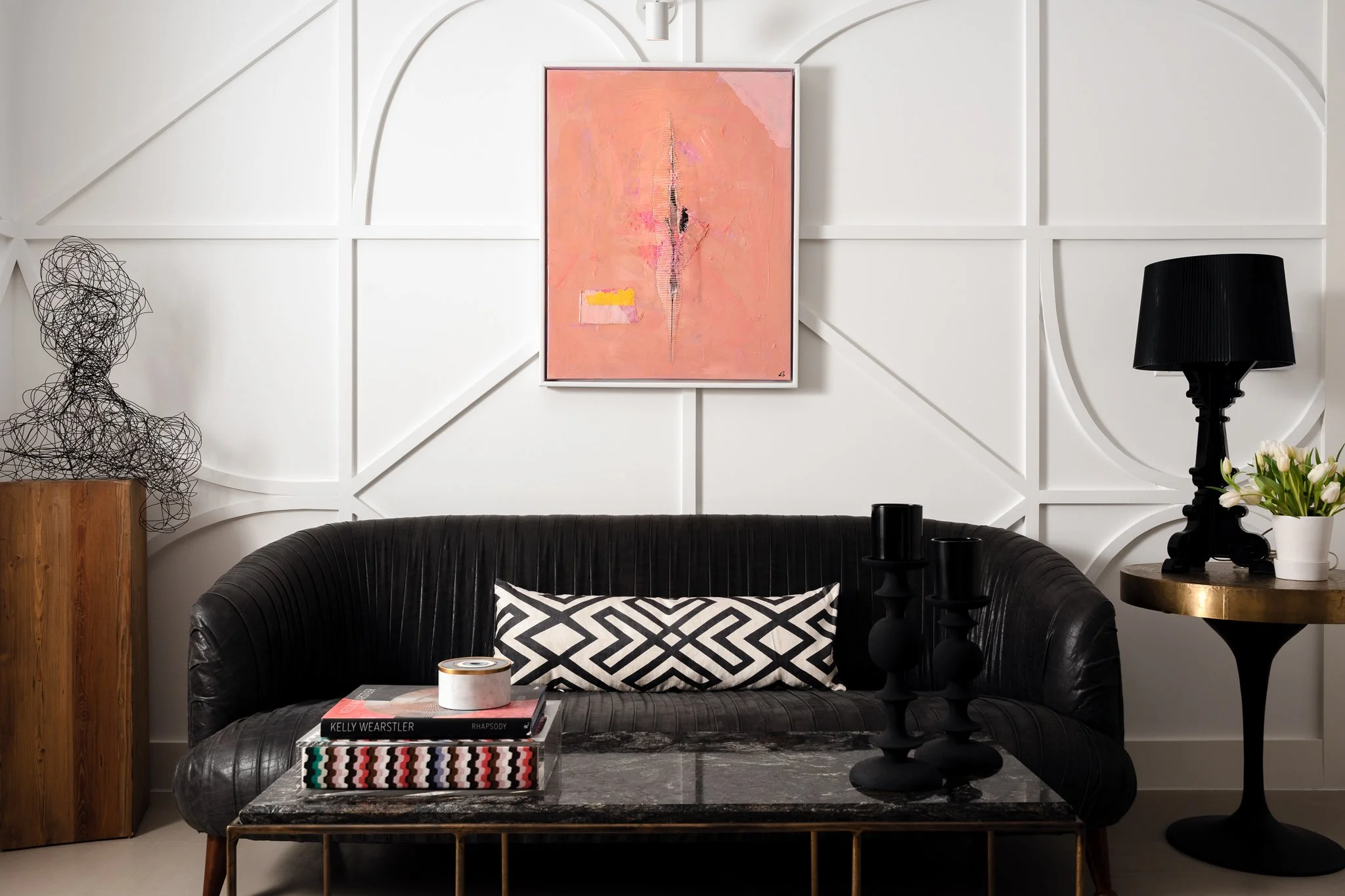
A mix of textures, colors, and various period elements make for an eye-catching image in this guest bedroom. The eclectic aesthetic of this colorful dining room is reinforced by the styling choices on the bookcases.
A Styling Kit Worth Building
Whether you're styling your own projects or working alongside a professional stylist, having a small collection of versatile accessories makes photography day significantly easier.
You don't need an endless inventory—just a thoughtful selection of pieces that can move from room to room and complement a variety of design styles.
My Go-To Styling Essentials
🌿 Fresh Florals & Greenery
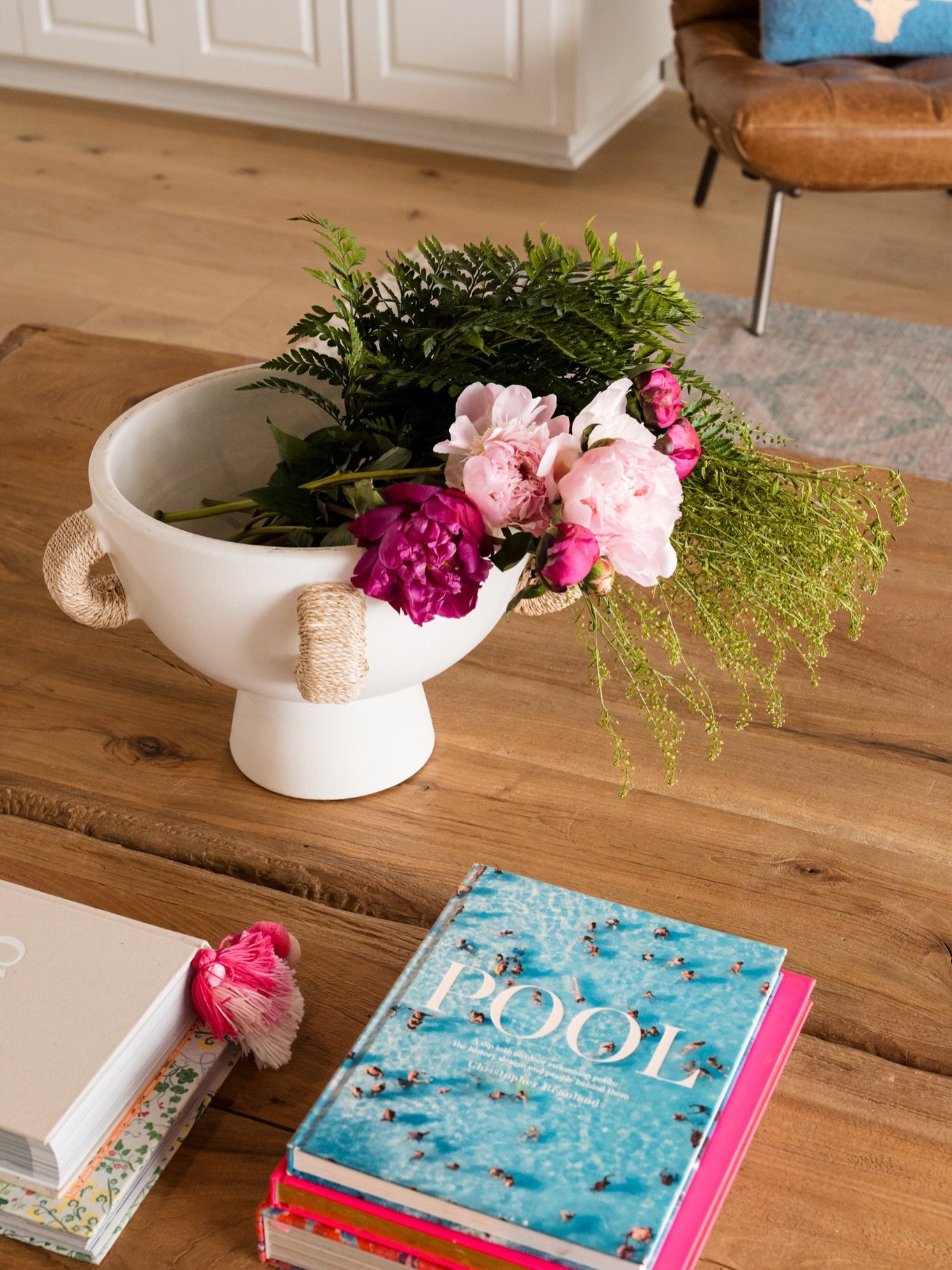
Fresh stems instantly introduce shape, texture, and a sense of life. Even a single branch or a few clipped stems can soften hard architectural lines and bring movement to a photograph.
🏺 Vases & Decorative Bowls
Bring a variety of sizes, shapes, and materials. A vessel that feels oversized in one room may become the perfect finishing touch in another.
📚 Books
Large coffee table books, smaller hardcovers, and linen-bound books are incredibly versatile. They add height, create layers, and can elevate smaller accessories throughout a space.
🍋 Food & Beverages
Fresh produce, artisan bread, herbs, wine, coffee, or ingredients for a simple recipe can help create authentic lifestyle moments. Think about color, texture, and scale—not just the food itself.
🧺 Textiles
Throw blankets, hand towels, decorative pillows, and fresh bedding can soften a room, introduce texture, and disguise small imperfections when needed.
🍽 Kitchen Styling Pieces
Beautiful dishes, serving boards, glassware, linen napkins, a Dutch oven, copper cookware, or ceramic serving bowls are staples I see used repeatedly during interior photography sessions.
🧰 The Styling Toolkit
A few practical tools often become just as valuable as the accessories themselves.
I always recommend having:
Garment steamer
Scissors
Garden shears
Gaffer tape
Museum putty
Floral frogs
Tape measure
Microfiber cloths for fingerprints and dust
Extension cord and phone charger
Small step stool (especially for styling shelves)
Final Thoughts
Thoughtful styling isn't about filling every surface or following a checklist.
It's about understanding what supports the design, removing what doesn't, and creating photographs that communicate the intention behind the space.
After photographing hundreds of interiors, one lesson has remained consistent: the strongest images rarely come from adding more—they come from making thoughtful decisions about what deserves to stay.
Whether you're working with a professional stylist or preparing the project yourself, a little planning before photography day allows us to spend less time solving problems and more time creating images that will support your portfolio, marketing, and publications for years to come.
Follow Along on Instagram
Recent projects, behind-the-scenes moments, and a closer look at the spaces, details, and designers I have the opportunity to photograph.
Ready to Photograph Your Next Project?
Every photography session includes Creative Production Planning to help you prepare your spaces, develop a shot list, and create imagery that supports your portfolio, marketing, and publication goals.
Start a conversation to discuss your project, timeline, and photography needs.