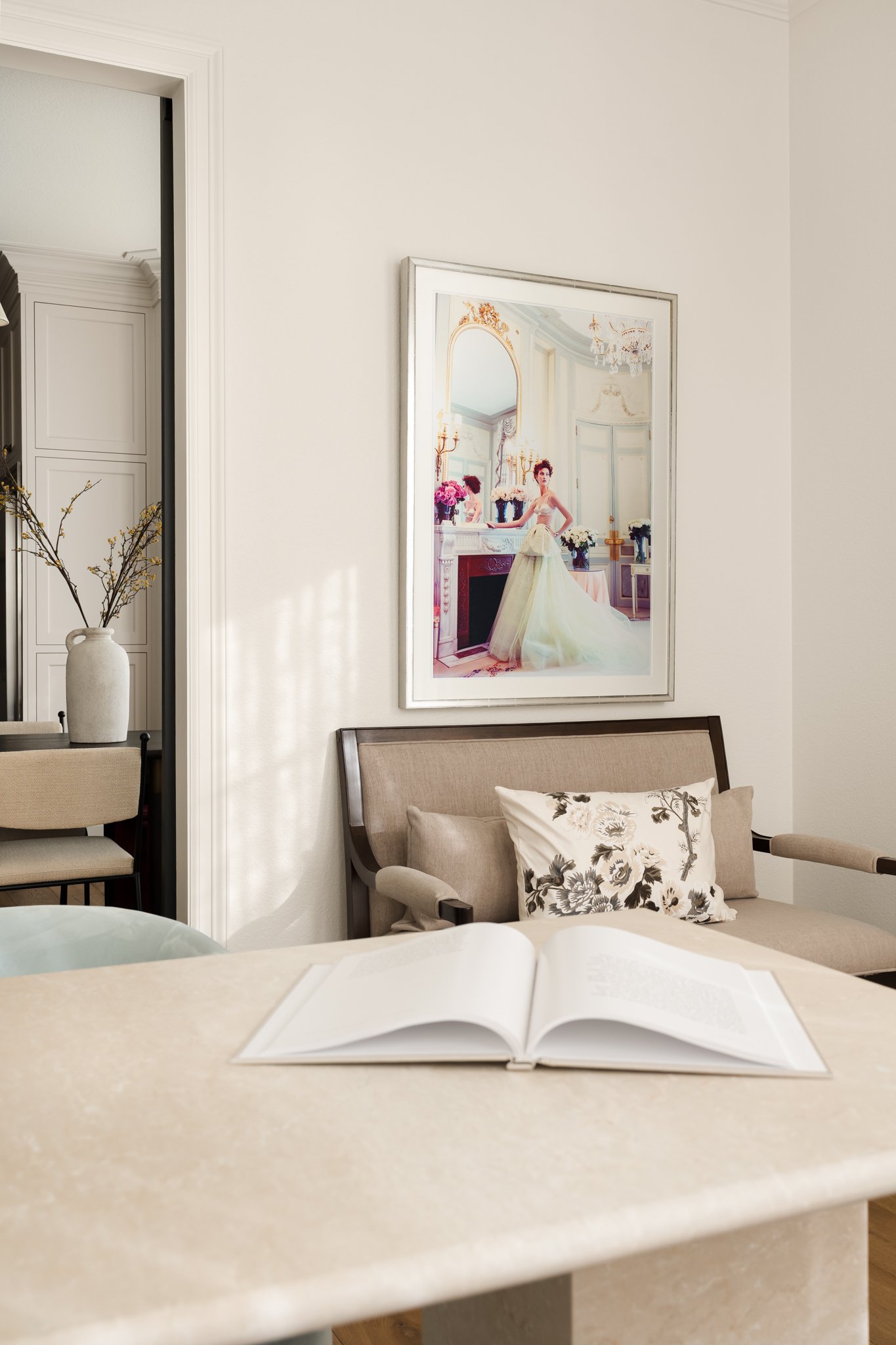
What to Expect During an Interior Design Photoshoot
From creative planning to the final image collection, a look at how an interior photography project comes together.
By Stacy Markow
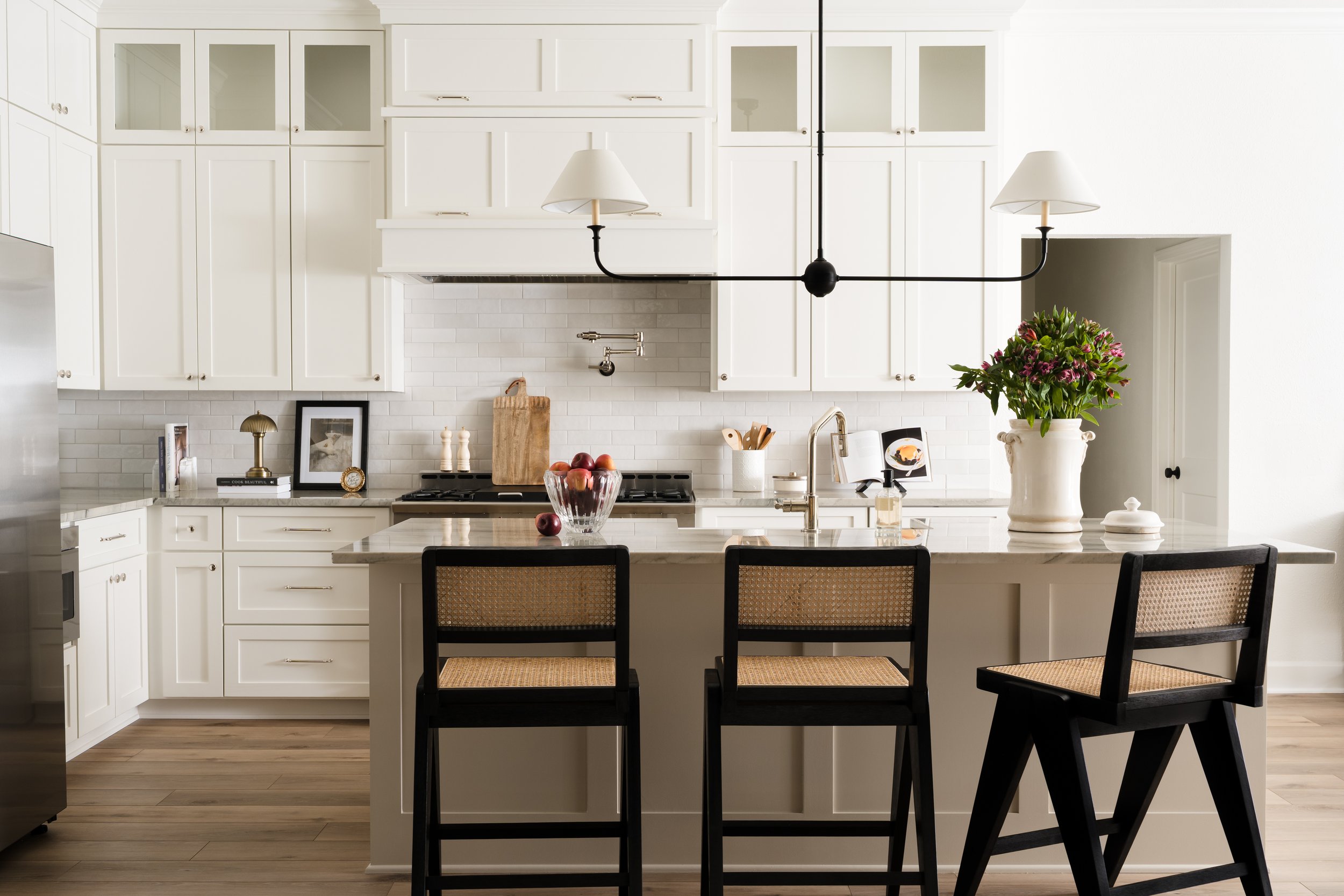
Photographing a finished interior is about much more than arriving with a camera and working through a list of rooms.
The strongest photographs begin before shoot day, with an understanding of the design, the details that matter, and how the imagery ultimately needs to support your business.
Whether we're photographing a single room, an entire residence, or a commercial space, my process is intentionally collaborative. We plan what matters before the session, refine each composition together on set, and create a collection that tells the story of the project rather than simply documenting it.
Here’s what that process looks like.
Before the Photoshoot: Creative Production Planning
Every project begins with Creative Production Planning.
Before the session, we'll walk through the project together, either in person or virtually, and talk about the spaces you want photographed, the details you want documented, and where you hope the finished imagery will go.
That might include your portfolio and website, social media, editorial submissions, awards, press opportunities, or broader marketing.
From there, we begin building the visual plan for the day.
We'll consider:
The spaces and design details that are most important to photograph
Hero images and supporting compositions
Horizontal and vertical orientation needs
Connections between rooms
Materials, craftsmanship, and custom details worth documenting
Styling and preparation
Potential editorial or publication opportunities
The overall flow and timeline for the session
The goal isn't to create an unnecessarily rigid shot list. It's to make sure we arrive with a clear understanding of what matters, while leaving enough room to respond to the space once we're actually standing in it.

Preparing the Space
A beautifully designed room and a beautifully photographed room aren't always exactly the same thing.
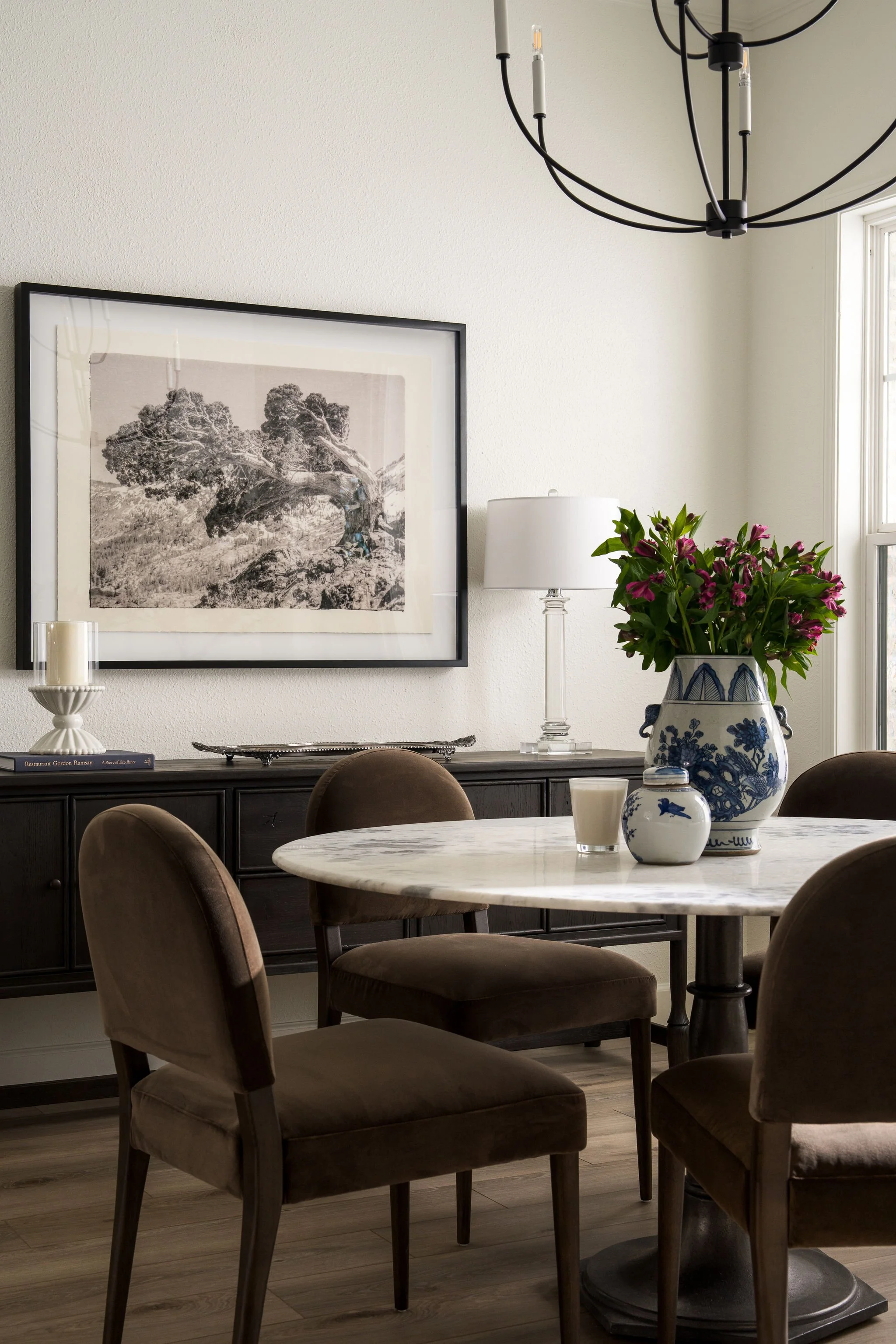
Once the camera is in position, small details become much more noticeable. A chair may need to move several inches. A lamp might need to shift. Accessories may be added, removed, or repositioned to create better balance within the frame.
Before the session, you'll receive guidance for preparing the project so we're not spending valuable photography time handling things that could have been addressed beforehand.
Then, on set, we make the final adjustments together.
This isn't about changing the design. It's about translating the design into a two-dimensional photograph while preserving what made the room compelling in the first place.
Building Each Composition
I generally begin with the photographs that establish the space.
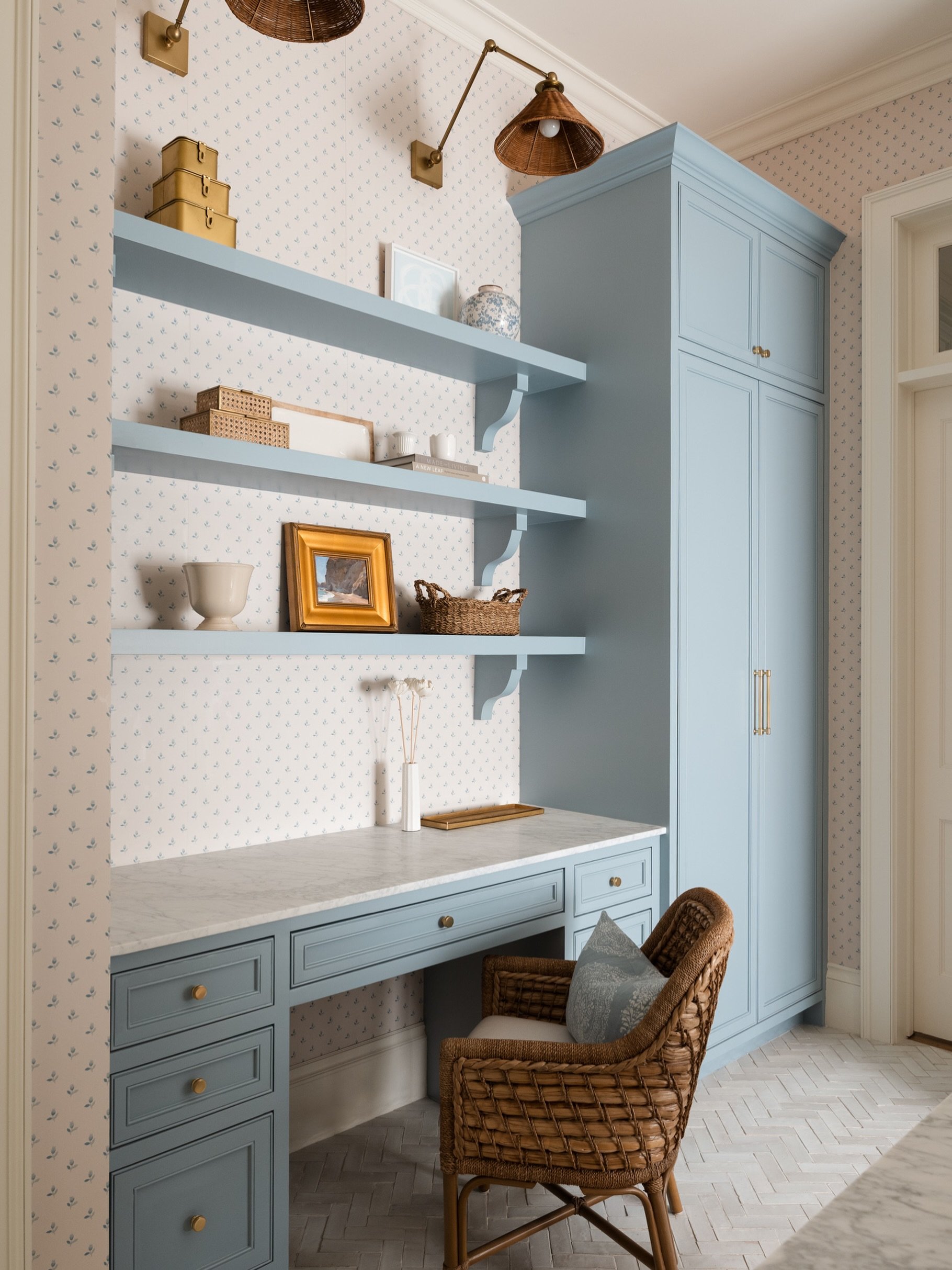
These are the full-room views and stronger architectural compositions that communicate layout, scale, and the relationship between the major design elements.
From there, we begin moving inward.
A complete collection might include:
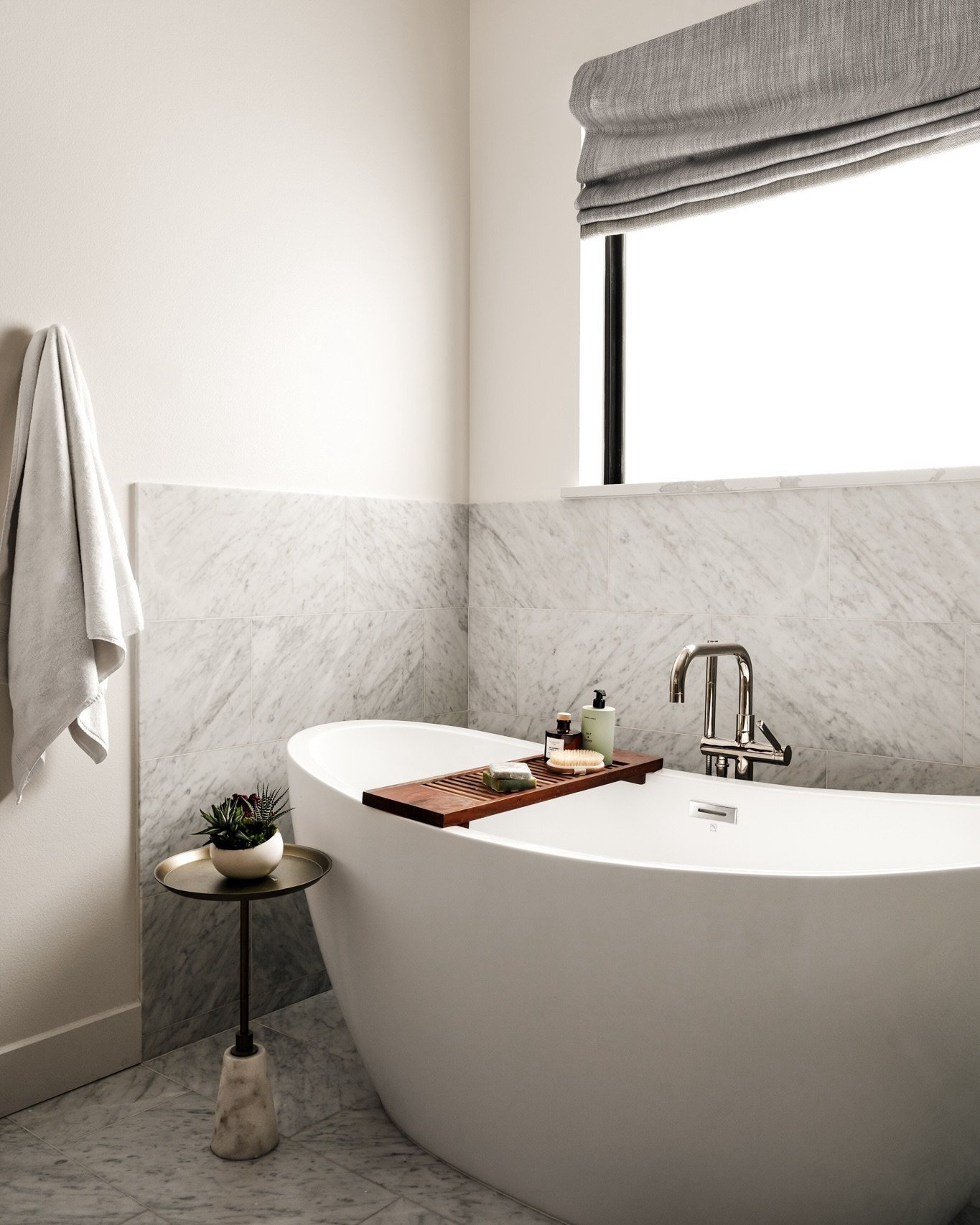
Full-room hero images
The photographs that immediately establish the space and often become portfolio anchors.
Alternate perspectives
Additional viewpoints that reveal relationships between rooms, architectural elements, or different zones within a larger space.
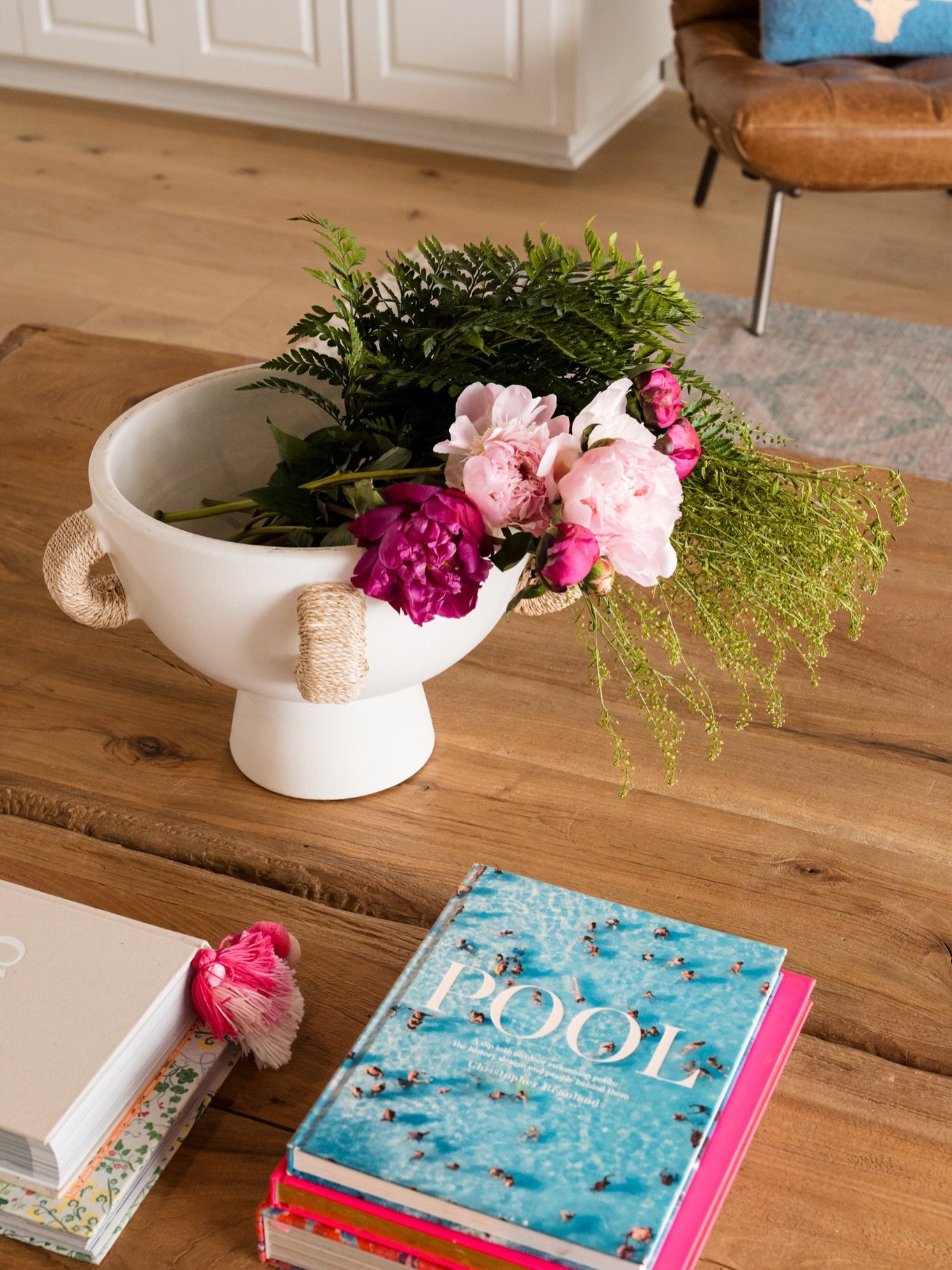
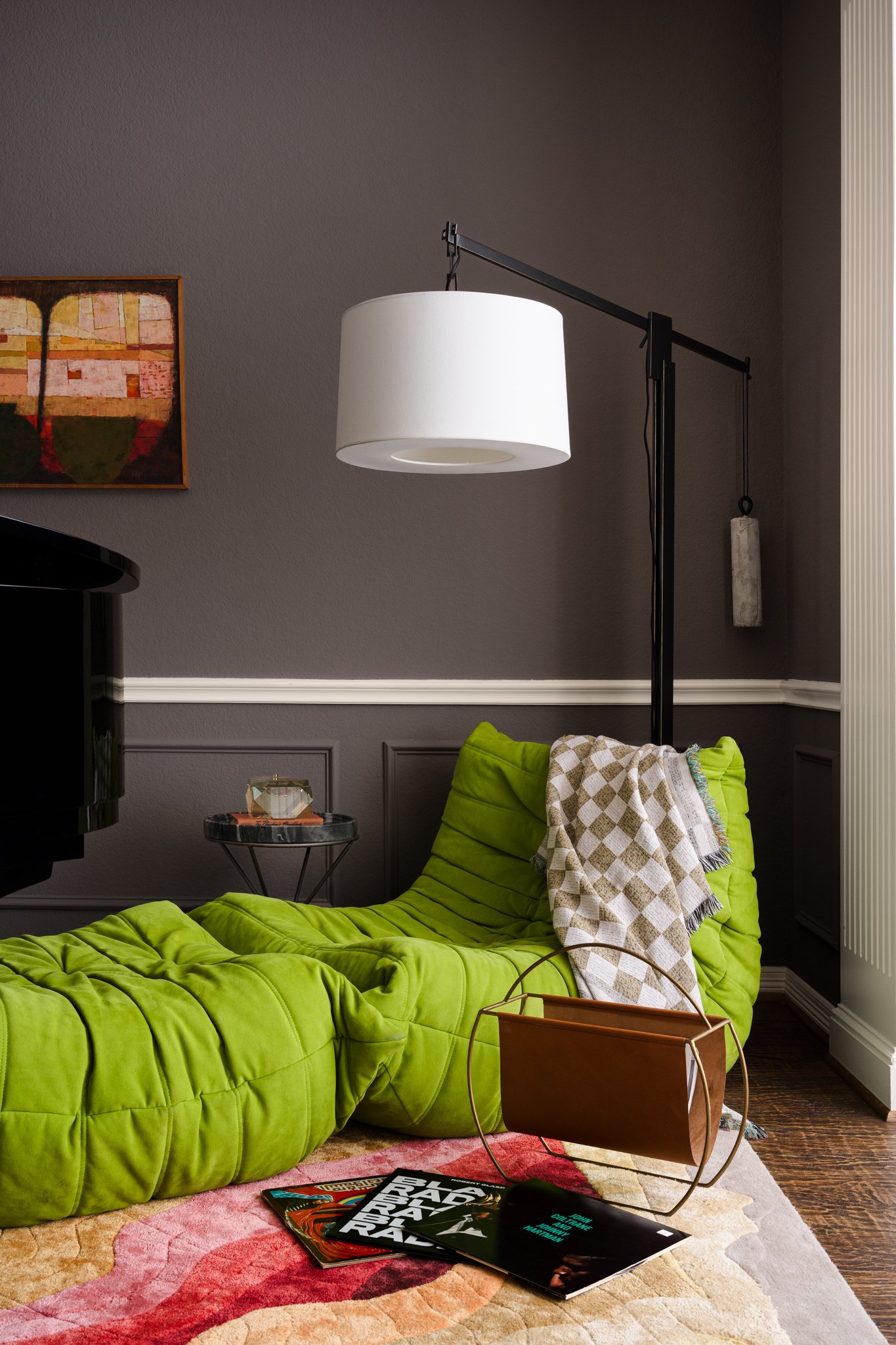
Vignettes
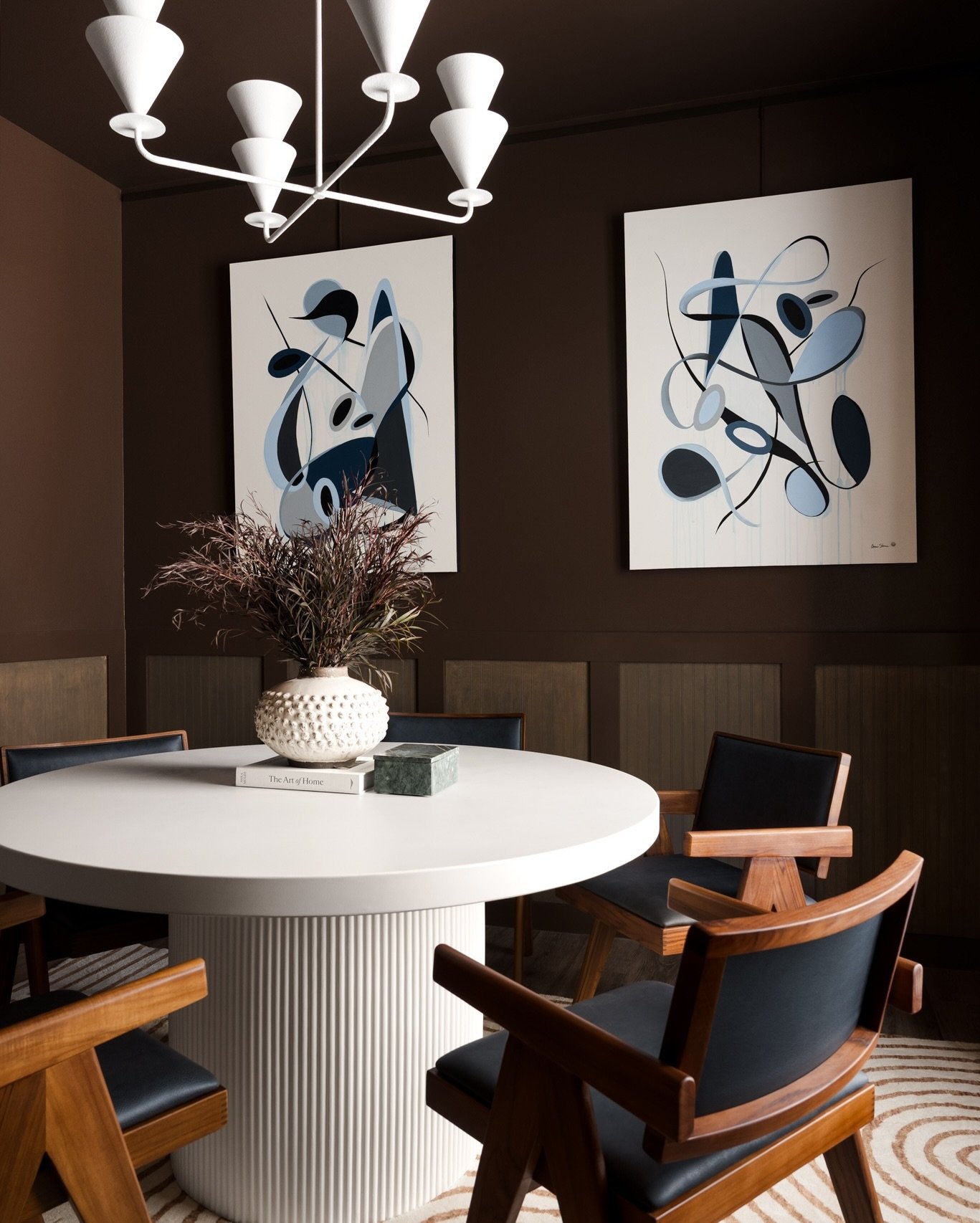
More intimate compositions that highlight furniture groupings, styling, art, or smaller design moments.
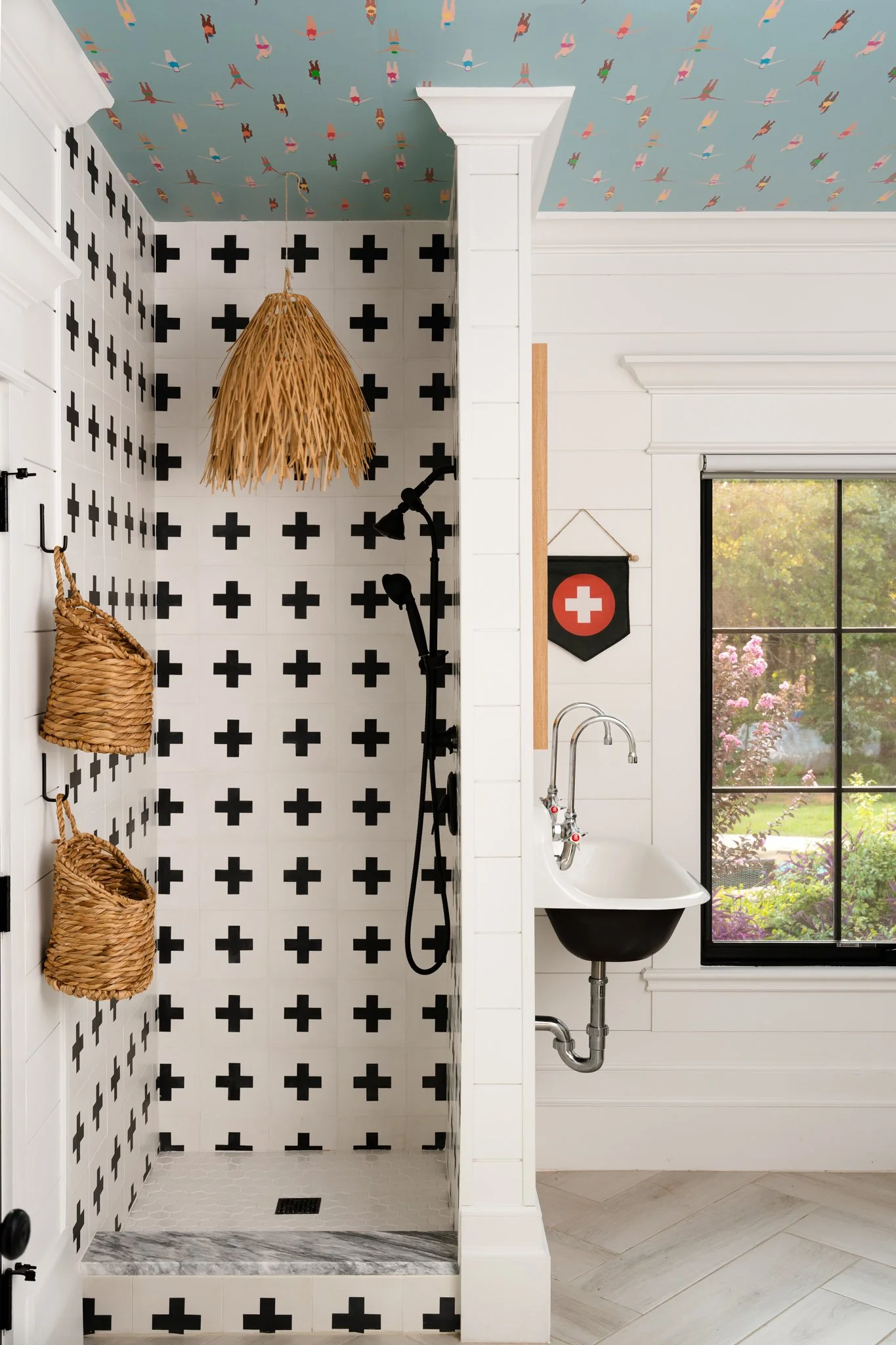
Details
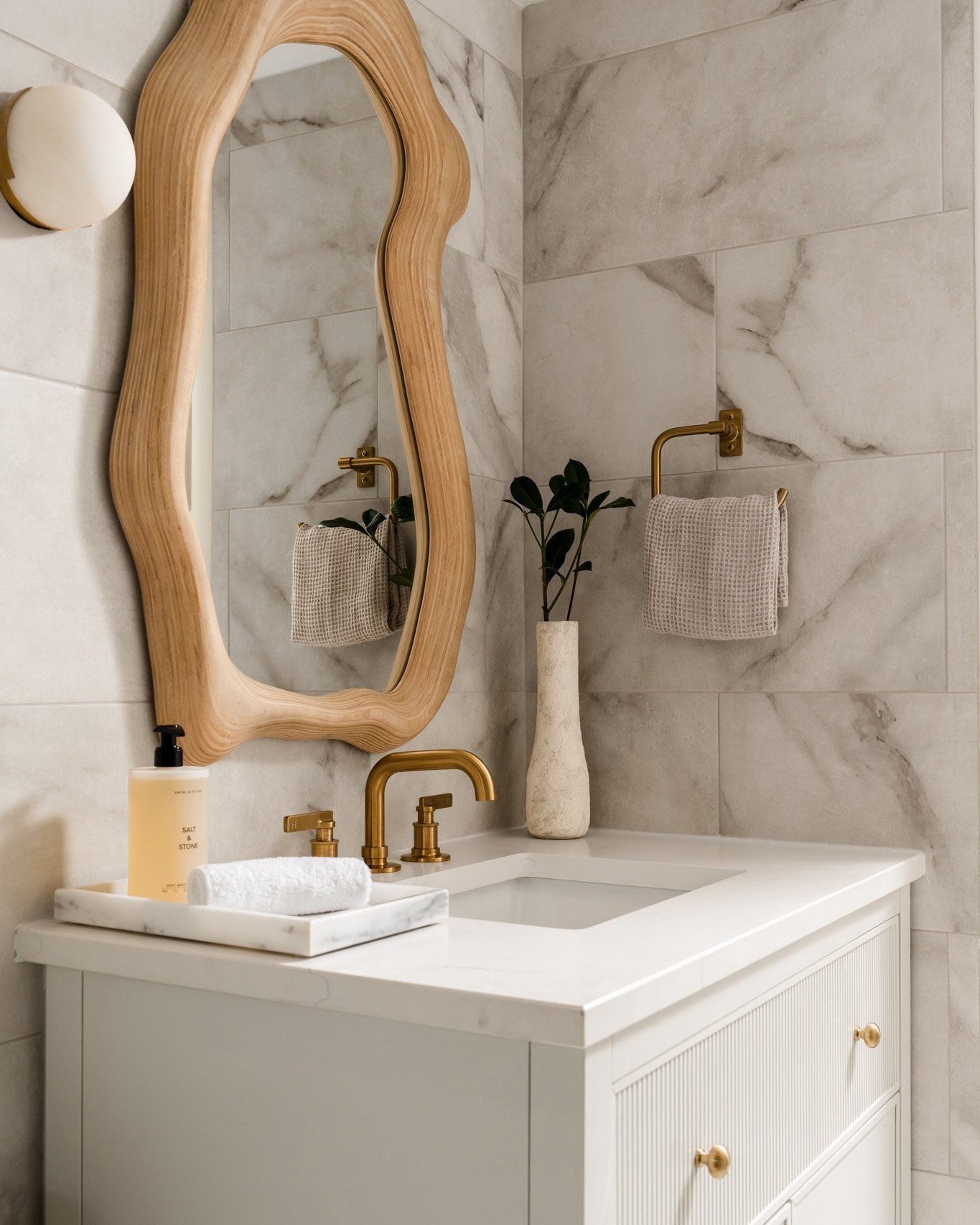
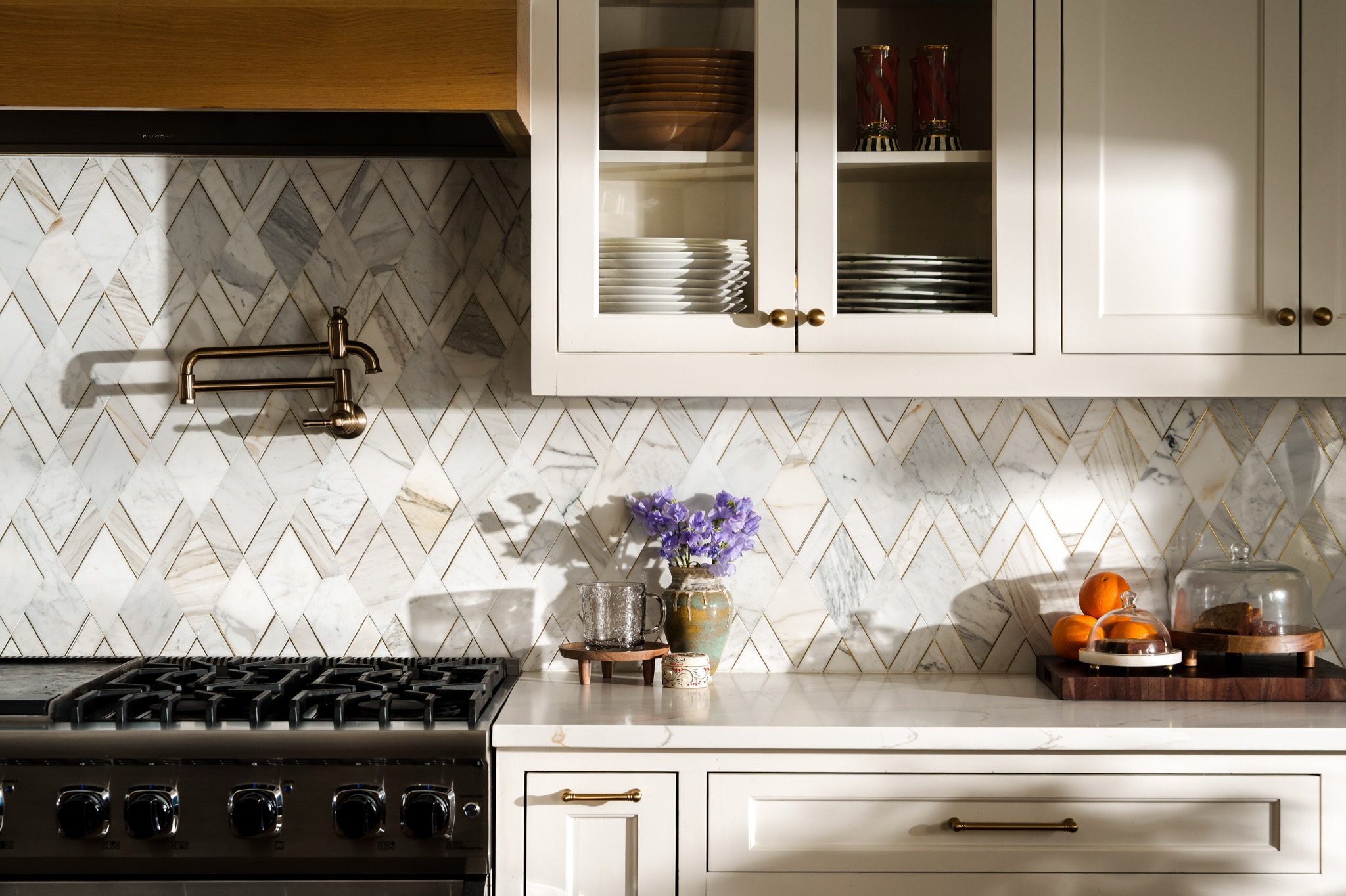
Materials, hardware, millwork, stone, tile, textiles, lighting, and the craftsmanship that might otherwise disappear in a wider photograph.
Together, these images create a more complete visual story of the project.


Reviewing Images Together on Set
One of the most important parts of my process is photographing tethered.
As I work, images appear on a larger screen so we can evaluate them together rather than relying on the back of the camera.
That allows us to notice the things that are easy to miss in the moment: the angle of a chair, a reflection in a mirror, the way two objects overlap, or whether an important design feature needs more emphasis.
It also gives you a chance to see the collection developing throughout the day.
You don't have to wonder whether we've captured the project successfully. You're part of the process as we build it.
The Pace Is Intentional
Interior photography isn't particularly fast, and that's by design.
A single composition may require moving furniture, adjusting styling, refining the camera position, shaping the light, reviewing the image, and making several small changes before everything comes together.
Those details matter.
I'd rather spend the time creating a photograph that becomes a defining image in your portfolio than rush through a room simply to produce more photographs.
At the same time, Creative Production Planning gives us a framework for the day so we're spending that time where it has the greatest impact.


After the Photoshoot
Once the session is complete, the photographs move into post-production.
The final images are carefully refined with particular attention to color accuracy, lighting, perspective, and distracting elements while preserving the character of the materials and finishes you selected.
My goal isn't to make a space look artificially perfect or dramatically different from reality.
The finished photograph should still feel like the room you designed, simply translated through a more intentional lens.
Your final collection is then delivered through an online gallery, ready to begin working across your portfolio and marketing.
The Photoshoot Is Only the Beginning
The real value of professional interior photography isn't limited to the day we create it.
A strong collection can become part of your website, social media, project announcements, editorial pitches, award submissions, press features, presentations, and future marketing for years to come.
That's why I approach each project by asking not only what should we photograph?
But also:
What do these photographs need to do for your business once we create them?
That question influences everything from the compositions we prioritize to the orientations we capture and the details we make sure aren't overlooked.
Planning an Interior Photography Project?
If you have a recently completed project in Dallas, Austin, or beyond, I'd love to hear about it.Every session begins with understanding the project, your priorities, and how you want the finished imagery to support your work.
Follow Along on Instagram
Recent projects, behind-the-scenes moments, and a closer look at the spaces, details, and designers I have the opportunity to photograph.