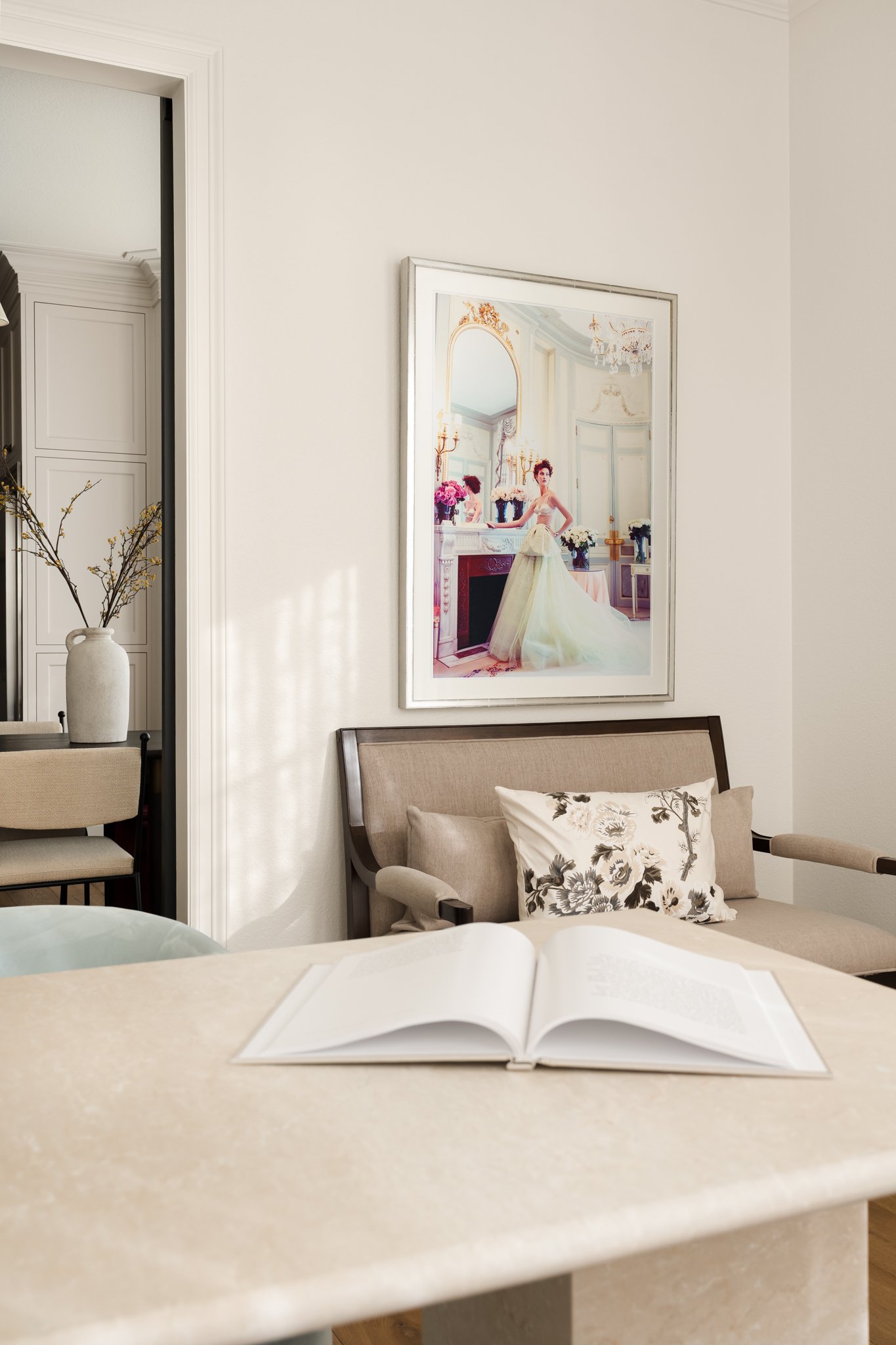
Why an Editorial Approach Matters in Interior Design Photography
Thoughtful interior photography does more than document a finished space. An editorial approach creates a layered visual story designed to support your portfolio, marketing, and publication opportunities.
By Stacy Markow

Interior Photography Should Tell the Story of the Design
A beautifully designed interior is rarely about a single room or one perfect photograph.
It is the relationship between architecture, materials, furnishings, color, pattern, light, and the smaller details that make a space feel personal. Strong interior photography should communicate those relationships while preserving the designer's point of view.
That is where an editorial approach to interior photography becomes valuable.
Rather than simply documenting what a space looks like, editorial photography considers how a collection of images works together to tell the story of the project.
What Does Editorial Interior Photography Mean?
Editorial interior photography is built around visual storytelling.
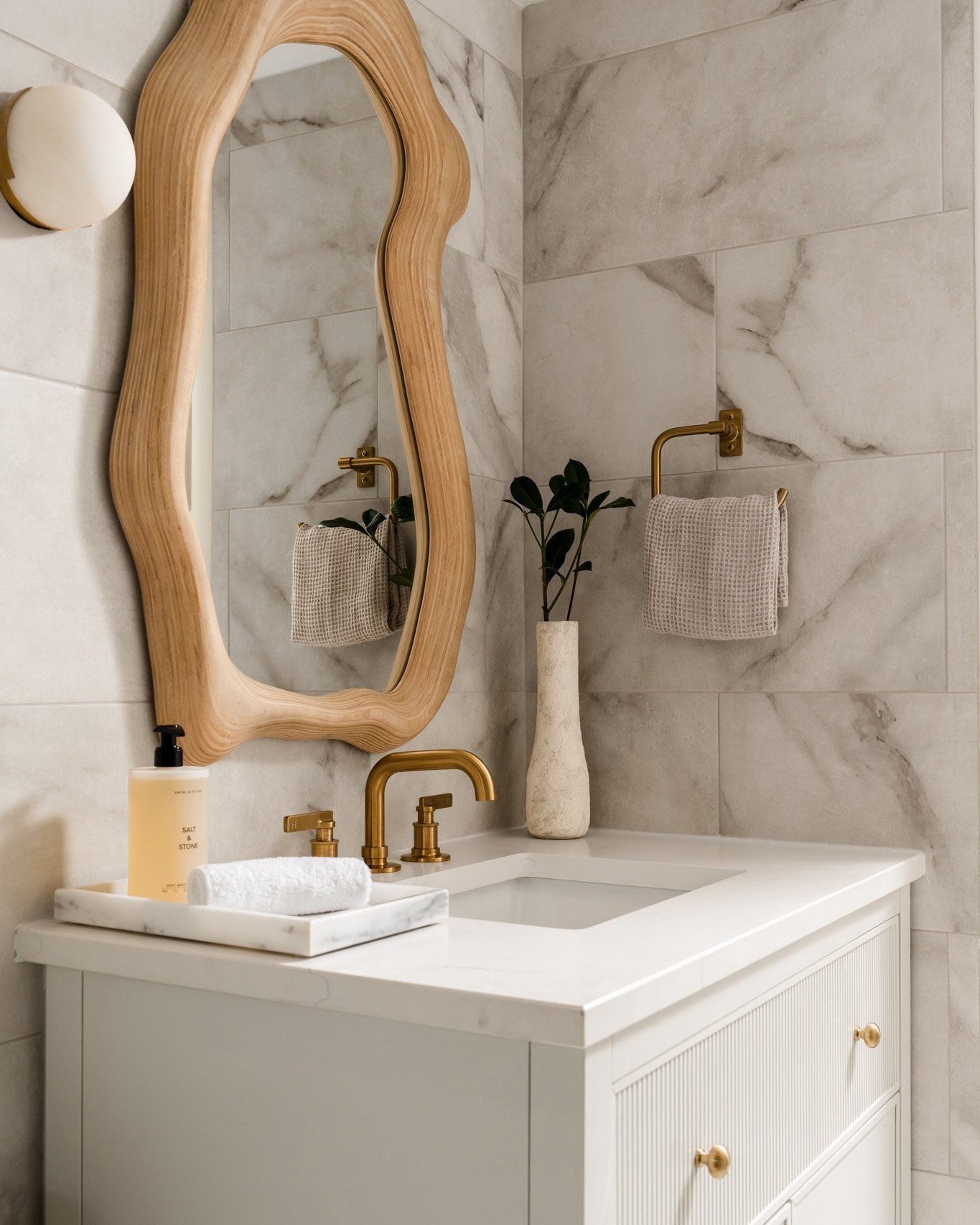
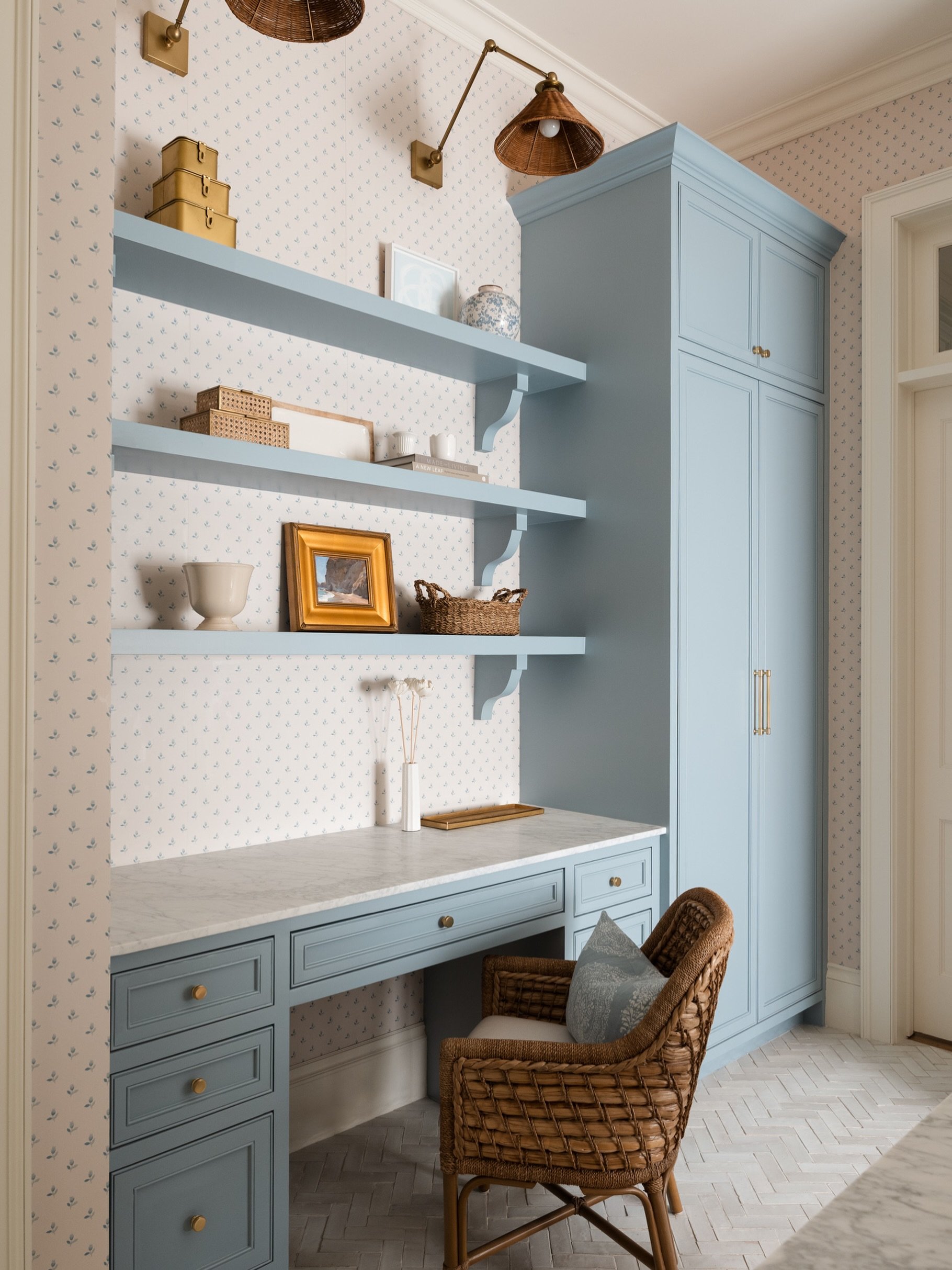
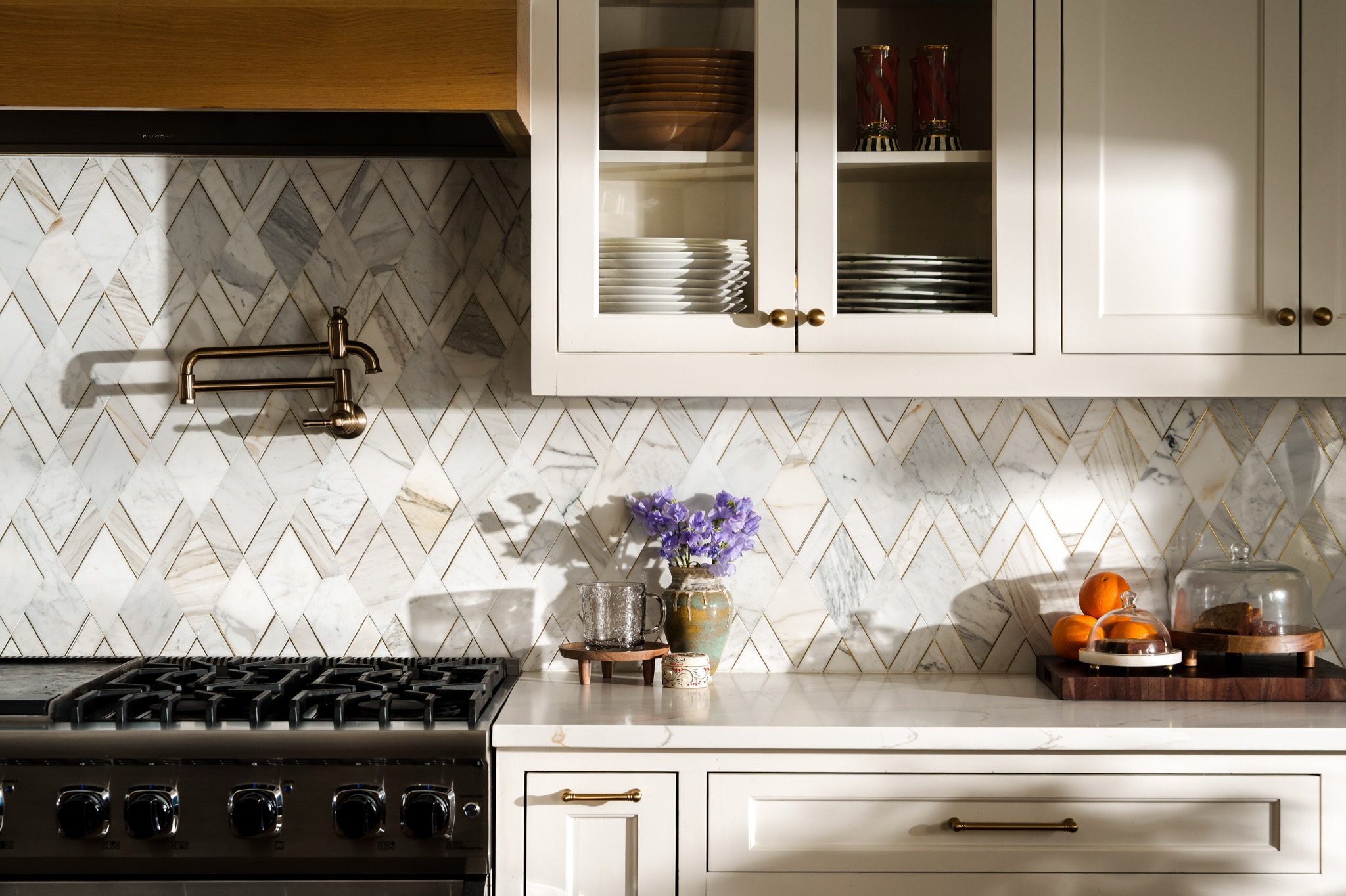
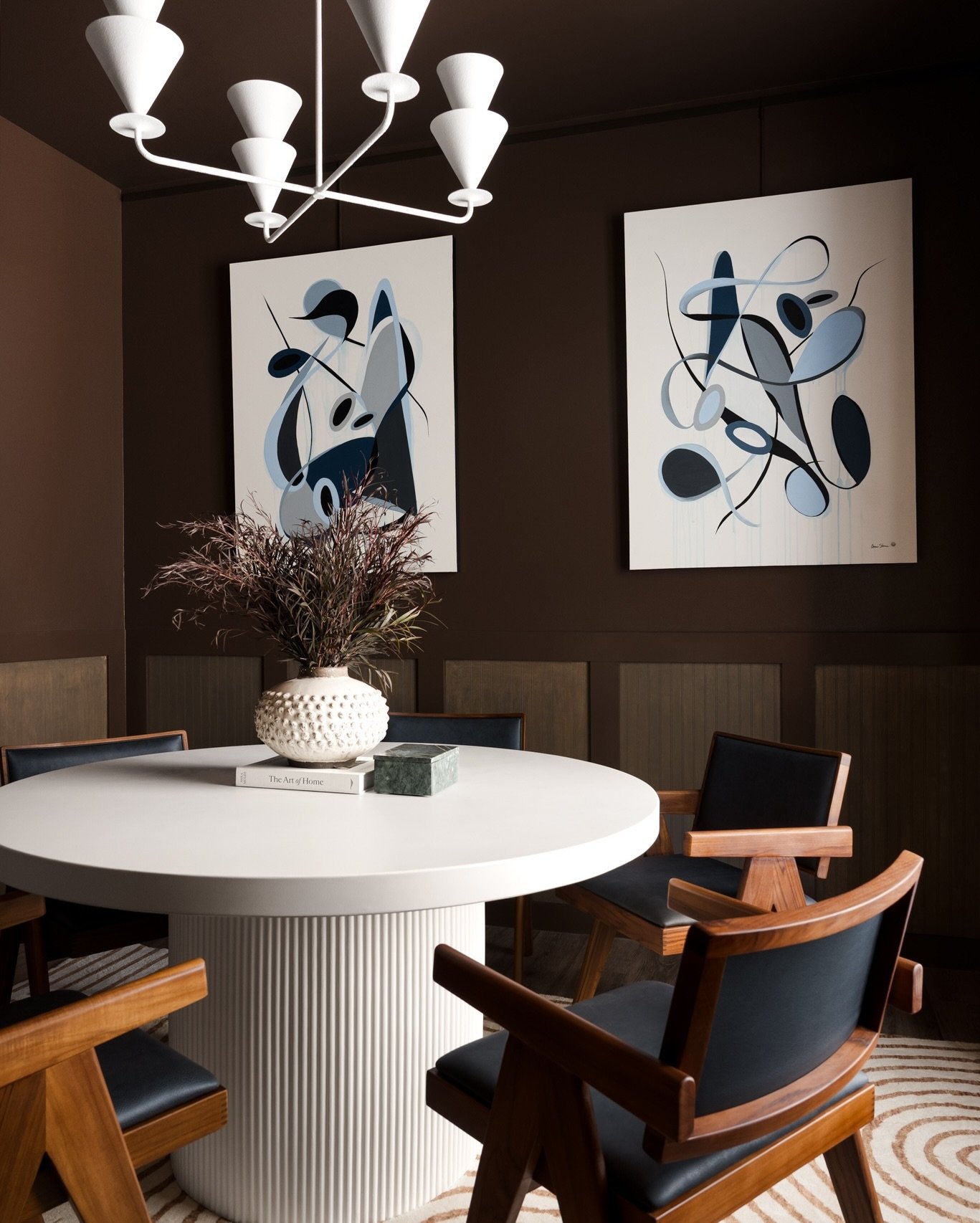
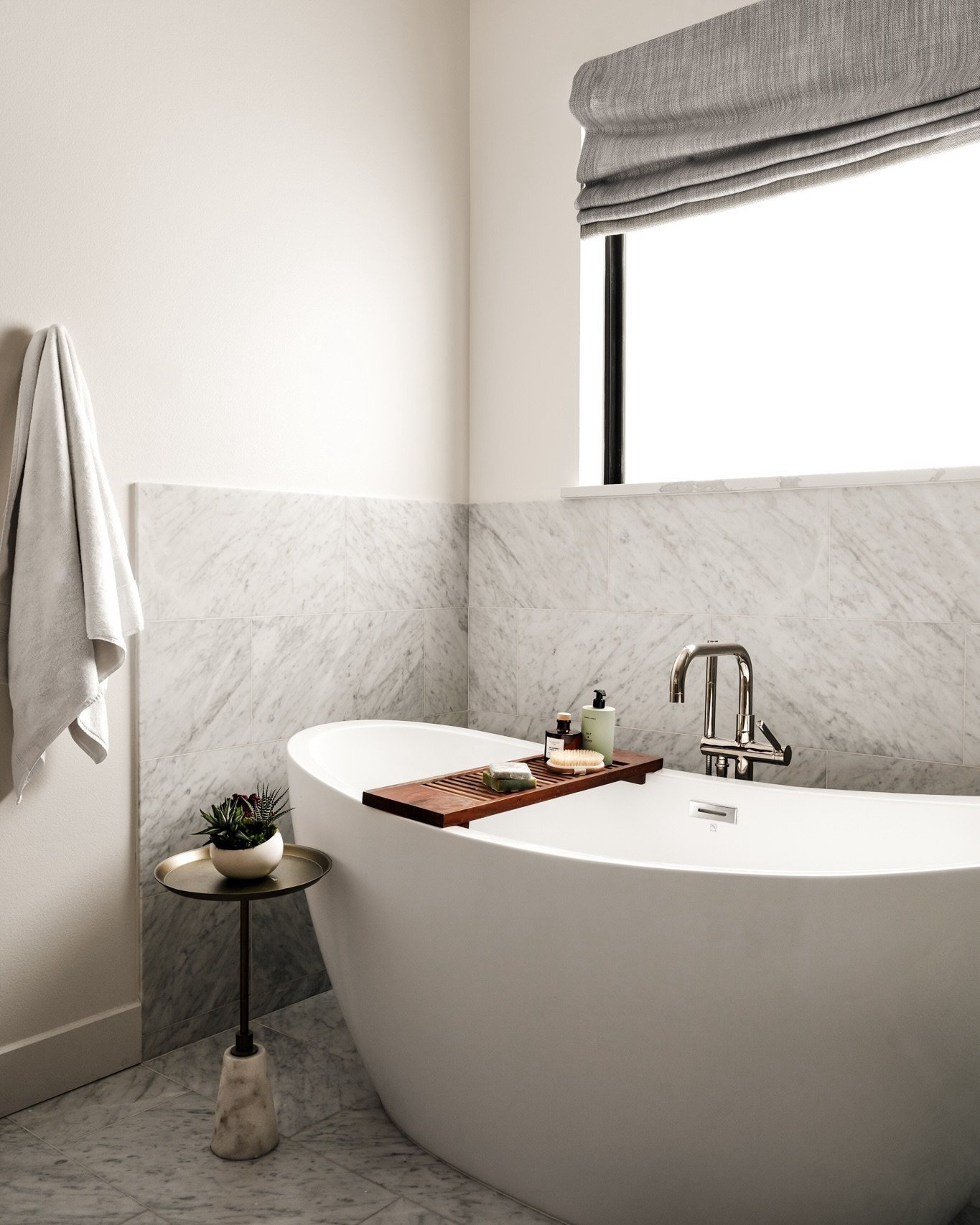
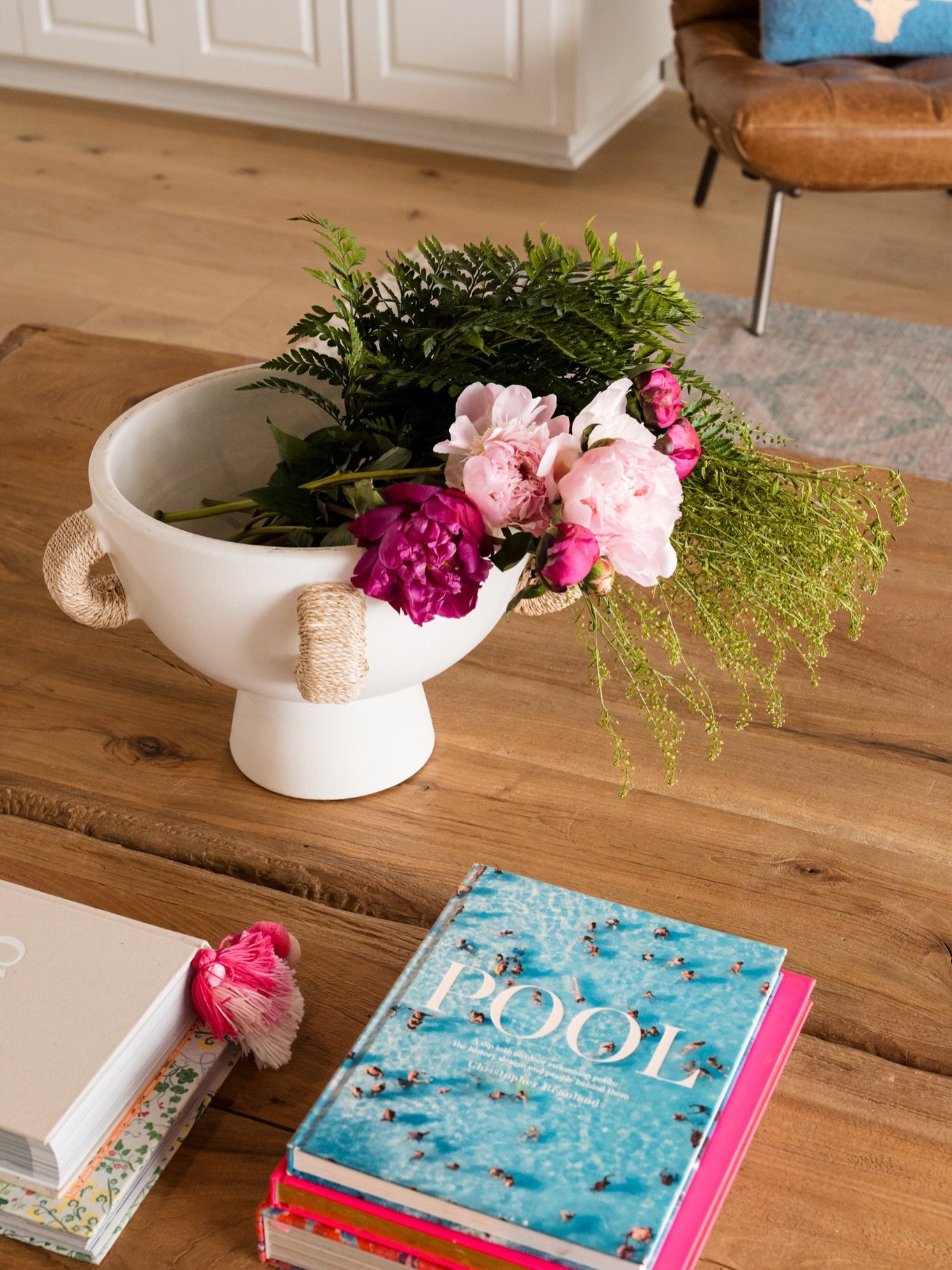
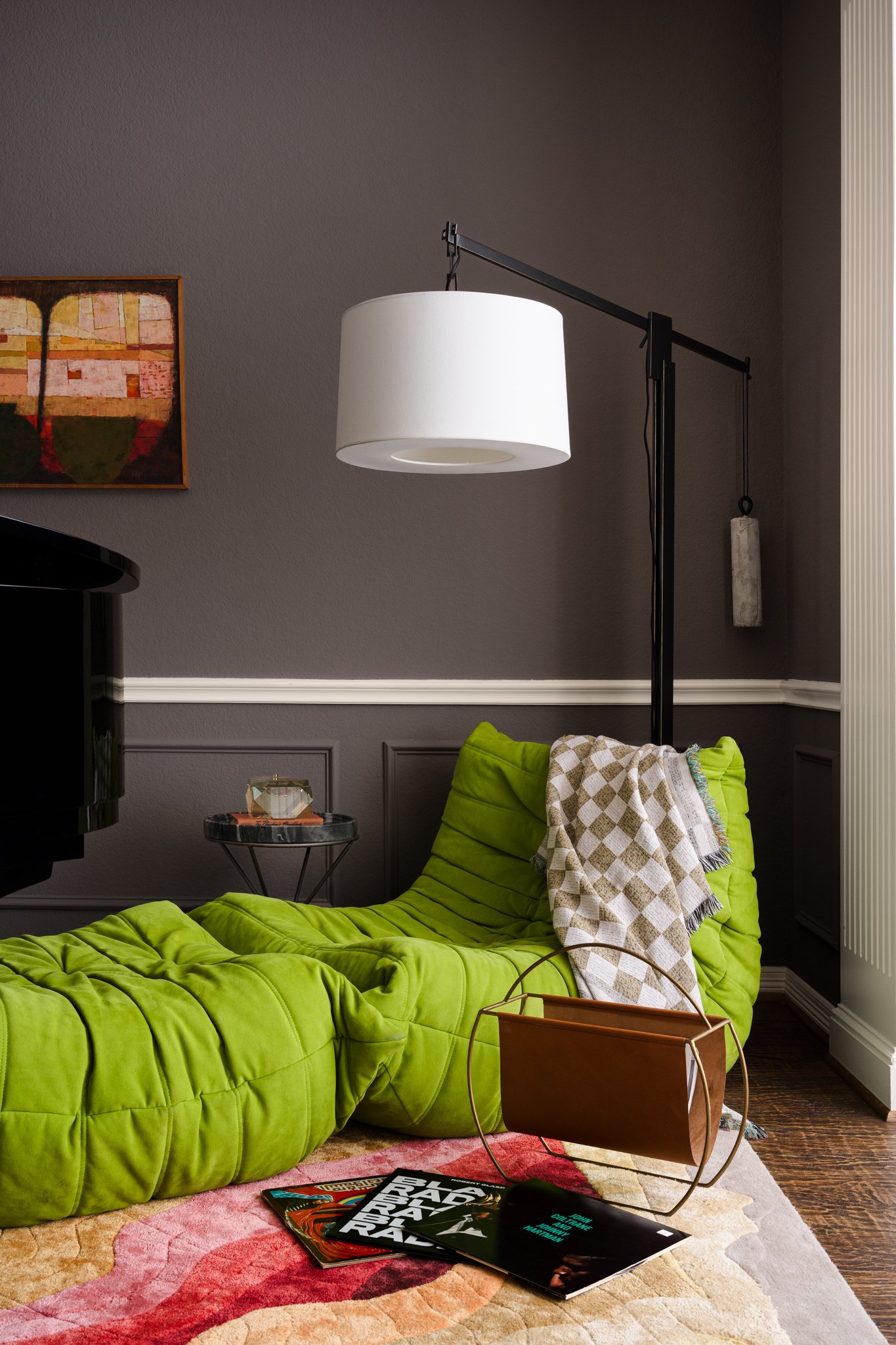
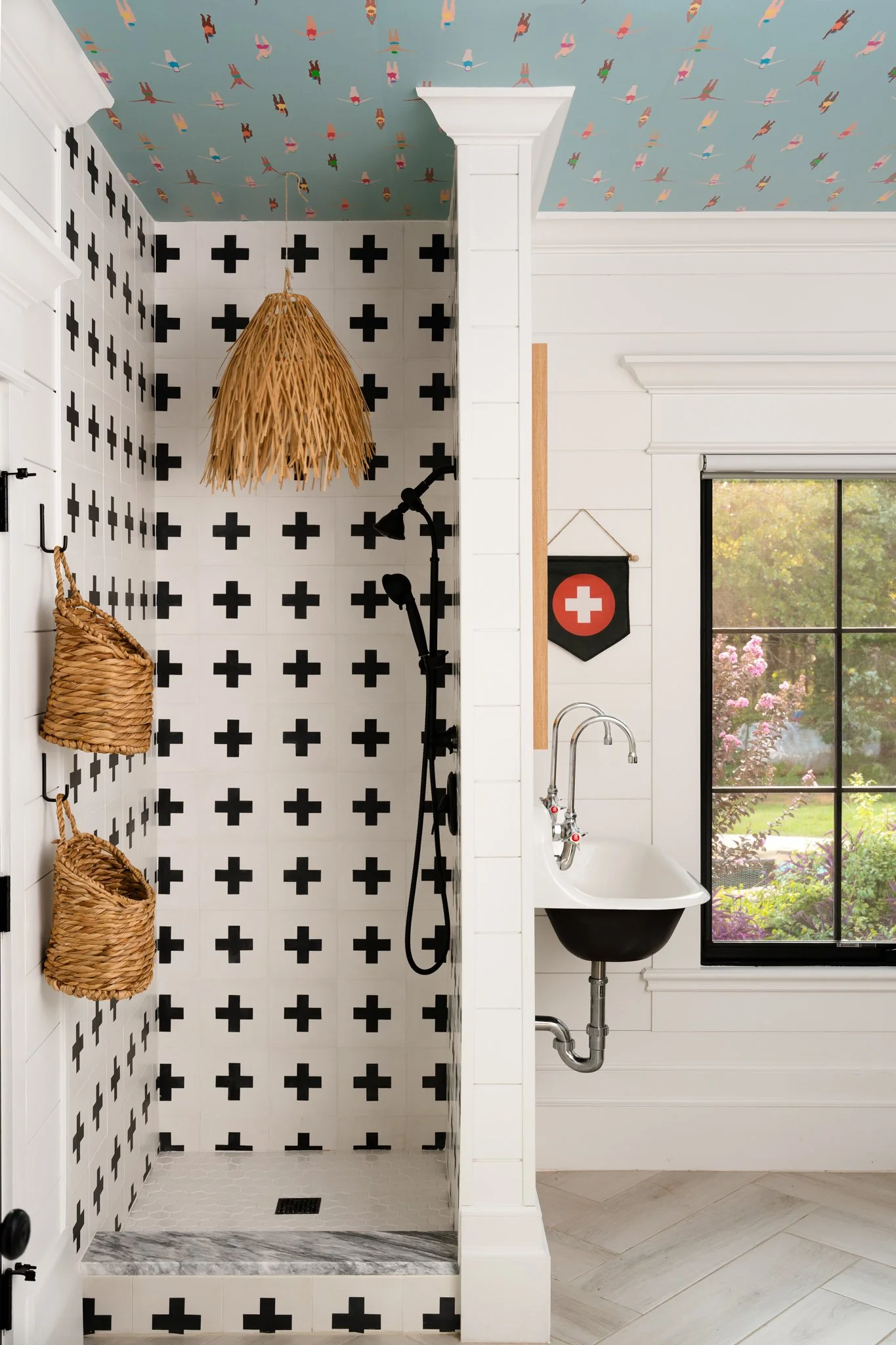
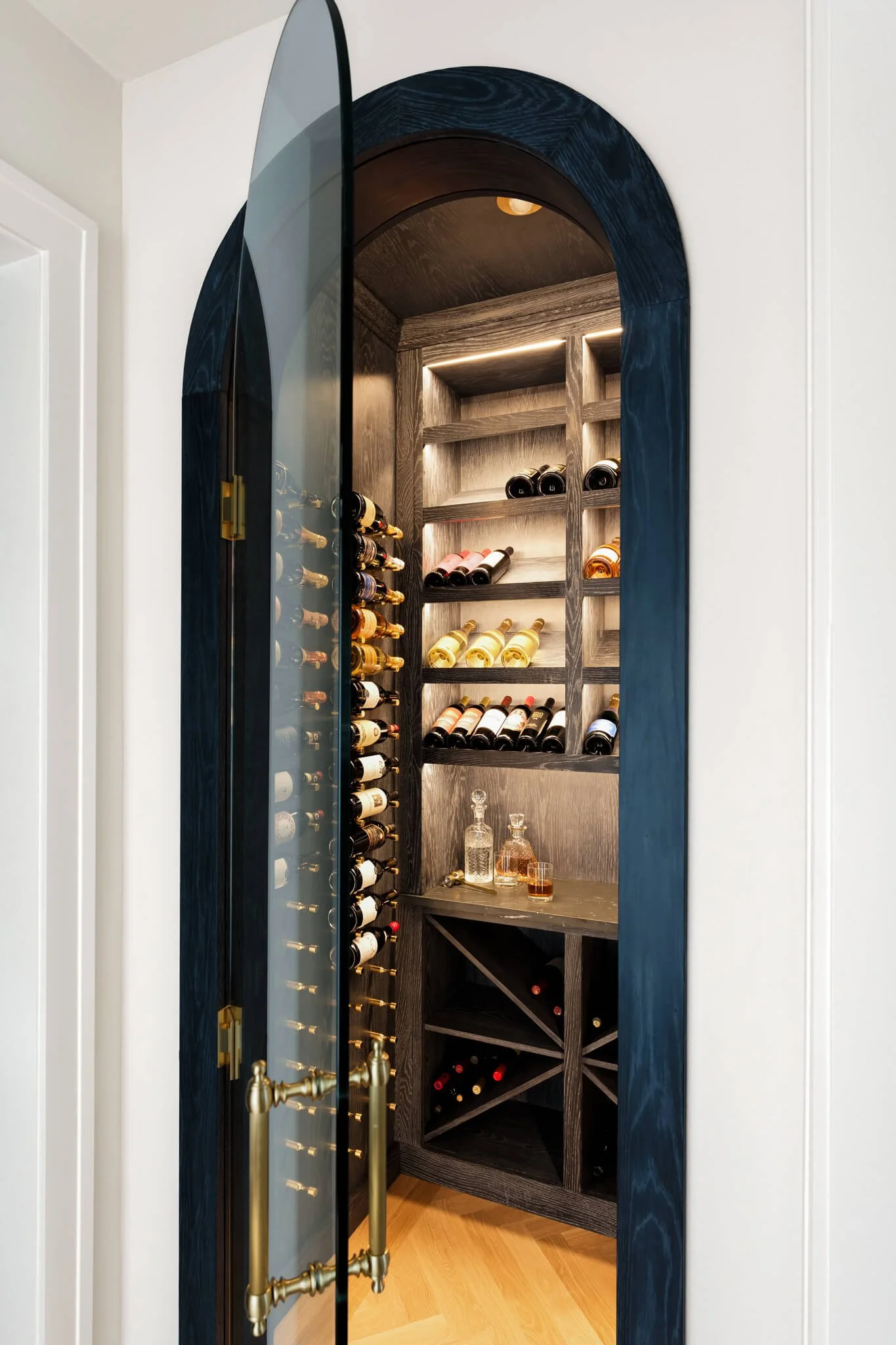
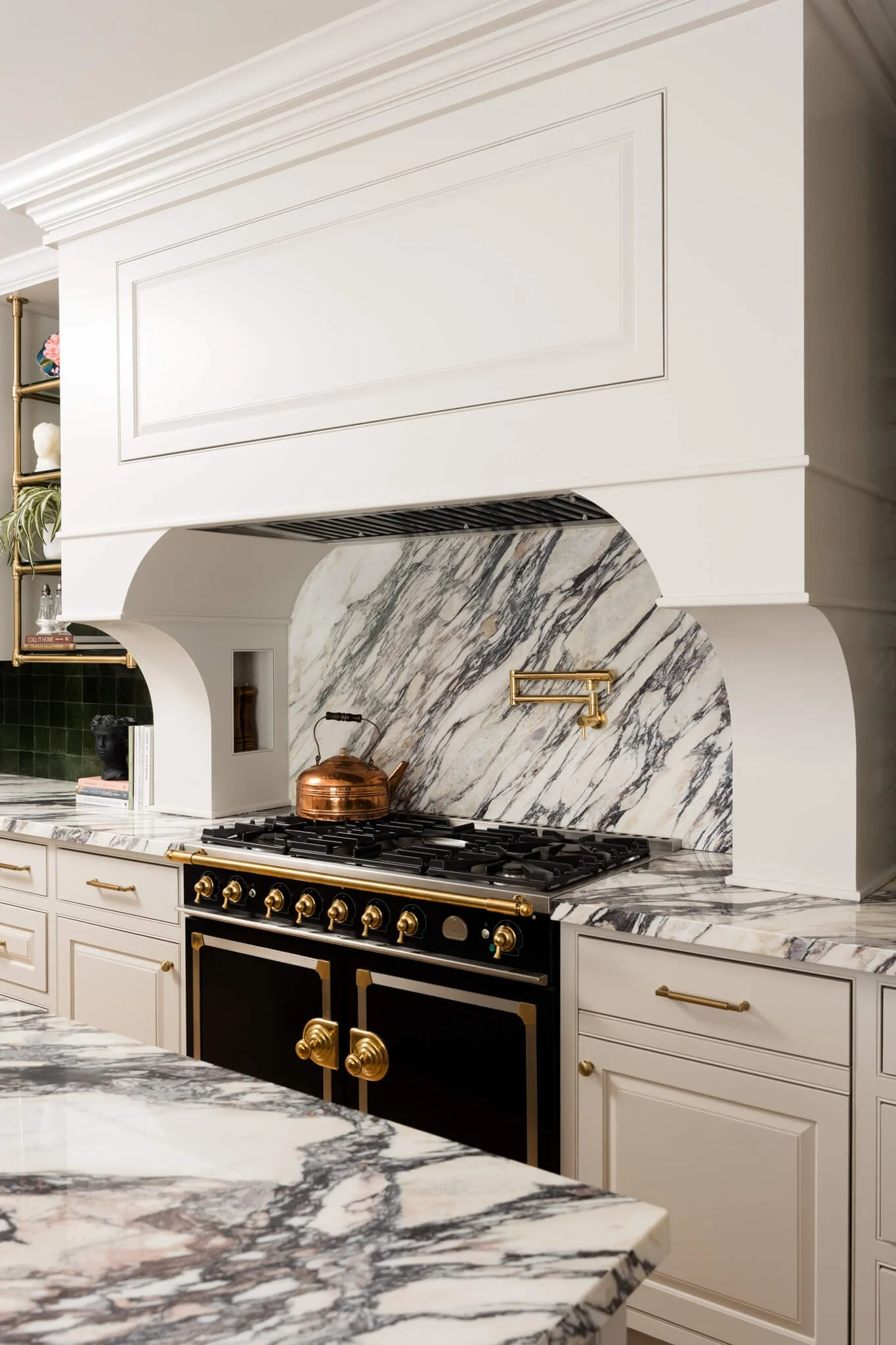
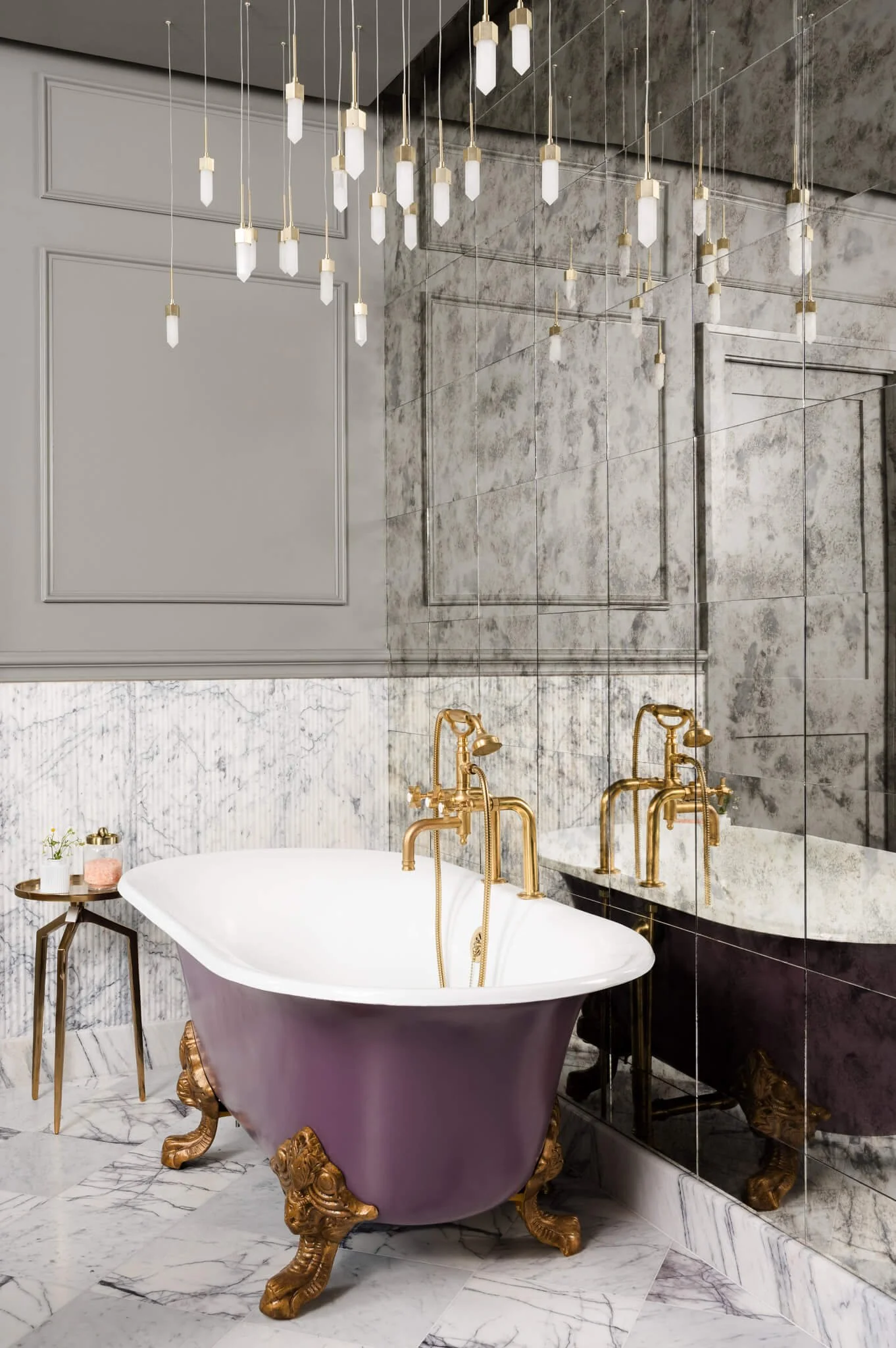
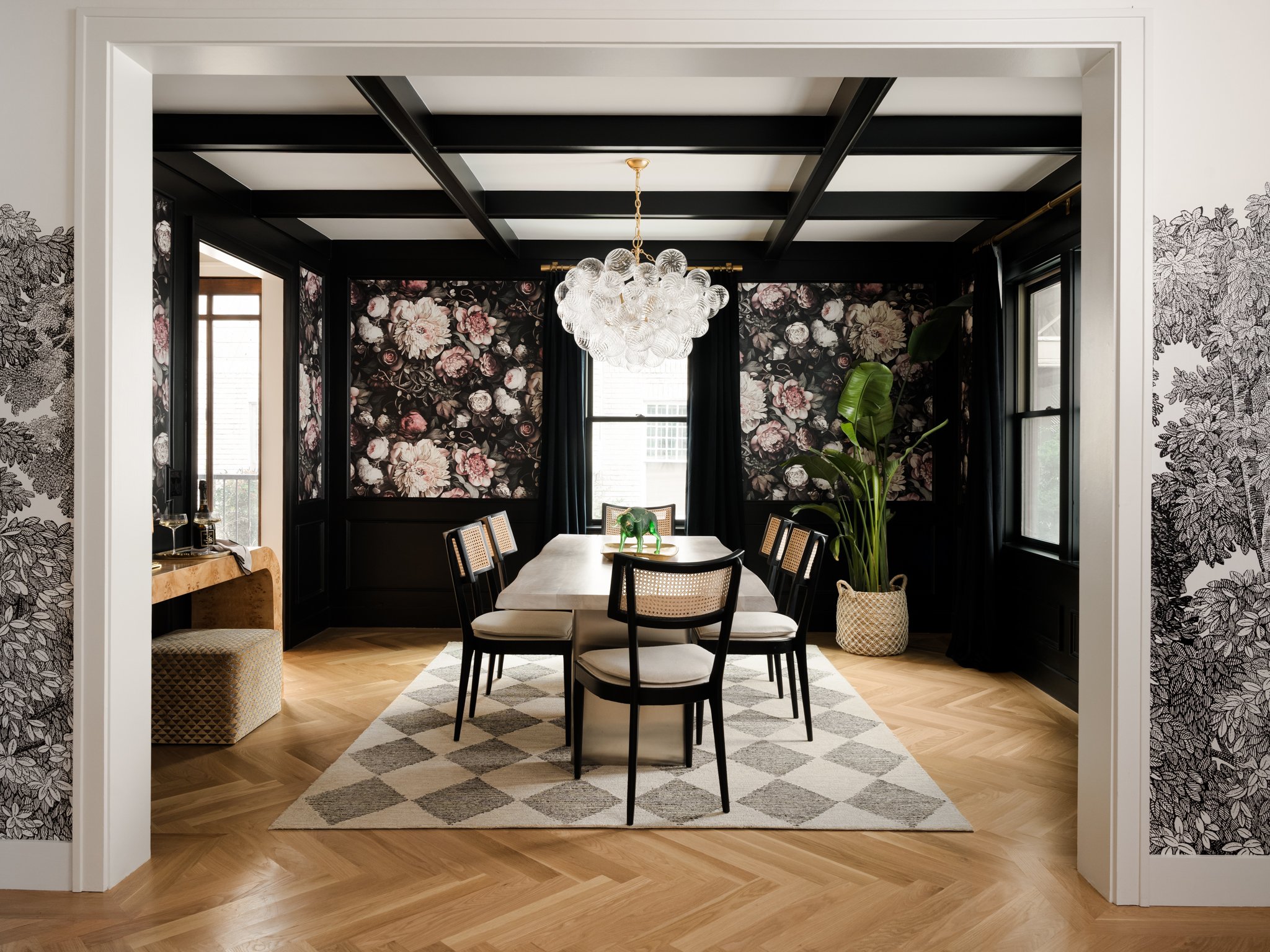
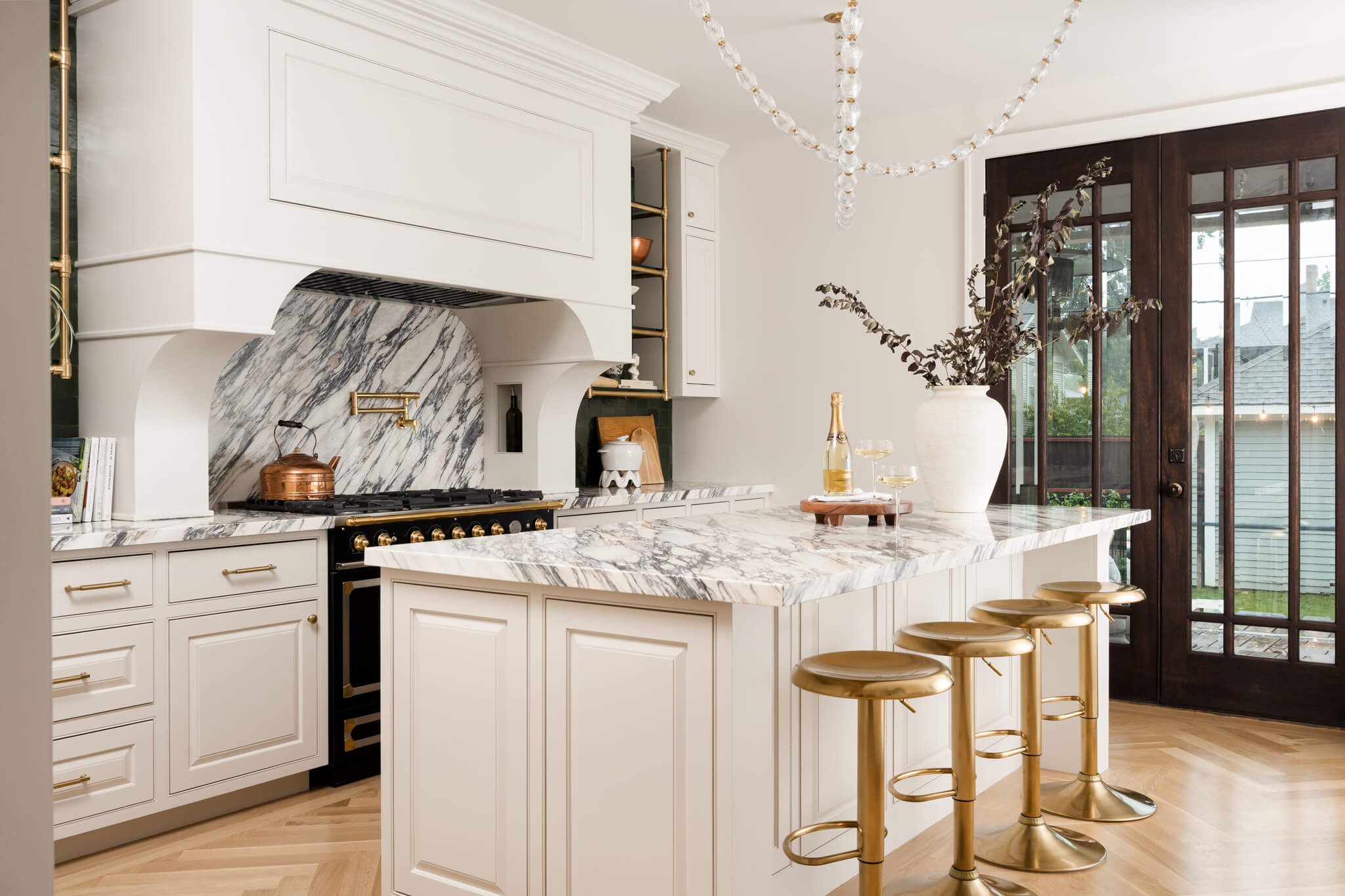
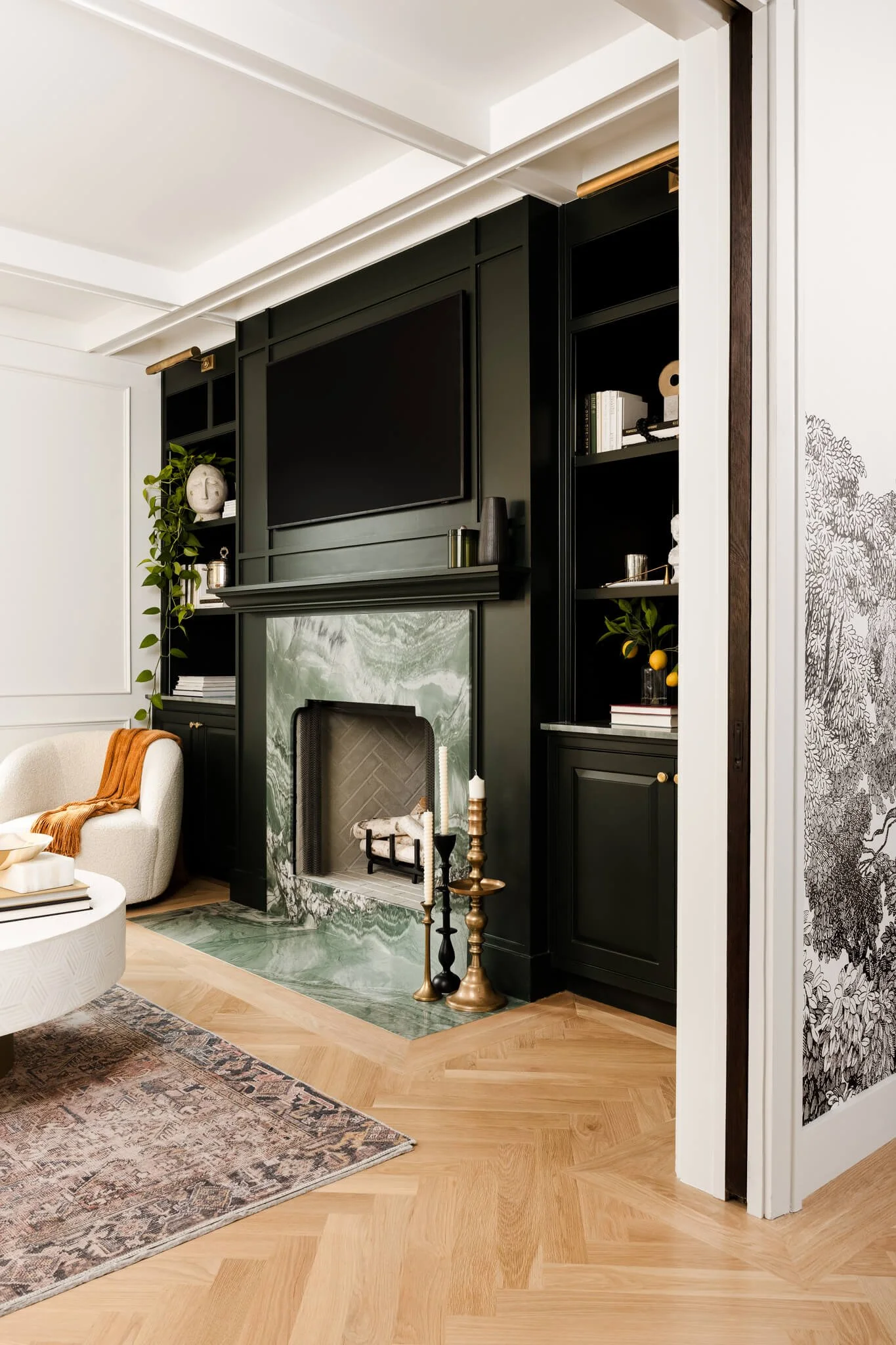
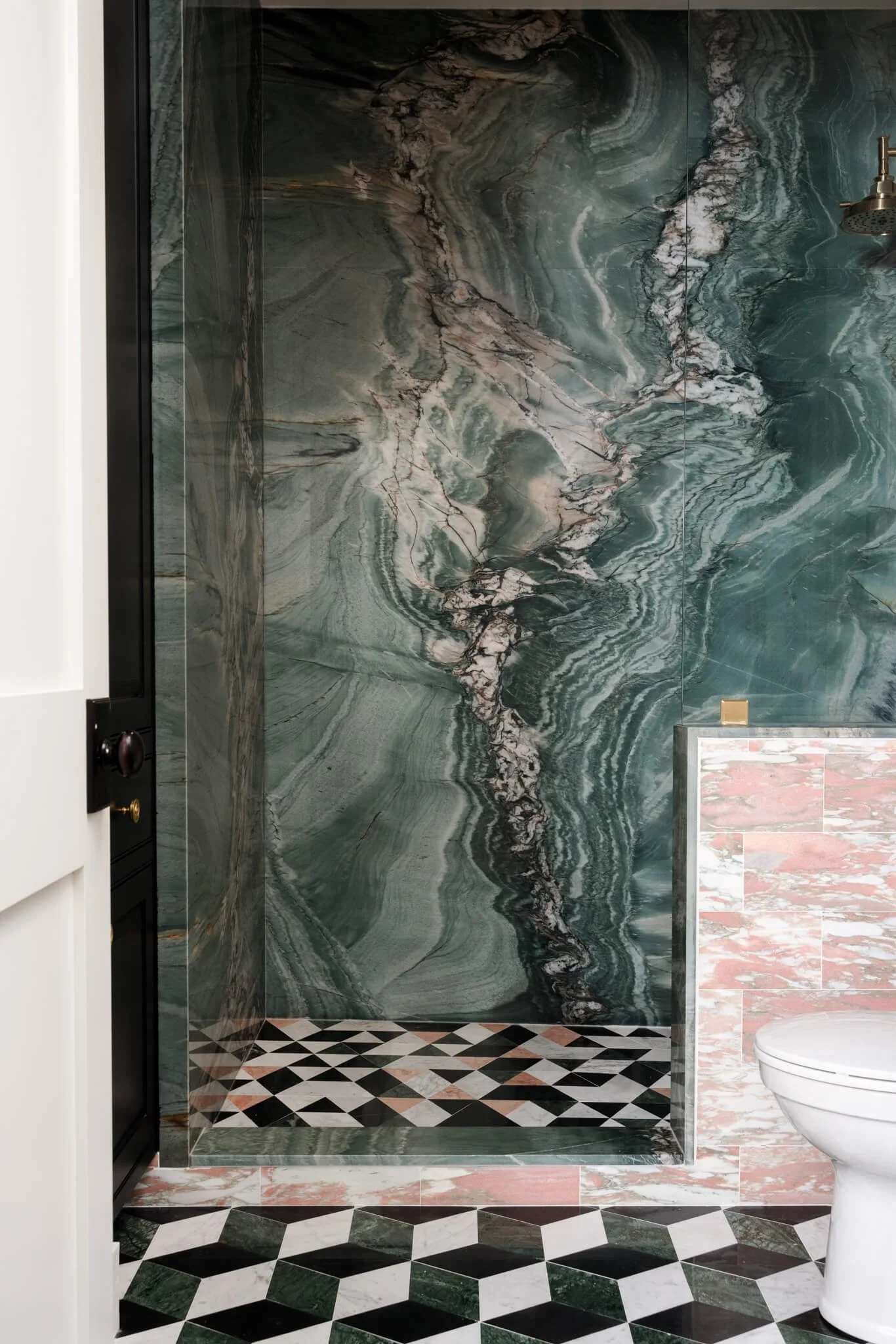
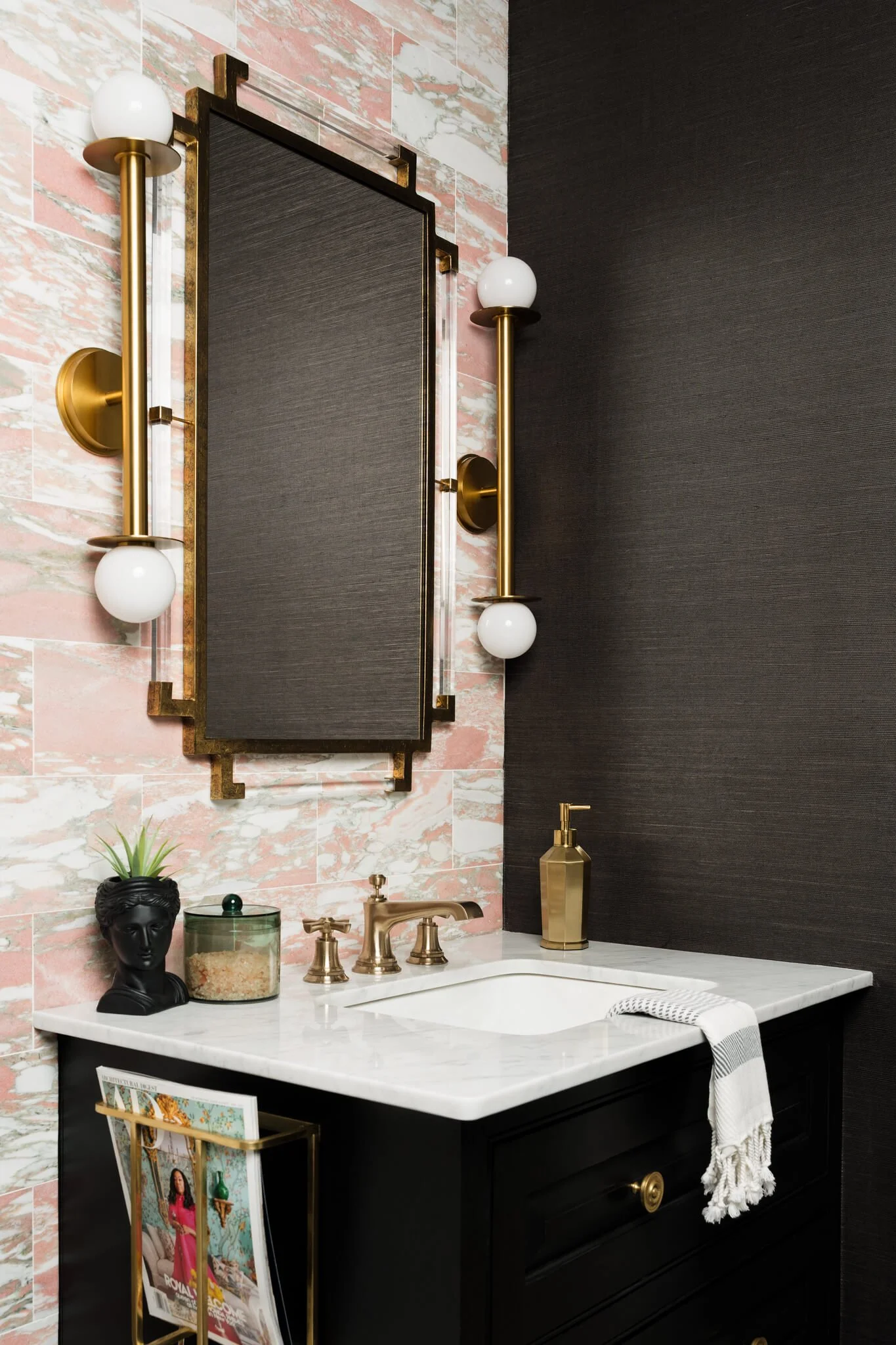
A complete collection might include expansive room views that establish the architecture, vertical compositions that provide flexibility for editorial layouts, tighter perspectives that highlight material relationships, and details that reveal the craftsmanship and personality of the space.
Individually, each photograph has a purpose. Together, they create a more complete representation of the project.
This approach is particularly valuable for interior designers because the photographs often need to work in many different places long after the photoshoot is complete.
Your website may need a strong horizontal hero image. Instagram may favor vertical compositions and details. A publication may request an entirely different orientation. An award submission may require photographs that clearly communicate the overall design.
Planning for those needs before the camera comes out creates a much more useful image collection.
Editorial Photography Supports Publication Opportunities
If publication is one of your goals, photographing a project with editorial opportunities in mind can make a meaningful difference.
Editors need enough imagery to build a story.
That typically means creating more than a collection of beautiful wide shots. A strong editorial gallery gives them options: establishing views, alternate compositions, vertical imagery, supporting details, and photographs that reveal what makes the project distinctive.
It is impossible to predict exactly which images an editor will choose, but thoughtful planning gives the project greater flexibility when opportunities arise.
This is one reason publication goals are part of my Creative Production Planning process. Before a photoshoot, we can consider potential editorial opportunities alongside your portfolio and marketing needs so the final collection is designed to support more than one purpose.
The Details Help Tell the Story
Some of my favorite photographs from an interior project are not necessarily the largest views.
They are the smaller moments that reveal the designer's decisions.
The transition between two materials. A carefully selected piece of art. The relationship between a textile and wallcovering. Custom millwork. A beautifully styled tabletop. An unexpected combination of color and pattern.
These images give a project personality.
They are also incredibly useful supporting imagery for websites, social media, editorial features, press, and other marketing materials.
The goal isn't simply to photograph more. It is to create the right mix of imagery to tell the story of the project.
Styling and Collaboration Matter
Editorial interior photography is inherently collaborative.
The strongest photographs are usually the result of many small decisions made throughout the day: adjusting furniture placement, refining accessories, removing distractions, reconsidering sightlines, or making subtle styling changes that help the composition read more clearly through the camera.
For some projects, bringing in a professional stylist can add another valuable perspective.
On a project photographed for interior designer Monika Normand, for example, Wear House Interiors assisted with styling the space for photography. That additional layer of collaboration allowed us to refine the details and create imagery that felt polished while remaining true to the design.
The objective is never to transform the project into something it isn't. It is to help the design communicate as clearly as possible in two dimensions.
Creating Images for More Than One Platform
One of the biggest changes in professional photography is the number of places your imagery now needs to work.
A single project might eventually appear across:
Portfolio
Your strongest images establish the quality and point of view of your work.
Website
Horizontal, vertical, and supporting imagery give you flexibility throughout your site.
Social Media
Details, alternate compositions, and vertical images provide a deeper library of content.
Editorial & Press
A varied collection gives editors more options when considering a project.
Awards
Strong establishing photographs and supporting views help communicate the complete design.
Marketing
Your image library can continue supporting newsletters, presentations, proposals, features, and future campaigns long after the project is complete.
This is why I believe interior photography should be planned as a long-term marketing asset, not simply documentation of a finished project.
Planning the Story Before the Photoshoot
Creating an editorial collection begins well before the photography day.
Through Creative Production Planning, we identify the spaces that matter most, discuss your marketing goals, consider potential publication opportunities, and develop a custom shot list around how the imagery needs to work.
That might mean prioritizing a horizontal and vertical composition of an important room. It might mean allowing additional time for a particularly layered space. Or it might mean identifying smaller design moments that deserve their own photographs.
The objective is to arrive on photography day knowing what we are trying to create and why.
Photography That Keeps Working for Your Business
A finished interior may only exist in its photographed form for a limited amount of time. Homes change. Furnishings move. Commercial spaces evolve. Projects that took months or years to design eventually become part of your portfolio through the photographs created at the end.
Those images can continue representing your work for years.
A thoughtful editorial approach helps create a collection that doesn't simply show what the project looked like. It communicates the design decisions, details, and point of view that made the project worth photographing in the first place.
And when those photographs are intentionally planned around your portfolio, marketing, and editorial goals, they become much more than beautiful images.
They become part of how you build your business.
Planning an Interior Design Photoshoot?
If you have a completed project in Dallas–Fort Worth and want to create imagery designed for your portfolio, marketing, and potential editorial opportunities, I'd love to learn more about it.
My process combines Creative Production Planning, thoughtful interior photography, professional retouching, licensing, and publication support to create imagery designed around where your work needs to go next.
Follow Along on Instagram
Recent projects, behind-the-scenes moments, and a closer look at the spaces, details, and designers I have the opportunity to photograph.