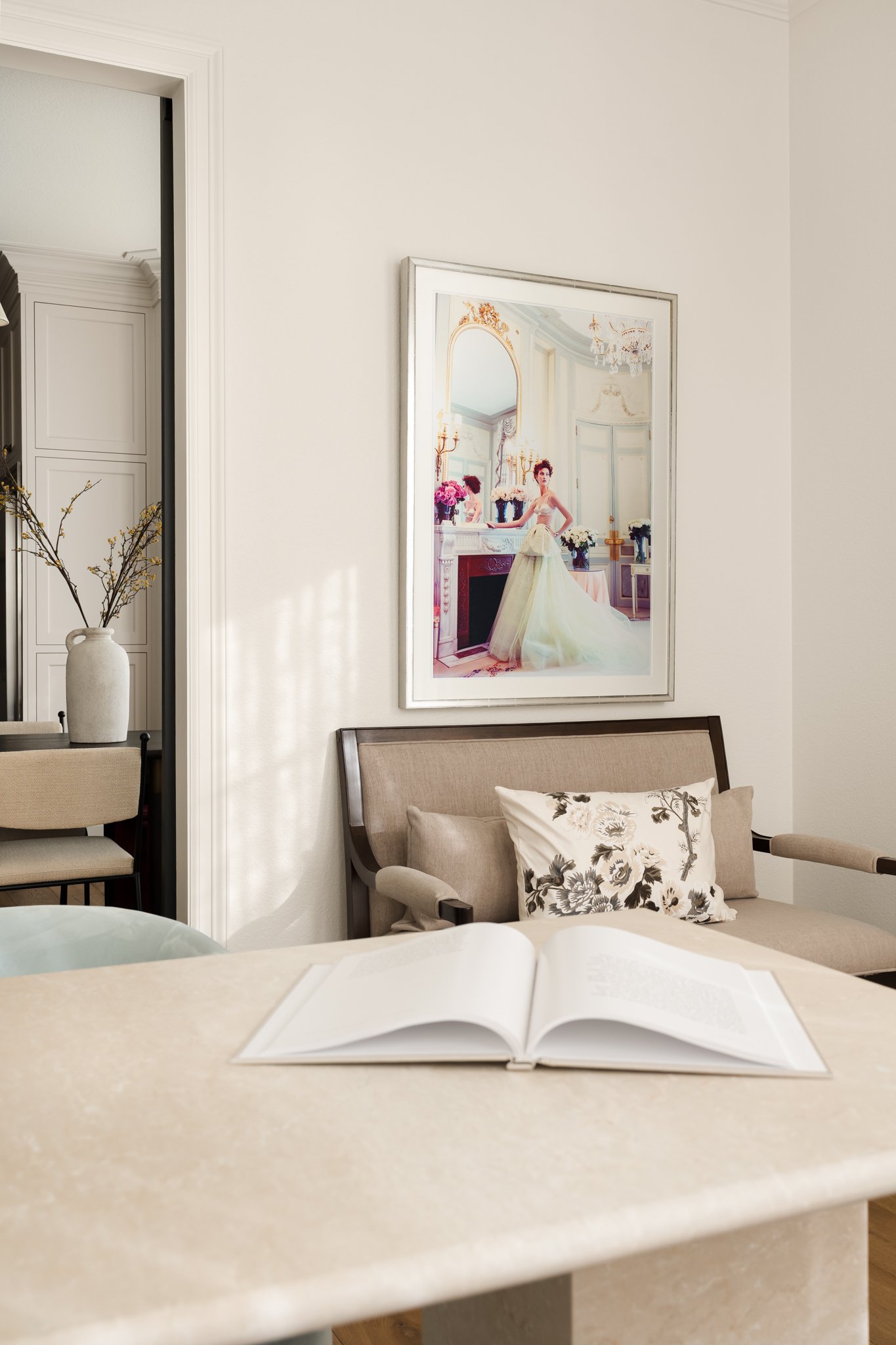
Interior & Architecture Photography in Dallas-Fort Worth: Who I Work With and How I Photograph Design
A look at how I photograph interiors and architecture for Dallas-Fort Worth designers, architects, and custom home builders, with a focus on design intent, craftsmanship, and thoughtful visual storytelling.
By Stacy Markow

A beautifully designed space is the result of hundreds of decisions. The way materials meet, how a room transitions into the next, the scale of a custom detail, the placement of a light fixture, and even the way color changes throughout the space all contribute to the finished design.
Photographing that work is about more than documenting what a room looks like. It is about understanding what makes the design successful and creating images that communicate those decisions clearly.
As a Dallas-Fort Worth interior and architecture photographer, I work with interior designers, architects, custom home builders, and other members of the design industry to create thoughtful, editorial imagery of their completed work.
My approach is simple: design comes first.
The photography should support the space, not overpower it.


Who I Work With
While every project is different, the majority of my work falls within the interior design, architecture, and custom home industries. Each requires a slightly different photographic approach because each client has something different they need the images to communicate.
Interior Designers
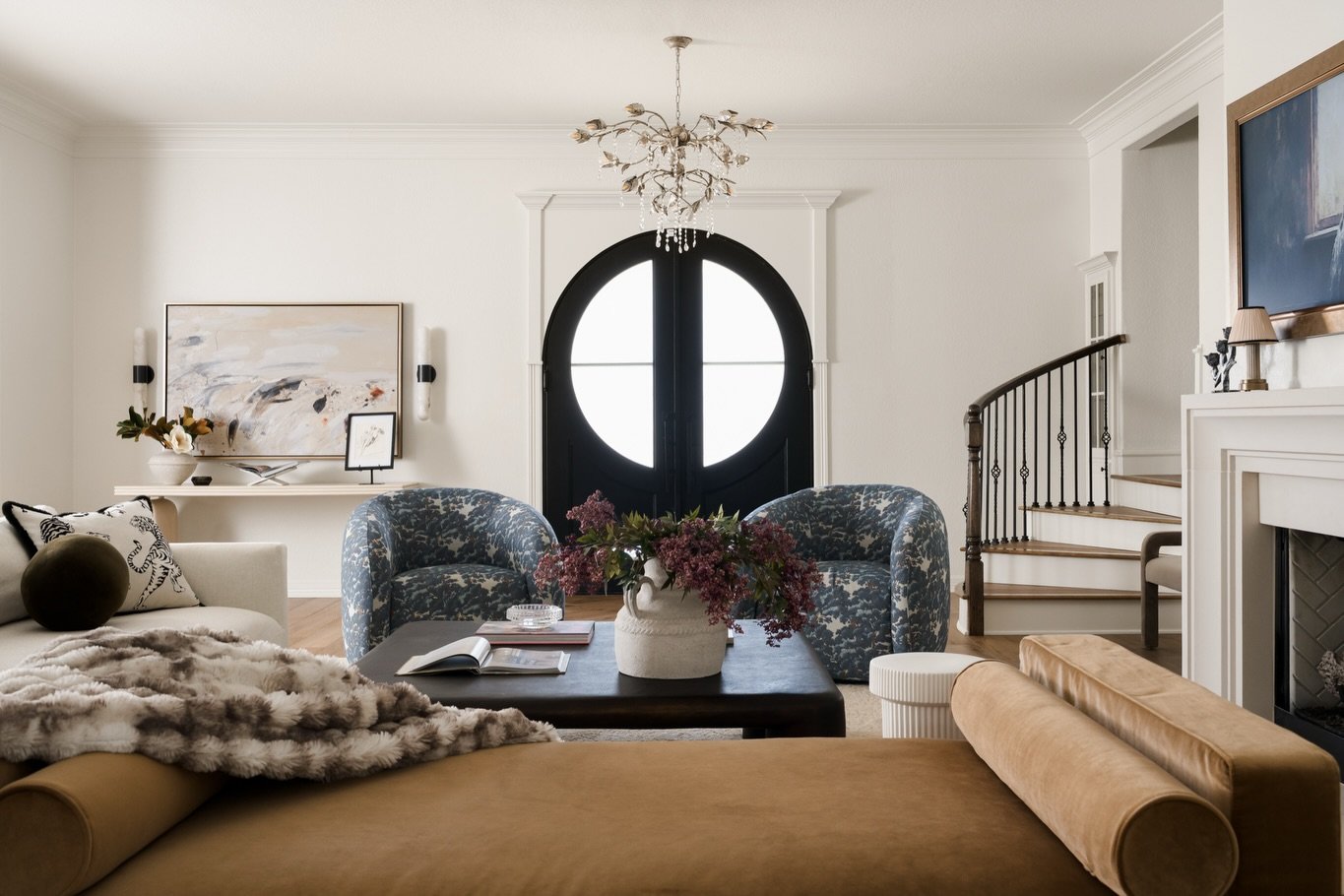
When photographing an interior designer's work, I am looking at the project through the lens of their design decisions.
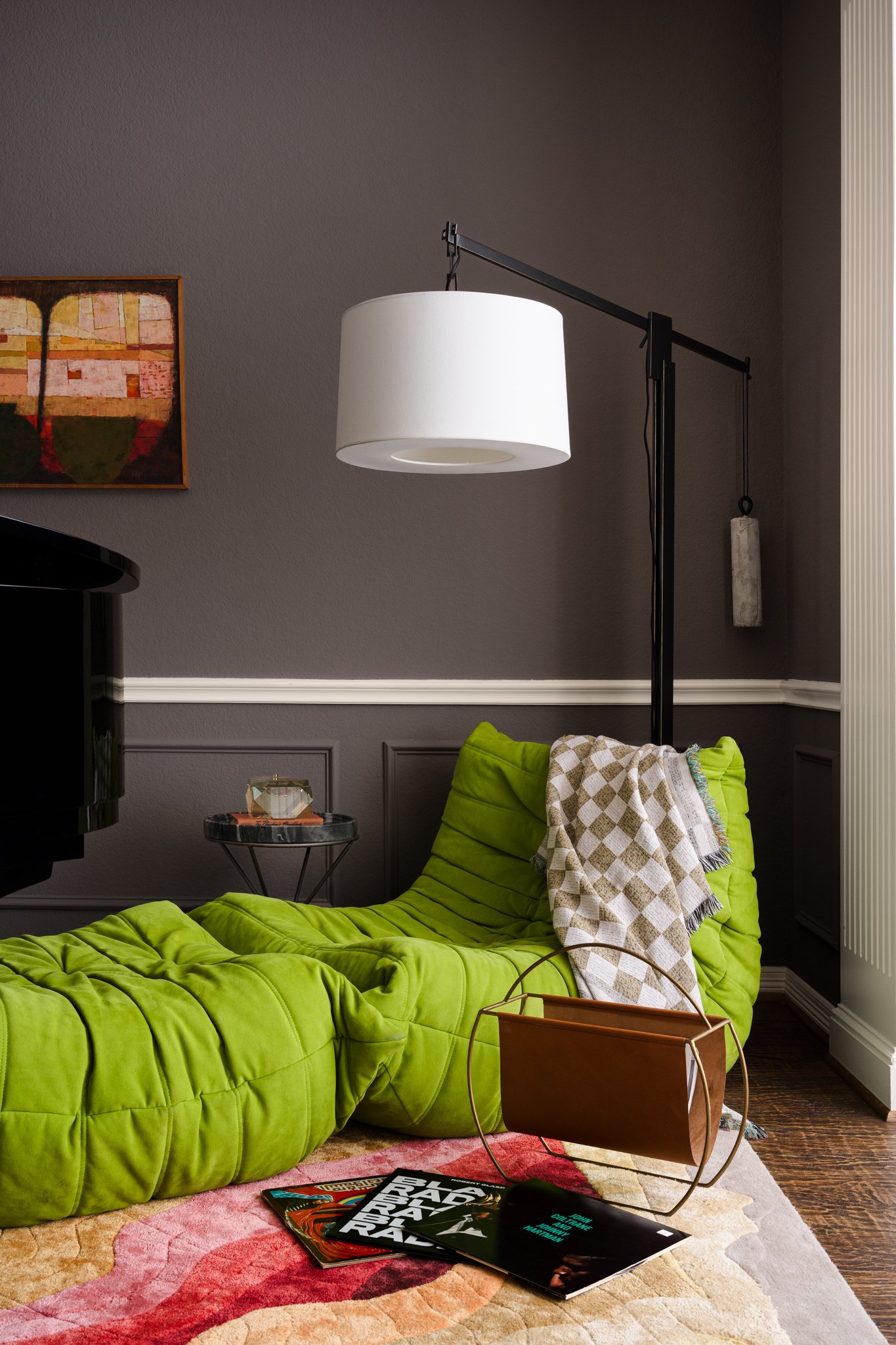
That includes the overall composition of a room, but also the smaller details that give it character: material combinations, custom furnishings, art, lighting, millwork, textiles, styling, and the relationships between each element.
A complete gallery should do more than show that a room is beautiful. It should help someone understand the designer's point of view.
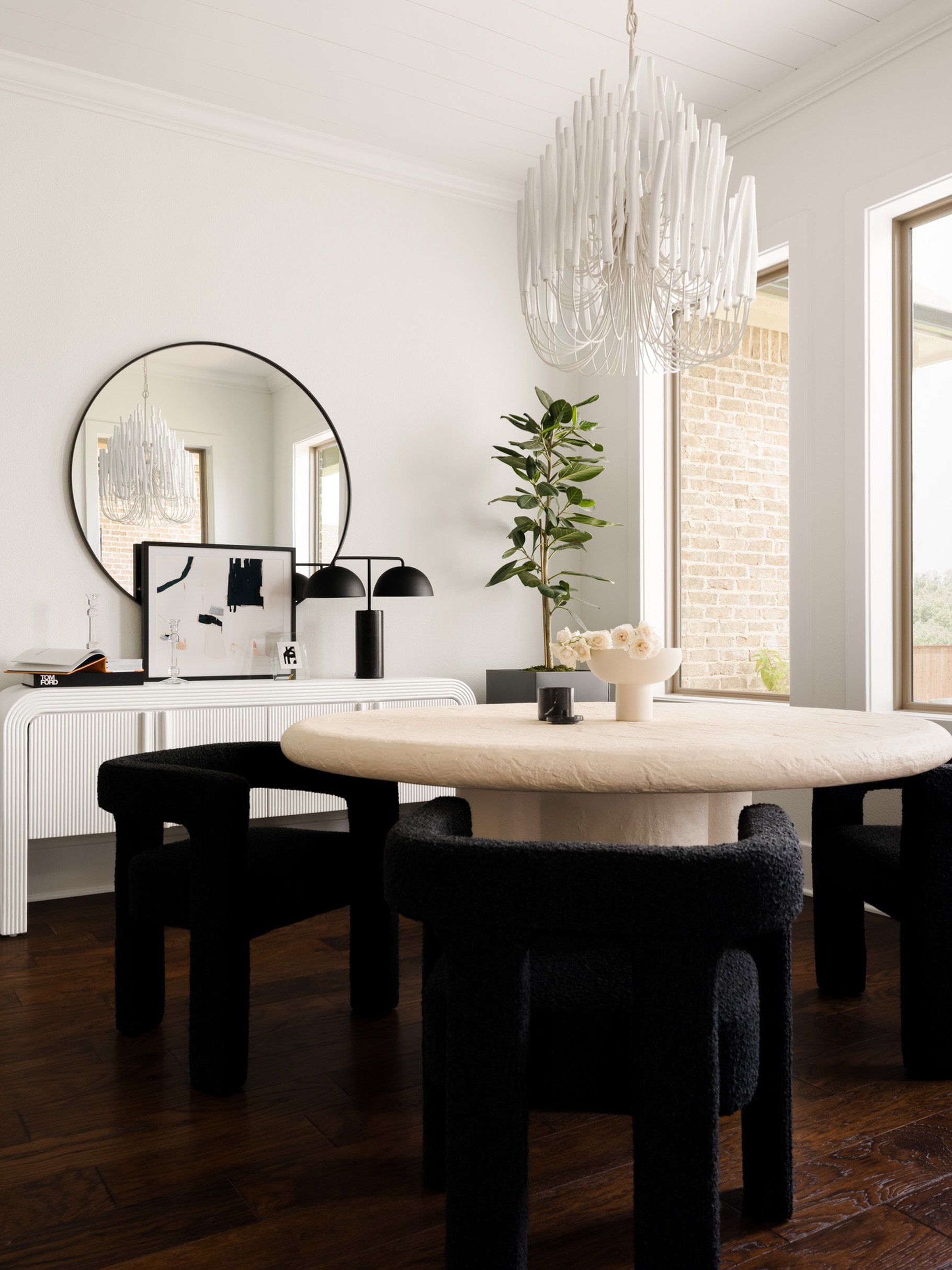
For that reason, I typically photograph a combination of wider establishing images, medium compositions, vignettes, and close details. Together, they create a more complete visual story of the project and give designers a versatile collection of imagery for their portfolio, website, social media, editorial submissions, and marketing.
Architects
Architecture photography requires a slightly different perspective.
Here, I am paying close attention to form, structure, scale, materiality, geometry, and the relationship between spaces.
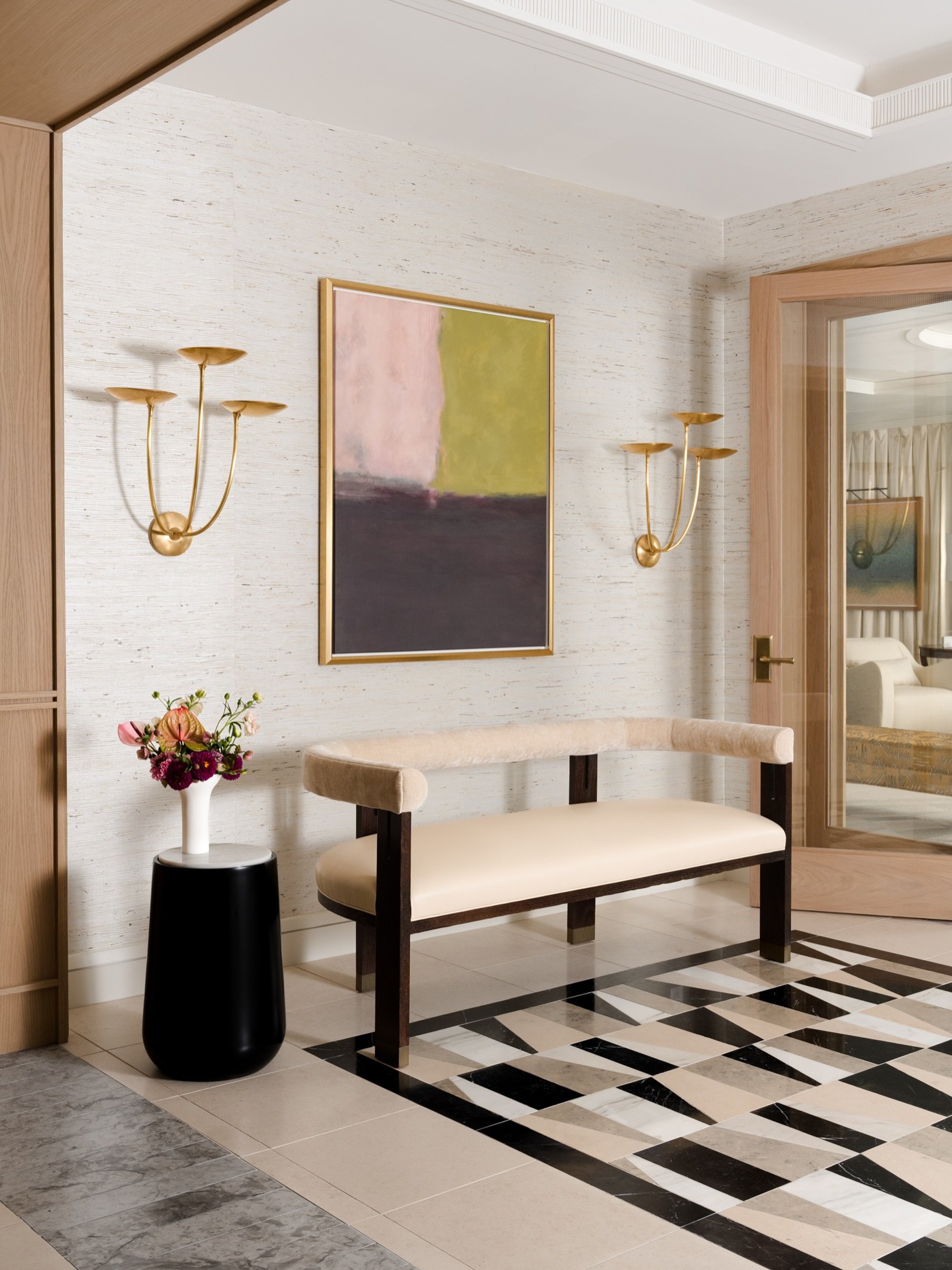
Rather than treating each room as an isolated photograph, I look for compositions that communicate how the architecture works as a whole. Doorways, sightlines, transitions, ceiling details, windows, and repeated architectural elements can all help tell that story.
The goal is to create images that feel visually strong while remaining faithful to the architect's intent.
Custom Home Builders
For custom home builders, photography needs to communicate both the overall experience of the home and the quality of the work behind it.
Wide architectural compositions establish the space, while tighter photographs highlight craftsmanship and construction details that may otherwise be overlooked.
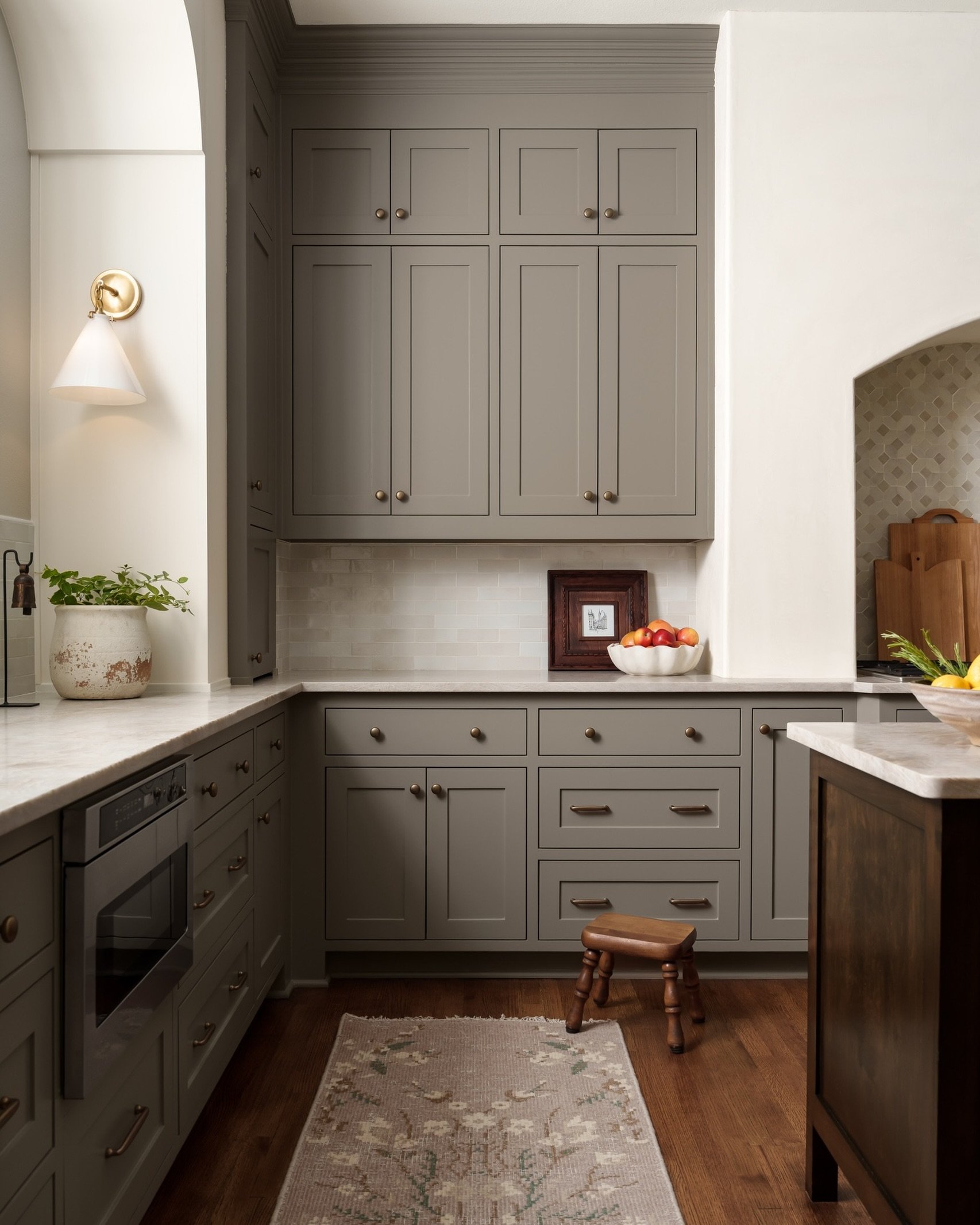
Custom cabinetry, millwork, stonework, flooring transitions, hardware, ceiling treatments, built-ins, and other details often represent a significant amount of planning and execution. Photographing them intentionally gives builders a portfolio that demonstrates not only what they build, but the level at which they build it.

The Details Matter
Some of my favorite photographs are often the smallest ones.
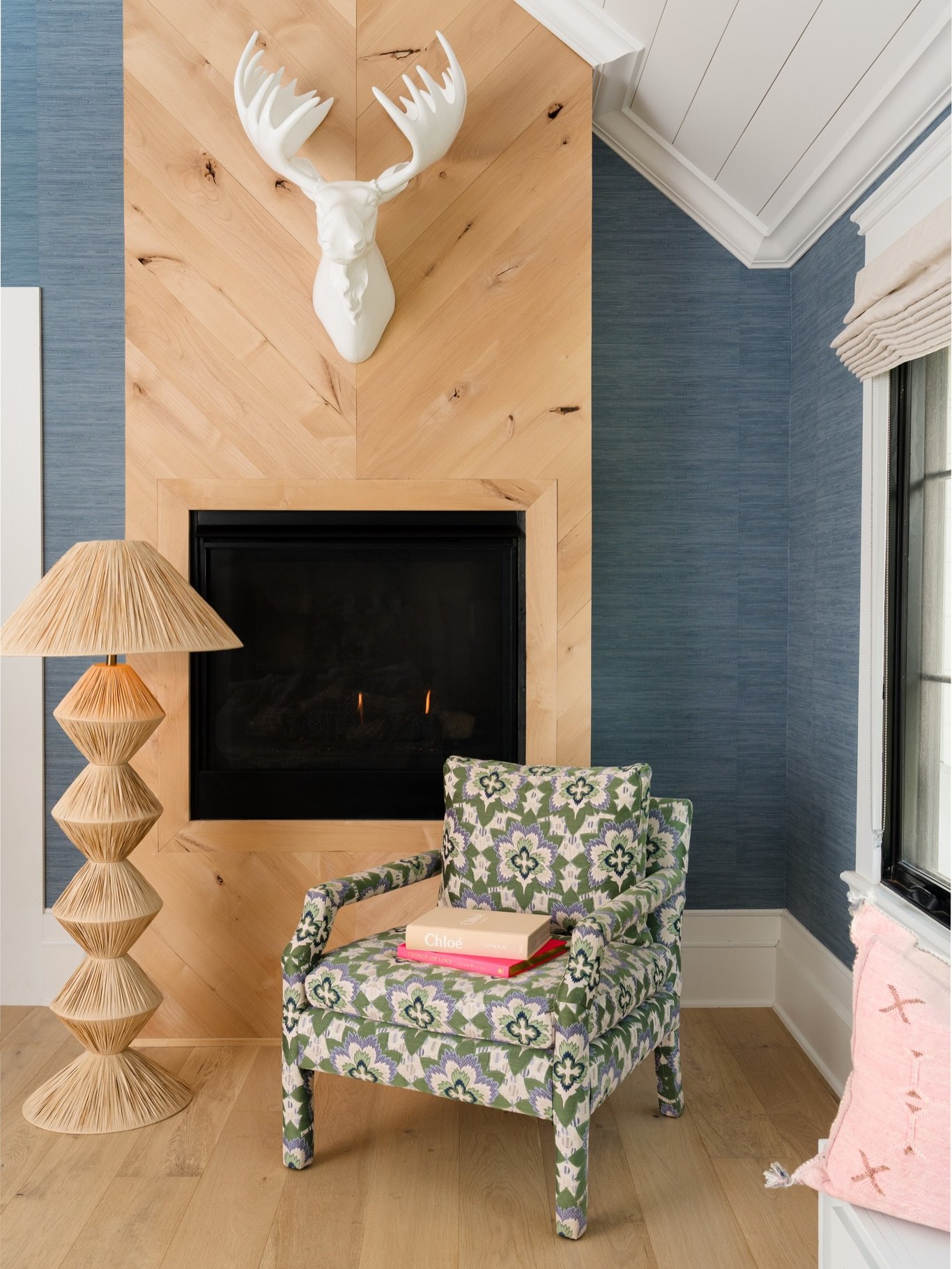
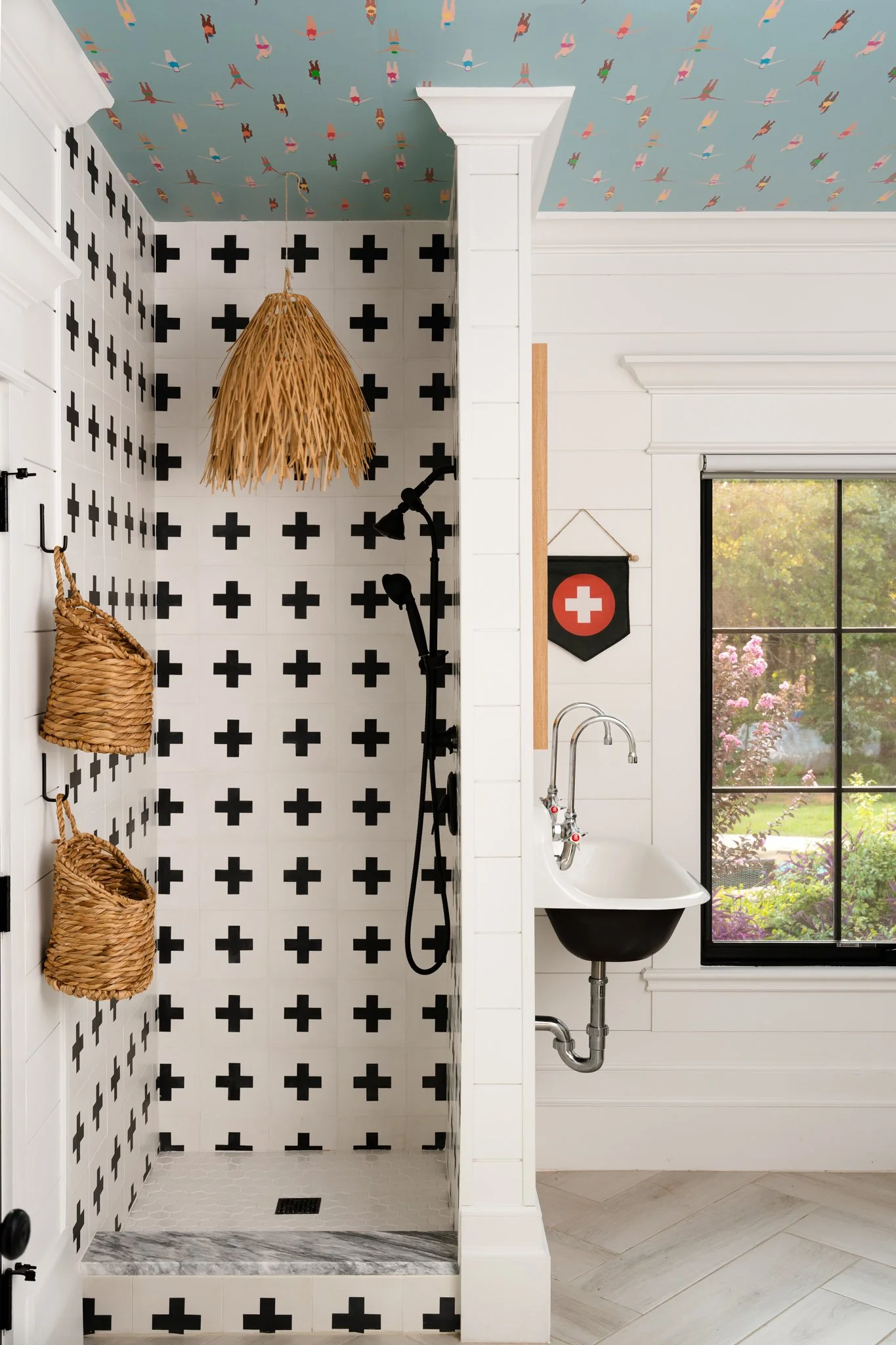
A cabinet profile. The edge of a stone countertop. A sculptural fixture against a textured wall. The way two materials meet. A carefully styled corner.
These images may not show an entire room, but they often reveal the thought behind it.
Detail photography is an important part of documenting a completed project because these smaller moments help communicate craftsmanship, material selection, and design point of view. They also create valuable supporting imagery for websites, social media, editorial features, and other marketing where a full-room photograph isn't always the strongest choice.
How I Approach Photographing a Space
Before I begin photographing, I want to understand what matters about the project.
What are the strongest design moments? Which elements were custom? What challenges were solved? Are there specific materials, architectural details, or furnishings that need to be documented? Is the project being prepared for publication or an award submission?
Those conversations influence how I photograph the space.
Rather than arriving with the same predetermined shot list for every project, I build the photography around the design itself and how the finished images need to function.
Creative Production Planning Before the Shoot
Much of the work behind a successful photoshoot happens before the day arrives.
For larger projects, my process includes Creative Production Planning to establish priorities before the session. Depending on the project, this may include a walkthrough or virtual review, collaborative shot-list planning, photography preparation recommendations, and a session timeline.
This gives us an opportunity to identify the photographs that matter most while there is still time to prepare the space.
It also allows the photography day to be more intentional. Instead of figuring everything out on site, we already have a framework and can spend our time refining compositions, making styling adjustments, and responding to the space.

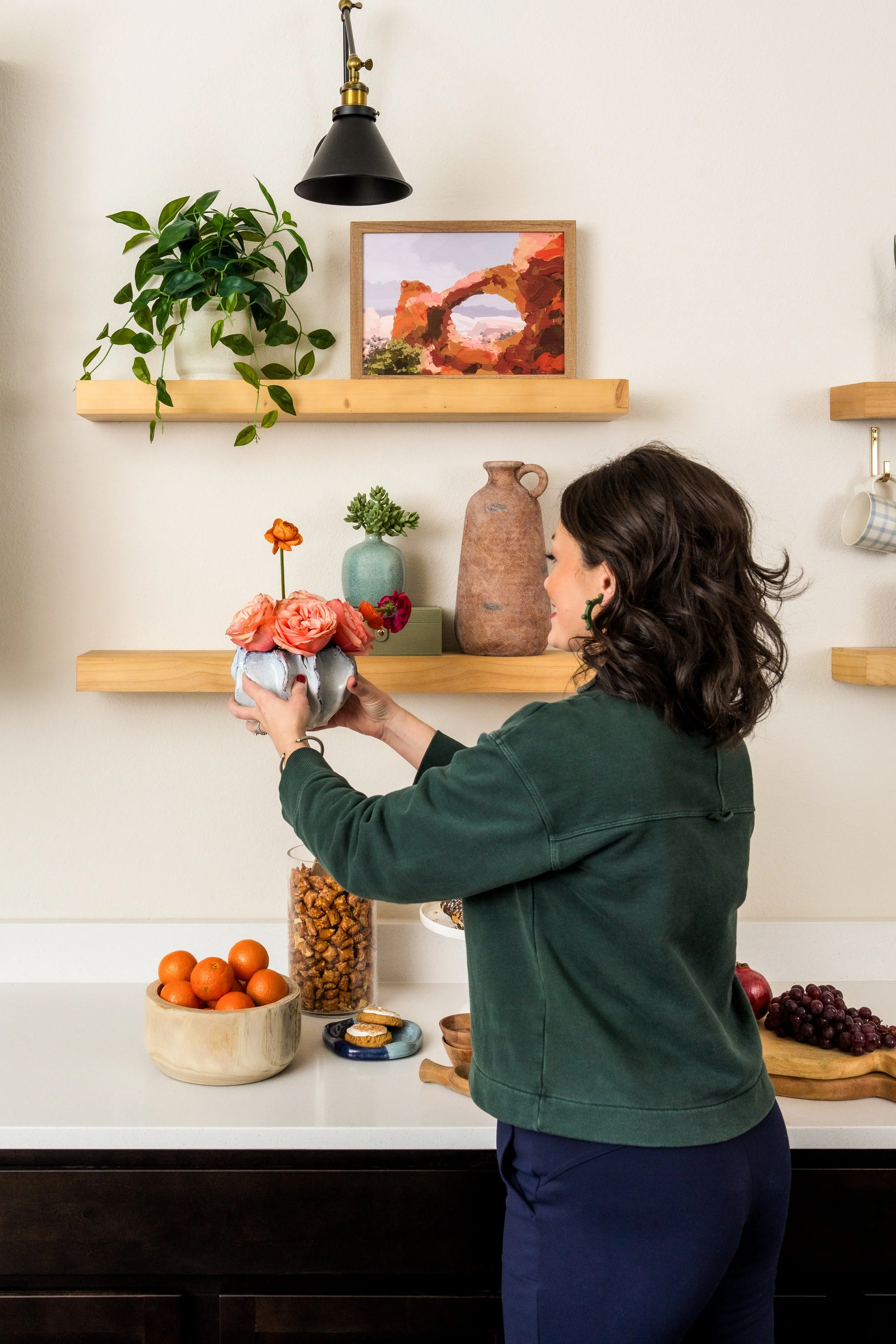
Controlled Lighting That Stays True to the Design
Lighting has a significant effect on the way interiors translate through a camera.
My work uses controlled lighting to create consistency, shape, and depth while preserving the natural character of the space.
I am particularly careful with color. Paint, stone, wood, textiles, and other finishes were intentionally selected, and I want those decisions to translate accurately in the finished photographs.
The goal isn't for someone to notice the lighting technique.
The goal is for the room to feel dimensional, balanced, and true to the designer's vision.
Creating More Than One Hero Image
A completed project needs more than a single beautiful photograph.
When planning a gallery, I think about how the collection works together. A strong hero image may establish the project, while supporting photographs reveal individual rooms, architectural relationships, design details, materials, and smaller moments.
That variety becomes increasingly important as imagery moves beyond a portfolio.
A designer may need a horizontal image for a website banner, a vertical composition for editorial or social media, a detail for a design-focused post, and wider images to communicate the complete project.
Thinking about those uses while photographing helps create a gallery with longevity.

Photography as Part of the Design Process
For interior designers, architects, and builders, professional photography is often the final stage of a much longer creative process.
By the time I arrive, months or years of planning, construction, sourcing, problem-solving, and installation may have gone into creating the finished space.
My role is to translate that work into photographs that communicate it clearly.
That means knowing when a room needs a strong architectural composition and when a small detail tells the story better. It means understanding what should be emphasized and what should remain quiet. And it means creating photographs that feel polished without losing the character of the design itself.
Because ultimately, the photography isn't the subject.
The design is.


Interior & Architecture Photography in Dallas-Fort Worth
Based in Dallas, I photograph interior design, architecture, custom homes, and design details throughout Dallas-Fort Worth and beyond.
Every project begins with understanding the space, the work behind it, and what you need the finished photographs to accomplish. From there, we can build the photography coverage, creative production plan, and image collection around your specific project.
If you have a recently completed project or one approaching completion, I'd love to hear more about it.
Follow Along on Instagram
Recent projects, behind-the-scenes moments, and a closer look at the spaces, details, and designers I have the opportunity to photograph.