The Case for Putting Your Work Into the World Far Before It’s Ready
I wasted a lot of time trying to become the photographer I wanted to be before marketing the photographer I already was.
By Stacy Markow
For a long time, I was waiting to be ready.
Ready, in my mind, meant expertise. I would know how to solve every problem before it arose. My editing skills would finally match my taste. I would walk onto a set and know exactly what every photograph needed before I made it. My portfolio would be consistent. My work would look the way I thought professional photography was supposed to look.
Then I would really market it.
The problem was that every time I got better, my definition of good got better too.
I am someone who can walk into almost any room and immediately see how it could be improved. I approach most things in my life through that lens: How could this be better?
That instinct has served me incredibly well as a photographer. I endlessly refine. I study. I experiment. I invest. I move the chair half an inch. I take more frames. I go home and wonder what I could have done differently.
But there is a dark side to constantly looking for what could be better.
Sometimes you stop seeing what is already good.
And sometimes, in the pursuit of becoming better, you hold back the very work that could help get you there.
I Was Waiting to Be Ready
I started actively marketing my photography business on Instagram in September 2022. In the years since, I've posted roughly 310 times.
That's an average of about 1.2 posts per week.
Looking at that number now, it's almost comical to me. I wanted to build a business, become known for photographing interiors and architecture, attract better projects and develop a recognizable body of work.
But I was barely putting that work into the world.
I told myself over and over again that the photographs weren't ready.
What I really meant was that they weren't perfect.
My taste didn't match my skill set yet. I knew what I wanted the photographs to look like, but I didn't always know how to get them there. I wanted more vibrant color, better dynamic range, stronger compositions and more control over my lighting and editing.
Every improvement seemed to reveal ten more things I didn't know.
I was also impatient.
I'm someone who tends to pick things up quickly, and I was making meaningful strides. But while I was in it, my growth never felt fast enough.
That's one of the strange things about improvement. It's incredibly difficult to see while it's happening. You notice every tiny shortcoming in today's work. You don't necessarily notice how much better today's work is than the work you made six months ago.
So I kept moving the goalpost.
When Discernment Becomes Hiding
I thought I was protecting my brand.
If I held back the work I wasn't completely happy with, continued improving and only showed the photographs I really liked, surely the business would look stronger.
I don't believe that anymore.
At some point, discernment crossed over into hiding.
I'm somebody who is deeply uncomfortable in the limelight. Historically, I've been willing to pass on opportunities that could push me to grow because I know how hard I would take it if I failed.
Feeling like a rookie in your 40s is humbling, to say the least.
Now that I'm older, I've also realized something about myself: I'm simply too stubborn not to dig my heels in and figure something out eventually.
But fear can be incredibly convincing when you give it a rational explanation.
The portfolio isn't cohesive enough yet.
My editing isn't there.
I need another project like this before I talk about it.
I'll post it when I have better photographs.
Those sound like standards.
Sometimes they're fear.
Comparison makes it even worse.
“Comparison is a trap that fiercely clutches your throat and convinces you to choose comfort over courage. I wanted my work to look like the work of photographers who had been doing this forever, despite the obvious fact that I hadn’t.”
One of the most important things I've learned in the last few years is that you cannot compare your chapter one to somebody else's chapter twenty.
If you spend all your time looking at the incredible work being created by people with vastly more experience than you, you can convince yourself that you have no business putting your own work into the world.
Being an artist can feel like a gentle dance between having all the talent and none of the confidence. If you buy too deeply into that dynamic, the creative journey becomes miserable.
There is a difference between having high standards and requiring every piece of work you create to prove your ultimate potential.
I didn't understand that distinction yet.

The Catch-22 I Created for Myself
Here's where holding the work back became a real business problem.
I wanted better work before I marketed myself more aggressively.
But better work requires opportunities.
Better opportunities require people to know you exist.
And people can't know you exist if you're constantly hiding the evidence.
By holding back work because it wasn't where I wanted it to be, I was actually slowing down the process that would get me there.
Photography is learned through repetition.
You can buy the course. You can read the book. You can watch another photographer work. You can learn the principles of composition, lighting and editing.
All of those things can accelerate your learning curve, and I believe deeply in investing in education from people who know more than you do.
But eventually you have to walk into the room and take the photograph.
Then you have to do it again.
And again.
You need to photograph bright rooms and dark rooms. Huge rooms and tiny rooms. Rooms with windows on three sides and rooms with no windows at all. You need mixed light, terrible light, reflective surfaces, dark cabinetry, white walls, awkward layouts and furniture that looks great in person but somehow refuses to make sense inside a frame.
That's where the real skill develops.
A book can show you an example of how someone solved a problem. You need to encounter that problem in twelve different forms before the solution starts becoming instinctive.
I photographed some incredible projects during my first year in business. Do I look back at some of those photographs now and think, Oh God, I would approach that completely differently today?
Of course I do.
But that work got me here.
Every room taught me something.
And I needed more rooms, not more time sitting at home waiting to feel ready for them.
What I Didn't Understand About Marketing
I also fundamentally misunderstood what marketing was supposed to do.
Marketing isn't simply announcing:
Look at my photography. Isn't it pretty?
Marketing gives people opportunities to discover your art, understand what you photograph, recognize your point of view, learn how you work, remember your name and watch your expertise develop over time.
I used to think that if I posted a photograph on Instagram once, I had marketed that photograph.
Done. Everyone had seen it. On to the next thing.
That's ridiculous when I think about it now.
That photograph could have been part of a Project Reveal. It could have illustrated an article about design. It could have been used in a case study. I could have talked about the lighting challenge, the composition, the materials, the designer's decisions or what I learned photographing the room. It could have been pinned to Pinterest. It could have appeared again six months later when almost nobody remembered seeing it the first time.
One project can contain dozens of stories.
I knew this concept in another context long before I understood how to apply it to my own business.
Earlier in my career, I worked in sales. Sometimes I had to see a potential buyer twelve times before they would even give me an appointment.
And I kept showing up.
I knew that every time they saw me, I became a little more familiar. Eventually they recognized the pattern. They knew who I was, what I represented and why I kept showing up.
Marketing creative work online isn't fundamentally that different.
People need to encounter you repeatedly.
Marketing efforts compound over time. The more useful work you publish, the more ways someone can discover you. The more frequently they encounter your name and photography, the more familiar you become. And when the day finally arrives when they need exactly what you offer, familiarity matters.
They have to remember you before they can fill out the inquiry form.
Once I started publishing more consistently, I generated more leads.
It sounds painfully obvious now.
It wasn't obvious to me while I was hiding behind perfectionism.
The Work I Left Sitting on Hard Drives
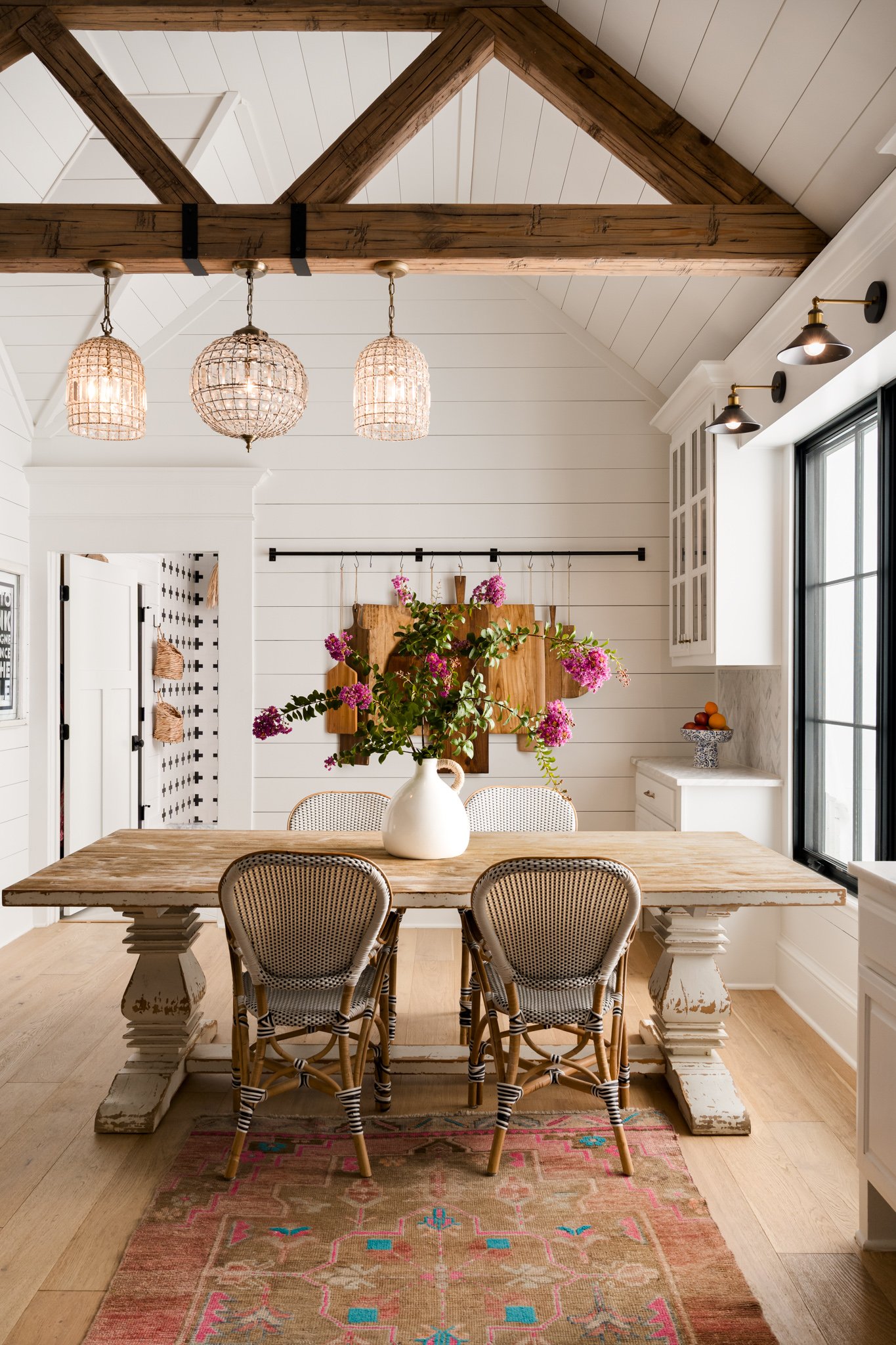
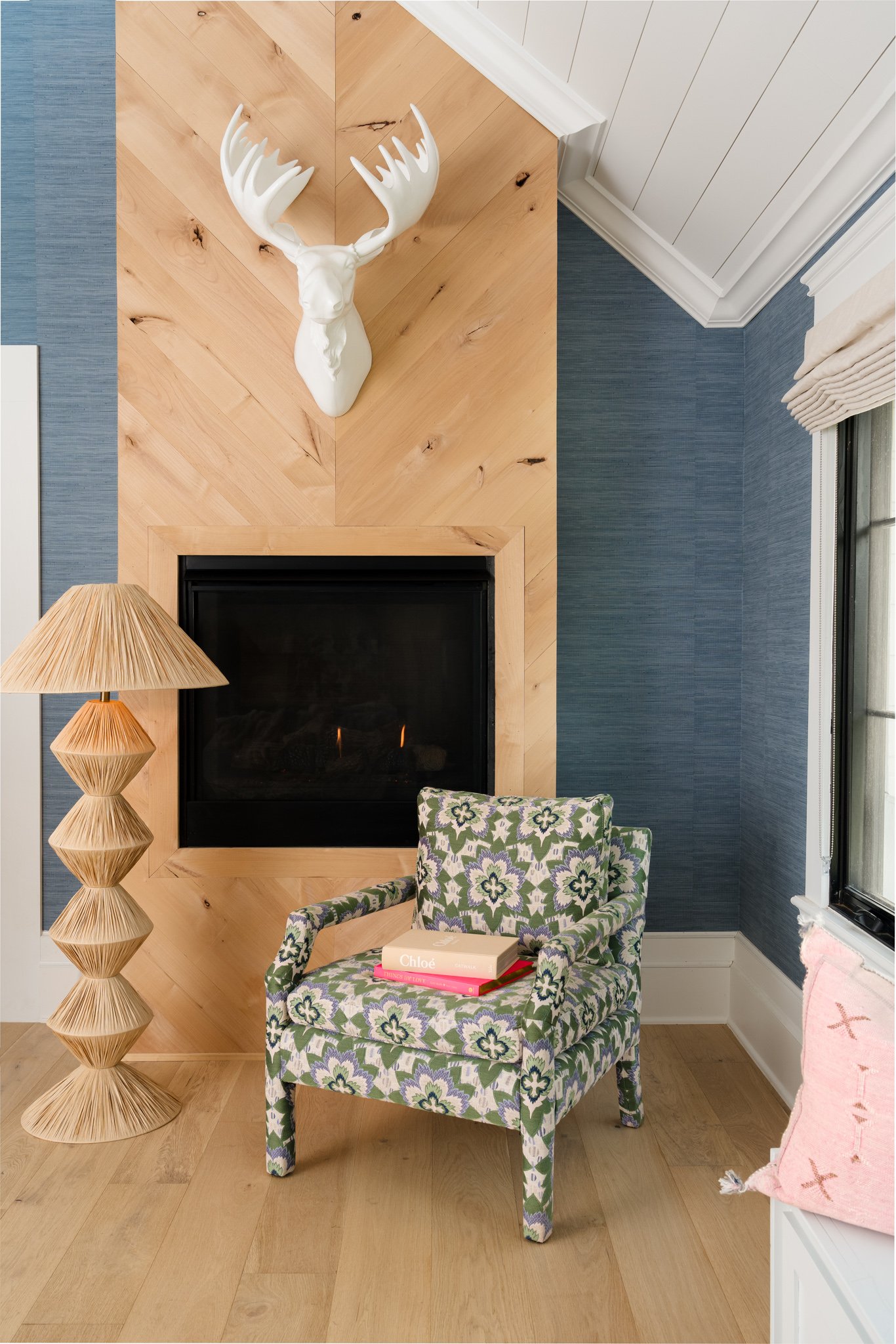
One of my biggest regrets is looking through my archives now and realizing how much work I simply never shared.
There are entire projects sitting on hard drives that could have been working for my business for years.
They could have filled case studies, blog posts, Instagram feeds and Pinterest boards. They could have shown potential clients the breadth of spaces I've photographed. They could have demonstrated my experience long before I felt experienced enough to talk about it.
Would I put every one of those photographs on my homepage today?
Absolutely not.
That's not the point.
Your entire body of work doesn't need to represent the absolute pinnacle of your current ability to have value.
Older work can show breadth. It can tell a story. It can demonstrate experience. It can teach something. It can become the foundation for a conversation about how your approach has changed.
You can even go back and re-edit old work with the skills you've developed since you photographed it.
And there is something incredibly valuable about looking backward.
Improvement can feel nonexistent while you're in the middle of it. Look at your work from two or three years ago and suddenly the distance you've traveled becomes obvious.
I'm much more forgiving of my earlier work now.
I can see the things I would change without needing to dismiss the photograph entirely.
That project taught me something.
That photograph led to another photograph.
That client led to another client.
That version of me was figuring it out.
The work didn't need to be perfect to have value.
What I Would Do Differently
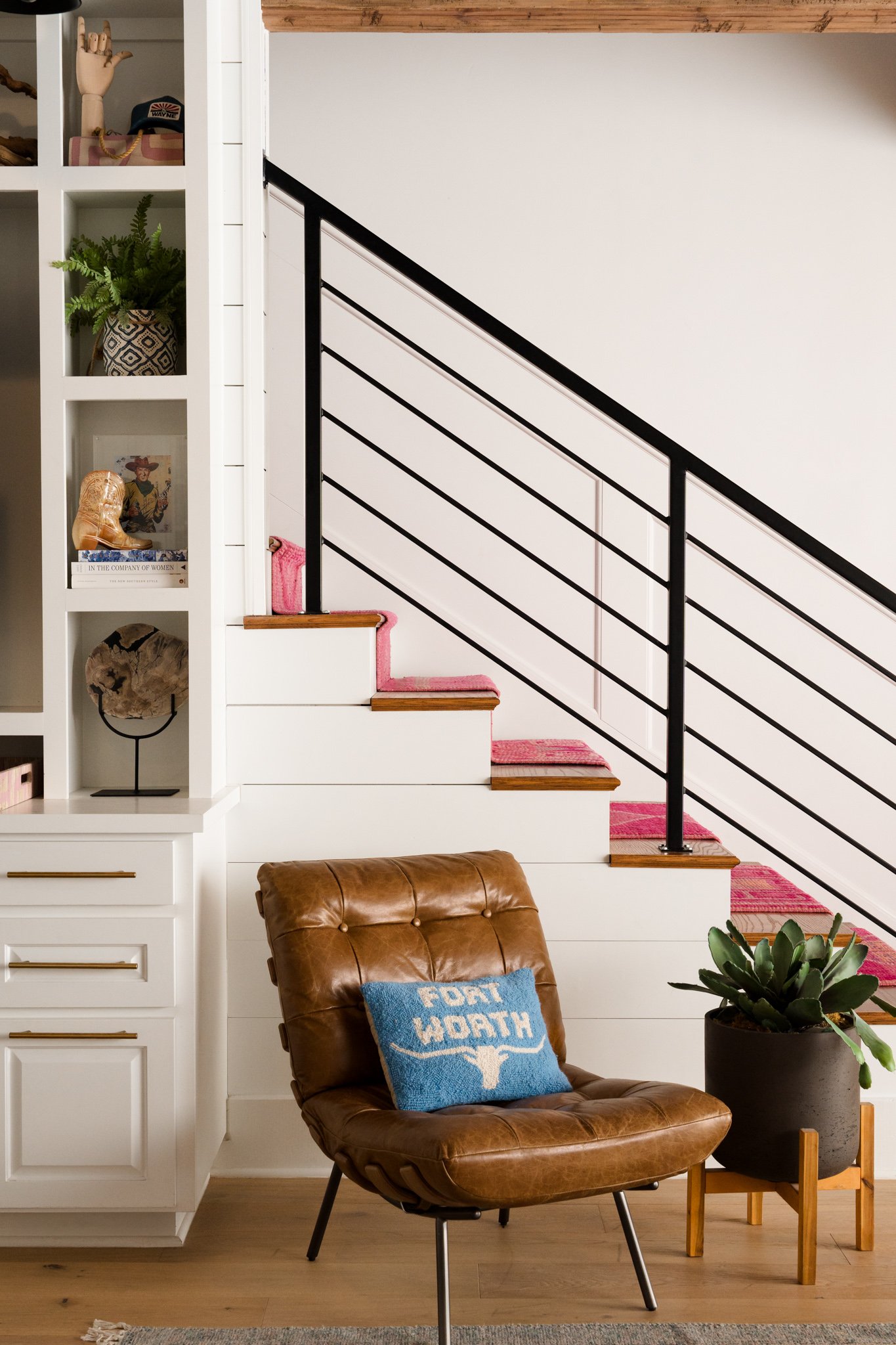
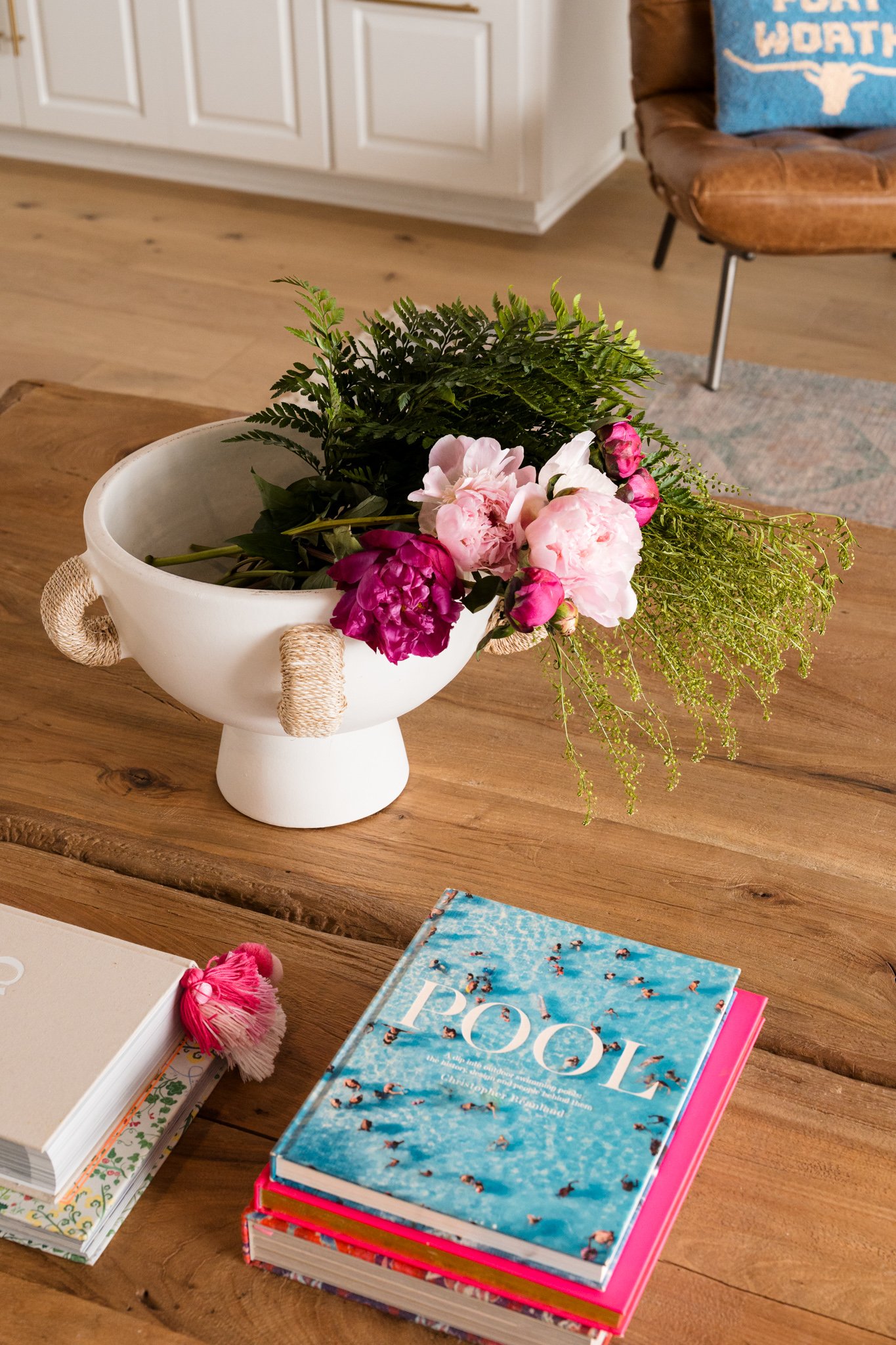
If I could go back to the beginning of this business, I would tell myself to get the reps.
Especially early in your career, optimize for experience before you optimize for perfection.
Photograph the projects that give you an opportunity to build your skills and your portfolio. Learn how to solve problems when there's a client standing behind you and the clock is running.
Invest in the gear that meaningfully expands what you're capable of creating. Take courses from working professionals who can shorten your learning curve. Ask questions. Experiment constantly.
Then put the work out there.
Post the Project Reveal.
Write the evergreen article.
Pin the photograph.
Talk about the project.
Talk about it again.
Brainstorm twenty different ways to tell stories from the same body of work.
Repurpose it. Repost it. Stop assuming everybody has already seen it.
Make lead generation and relationship building as much a part of the business as making the photographs themselves.
And keep your standards.
Always strive for improvement.
Look backward with kind eyes while still asking yourself what you could do better next time.
Perfectionism isn't inherently the enemy. The desire to improve is one of the greatest tools a creative person has. But consistently moving the goalpost is a double-edged sword. On one hand, you're constantly striving to become better. On the other, that endless pursuit can destroy your ability to recognize when something is good enough to let go.
Perfect is the enemy of done.
I thought I would eventually reach a point where the photography was good enough.
I would finally feel like an expert. My portfolio would be consistent. My editing would match my taste. I'd stop looking at photographs and immediately noticing the thing I wished I'd done differently.
Then I would feel ready to really put myself out there.
That point never came.
And I'm glad it didn't.
The work gets better. Your taste develops. Your standards are raised. Your business changes. The goalpost moves again.
That's the work.
Marketing isn't what you do once you've become the photographer you want to be.
It's part of how you become her.
Follow Along on Instagram
Recent projects, behind-the-scenes moments, and a closer look at the spaces, details, and designers I have the opportunity to photograph.
Thoughtful Spaces Deserve Thoughtful Photography
Great photography begins long before the camera comes out. I work closely with interior designers, architects, and creative teams to understand what makes each project worth remembering, then create photographs that communicate the intention behind the design.
If you have a project worth documenting, I’d love to hear about it.