Marketing Your Interior Design Business: How to Turn Photography Into a Creative Strategy
How to turn every photoshoot into a strategic library of content that builds your brand, strengthens your portfolio, and supports your business long after shoot day.
By Stacy Markow
Photography Is More Than Documentation
Of course, the first job of interior photography is to document the design beautifully and accurately.
But professionally photographed projects can serve your business in many different ways.
One photograph might become the hero image on your website. Another might introduce a project reveal on your blog. A detail photograph could become a Pinterest pin, while a wider composition might accompany an editorial submission or award entry.
Together, those images become a visual library for your business.
They can support:
Your portfolio and website
Social media
Pinterest
Blog and SEO content
Email marketing
Editorial submissions
Awards and industry recognition
Print collateral
Press opportunities
Future pitches and proposals
Instead of thinking about photography as something that happens at the end of a project, I prefer to think about it as part of the project's creative production and marketing strategy.
Start With What You Want the Project to Do
Not every project needs to accomplish the same thing.
Maybe you've just completed your first large-scale renovation and want to attract more whole-home projects.
Perhaps you've designed a particularly beautiful kitchen and want to strengthen that portion of your portfolio.
Maybe the project has a compelling story that could make it a strong candidate for editorial publication.
Or perhaps you're entering a new market and need imagery that visually establishes where you want your studio to go next.
Before the photoshoot, identify the project's marketing priorities.
Ask yourself:
What kind of work do I want this project to help me book?
What part of my design perspective does this project demonstrate particularly well?
Where will these photographs ultimately be used?
Is there an editorial story here?
Those answers can influence everything from the images we prioritize to the details we photograph.
Build a Photography Library, Not Just a Portfolio
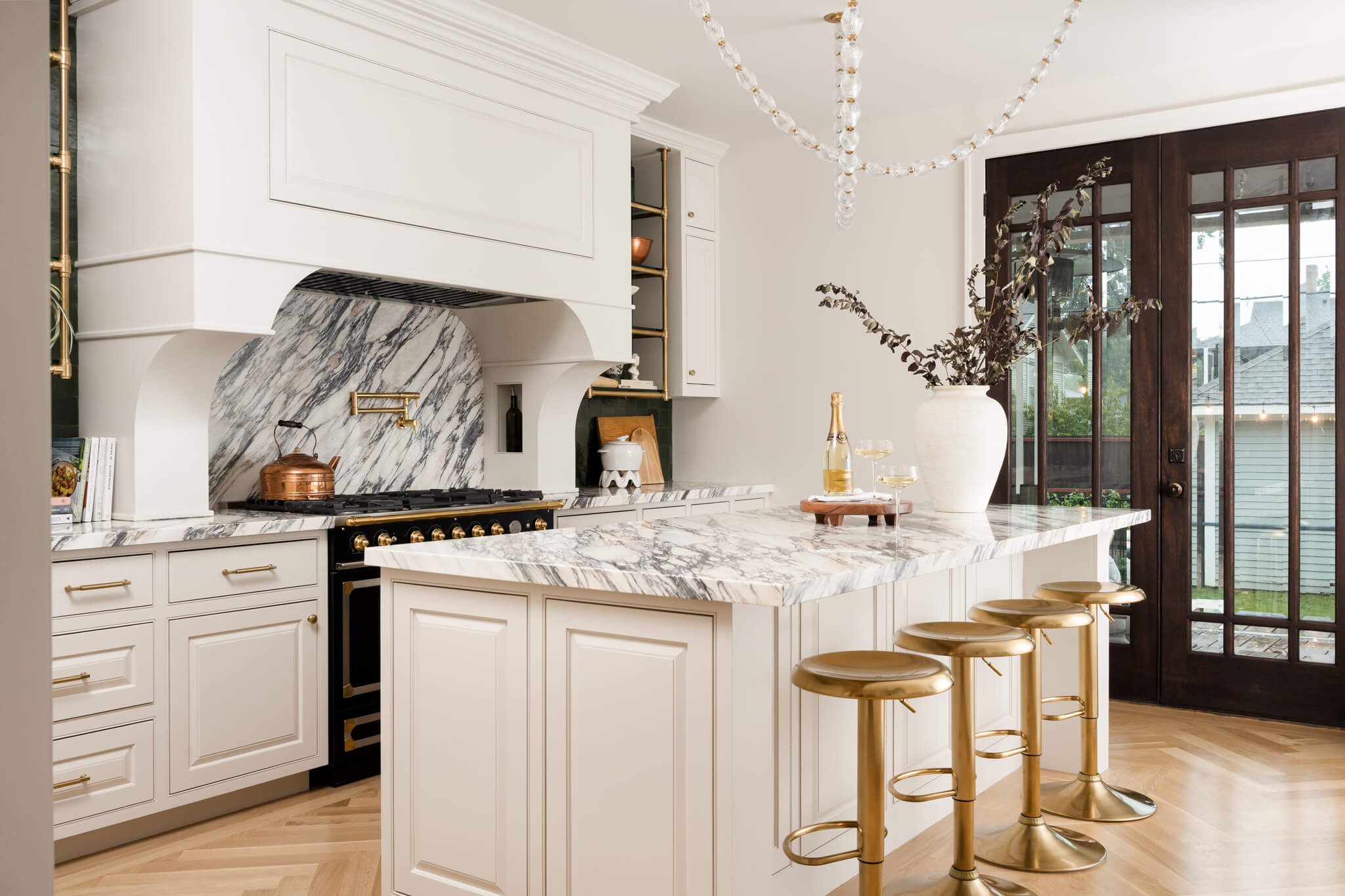
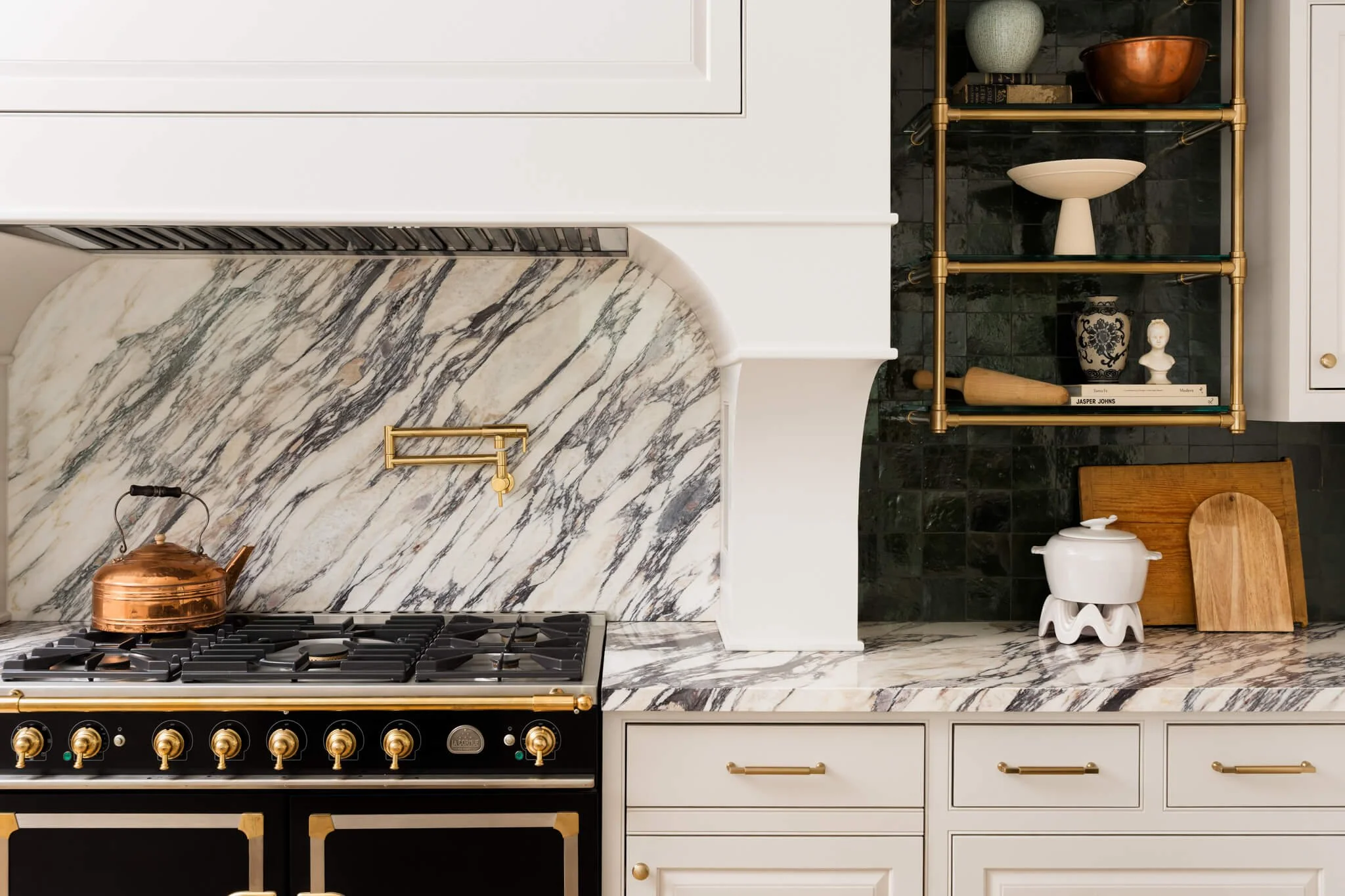
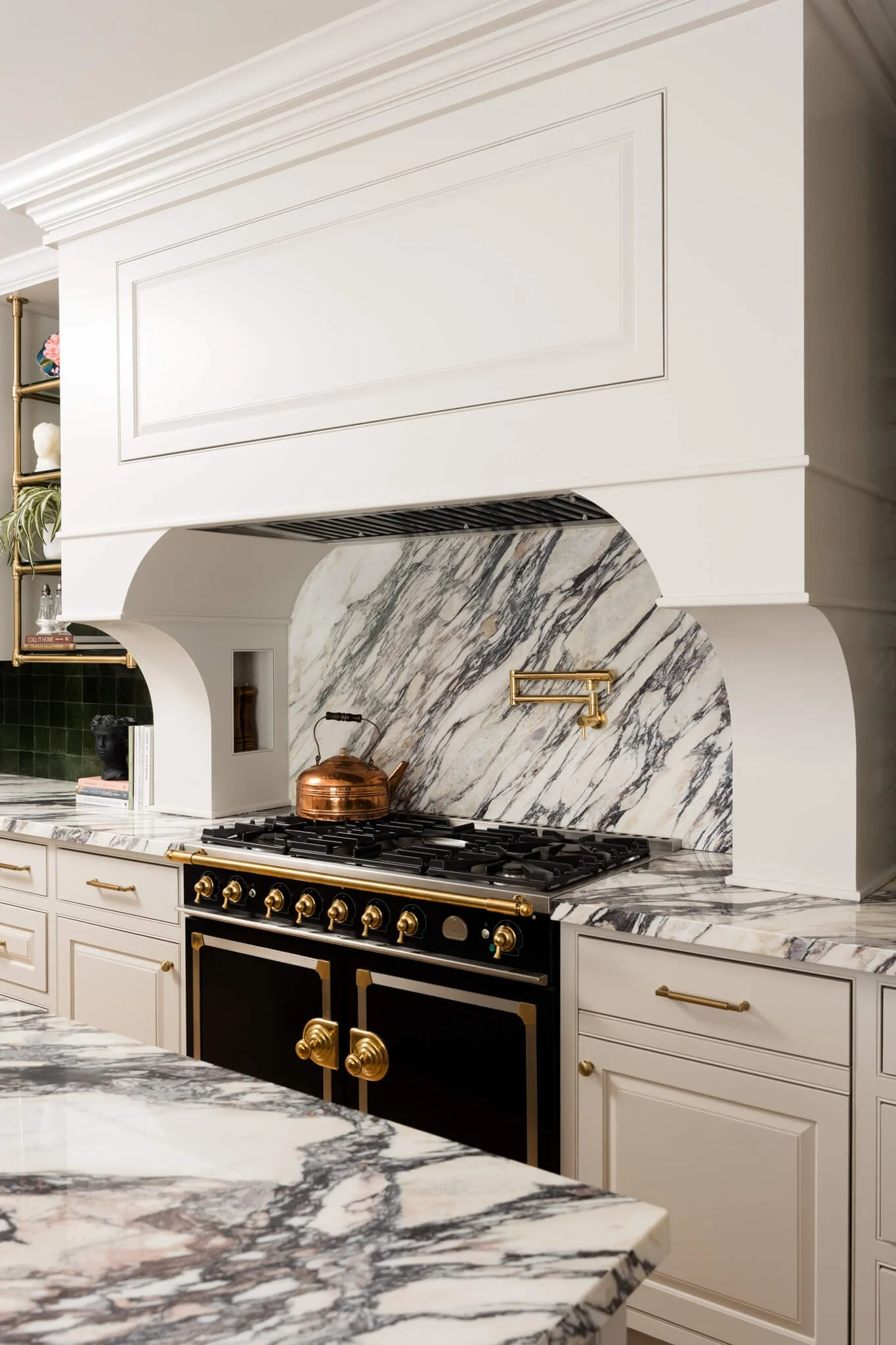
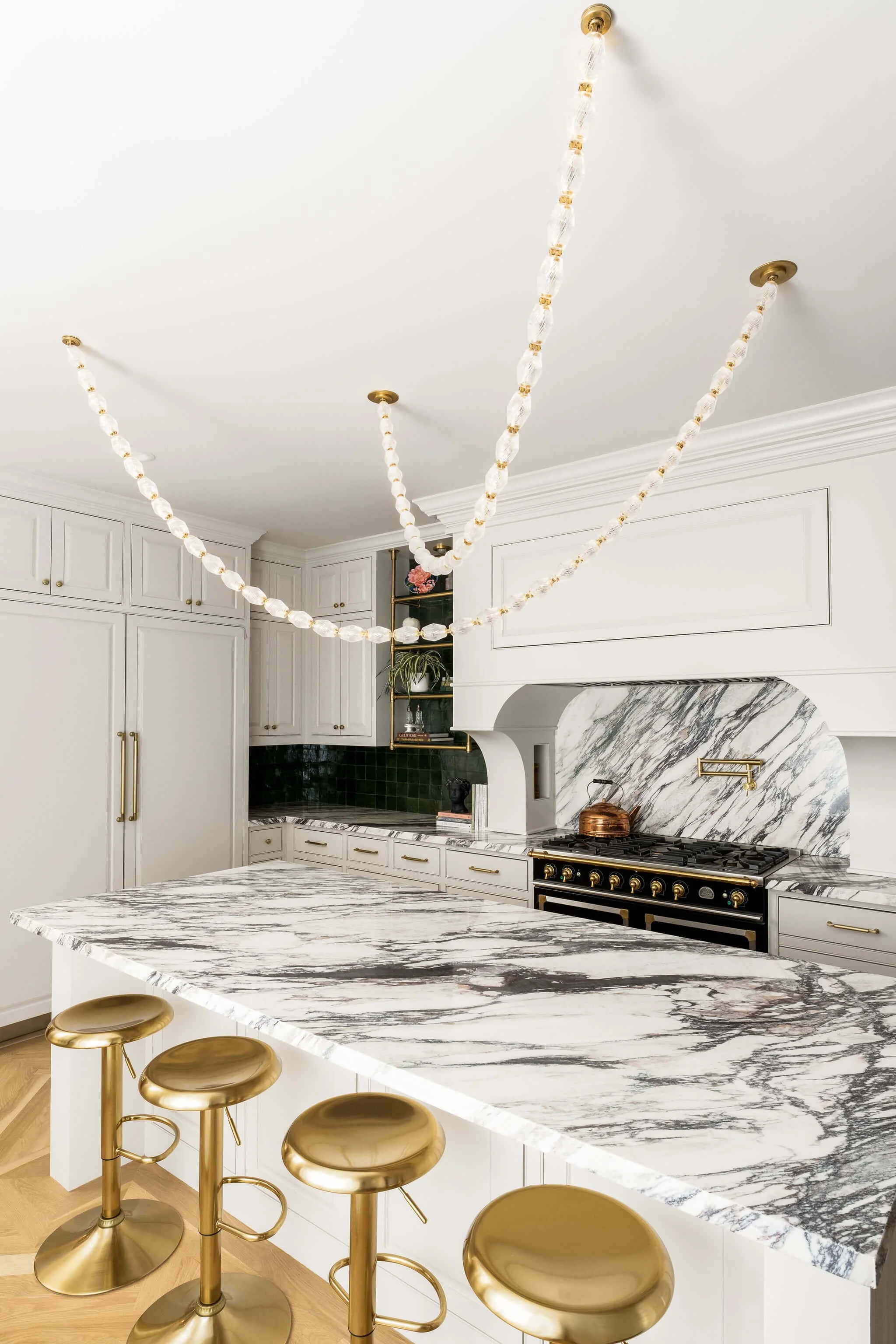
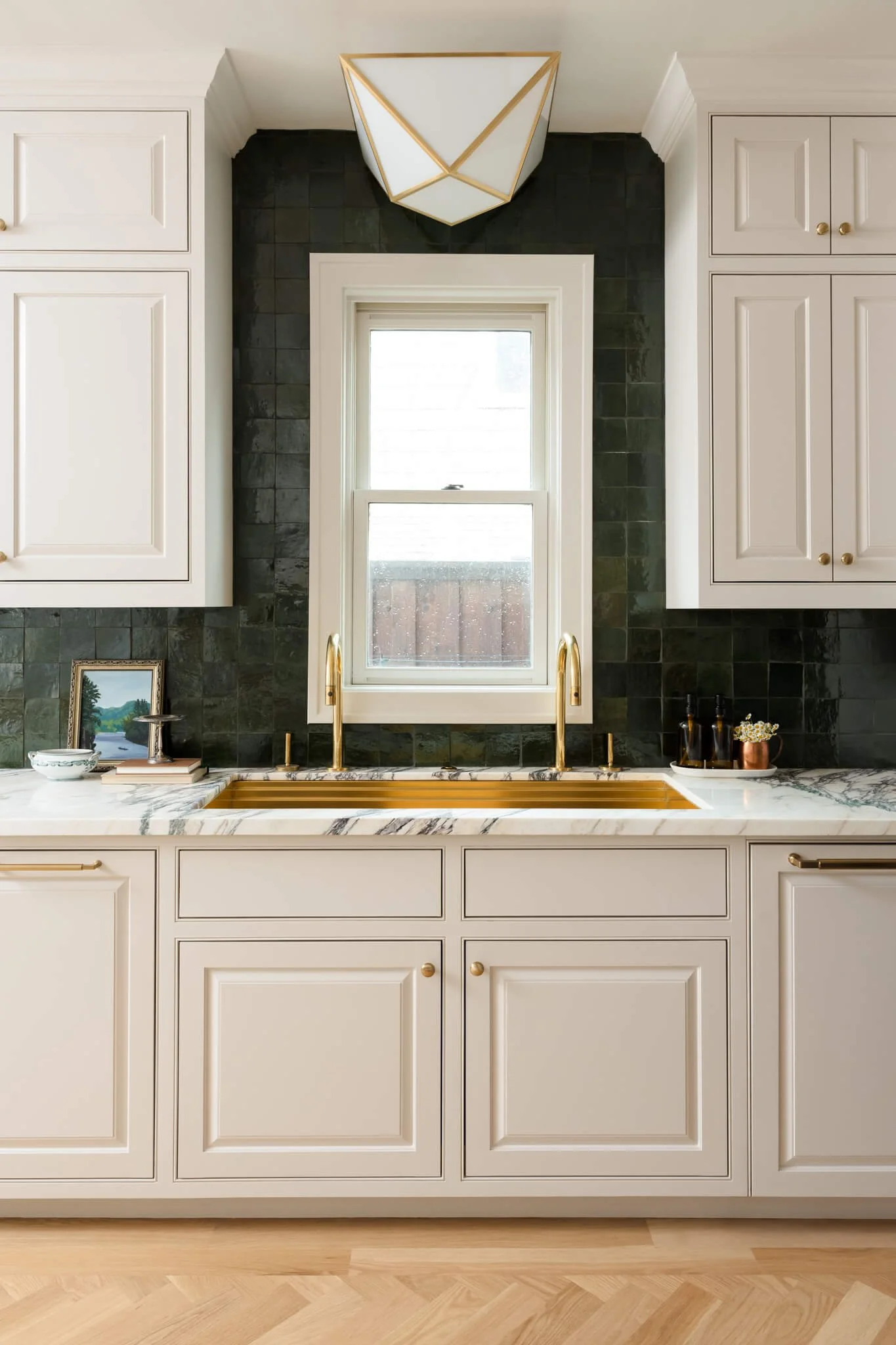
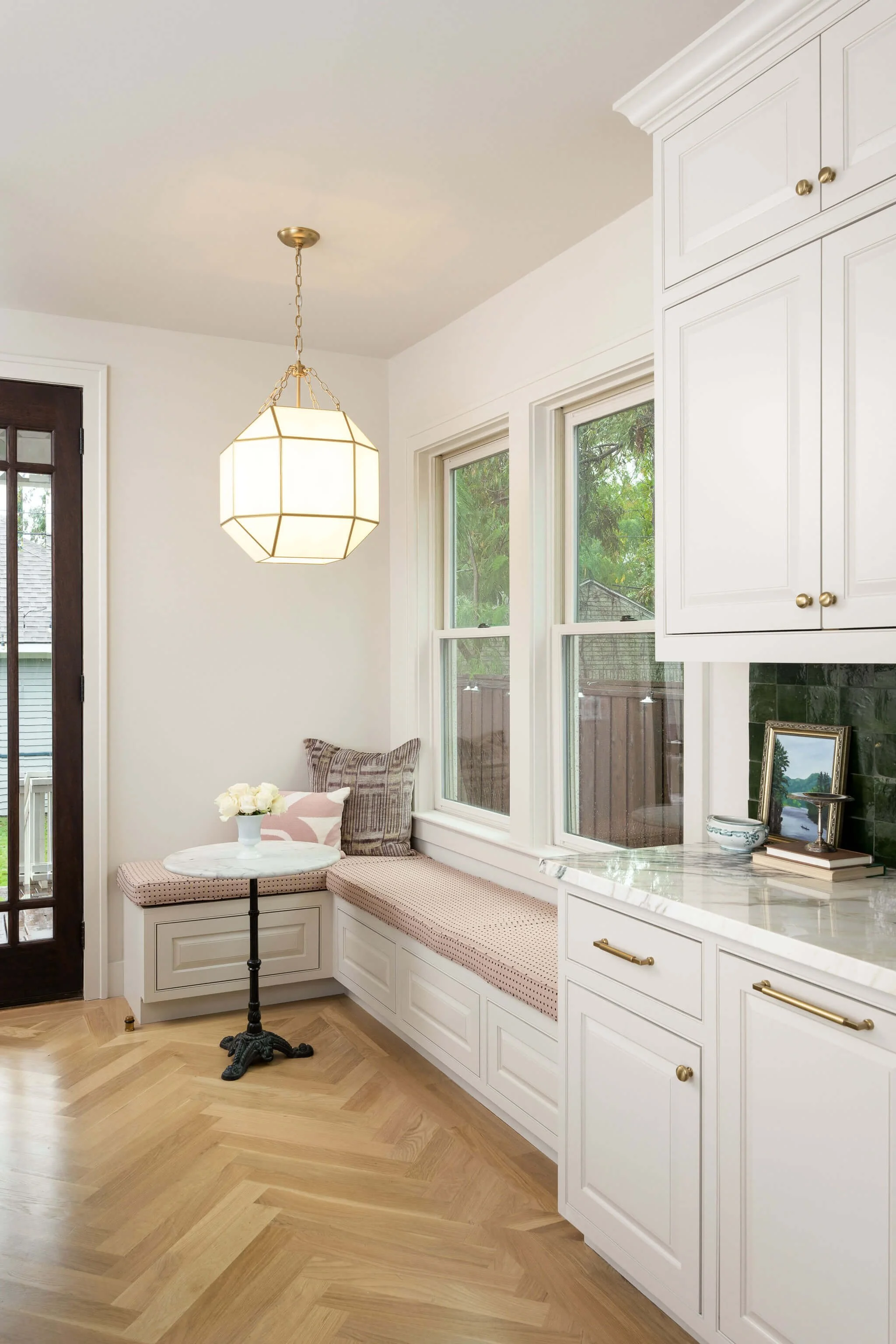
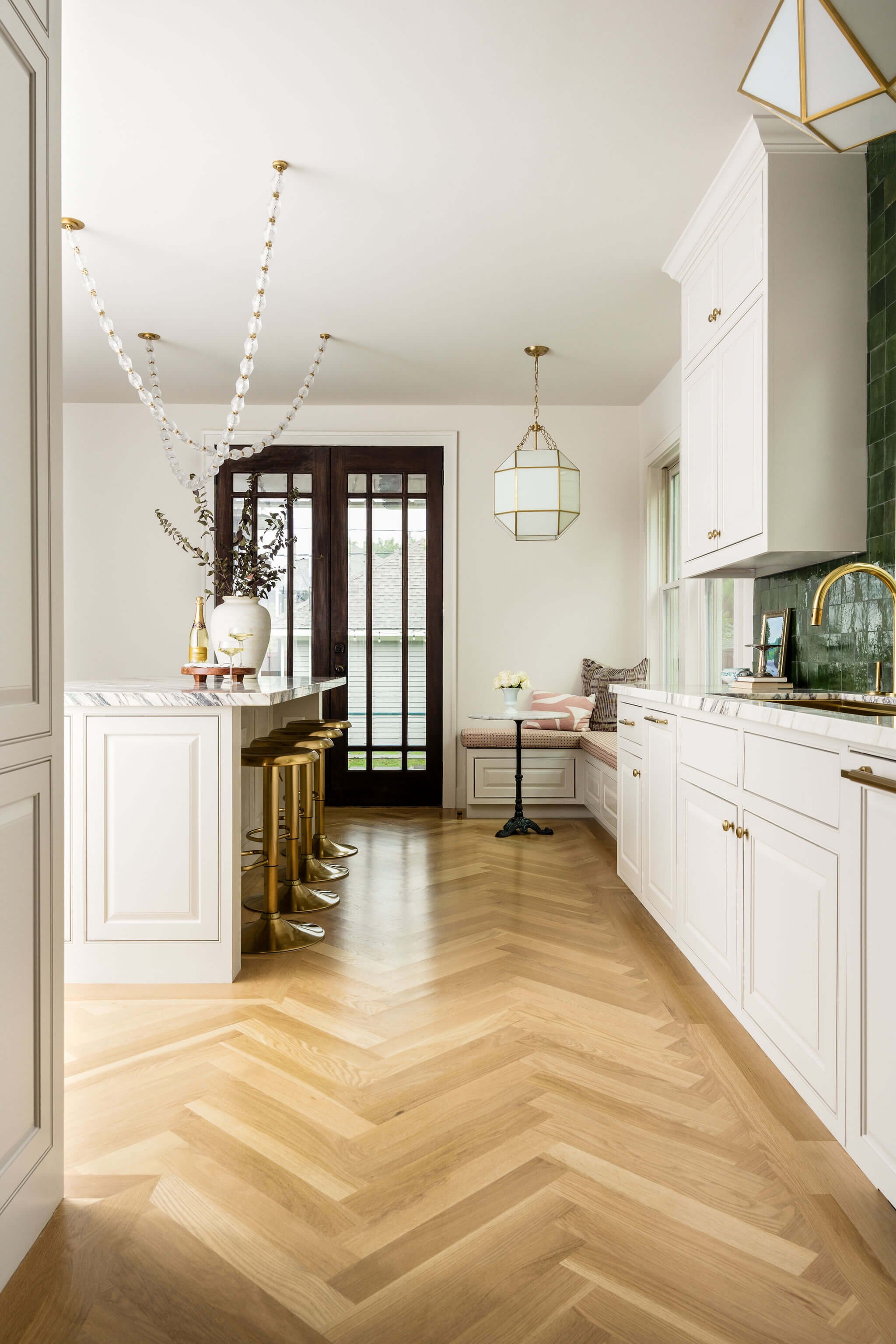
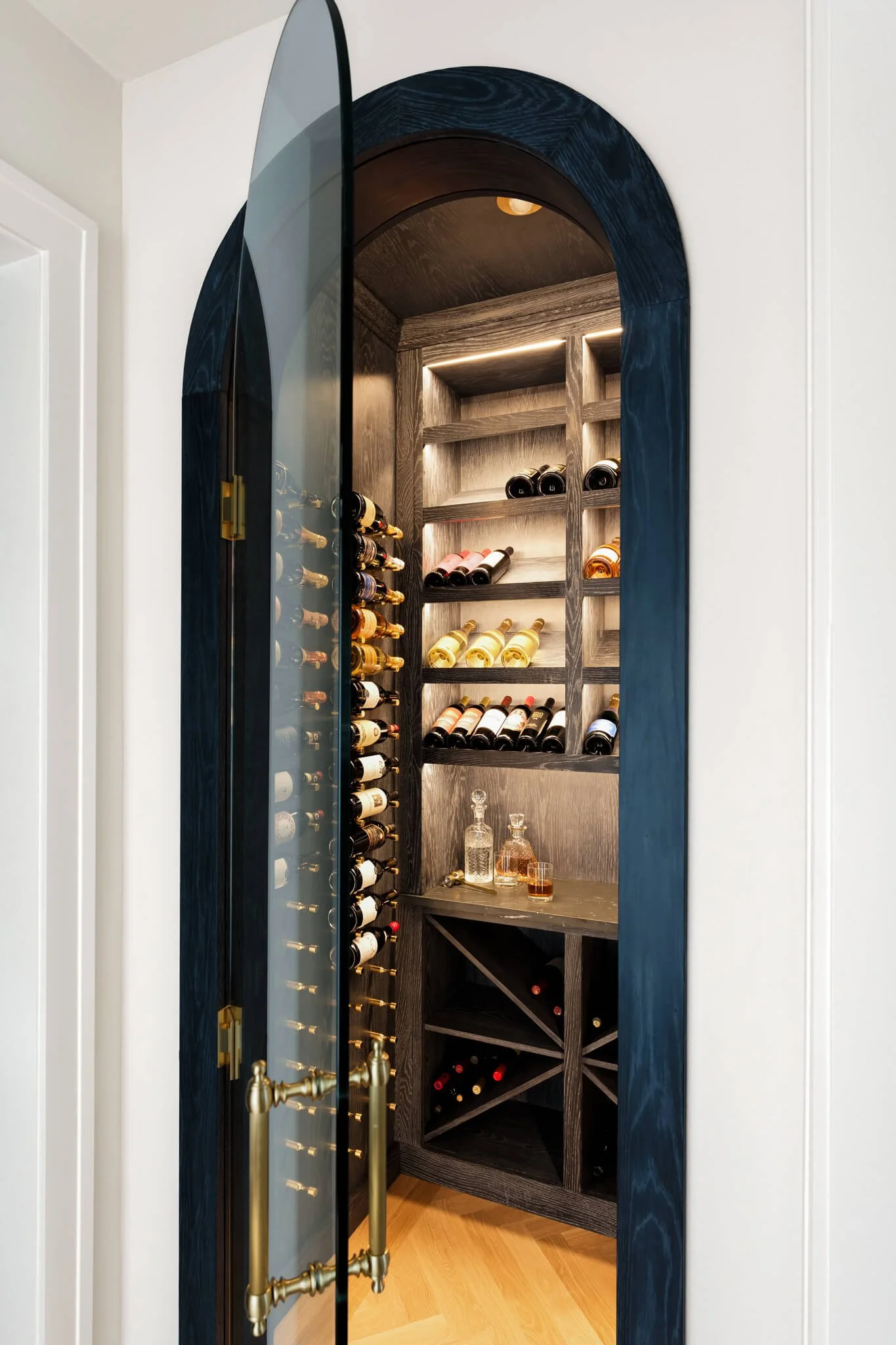
Your portfolio needs beautiful establishing photographs, but your marketing often needs much more.
This is why I like creating a variety of perspectives throughout a project.
The Establishing Shot
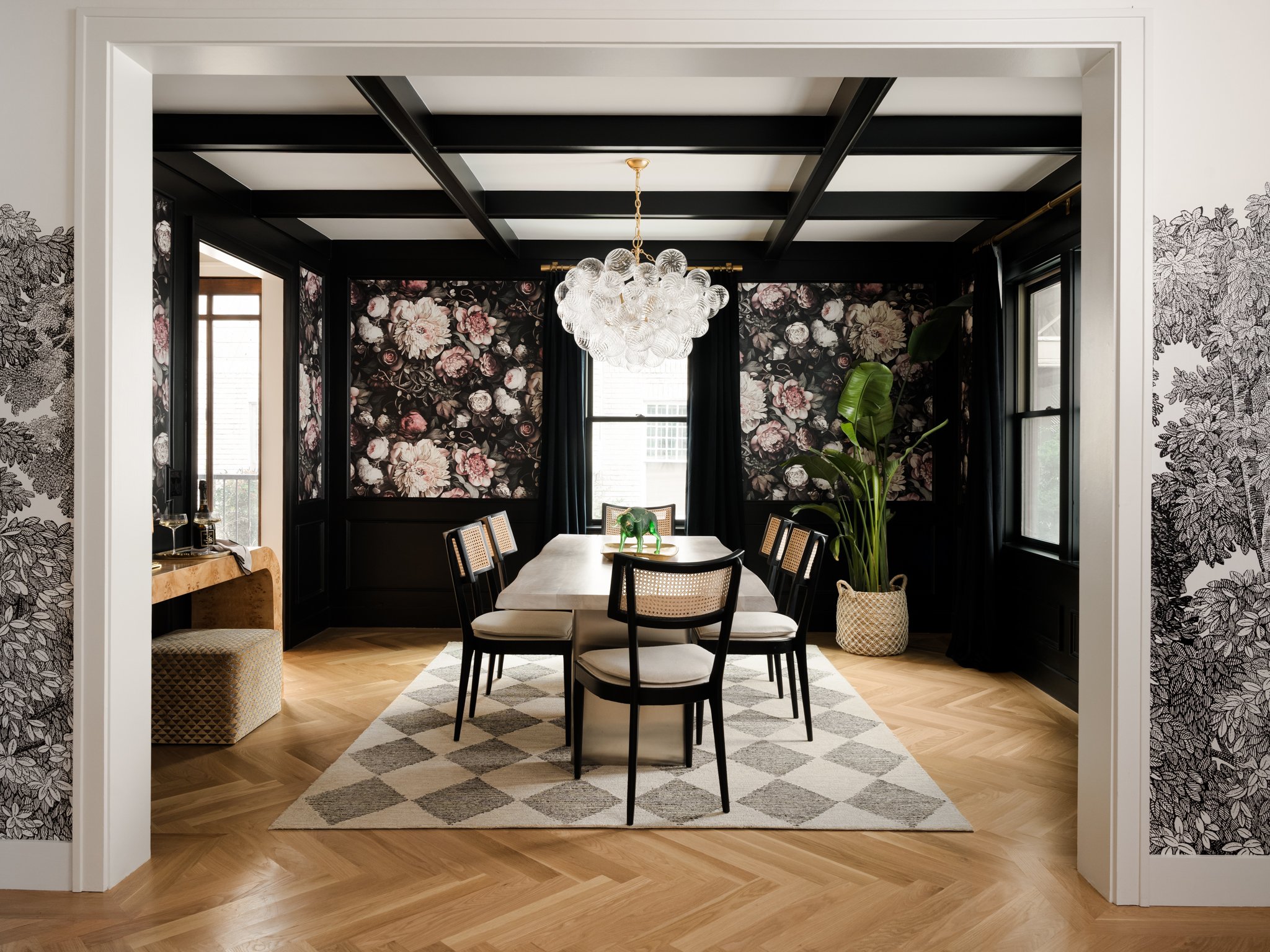
These are the photographs that show the complete design and establish the space. They're often your strongest portfolio images and website heroes.
The Supporting View
A slightly different composition can reveal how rooms connect, highlight architecture, or show a design decision that wasn't as visible in the hero photograph.
The Detail
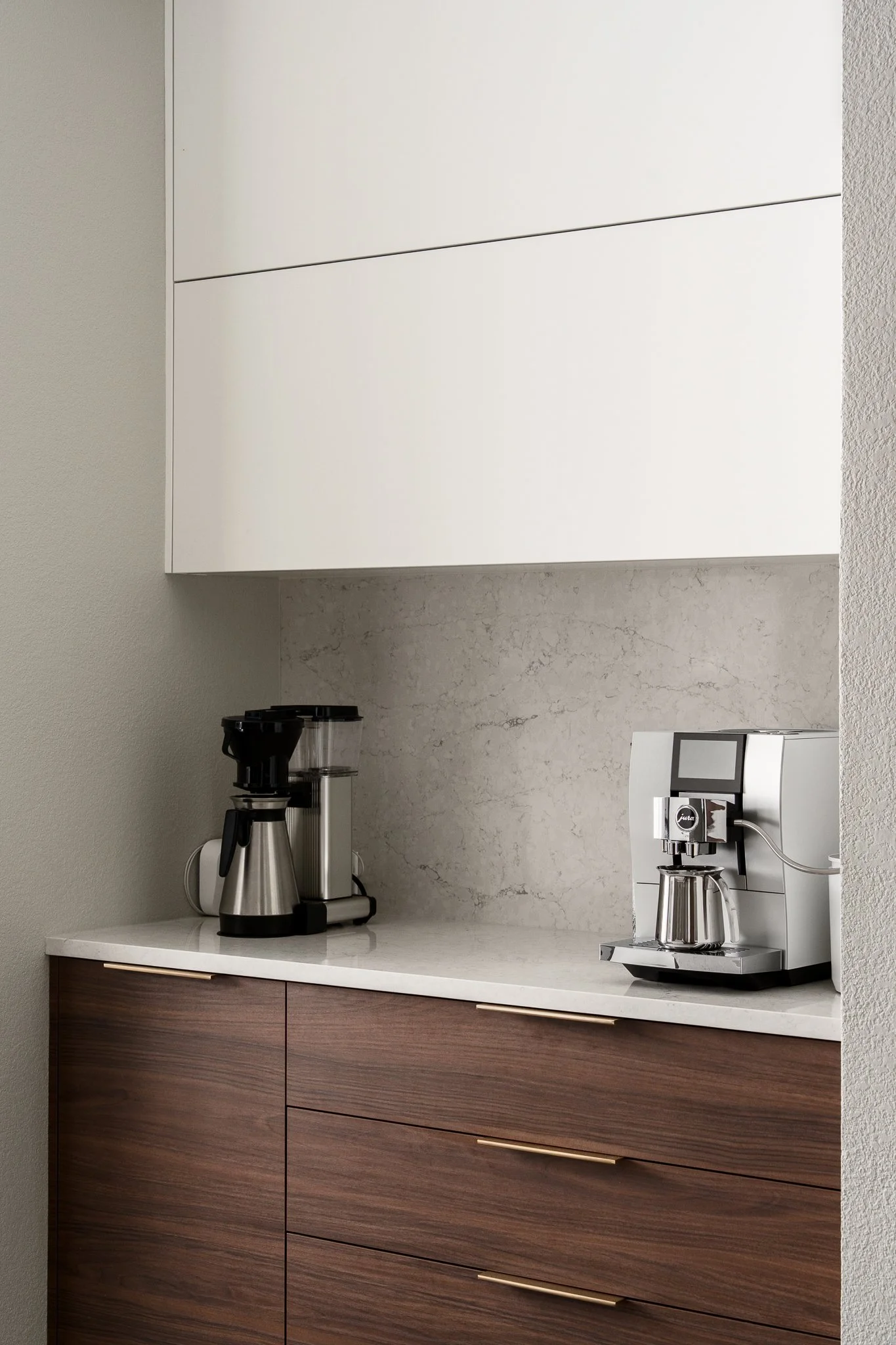
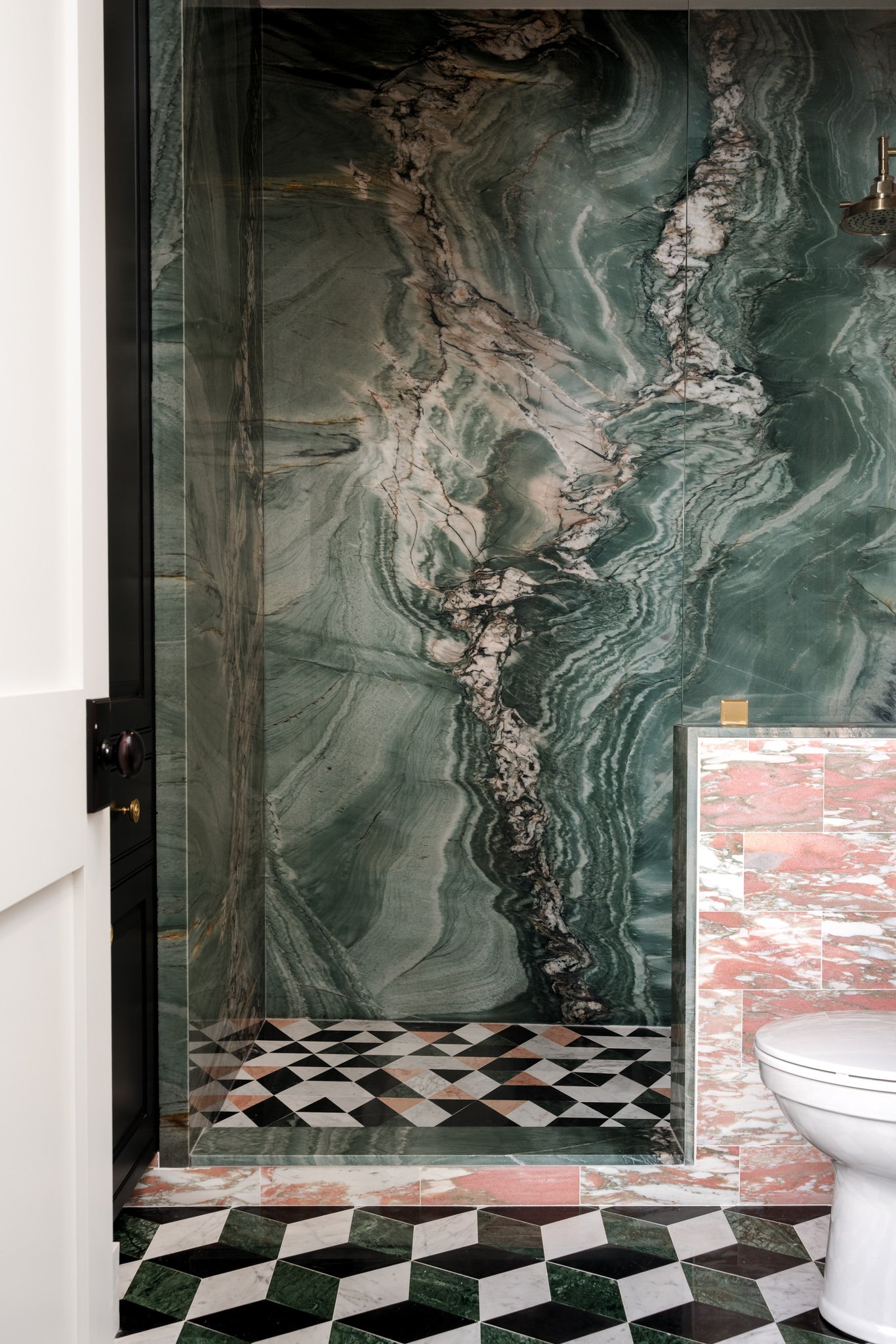
Hardware, stone, textiles, millwork, art, styling and small moments help communicate craftsmanship and give you additional imagery for storytelling.
The Vignette
These quieter compositions create visual variety and are particularly useful for editorial layouts, social media and marketing content.
The Connection
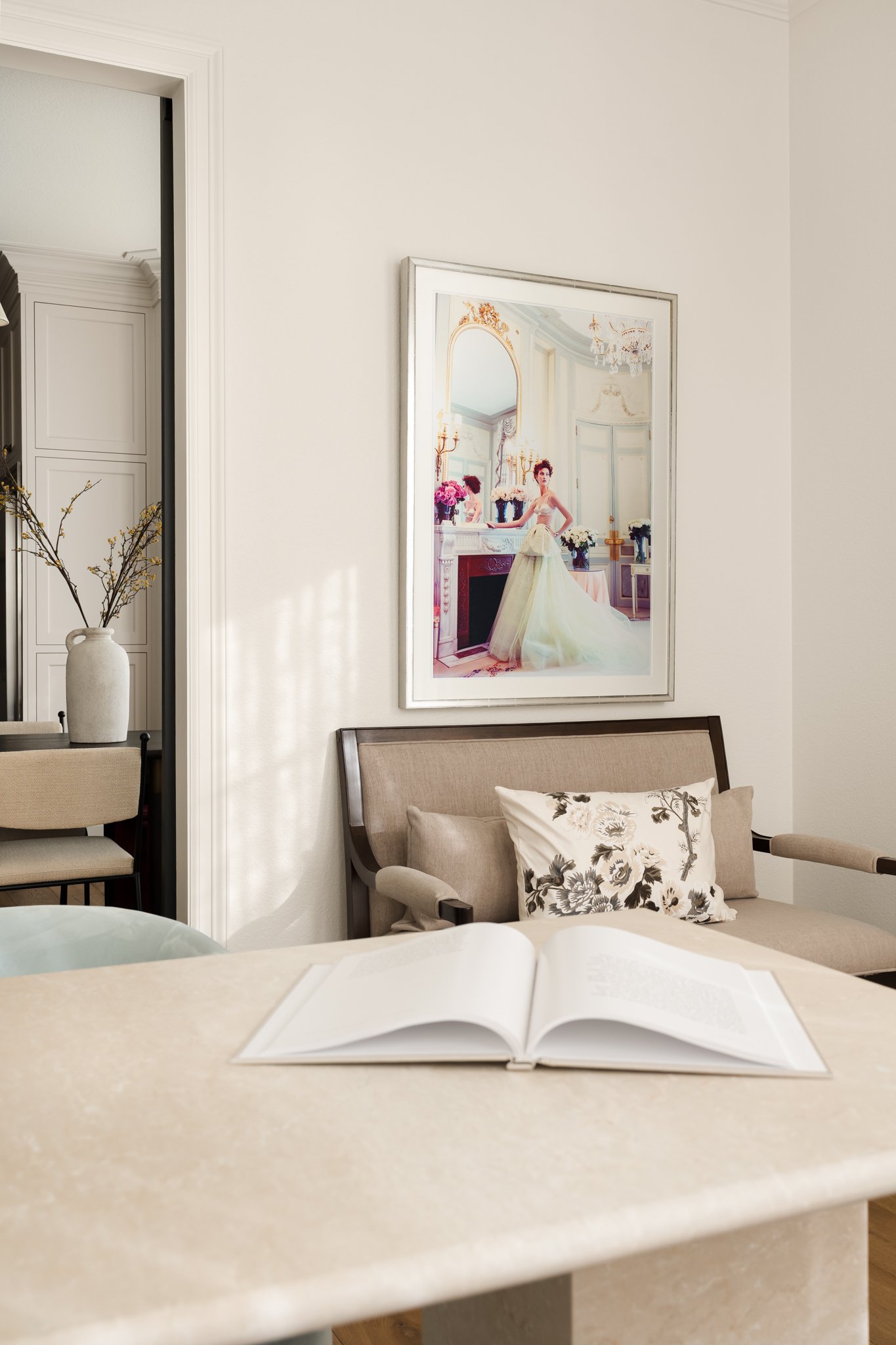
Photographing one space through another can show how materials, colors, architecture and sightlines carry throughout a home.
When all of these work together, you're no longer leaving the shoot with a collection of individual photographs.
You're leaving with the visual vocabulary to tell the project's story.


One Project Can Become Months of Marketing
This is where photography becomes especially valuable.
You don't need a new project every week to consistently market your interior design business.
One thoughtfully photographed project can become an entire content ecosystem.
For example, a single project could become:
A complete portfolio gallery
A project reveal
Several Instagram carousels
Individual posts about specific rooms
A post highlighting an interesting design detail
A before-and-after story
Pinterest content
A newsletter feature
An educational blog post
A design-process story
An editorial pitch
An award submission
A client testimonial paired with finished imagery
And those pieces don't need to be published all at once.
A project photographed today can continue appearing throughout your marketing months or even years later.
Good photography gives your work a much longer marketing life.
Use Your Website to Tell the Full Story
Social media gets plenty of attention, but your website is where your photography has some of its most important work to do.
Your portfolio should quickly communicate the caliber and style of projects you want to be hired for.
But don't stop at a gallery.
Consider giving your strongest projects their own pages or project reveals where you can explain the story behind the work.
Talk about the client's goals. Highlight unusual architectural or design challenges. Explain the materials or details that made the project special.
This gives prospective clients something a gallery alone cannot: context.
It also creates opportunities for search engines to understand what you do, where you work, and the types of projects your studio specializes in.
Instead of simply showing a beautiful kitchen, for example, you can tell the story of the renovation, discuss the custom cabinetry, identify the neighborhood or market when appropriate, and explain the thinking behind the design.
Photography captures their attention.
The story gives them a reason to stay.

Think Beyond Instagram
Instagram can absolutely be part of your marketing strategy, but it shouldn't be the strategy.
Your photography is far too valuable to live on one platform.
Pinterest can continue sending people to your website long after an image is originally published. Blog content can support search visibility. Newsletters allow you to speak directly to people who already know your business. Editorial features can introduce your work to entirely new audiences.
And your own website is an asset you control.
Rather than asking, "What should I post on Instagram?"
Try asking:
"How many ways can I tell the story of this project?"
That small shift makes content creation considerably easier.
Photography Can Help Shape Your Brand
There's another part of photography strategy that is easy to overlook: what you choose to photograph eventually becomes what people associate with your business.
If you want to be known for colorful interiors, you need strong photographs of your colorful work.
If you want more historic renovations, custom homes, luxury kitchens or highly detailed spaces, those projects need to become visible parts of your portfolio.
Your marketing can only communicate what you give it to work with.
That doesn't mean every project needs to be photographed. In fact, being selective can make your portfolio stronger.
Consider whether a project:
Represents the direction your studio is heading
Shows something you haven't photographed before
Strengthens an area of your existing portfolio
Has a compelling story
Could appeal to publications
Demonstrates your design perspective particularly well
Sometimes the most strategic decision isn't photographing more.
It's photographing the right work.

Plan for Editorial Opportunities Early
If publication is one of your goals, don't wait until the photographs are delivered to start thinking about it.
Consider the story during the planning process.
What makes this project different?
Was there an unusual architectural challenge? An interesting client? A dramatic transformation? A historic property? A creative material choice? A meaningful collection incorporated into the design?
Beautiful photography gets attention, but publications are ultimately looking for stories.
When we identify those stories before the shoot, we can make sure the photography supports them.
That might mean capturing a particular architectural detail, photographing an exterior, documenting a before condition, or making sure we have enough variety to support a potential editorial layout.
A Photoshoot Should Begin With a Plan
This philosophy is why creative production planning has become such an important part of my photography process.
Before I photograph a project, I want to understand more than which rooms need to be photographed.
I want to know:
What are you most proud of?
What do you want to be hired to design again?
How do you plan to market the project?
Are there publications or awards you're considering?
Which details help tell the story?
Those conversations help determine what we prioritize once we're on set.
Because the goal isn't simply to create beautiful photographs.
It's to create beautiful photographs with somewhere to go.

Behind the Shoot: Creating in Less-Than-Ideal Conditions
One of my earlier interior photography collaborations was a project by Kate Thacker Home, photographed alongside Monika Normand Creative and styled by Wear House Style Interiors.
The weather that day was less than cooperative. A torrential downpour left us with very little ambient light inside the home.
But beautiful interiors shouldn't be dependent on perfect weather.
Using controlled artificial lighting allowed us to shape the light, maintain the feeling of the space and create polished imagery despite what was happening outside.
That experience reinforced something that has continued to shape the way I photograph interiors today: good photography isn't about waiting for perfect conditions. It's about understanding how to create the conditions the space needs.
Make Your Photography Work Harder
Your interior design projects represent months, and sometimes years, of creative work.
The photography documenting them deserves an equally thoughtful plan.
Before your next photoshoot, don't just create a list of rooms.
Think about your portfolio.
Think about your website.
Think about the clients you want next.
Think about the stories you can tell.
Think about where you want your studio to be a year from now.
Then create photography that helps you get there.
Follow Along on Instagram
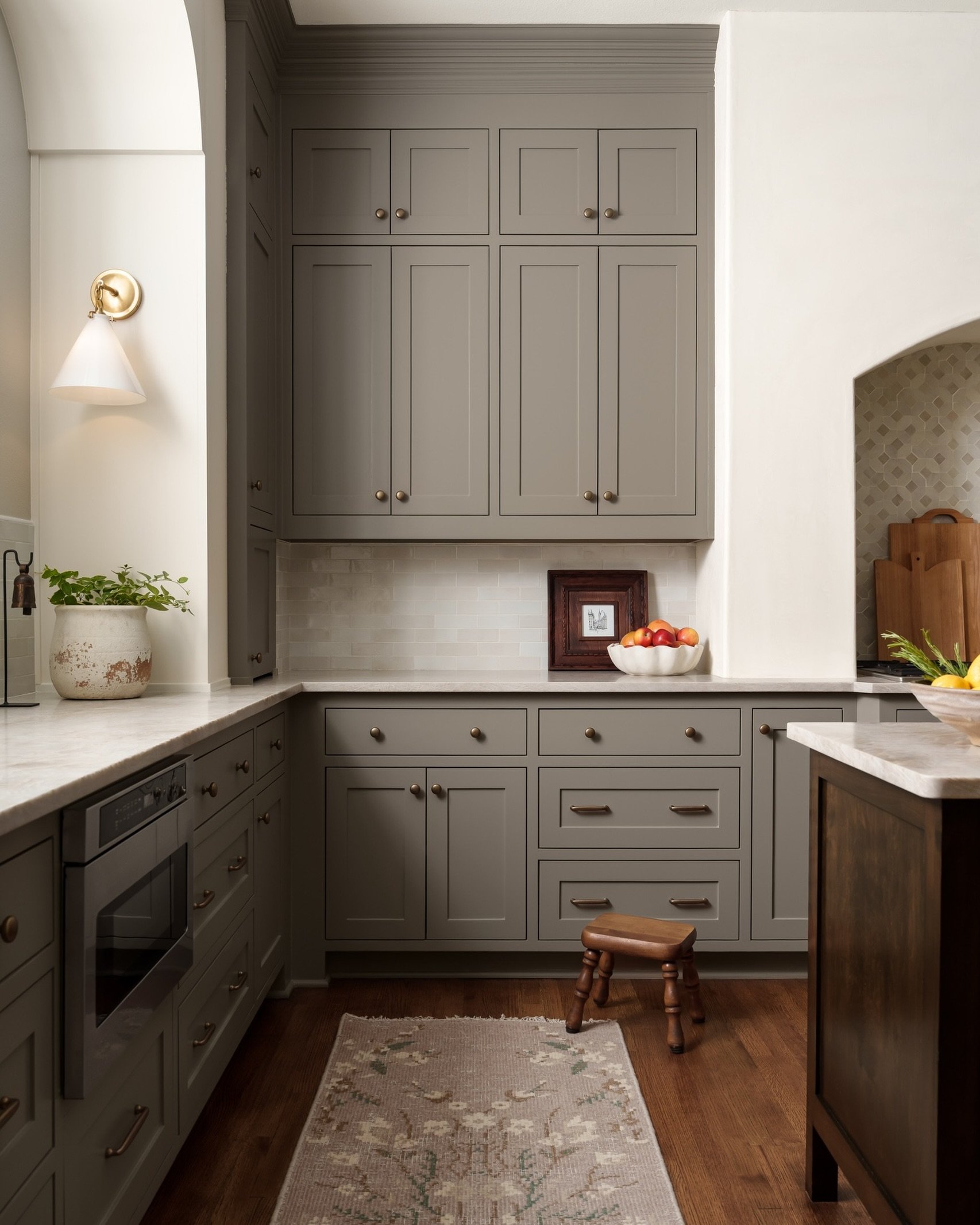
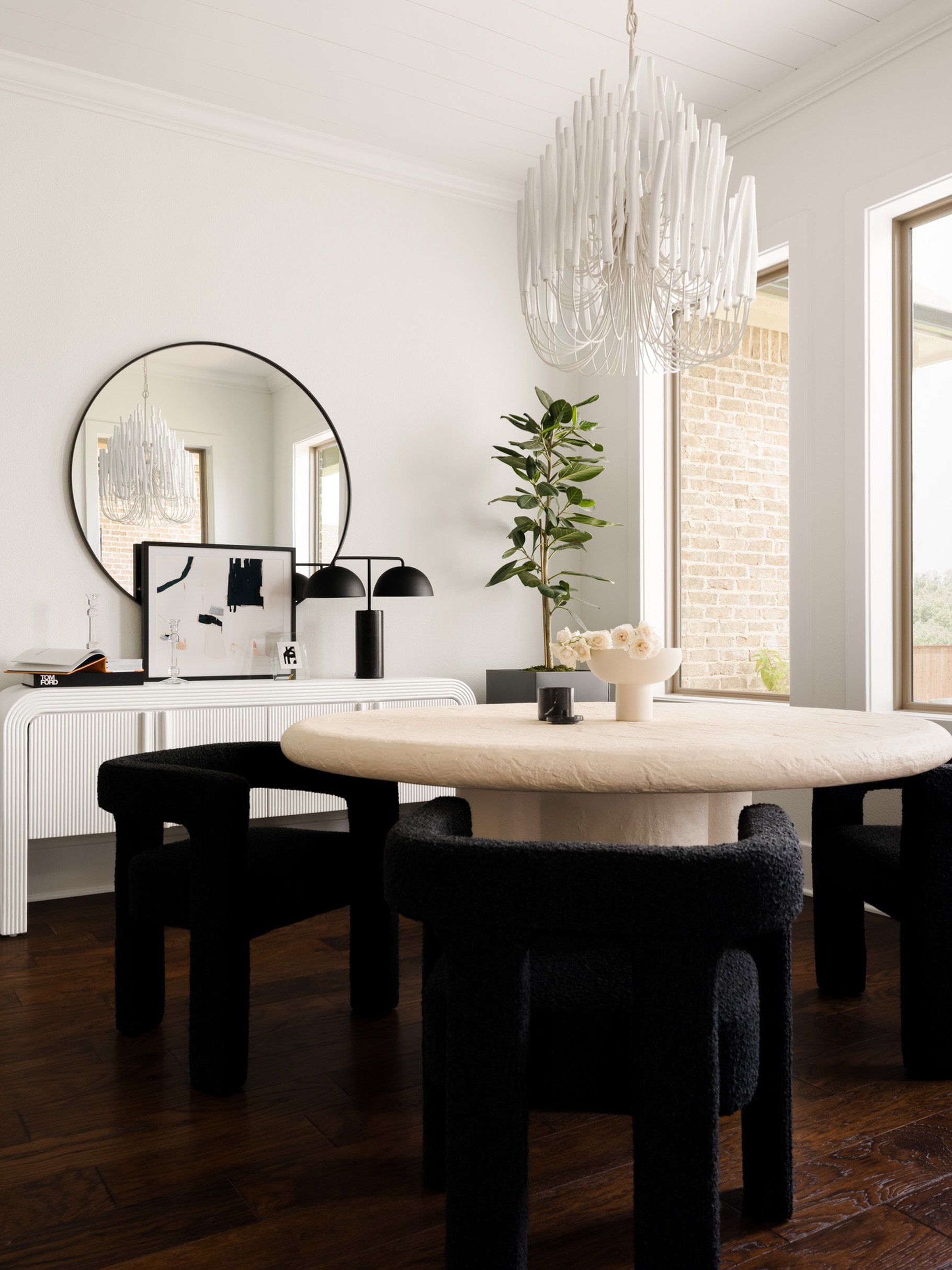
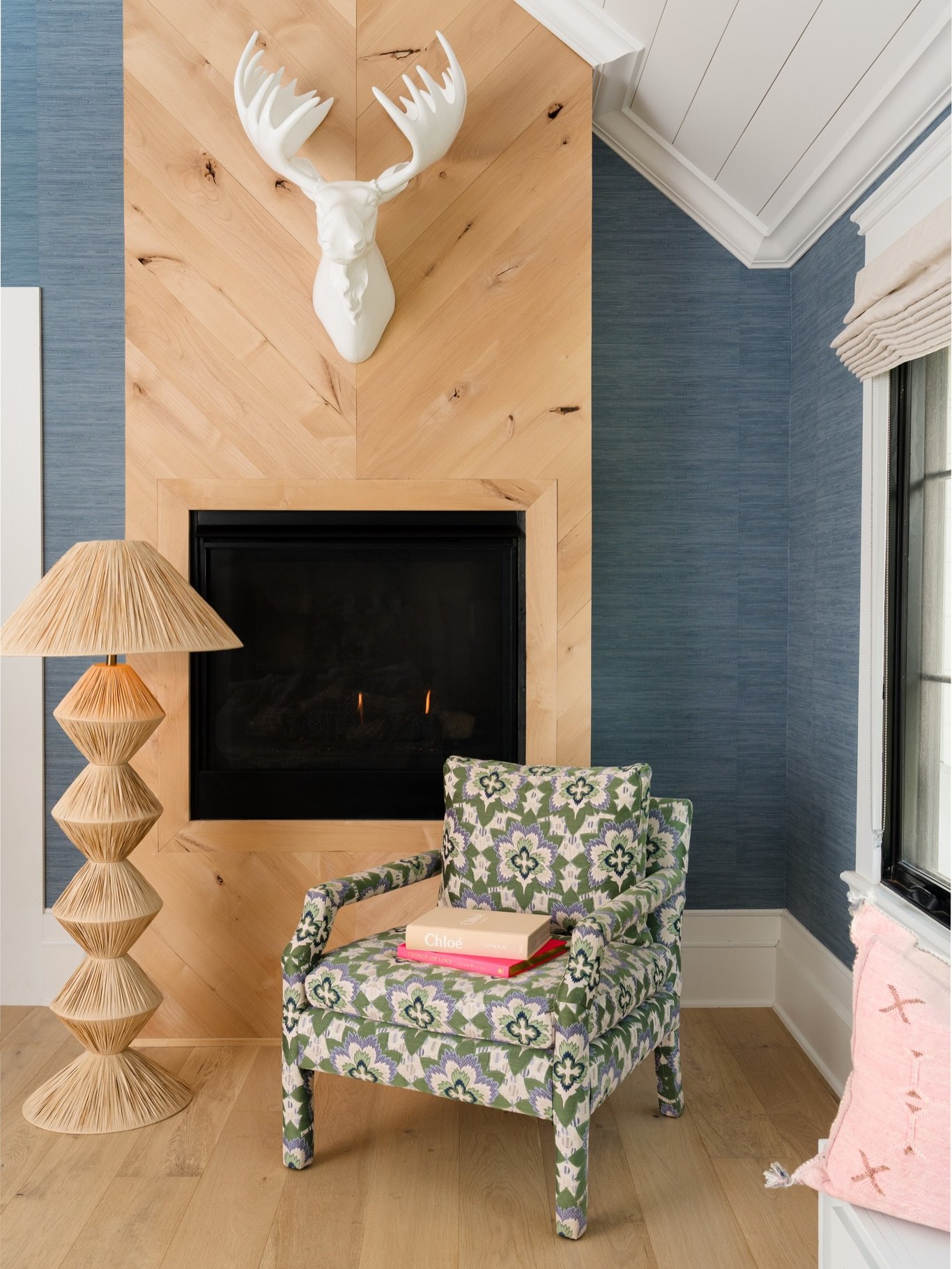
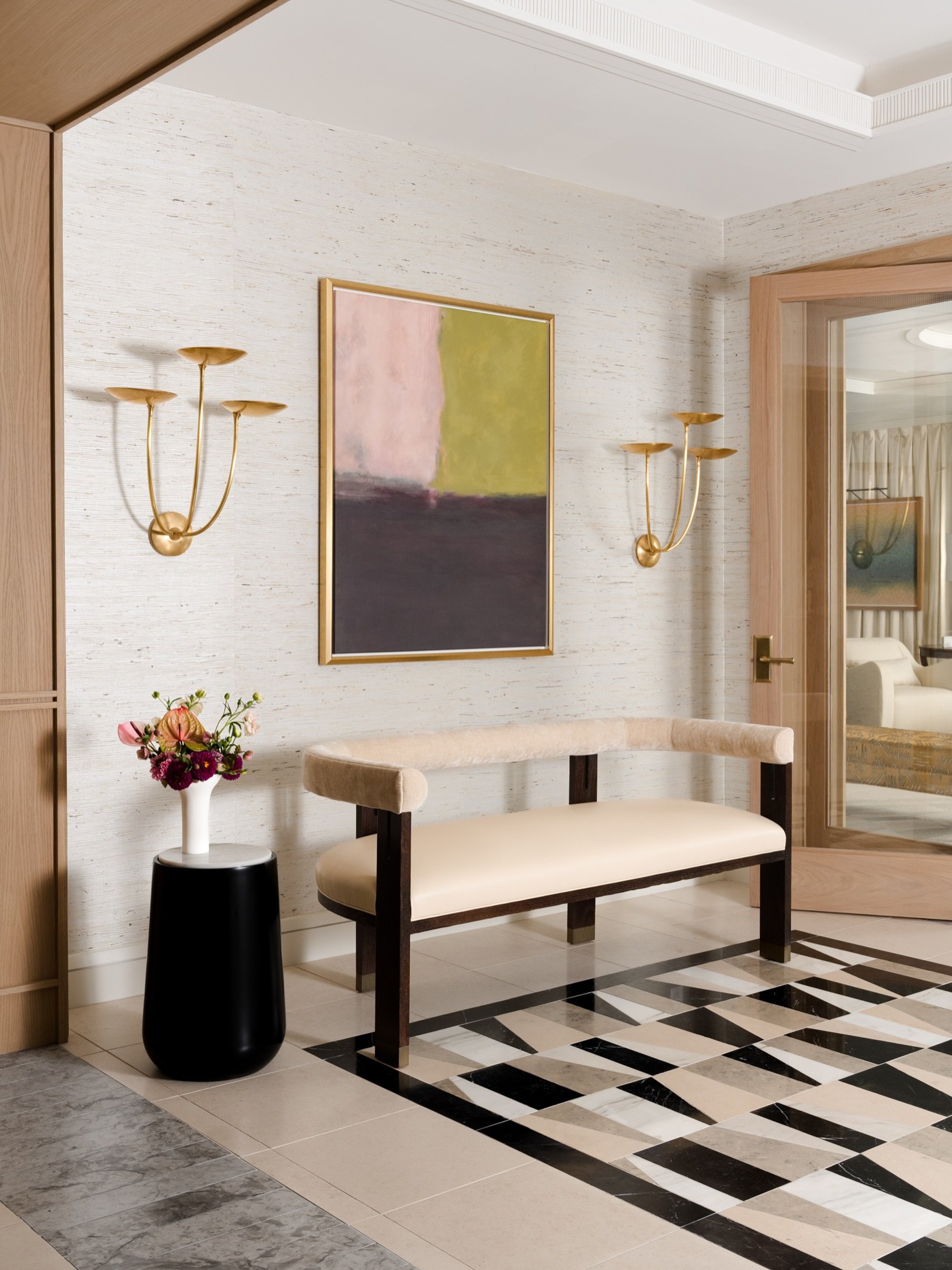
Recent projects, behind-the-scenes moments, and a closer look at the spaces, details, and designers I have the opportunity to photograph.
Photography With a Strategy Behind It
My approach to interior and architectural photography begins before the camera comes out.
Through Creative Production Planning, we'll identify the project's visual priorities, marketing opportunities and potential publication goals before the photoshoot so we can create an image library designed to support both the project and your business.
Have a project you'd like to photograph? Let's start planning what those images can do for you.