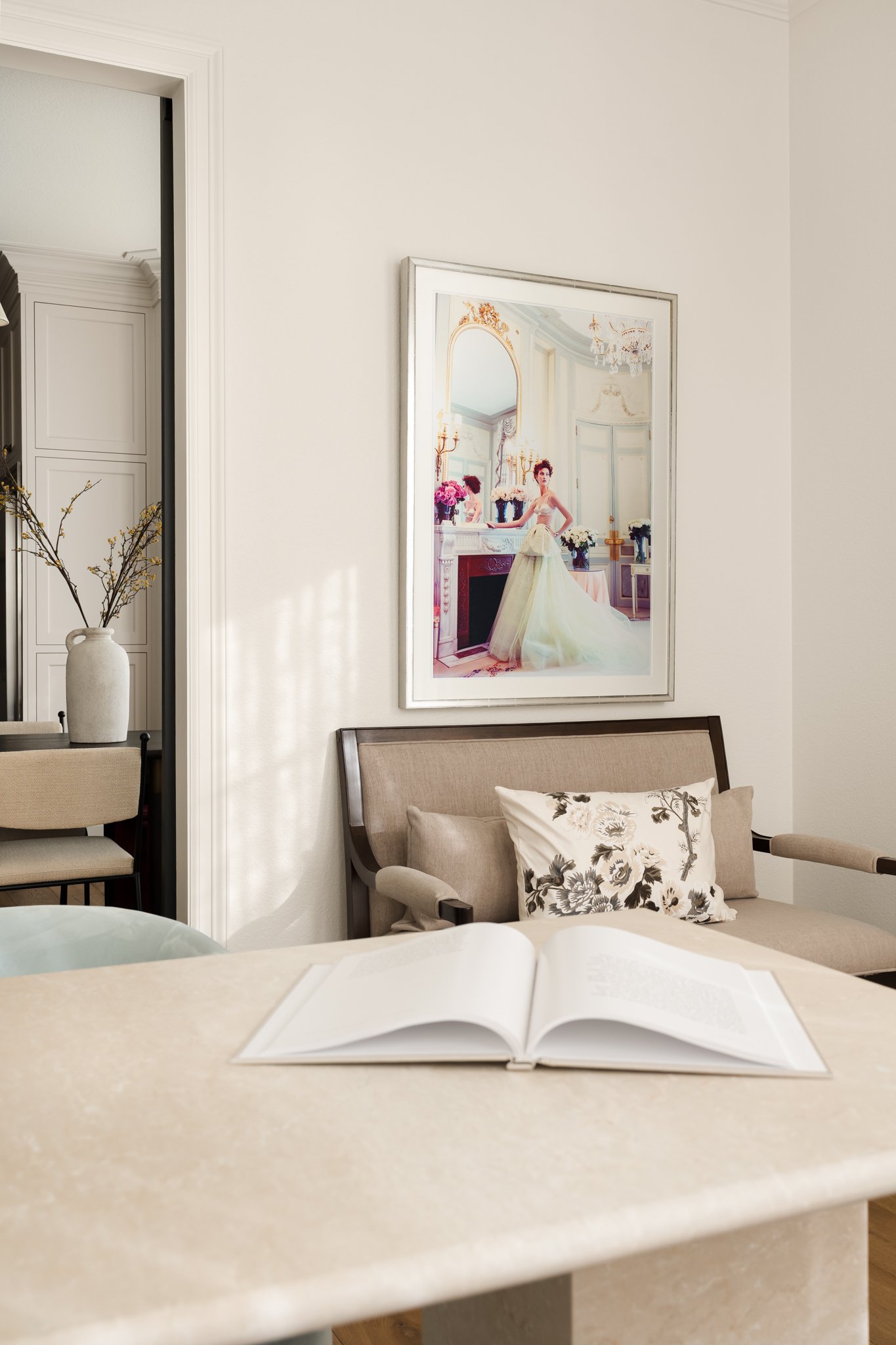
Why Emerging Interior Designers Need Photography for Interior Design Projects to Build a Luxury Brand
Your portfolio begins shaping your brand long before your studio feels established. Professional photography helps make sure the work you want to be known for is the work people see.
By Stacy Markow
Every established interior design studio started with a first project.
Then a second.
Then a project that finally felt like the kind of work they wanted to do more of.
For emerging interior designers, one of the biggest challenges is not simply creating good work. It is building enough visual evidence of that work for someone who has never hired you to understand what you are capable of.
That is where photography becomes particularly valuable.
Professional interior photography gives you the opportunity to begin building your portfolio intentionally, communicate your design perspective, and create the visual foundation your studio will grow from.
You do not need dozens of completed projects before photography becomes worthwhile.
Sometimes, you simply need one worth documenting well.
Your Portfolio Shows Clients Where You Are Going
When someone discovers your studio for the first time, they cannot see the projects you have not photographed.
They see your website. Your portfolio. Your Instagram. Your press. The handful of projects you have chosen to represent your work.
For an emerging designer, those early photographs carry a tremendous amount of responsibility.
They begin establishing what your studio looks like before you have years of completed projects behind you. The earlier you begin professionally documenting your strongest work, the sooner you can shape how potential clients, collaborators, and editors perceive your studio.
But photography is only the first half of that equation.
The firms that build momentum are the ones that consistently put that work into the world. A strong portfolio gives you the material to market your business, but that material has to be used. Share the projects on your website. Tell the stories behind them on your blog. Bring them into your social media. Submit them for publication. Revisit them when they support the kind of work you want to attract.
Over time, that repetition creates recognition. Your photography establishes the visual standard of your brand, while consistent marketing reinforces what your studio does, what you value, and why someone should hire you.
That is why I believe your early portfolio should be built intentionally.
Rather than waiting until you have enough projects to create a portfolio, start identifying the projects that represent the direction you want your business to take.
Photograph the work you want to do again.
Even a project that did not begin as the perfect representation of your point of view can become valuable portfolio material. Thoughtful styling, art, accessories, florals, and the way a space is photographed can help emphasize the design decisions that feel most distinctly yours. You are not changing the project into something it was not. You are being intentional about which elements you elevate and how the finished work communicates your perspective.
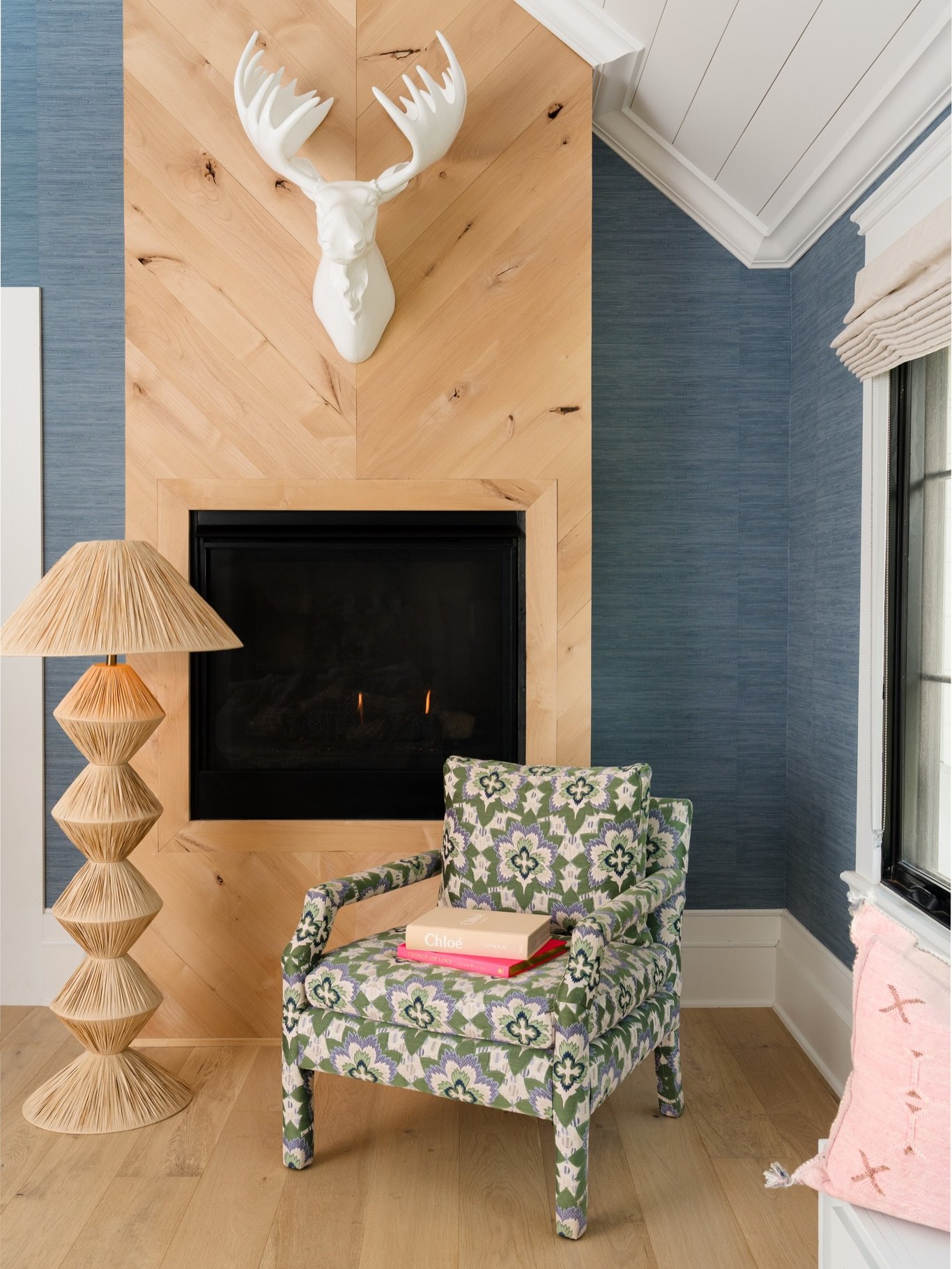
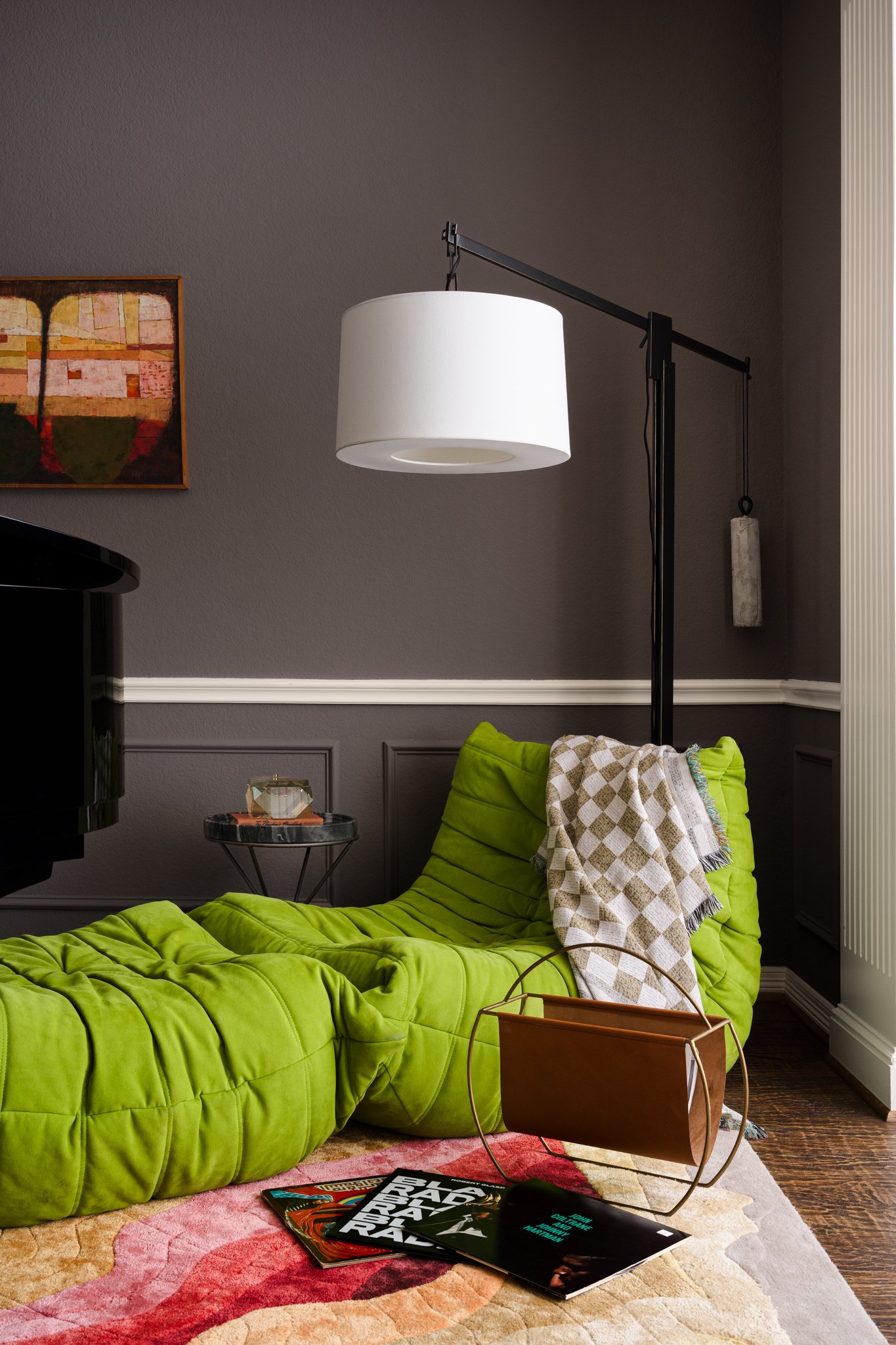
If you want more color, show color. If custom millwork is becoming part of your point of view, document it. If you want to become known for layered, collected interiors, make sure your photographs communicate those details.
Your portfolio does not have to document every project you have ever completed.
It should help define what comes next.
Professional Photography Creates Visual Credibility
There is an important distinction between creating a beautiful room and communicating that room through a photograph.
Potential clients may never experience your projects in person. They have to evaluate your work through images instead.
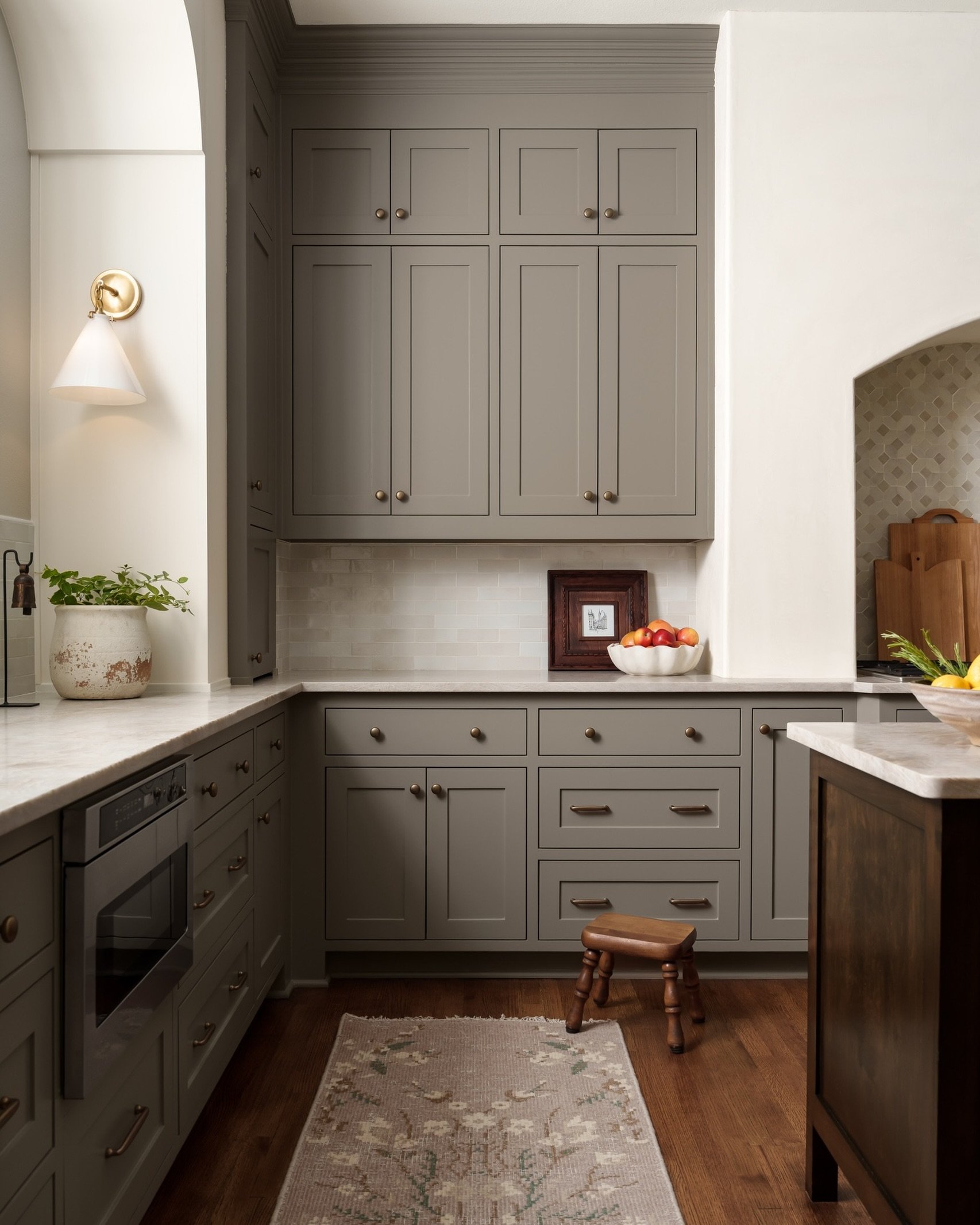
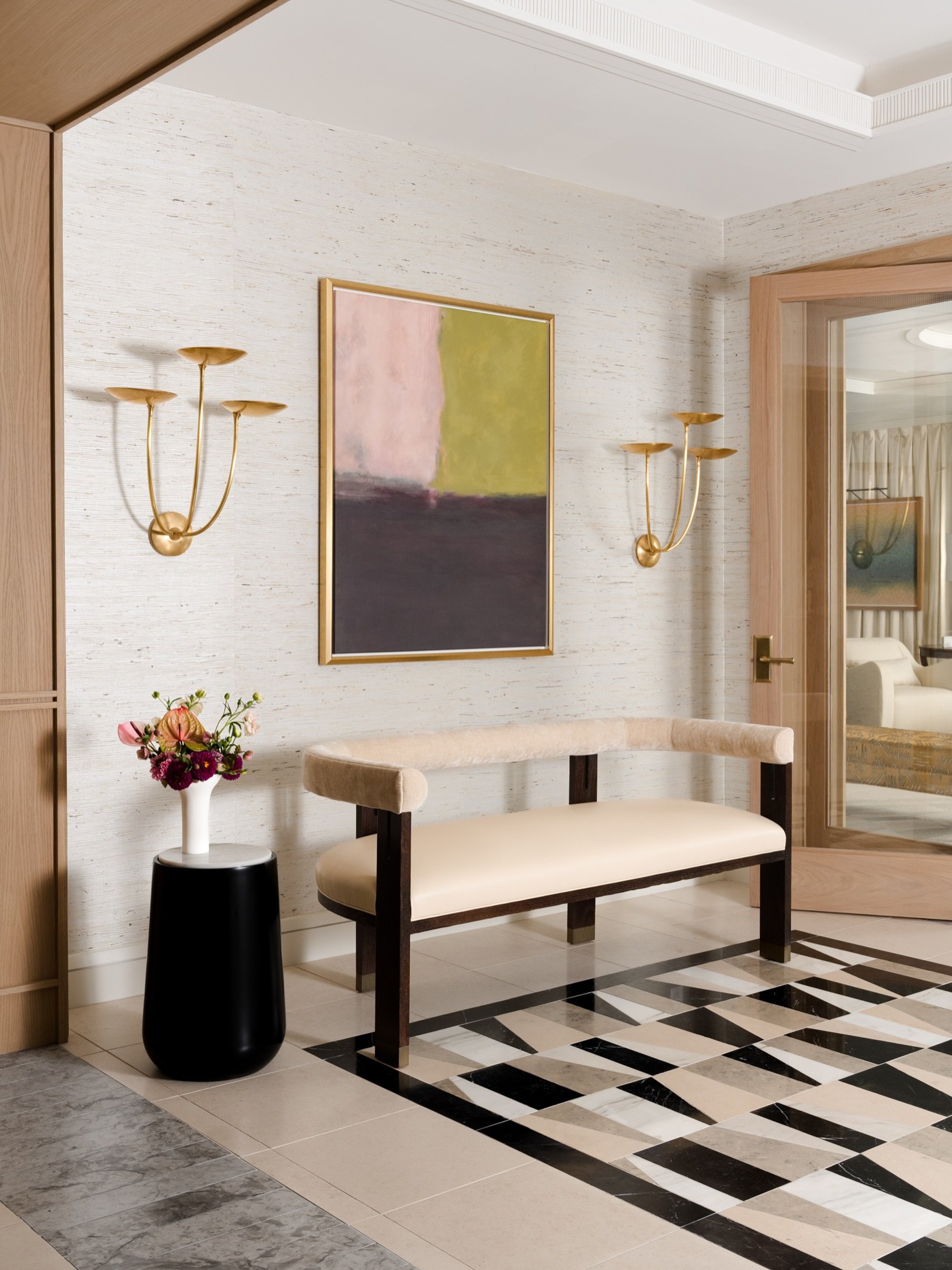
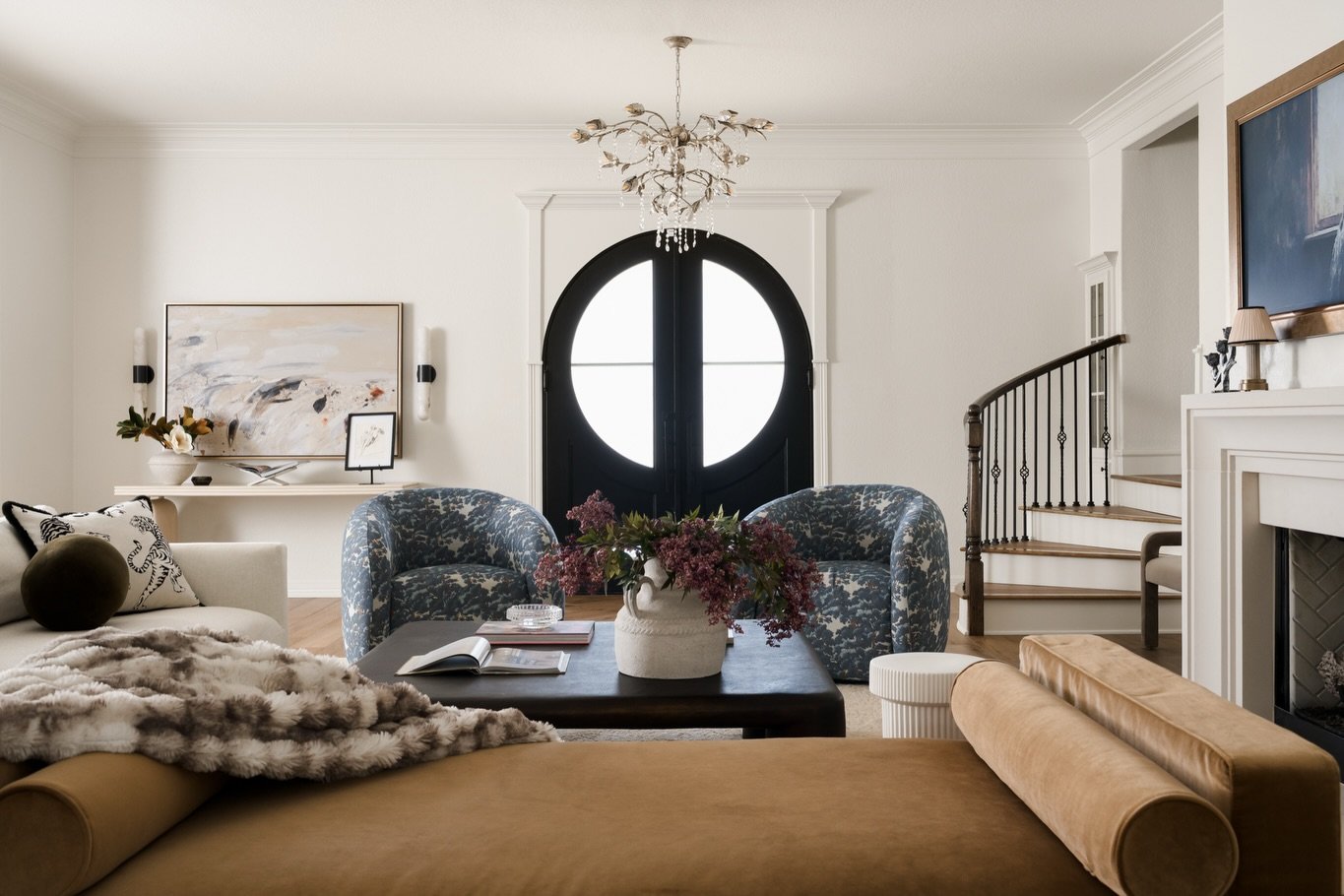
Professional photography allows them to see the scale of the room, the relationship between materials, the craftsmanship, the styling, the architectural details, and the decisions that make the project distinctly yours.
Those photographs become evidence of what you can create.
For an emerging designer without a decade of name recognition behind their studio, that visual credibility is especially important.
Your photography is often making the introduction before you ever have an opportunity to.
Start With the Projects That Define Your Point of View
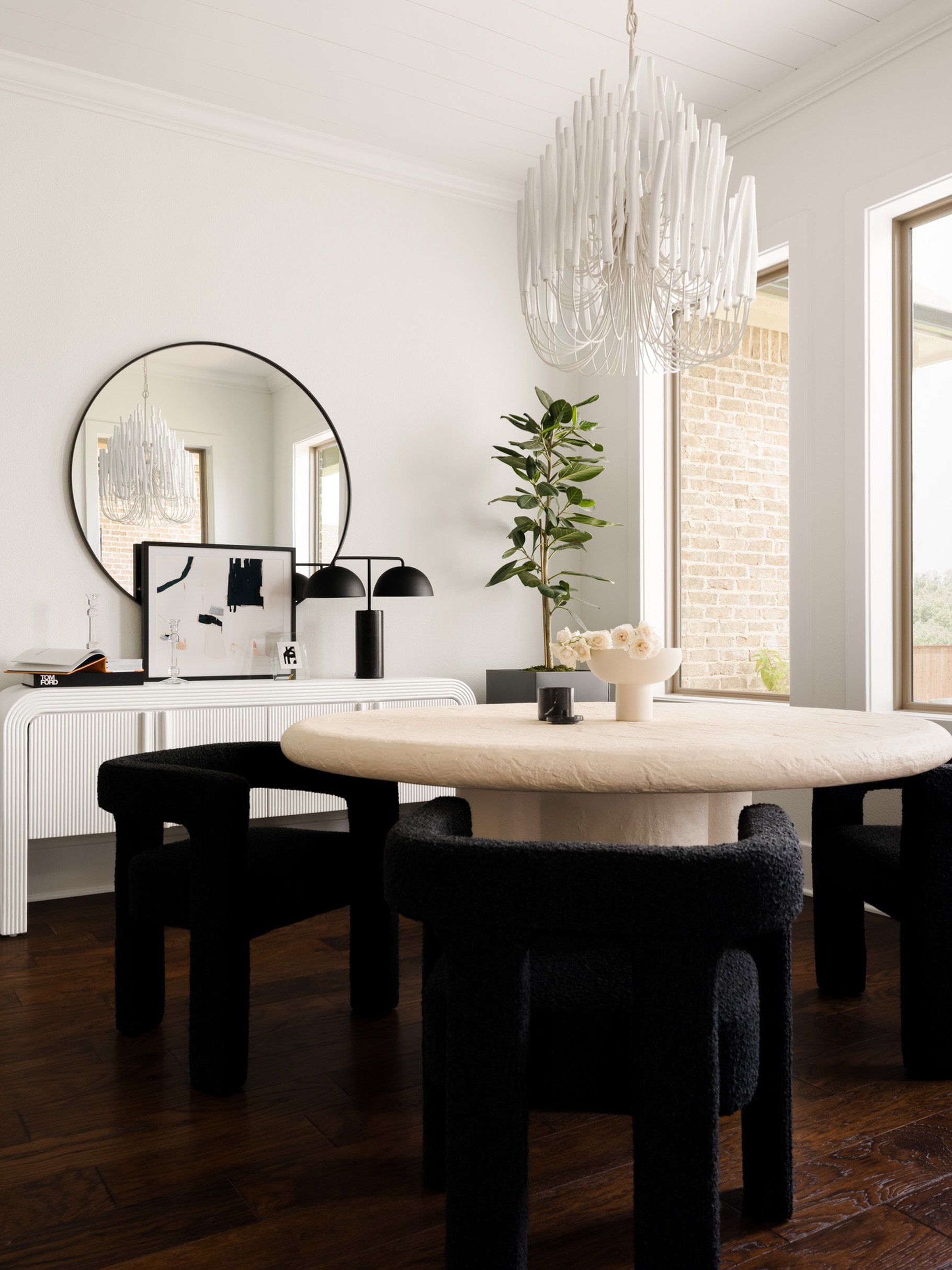
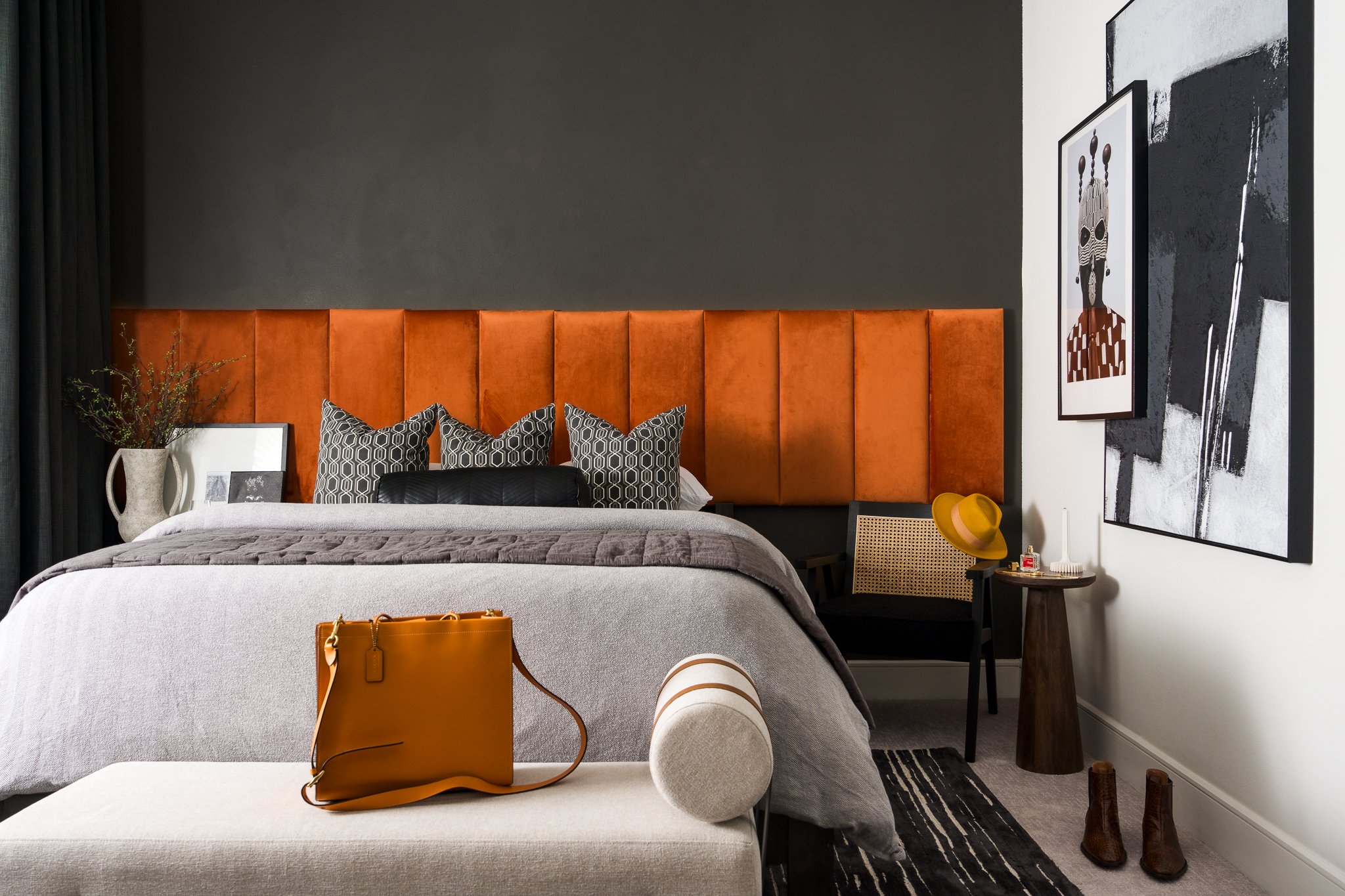
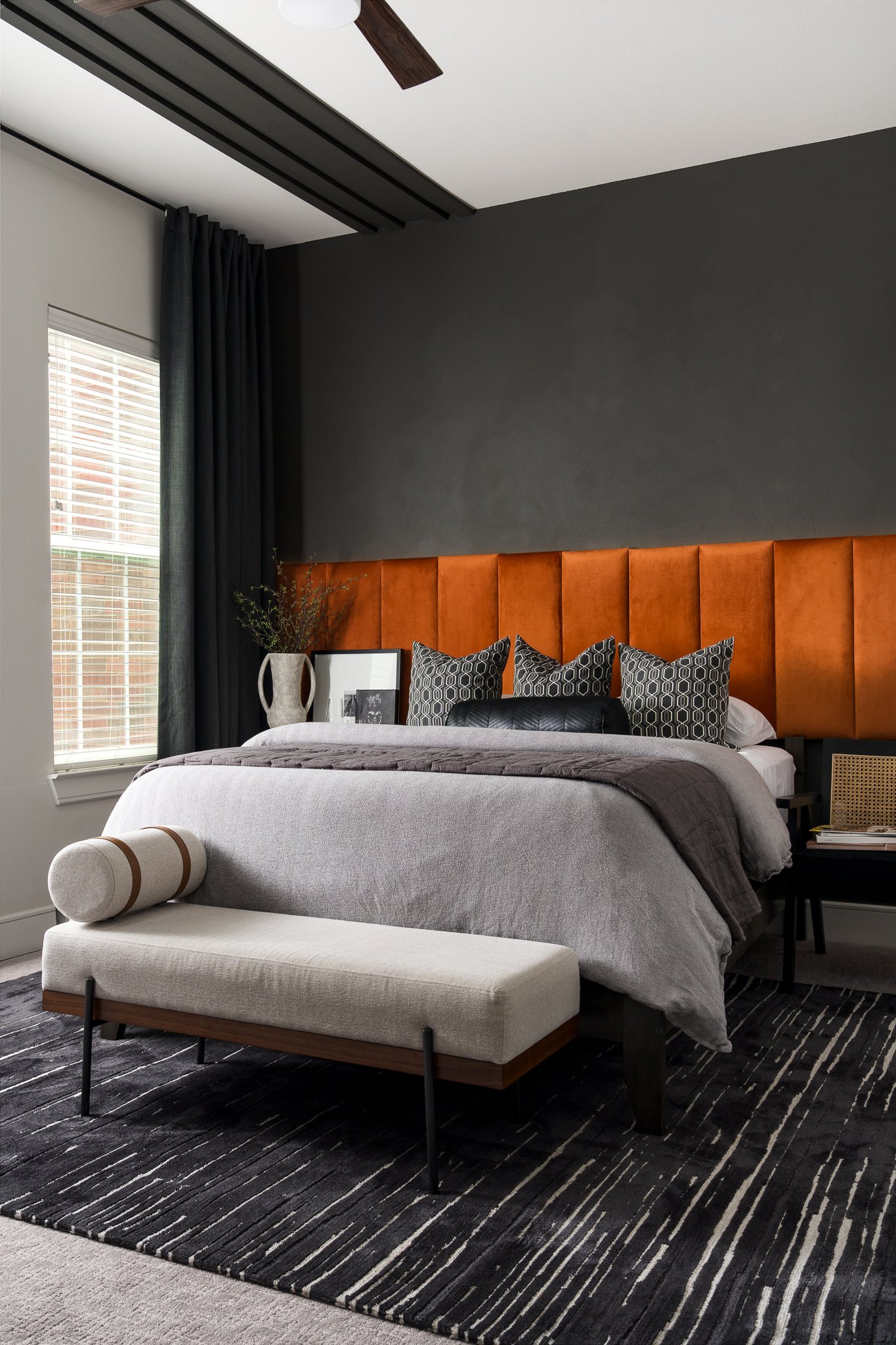
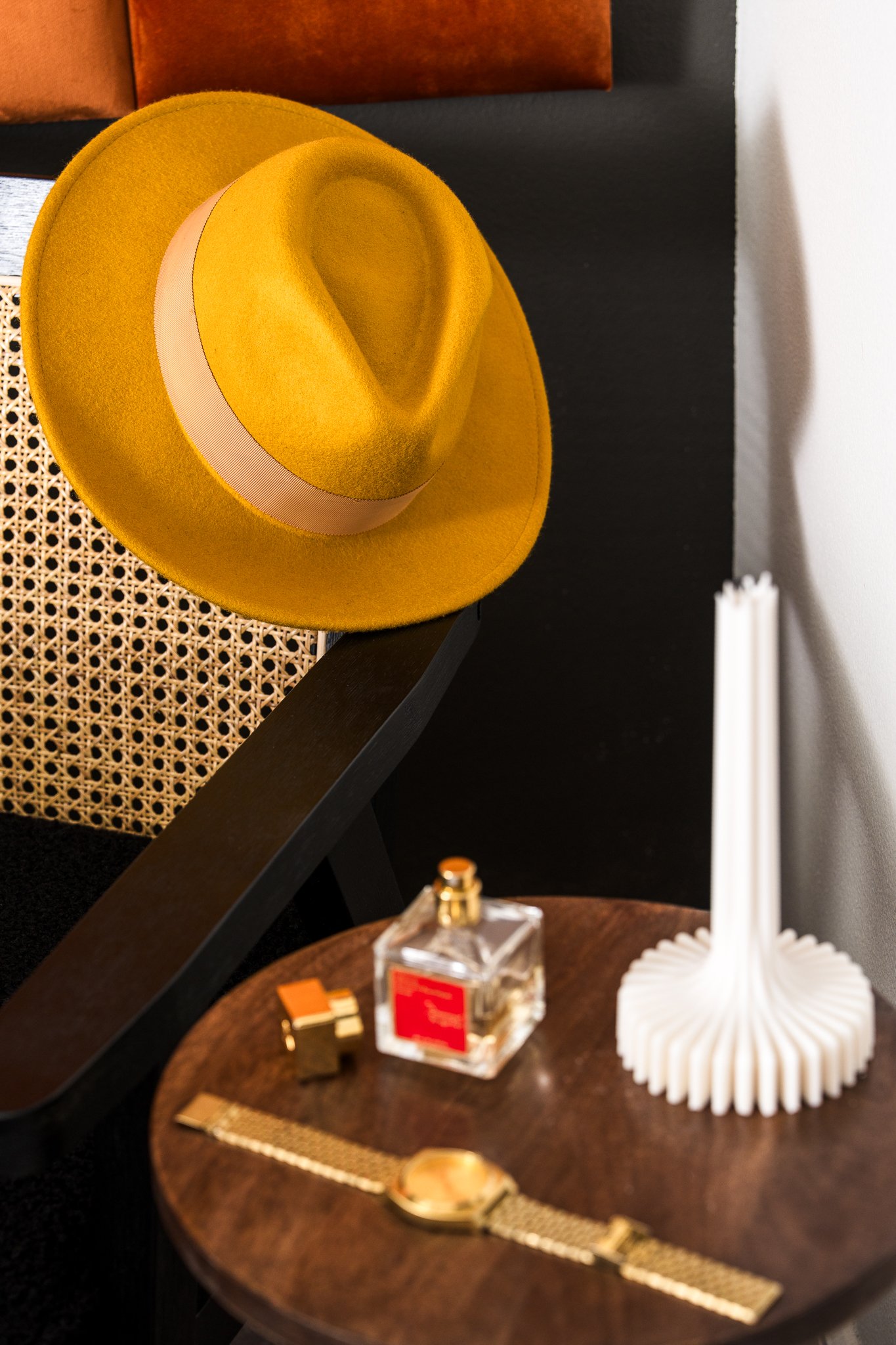
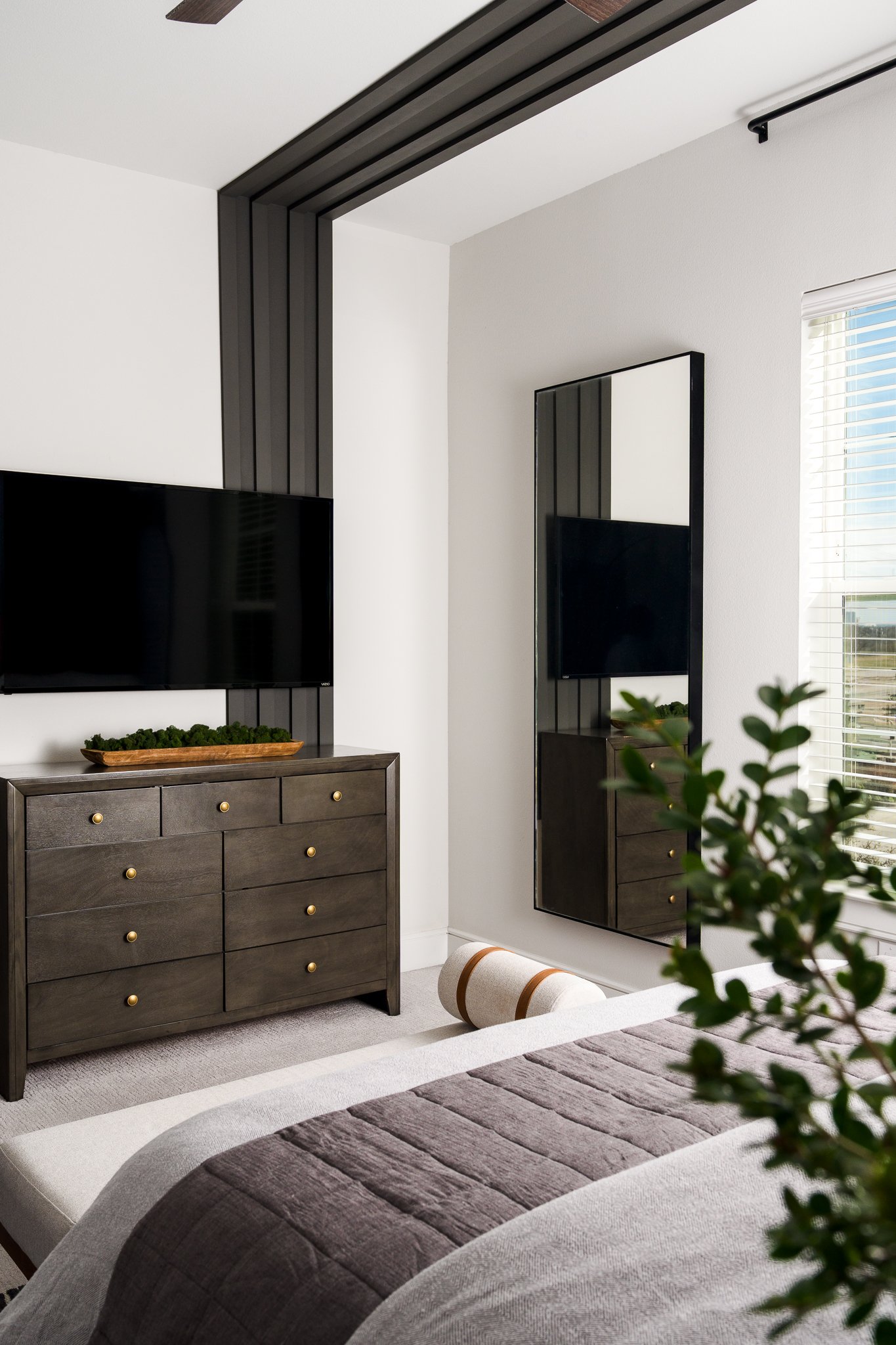
One of my earliest interior photography clients was Dallas designer Travis Williams of Travis Pernell Interiors.
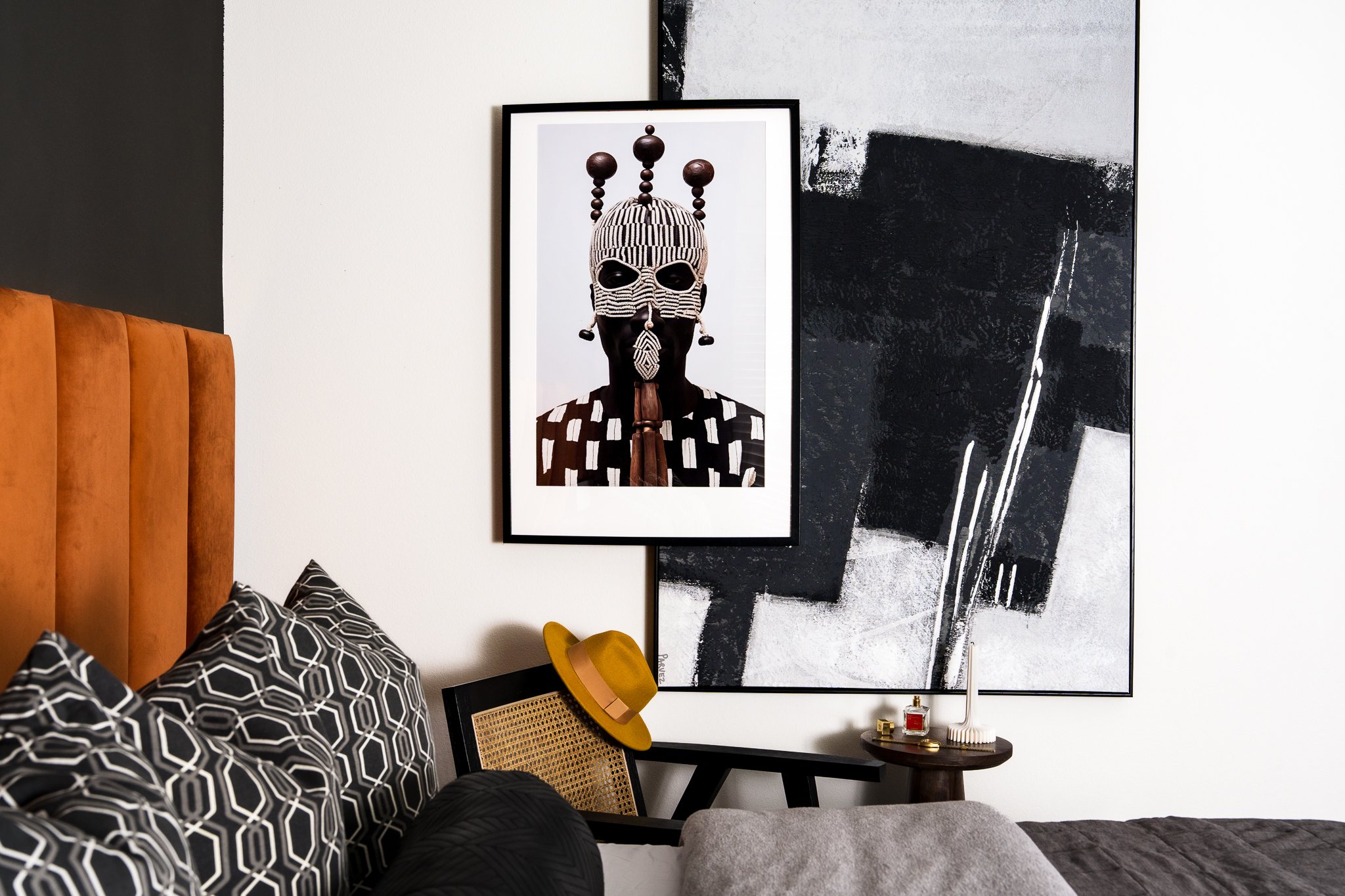
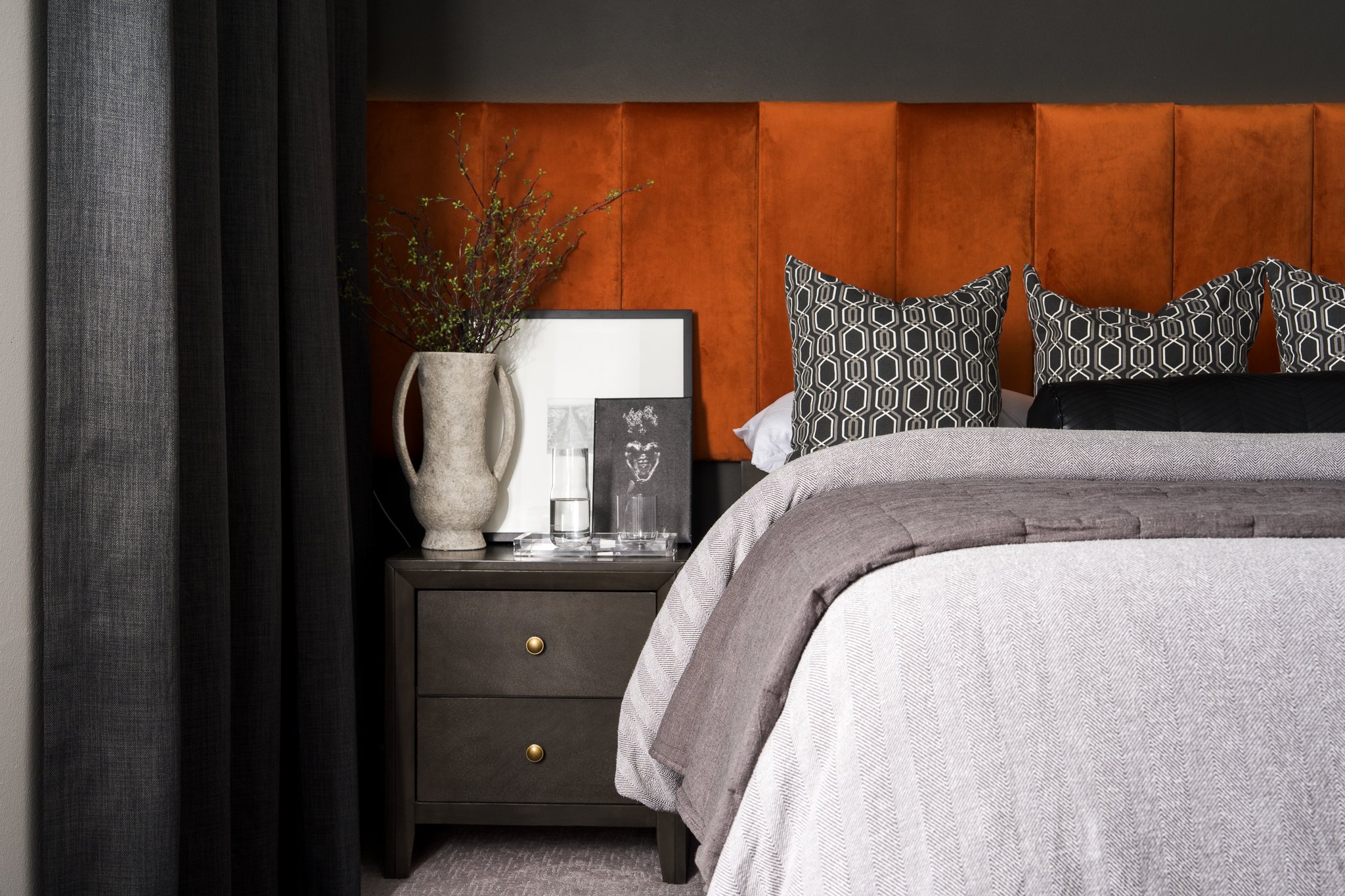
Our first project together was a dining room, then an apartment, and we even photographed his own bedroom.
One thoughtfully designed project gave us opportunities to begin documenting his point of view.
And that is enough to start.
Over time, I have continued photographing Travis's work as his portfolio has grown. Each project adds another layer to the visual identity of his studio.
That progression is one of the reasons I enjoy working with emerging designers.
You get to see a portfolio take shape project by project.
The goal is not to make a young studio look like someone else's established business. It is to create photographs that clearly communicate the quality and perspective already present in the work.
Consistency Helps Build Recognition
A strong portfolio is not only about the quality of individual photographs. It is also about how those photographs work together.
As you begin photographing projects consistently, patterns start to emerge.
Maybe you are repeatedly drawn to expressive color and pattern. Maybe your work is quieter and architectural. Perhaps craftsmanship and materiality are central to every project you design.
Those recurring decisions become part of your visual identity.
Consistent professional photography helps make those connections easier to see.
The objective is not for every project to look identical. Each home should still reflect the people who live there.
But when someone moves through your portfolio, they should begin to understand how you see a space.
That recognition is part of building a brand.
Think Beyond Your Website Portfolio
One of the advantages of investing in professional photography early is that the images can work far beyond a portfolio page.
A thoughtfully planned project can create imagery for:
Your website and project galleries
Social media and ongoing content
Editorial submissions
Award entries
Press opportunities
Email marketing
Speaking opportunities and features
Future marketing materials
This is why I encourage designers to think about photography as part of their larger marketing strategy rather than something that happens simply because a project is finished.
Before photographing a project, ask where you want the imagery to go next.
That answer can influence what we photograph and how we build the final collection.
Build Photography Into Your Project Budget
For emerging studios, photography can feel like a significant investment.
One way to make it more sustainable is to begin treating photography as part of the cost of completing and marketing a project rather than an unexpected expense at the end.
Some designers incorporate photography expenses into their overall project or marketing budgets from the beginning. Others establish an annual photography budget based on the number of projects they expect to document.
The exact structure will depend on your business.
What matters is planning for it.
If photography is consistently left until the project is complete and every other expense has already been paid, it becomes much easier to decide you will photograph the next one instead.
Then the next one.
Meanwhile, some of your strongest work may never make it into your portfolio.
You Don't Have to Photograph Everything
Building a strong portfolio does not mean professionally photographing every project you complete.
In fact, I would rather see an emerging designer invest thoughtfully in photographing a few projects that clearly represent their direction than fill a portfolio with work they have already outgrown.
Ask yourself:
Would I be excited if someone hired me tomorrow because they saw this project?
If the answer is yes, that project may deserve a place in your professional portfolio.
If the answer is no, you may not need to invest in documenting it extensively.
A smaller, more intentional body of work can communicate far more than a large portfolio without a clear point of view.
Photography Can Grow Alongside Your Studio
Your first professional photography session does not need to produce your forever portfolio.
In many ways, that first project is simply where your firm begins telling its design story.
I have seen this in my own career as a photographer. Some of the projects I photographed early in my business no longer represent the work I want at the front of my portfolio. My photography has evolved, my clients have evolved, and the projects I photograph today look different from the ones I was photographing several years ago.
But that does not mean those photographs stopped being valuable.
When a project is photographed well, the images can continue working for your business long after the project itself has left your portfolio. They can support blog articles, social media, Pinterest, newsletters, educational content, press, and the ongoing stories you tell about your work and your perspective.
And as you photograph more projects, that visual asset library begins to compound.
One project becomes three. Three become ten. Eventually, you are no longer trying to find something to share every time you need to market your business. You have years of thoughtfully created imagery to draw from while you are busy designing the bigger, more ambitious projects that will eventually take their place at the front of your portfolio.
Your work will evolve. Your clients will change. Your budgets may grow. Your design perspective will become clearer. That is part of building a creative business.
The goal of photographing your work early is not to create a portfolio you will keep forever. It is to begin documenting the story of your firm while giving yourself a growing library of visual assets that can support your marketing along the way.
Each thoughtfully photographed project becomes another chapter in that story and another opportunity to show potential clients what you can do and, perhaps more importantly, what you want to do next.
A Portfolio Is Built One Project at a Time
You do not need to wait until your studio feels established before you begin investing in how your work is presented.
If anything, I believe you should start significantly earlier.
The portfolio plays a large part in how you become established. Professional photography gives you the ability to present your work at the level you want your studio to be perceived, while creating visual assets you can continue using as your business grows.
I have photographed projects for designers at many different stages of their careers, including some very established firms. But one of the best examples of the long-term value of professional photography comes from a project I photographed during my first year in business.
Years later, that designer still shares those photographs and tags me in them regularly, sometimes more than a dozen times a year. That was one project. One photography session created a library of images that has continued supporting both of our businesses for years.
A project does not have to remain on the front page of your portfolio forever to continue being valuable.
In fact, older projects can become part of the story you tell about how your firm has grown.
You can revisit an early project to show how your design point of view has evolved. You can create roundups that pull together kitchens, bathrooms, custom millwork, color palettes, or details from projects across several years. You can turn an older project into a case study about what you learned, what you would approach differently today, or how that experience influenced the work that came after it.
A single project can support far more than a project reveal when you have a strong collection of photographs to work with.
And as your visual library grows, those possibilities multiply. Five photographed projects do not give you five pieces of marketing content. They give you an increasingly deep archive that can be combined, revisited, compared, and reinterpreted as your perspective and your business evolve.
That is part of the compounding value of professional photography. The work may age out of your portfolio before the photographs age out of your marketing.
Building Your Interior Design Portfolio?
I love working with designers as their portfolios and studios evolve.
Every project begins with Creative Production Planning so we can identify what makes the project distinctive, determine which photographs will be most valuable to your portfolio, and create imagery designed to support where your business is going next.
If you have a project you believe represents the next chapter of your studio, I’d love to hear about it.
Client Perspective
“Stacy is such a talented photographer! I recently hired her for an interior project shoot and she absolutely over delivered on my expectations. She’s very easy to work with and has an eye for unique shots. She is now one of my top go-to photographers in the DFW.”
— Travis Williams, Travis Pernell Interiors
Related Articles
Marketing Your Interior Design Business: How to Use Photography to Elevate Your Brand
How to turn professional photography into a long-term marketing asset for your interior design studio.
Photoshoot Preparation for Interior Designers: How to Use Photography to Showcase Your Brand
How thoughtful planning, styling, and shot selection can create a stronger photography collection.
What to Include in an Interior Design Photography Shot List
A guide to planning hero images, supporting perspectives, vignettes, and details for your next project.
Follow Along on Instagram
Recent projects, behind-the-scenes moments, and a closer look at the spaces, details, and designers I have the opportunity to photograph.