Building a Visual Brand Through Photography
Your portfolio does more than show what you've designed. Over time, the projects you photograph, the details you prioritize, and the way those images work together begin to communicate a recognizable point of view.
By Stacy Markow
PHOTOGRAPHY INSIGHT
Your Portfolio Is Part of Your Brand
For an interior designer, visual identity isn't limited to a logo, typography, or color palette.
It is also found in the work you choose to show.
The materials you return to. The way you use color. The architectural details you preserve or introduce. The rooms you photograph. Even the images you choose to lead with begin to tell potential clients something about your studio before they ever read a word about your design philosophy.
This is one reason I believe professional photography should be approached as more than documentation of a finished project.
Each photoshoot is an opportunity to create another piece of your studio's visual identity.
A Strong Portfolio Reveals a Point of View
Not every project needs to look the same.
In fact, the most interesting design portfolios rarely do.
Clients bring different homes, architecture, tastes, collections, and ways of living to the design process. A designer's job isn't necessarily to impose the same aesthetic on every project.
But when you look across a thoughtful body of work, there is often still a thread connecting it.
Maybe it's an instinct for color.
Maybe it's the way materials are layered, the relationship between old and new, an attention to craftsmanship, or a particular approach to creating rooms that feel comfortable and collected.
Photography helps make those threads visible.
Over time, a well-photographed portfolio allows someone to move from project to project and begin to understand not simply what you design, but how you think.
Photograph the Decisions That Make the Project Yours
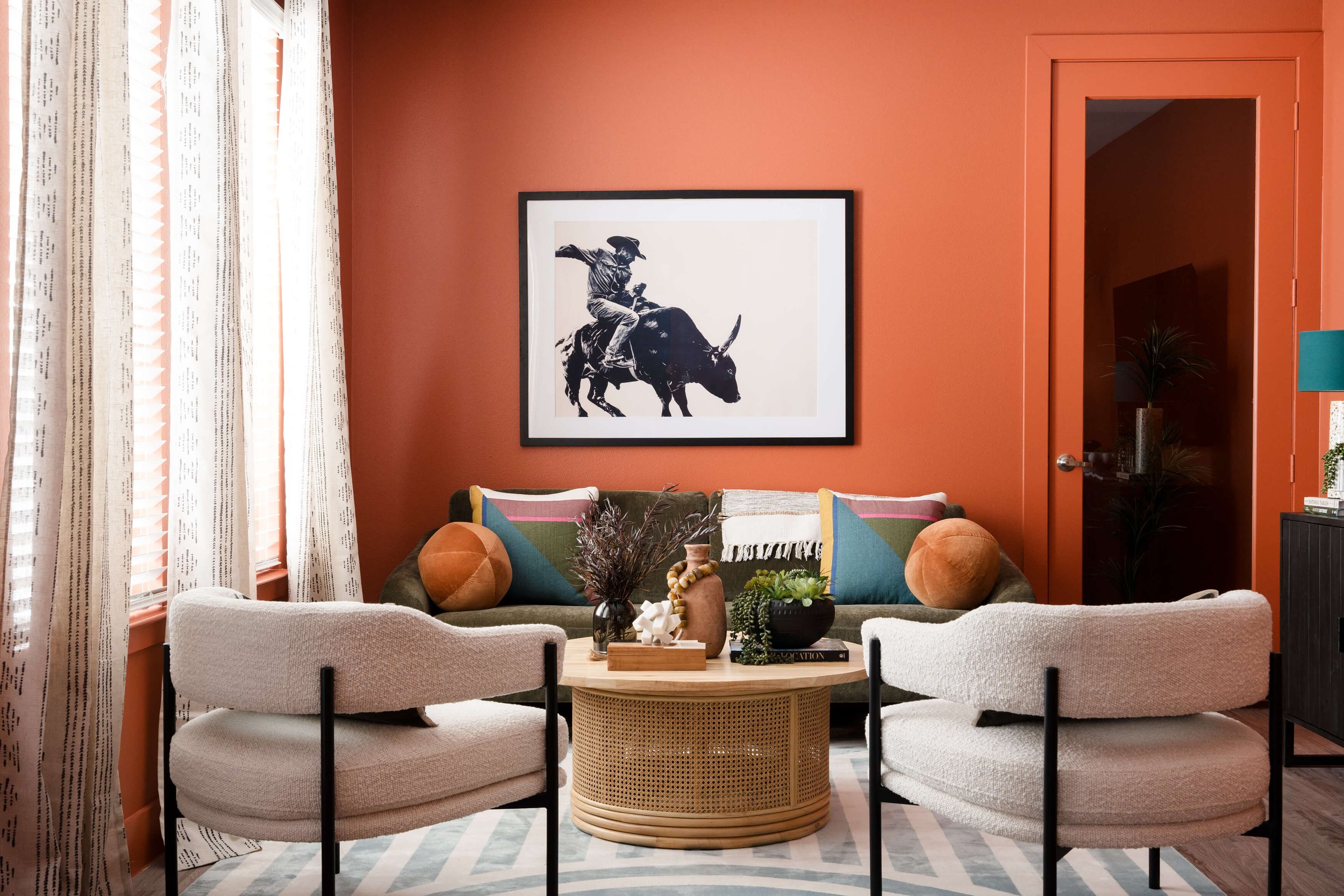
The widest photograph of a room is important. It establishes the architecture, layout, and overall design.
But it rarely tells the entire story.
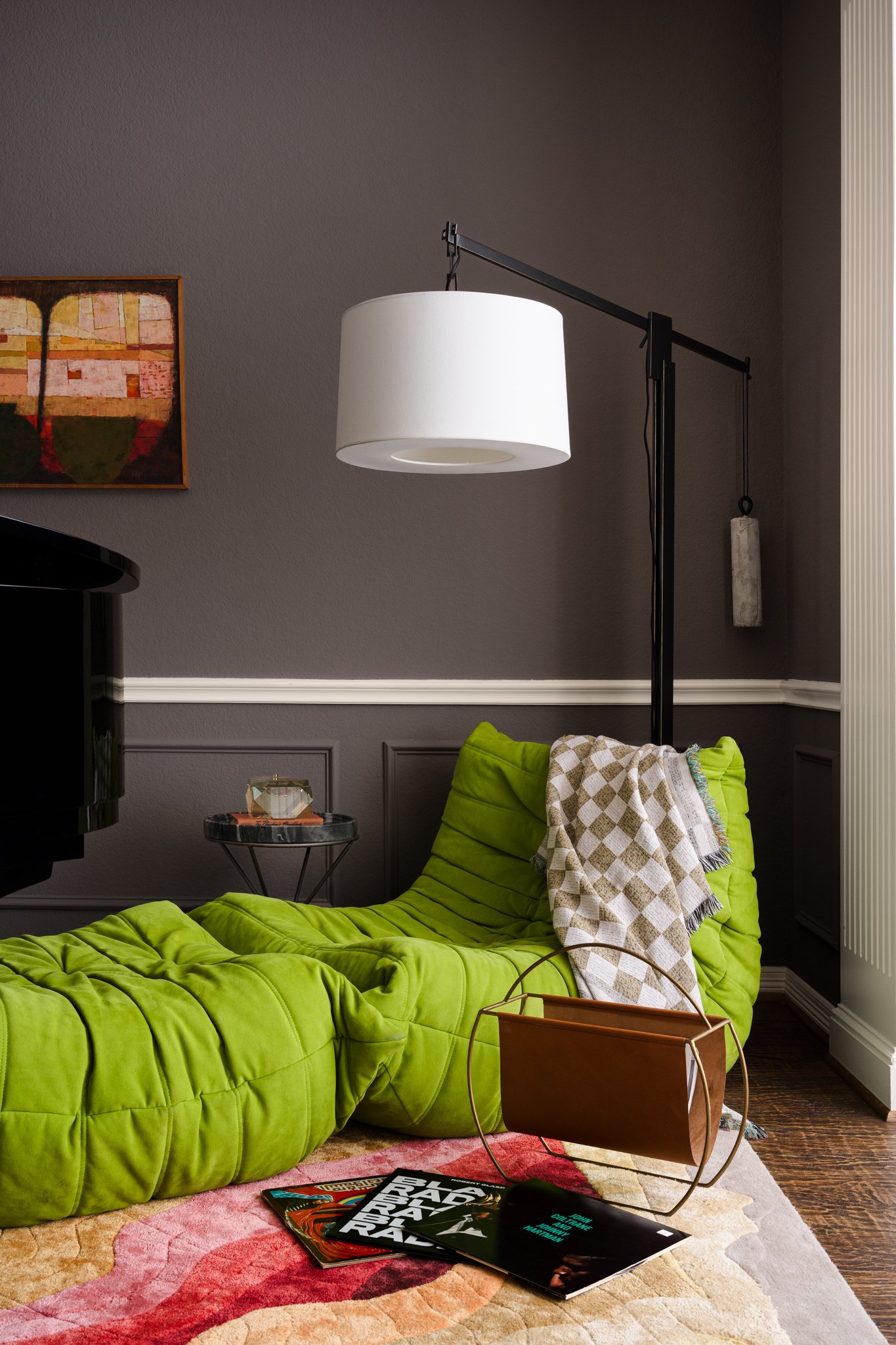
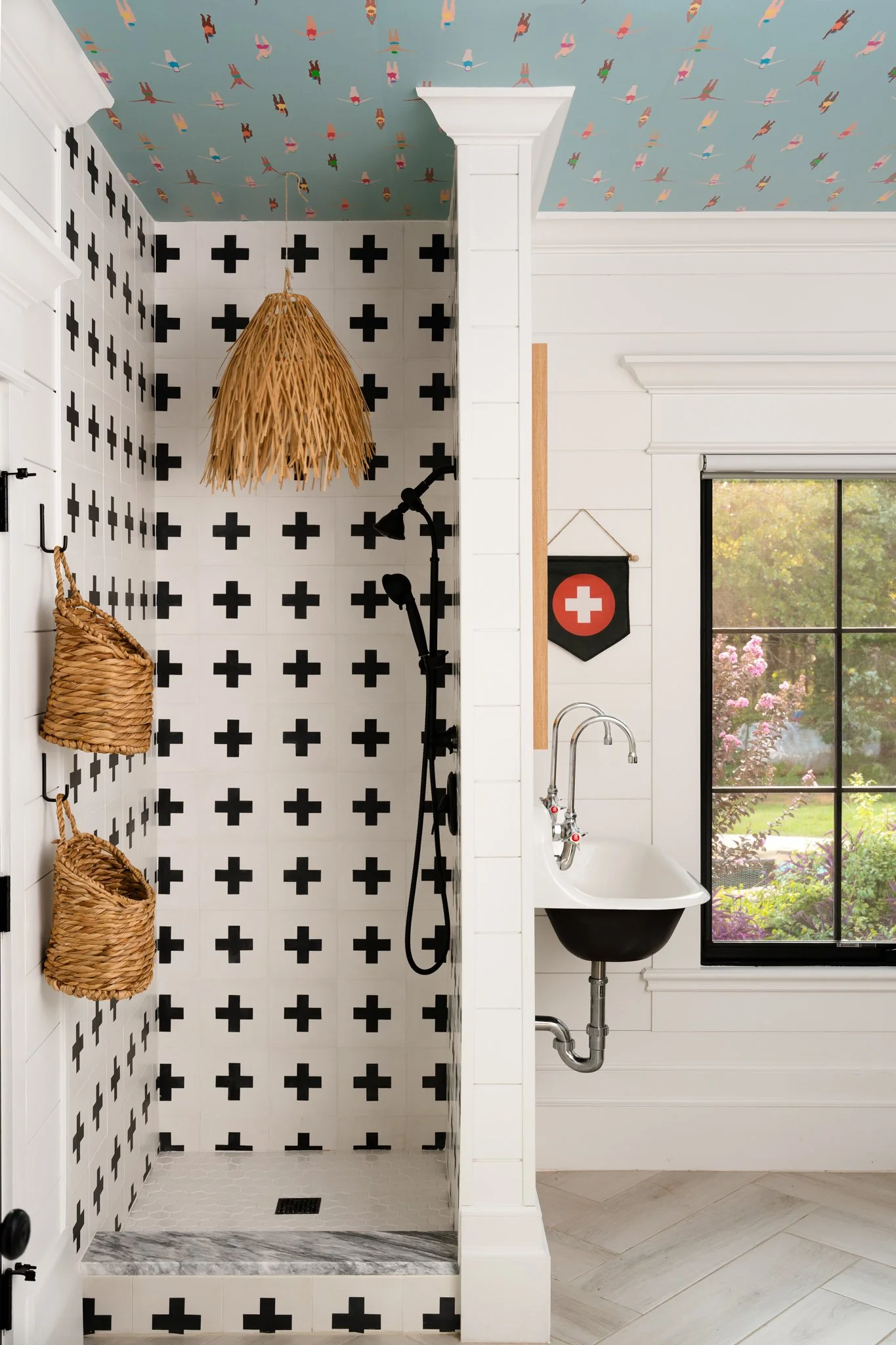
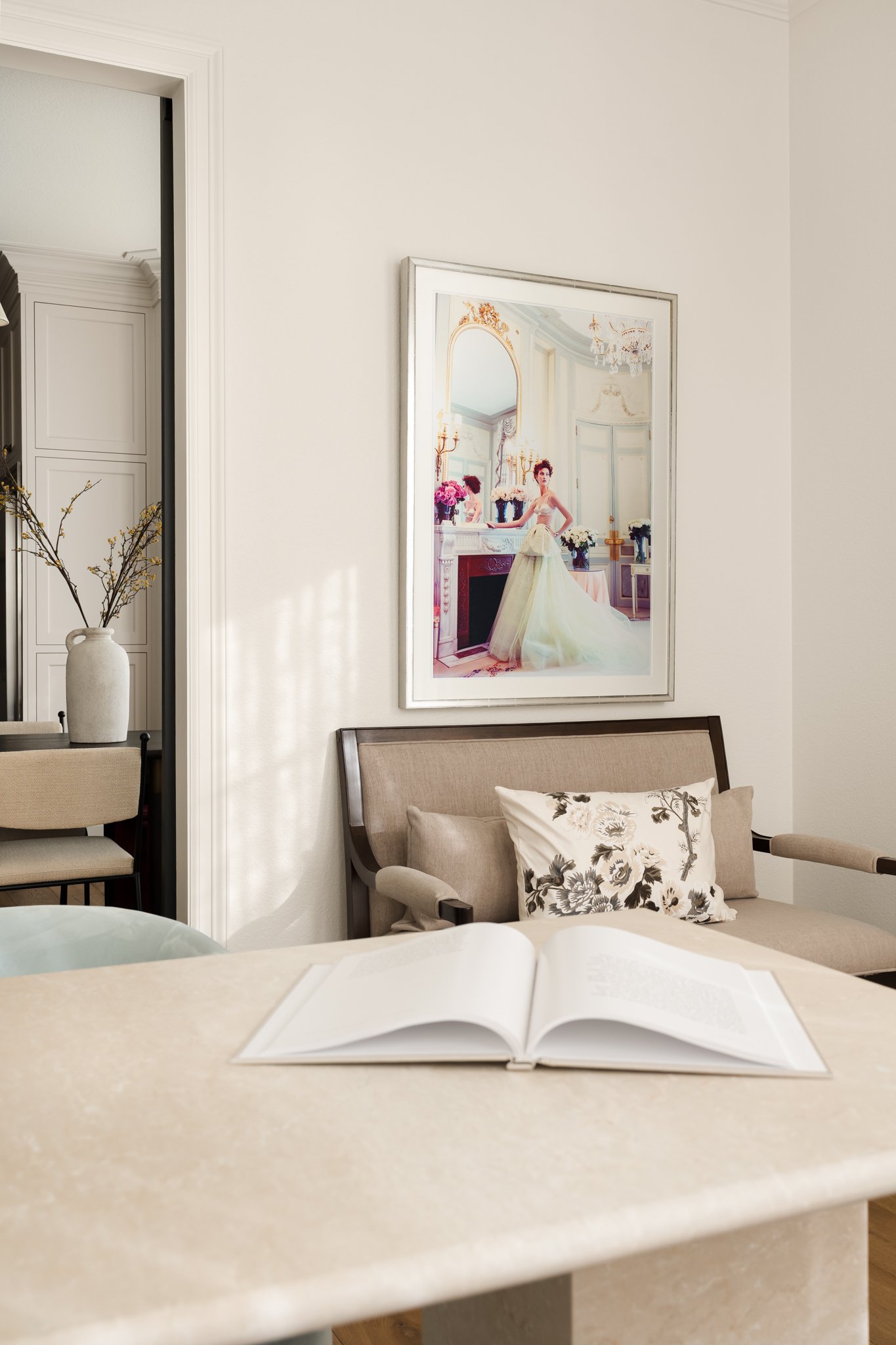
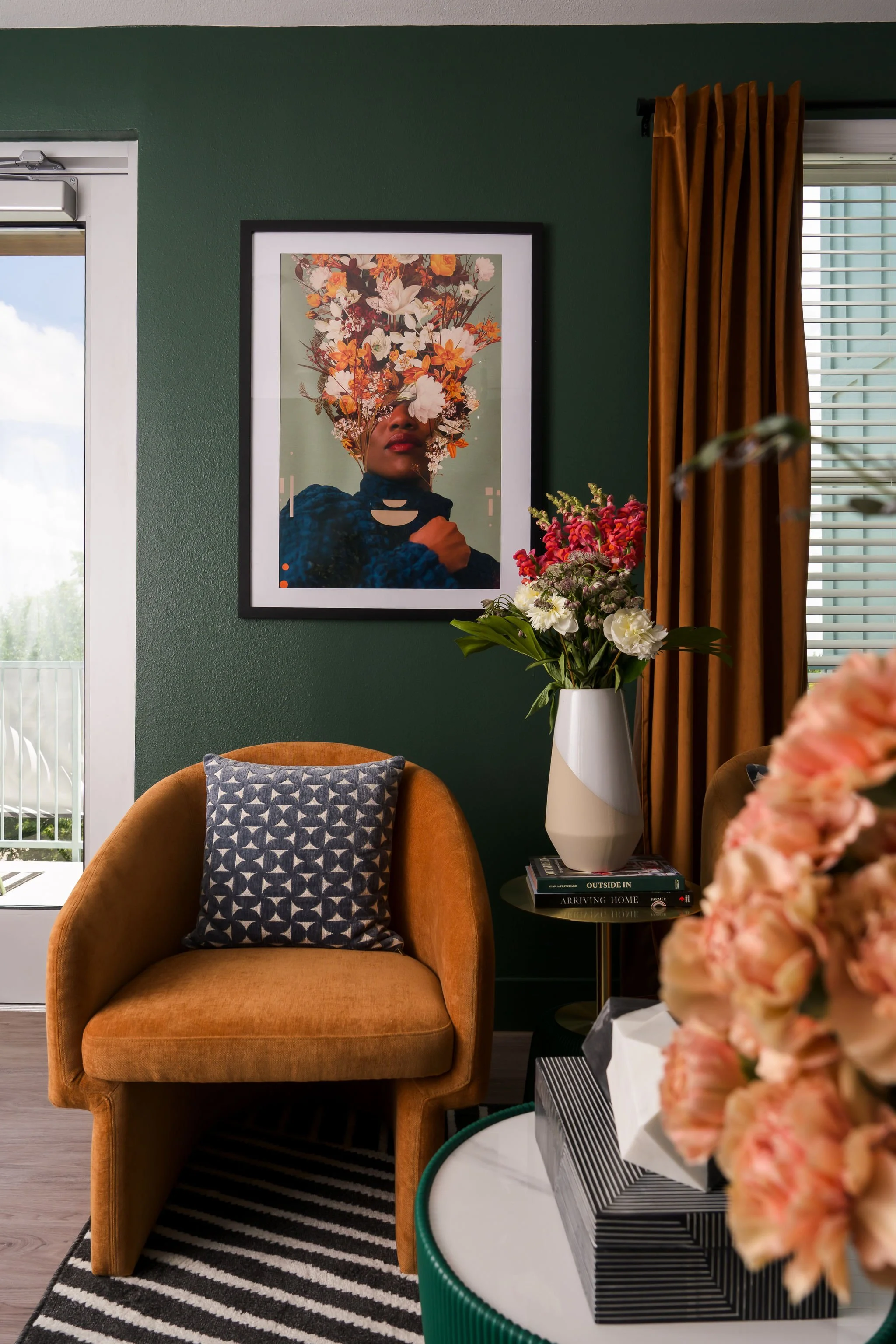
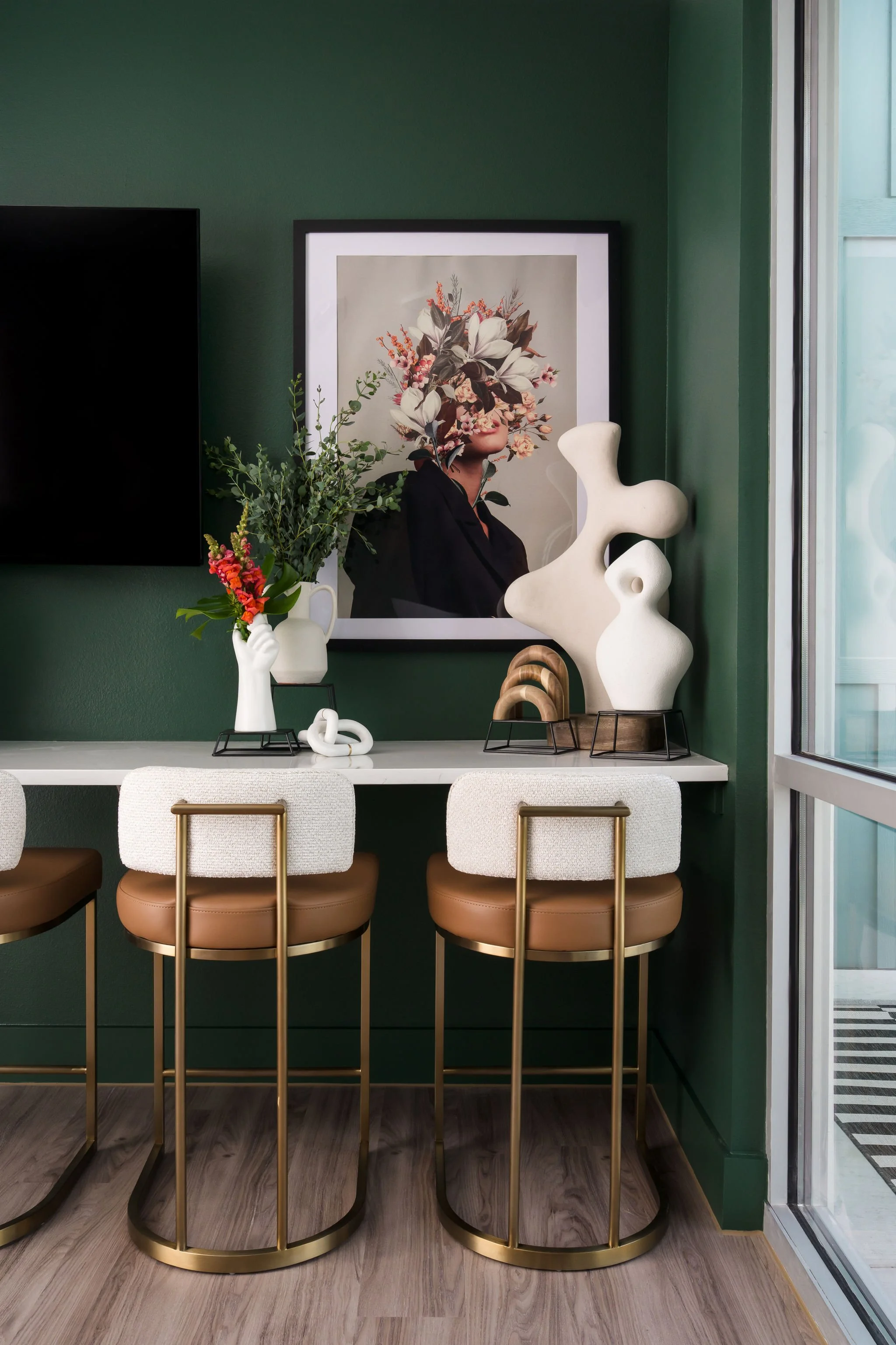
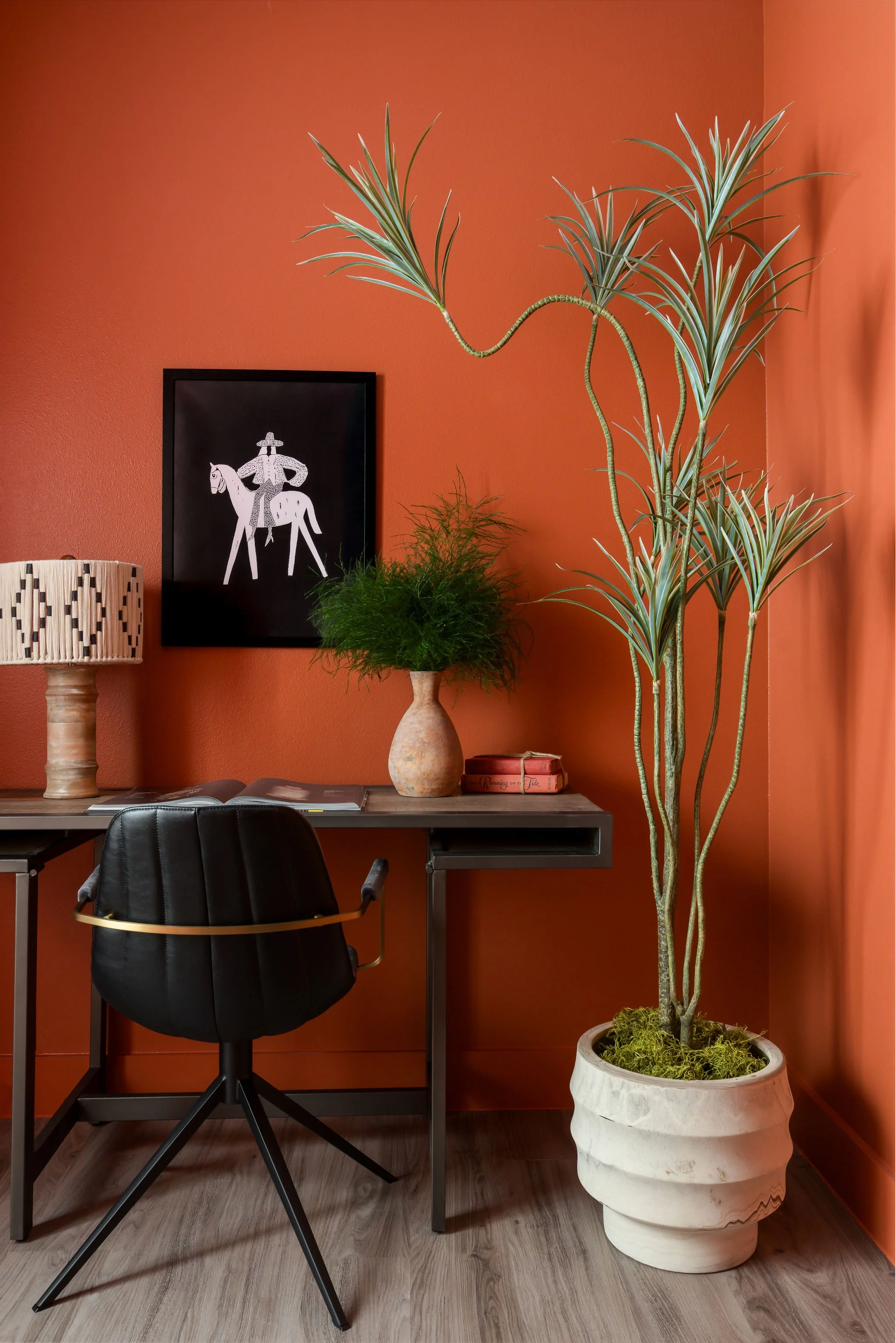
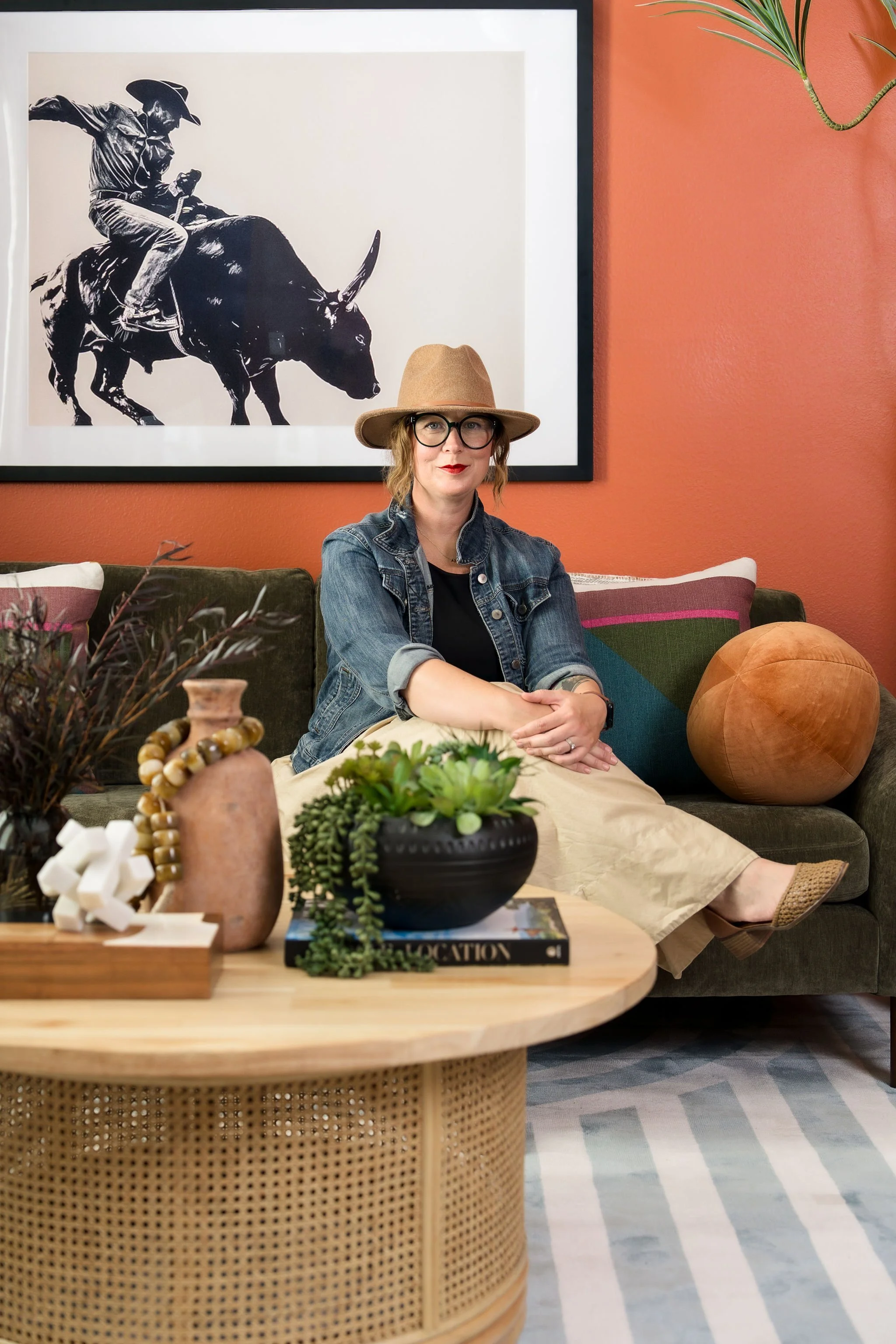
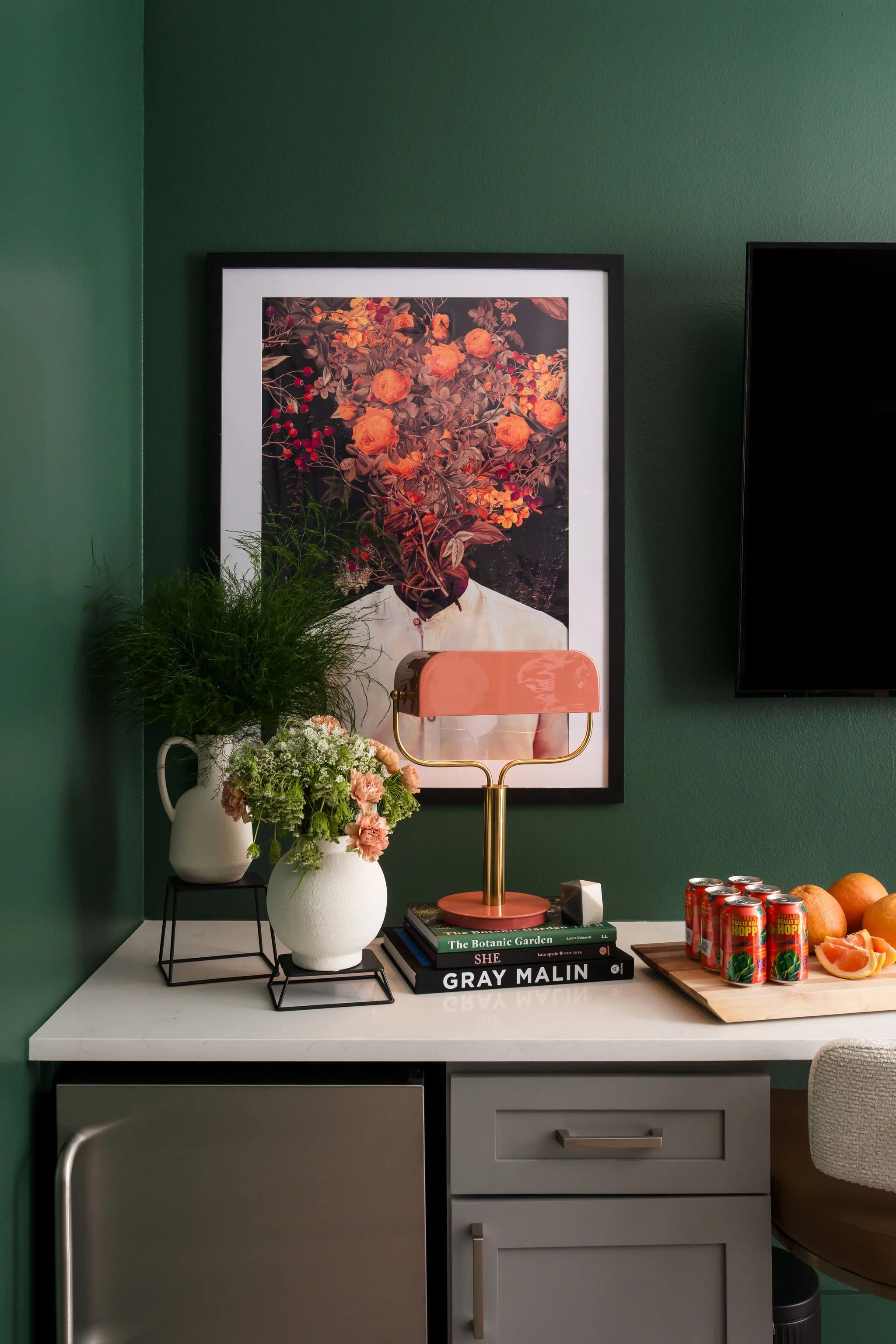
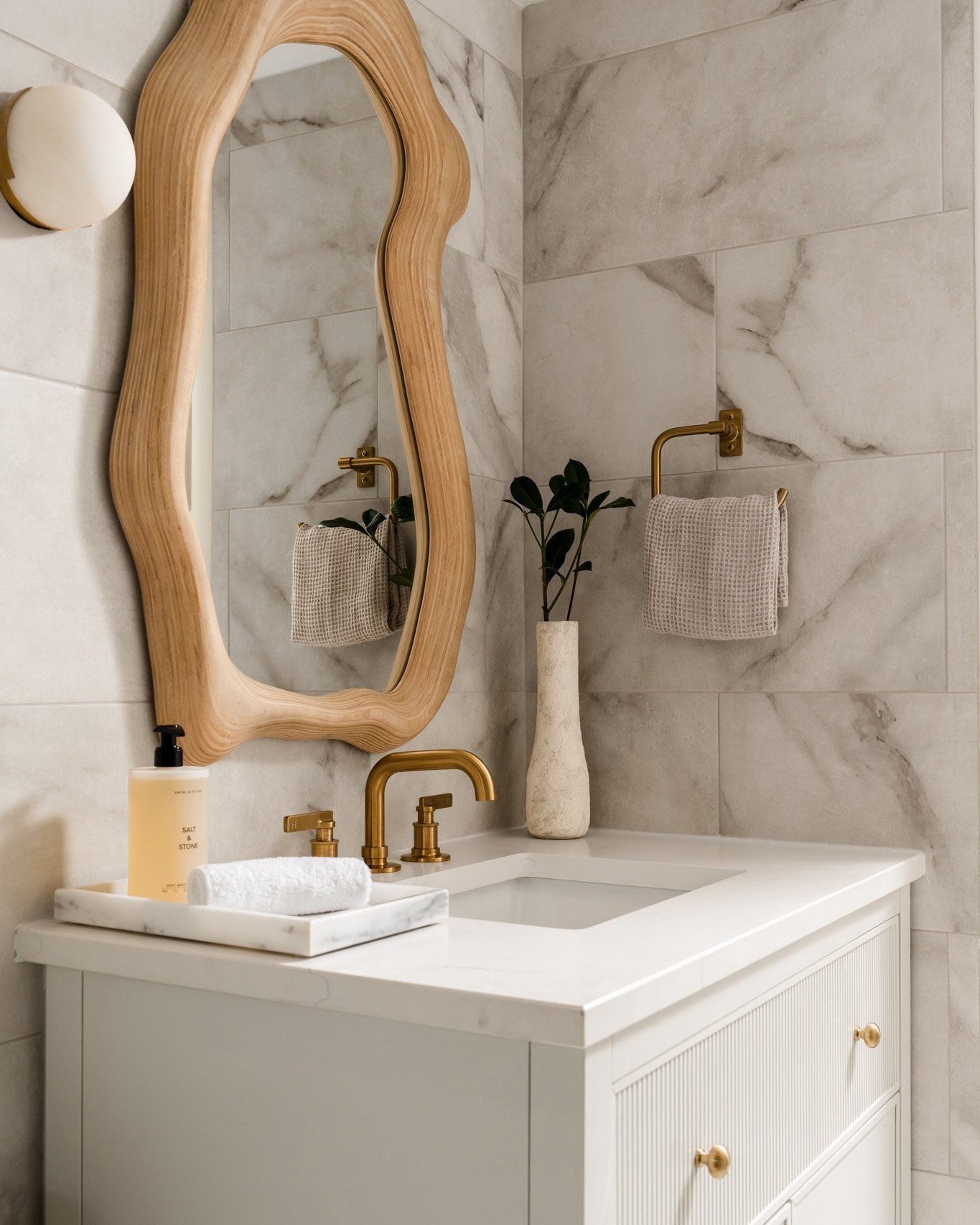
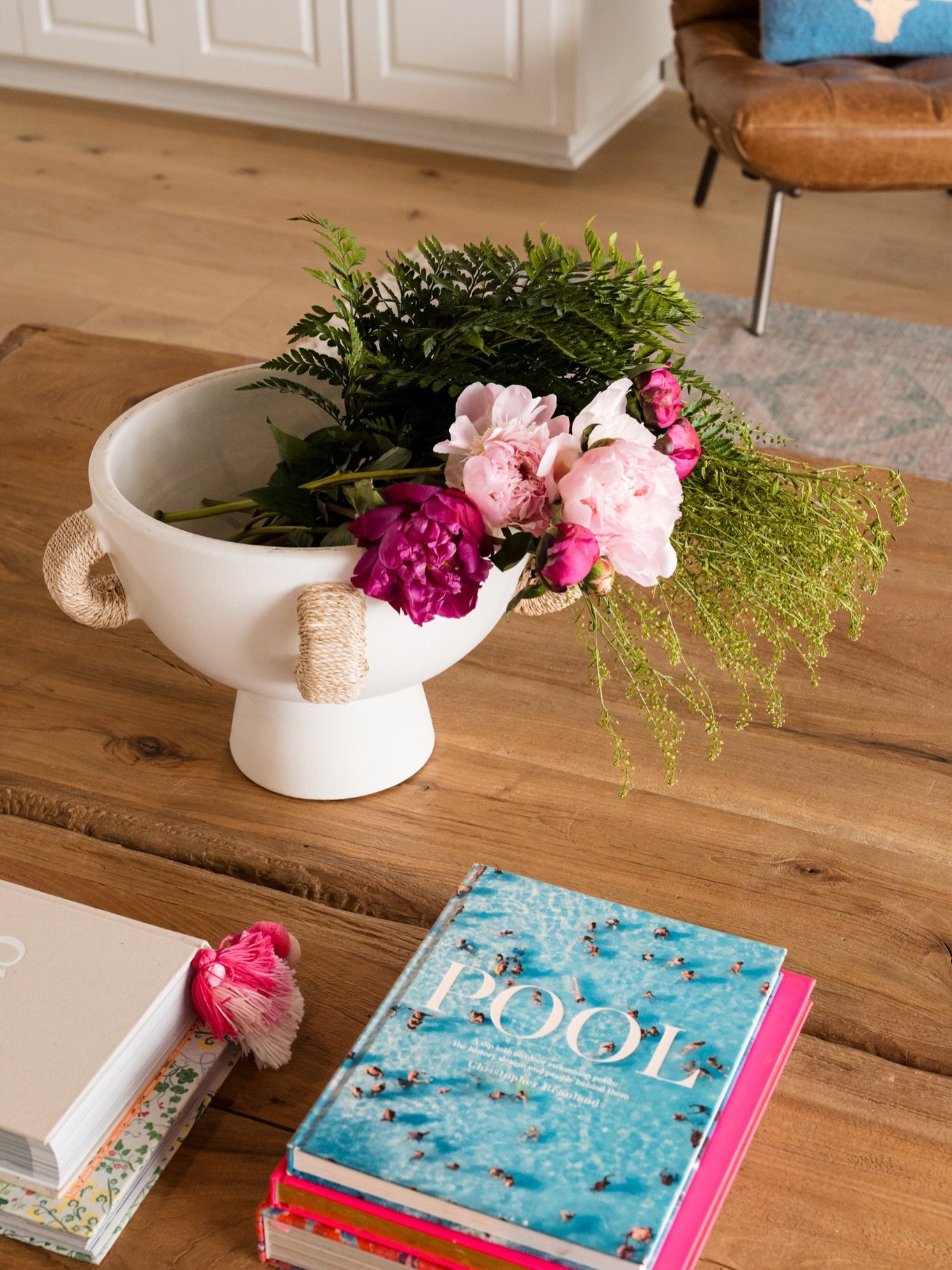
Some of the most revealing photographs in a portfolio are supporting images: the material transition at a doorway, a custom millwork detail, an unexpected combination of pattern and color, a carefully selected fixture, or the relationship between furnishings and architecture.
These decisions often represent where a designer's point of view becomes most apparent.
That's why I like to think about a project in terms of both hero images and supporting images.
Hero images establish the space.
Supporting images reveal the thinking behind it.
Together, they create a much more complete visual story of the project and give designers a deeper library of imagery to use throughout their marketing.
Consistency Doesn't Mean Sameness
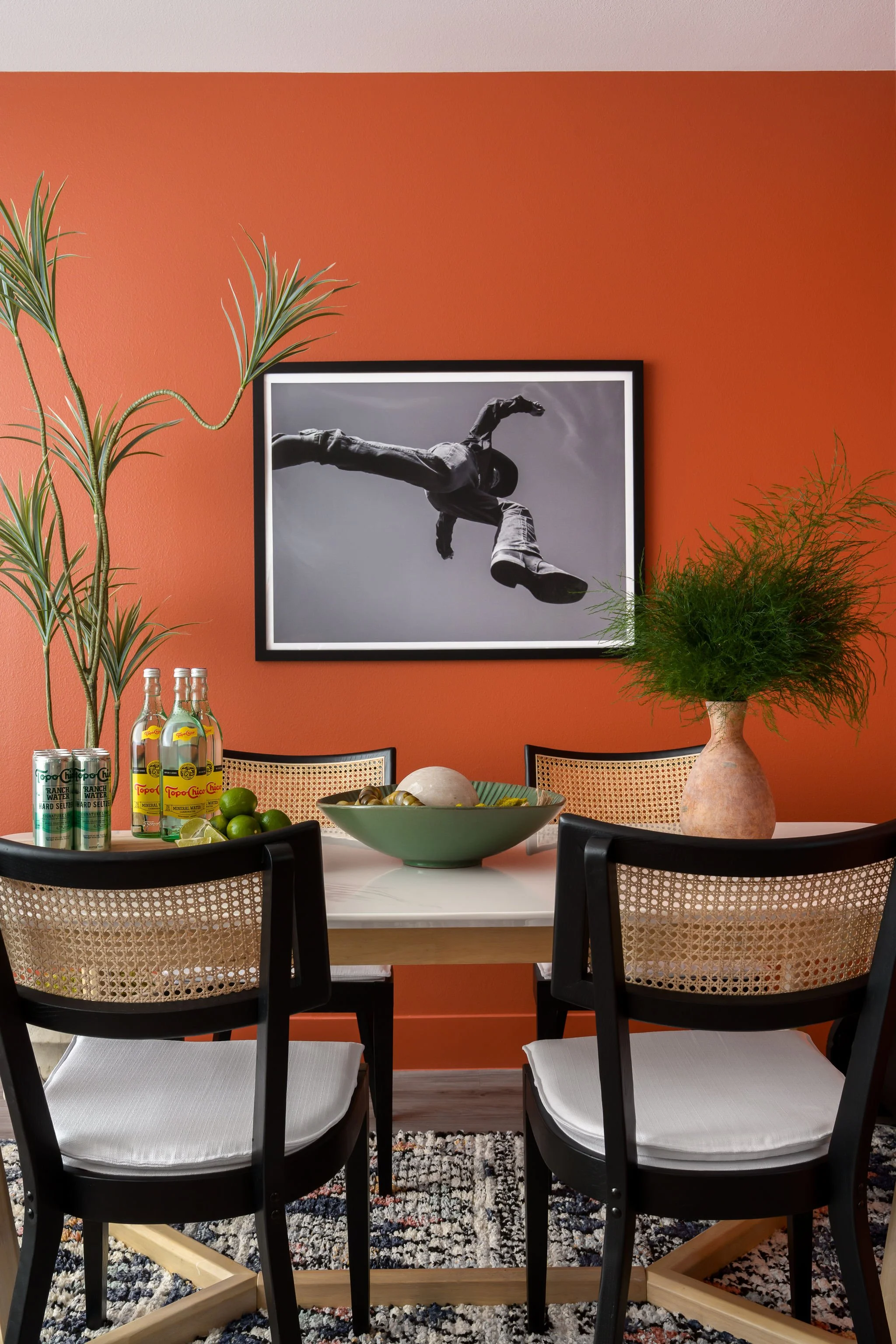
Creating a recognizable visual brand doesn't require every project to have the same palette or every photograph to follow an identical formula.
Consistency can come from something subtler.
It can be the quality of the imagery, the way color is represented, the attention given to materials, the pacing of a portfolio, or the types of compositions you repeatedly choose to show.
The goal isn't to make every project look alike.
It's to present different projects with enough intention that they still feel as though they belong to the same design practice.
That distinction matters, particularly for designers whose work is highly personalized to each homeowner.
Think Beyond the Portfolio Gallery
One of the reasons we discuss marketing during Creative Production Planning is that photographs rarely have a single destination.
A strong project collection can become imagery for your website, social media, editorial pitches, awards submissions, newsletters, presentations, press opportunities, and future marketing materials.
Those uses don't always require the same photograph.
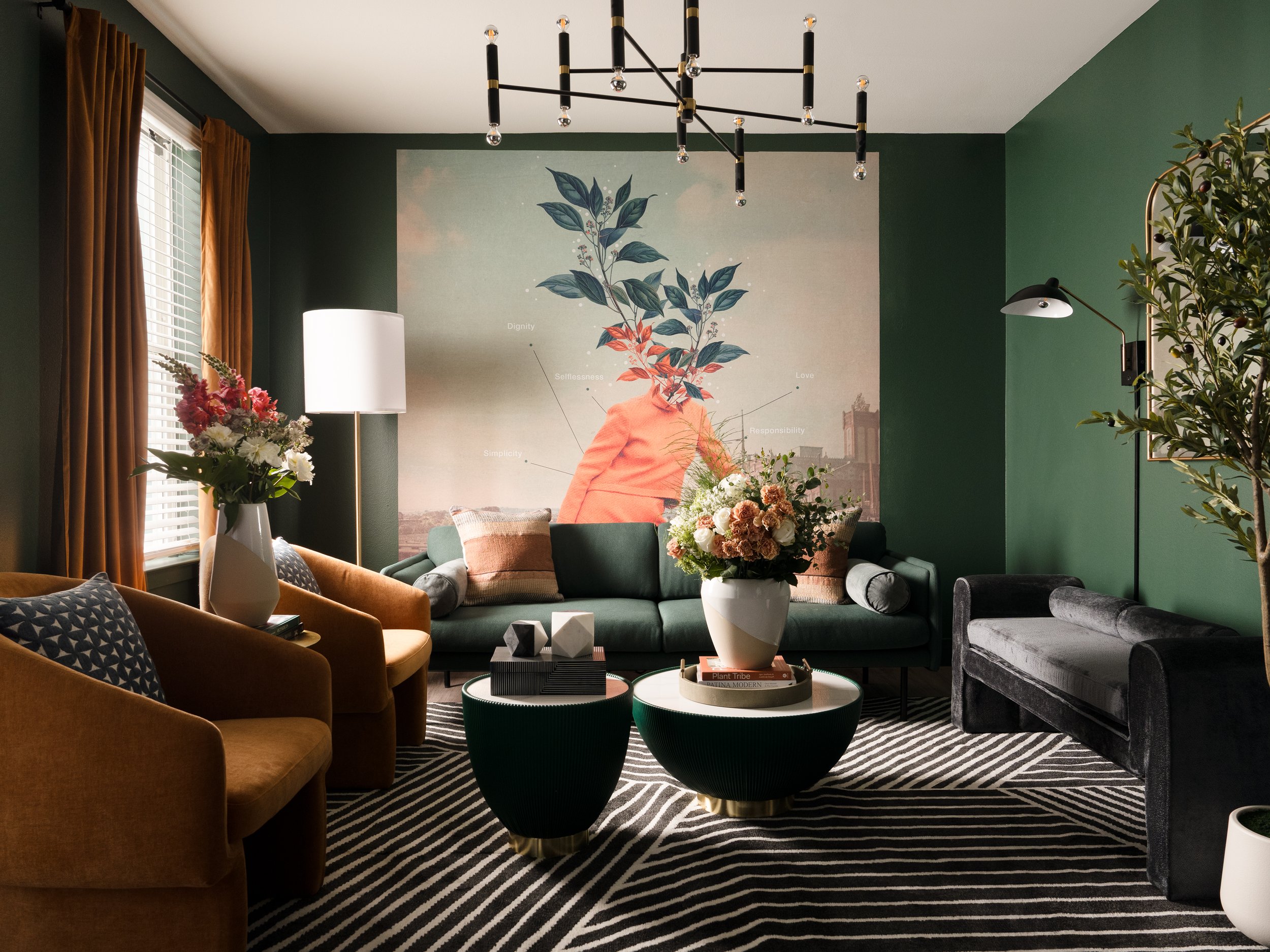
A horizontal hero image might become the opening image of a project gallery or an editorial submission. A vertical composition may work beautifully for social media or a magazine page. A quiet material detail might support a blog article about your design process months after the project was photographed.
Planning for those possibilities before the camera comes out creates a collection with considerably more longevity.
Instead of asking only, "What photographs do we need of this room?"
I prefer to also ask:
"What do these photographs need to do for your business?"
Your Visual Identity Is Built Over Time
A strong portfolio isn't created during a single photoshoot.
It's accumulated project by project.
As your studio evolves, certain themes become clearer. You begin to see which projects represent the direction you want to pursue, which photographs attract the clients you want to work with, and which aspects of your work deserve more attention.
Photography can support that evolution.
The goal isn't simply to leave each project with beautiful photographs.
It's to gradually build a body of work that communicates where your studio has been, what you do exceptionally well, and where you want the business to go next.
Photography With a Purpose
Before photographing a project, I spend time understanding not only the spaces we're documenting, but the larger goals behind the imagery.
What belongs in the portfolio?
Which design decisions deserve their own photograph?
Are there publication or award opportunities to consider?
What kinds of images are missing from your existing marketing library?
And what kind of work would you like these photographs to help you attract next?
Those conversations shape the shot list and help us create a collection that does more than document the finished space.
Because beautiful photography matters.
But the strongest photography also has somewhere to go.
Follow Along on Instagram
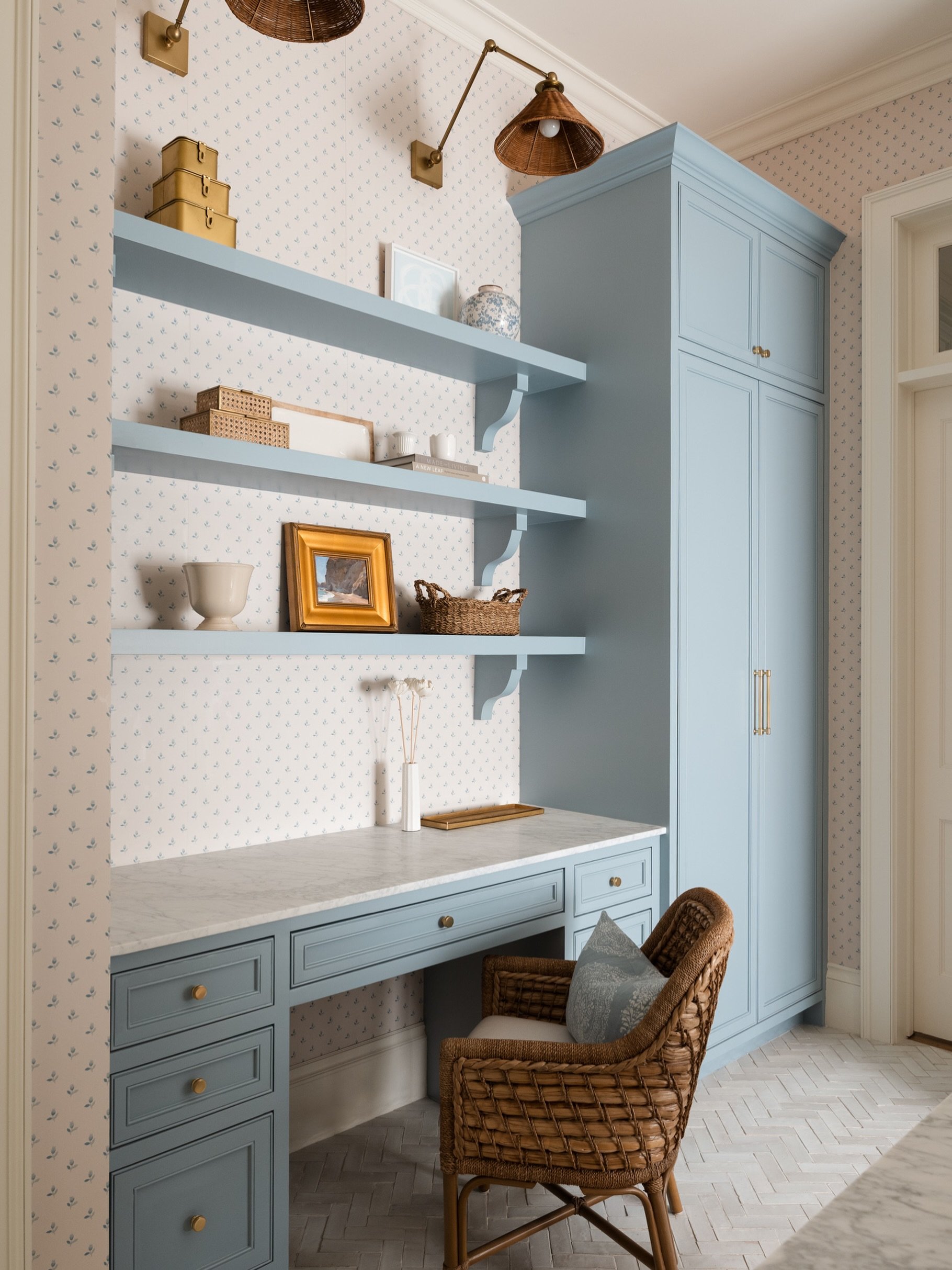
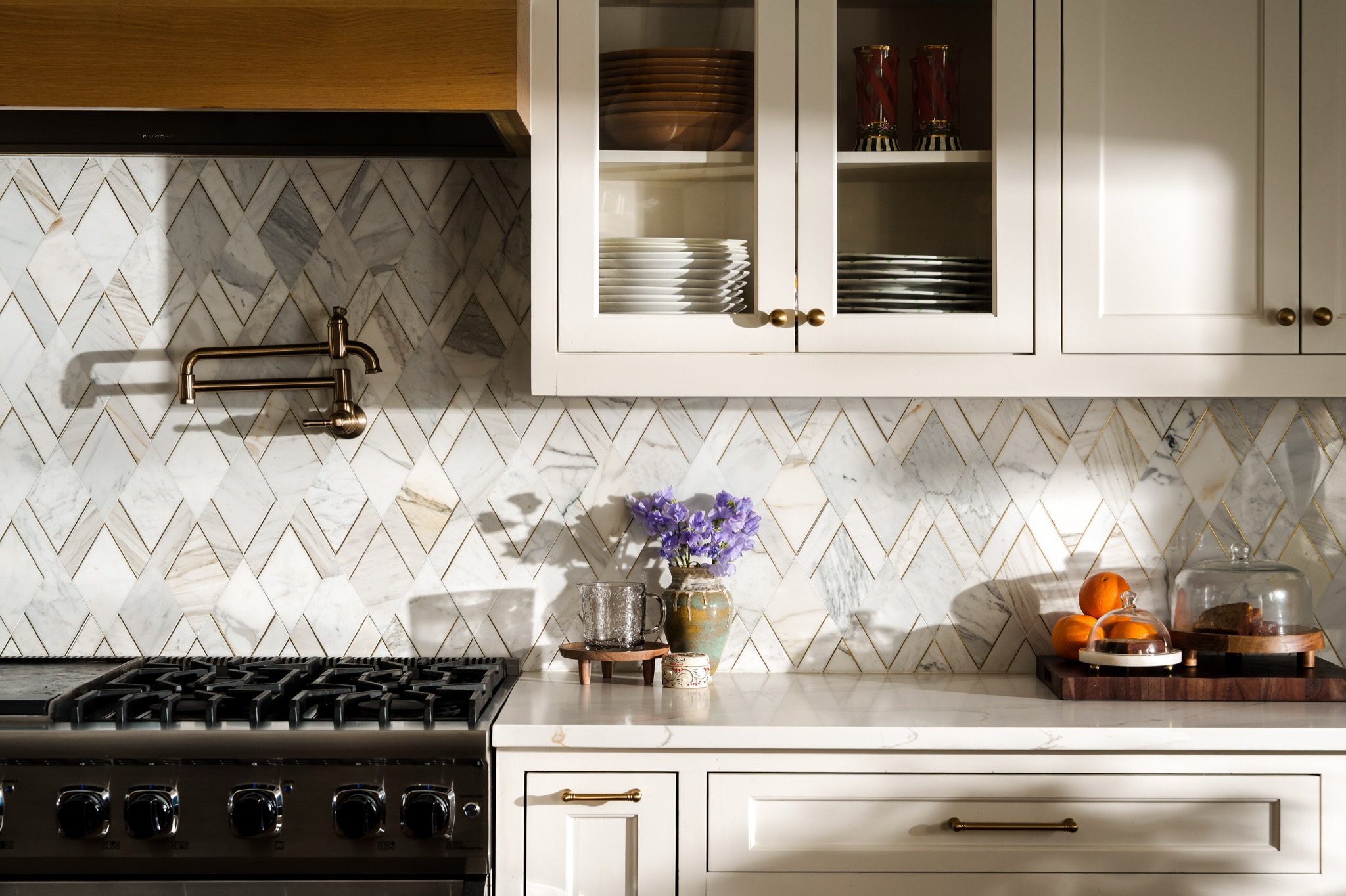
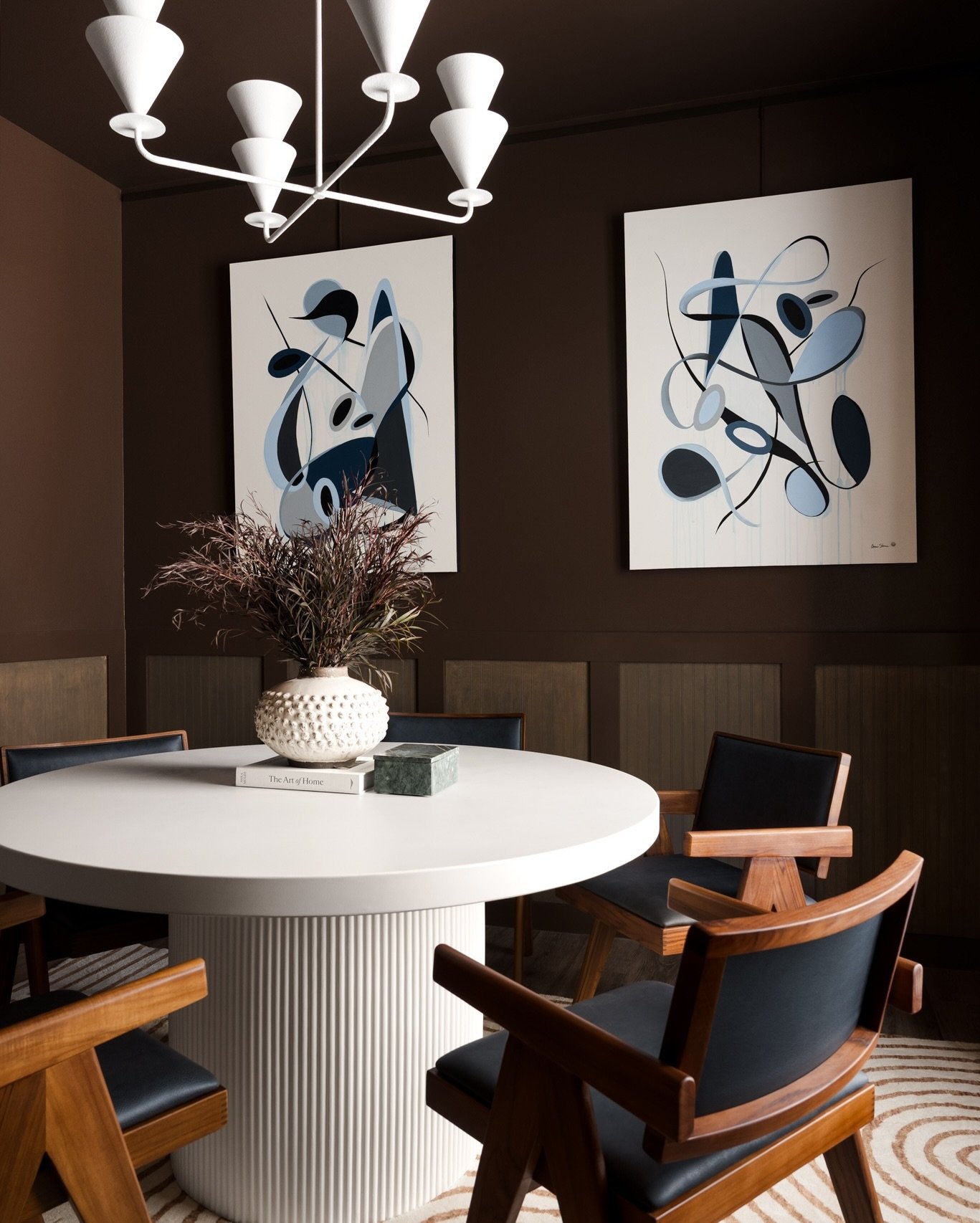
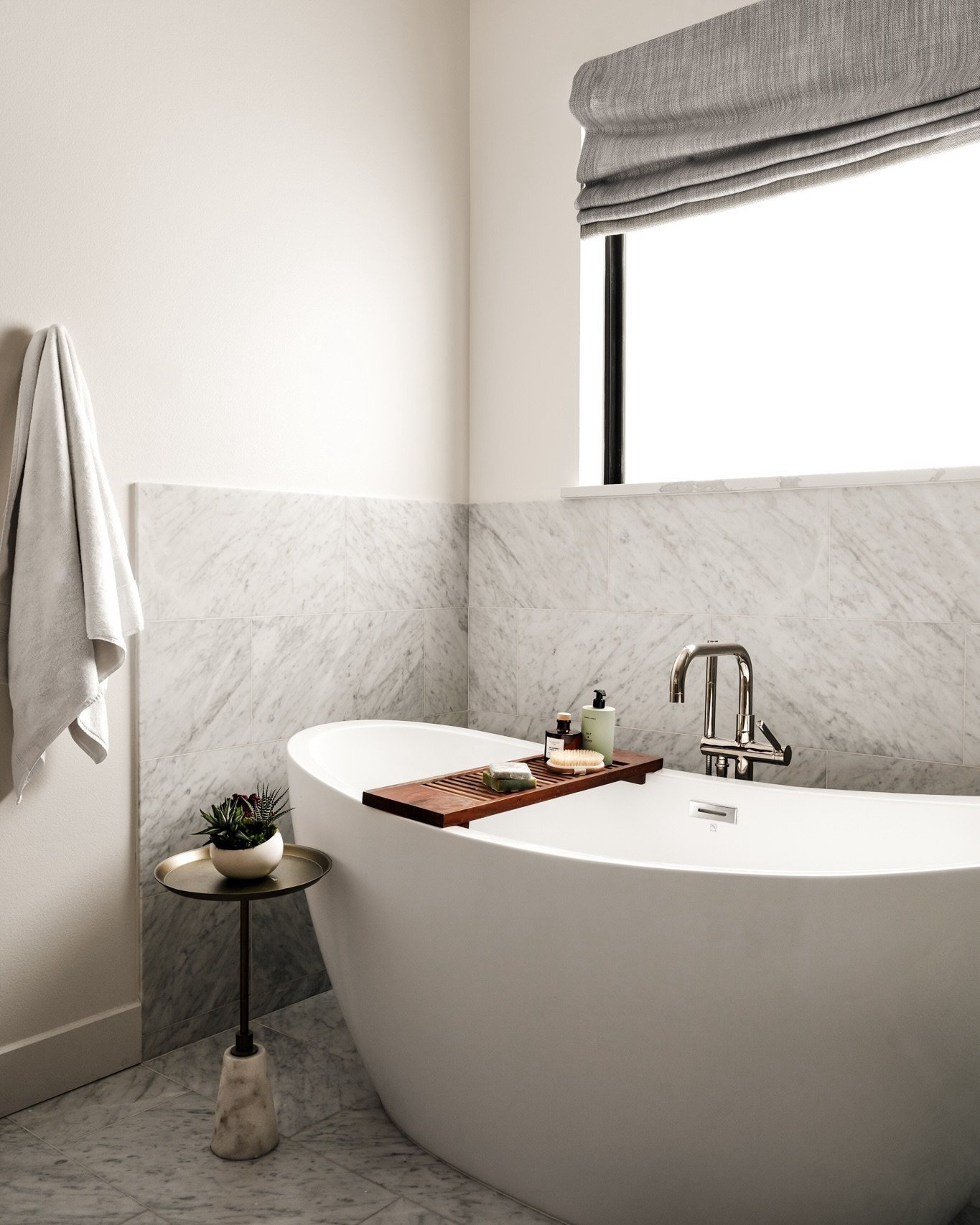
Recent projects, behind-the-scenes moments, and a closer look at the spaces, details, and designers I have the opportunity to photograph.
Have a Project Worth Photographing?
Thoughtful photography begins with understanding the project, the story behind it, and where the images need to go next. If you're planning an upcoming interior, architecture, or hospitality project, I'd love to hear what you're working on.