Why Local Knowledge Matters in Dallas Interior & Architecture Photography
Photographing a space is about more than understanding light and composition. Knowing the architecture, design community, climate, and visual character of the market can help create imagery that feels connected to both the project and the place.
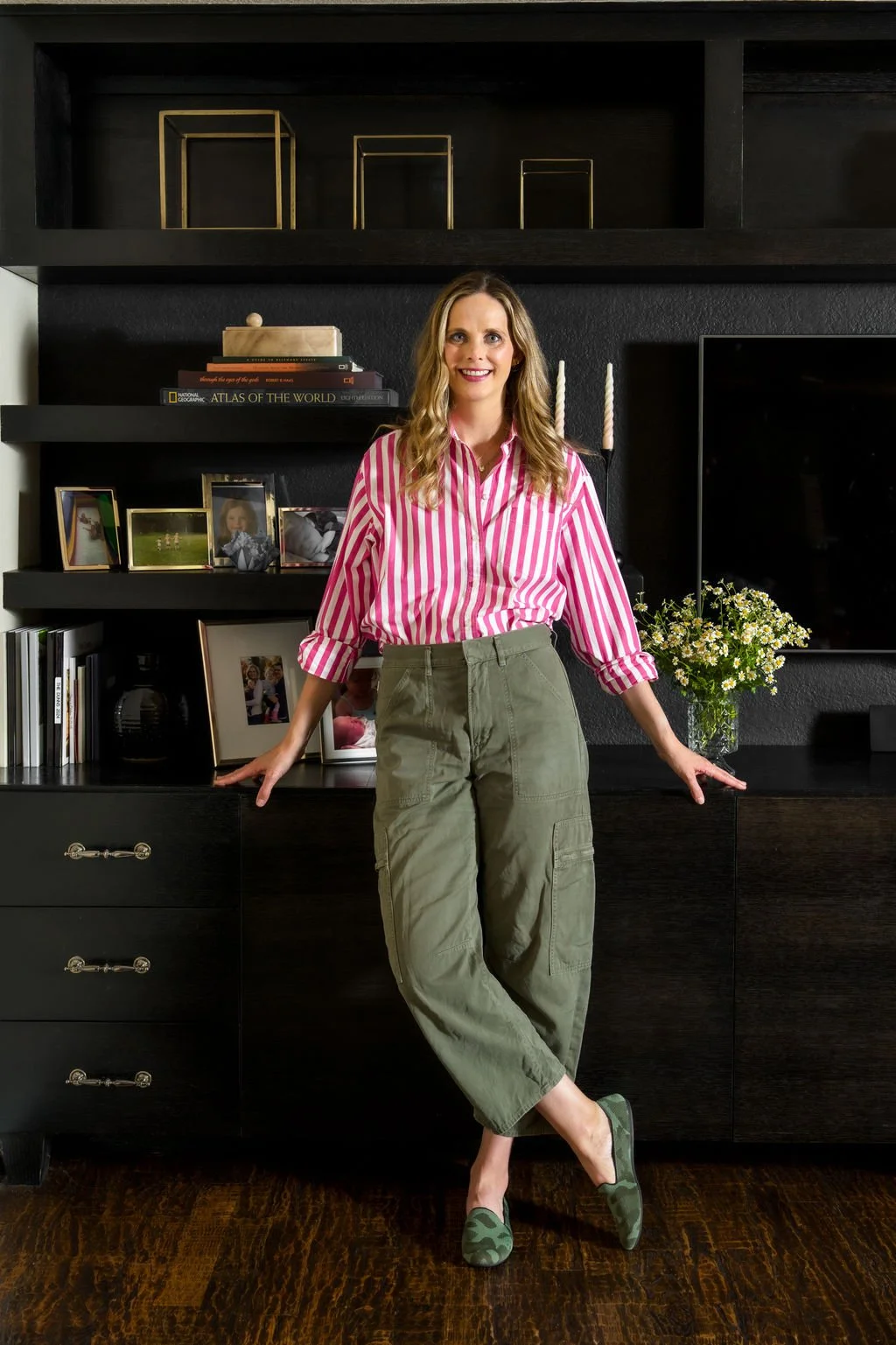
By Stacy Markow
Photographing Design in Dallas
Dallas is an interesting place to photograph architecture and interiors because there isn't a single aesthetic that defines the city.
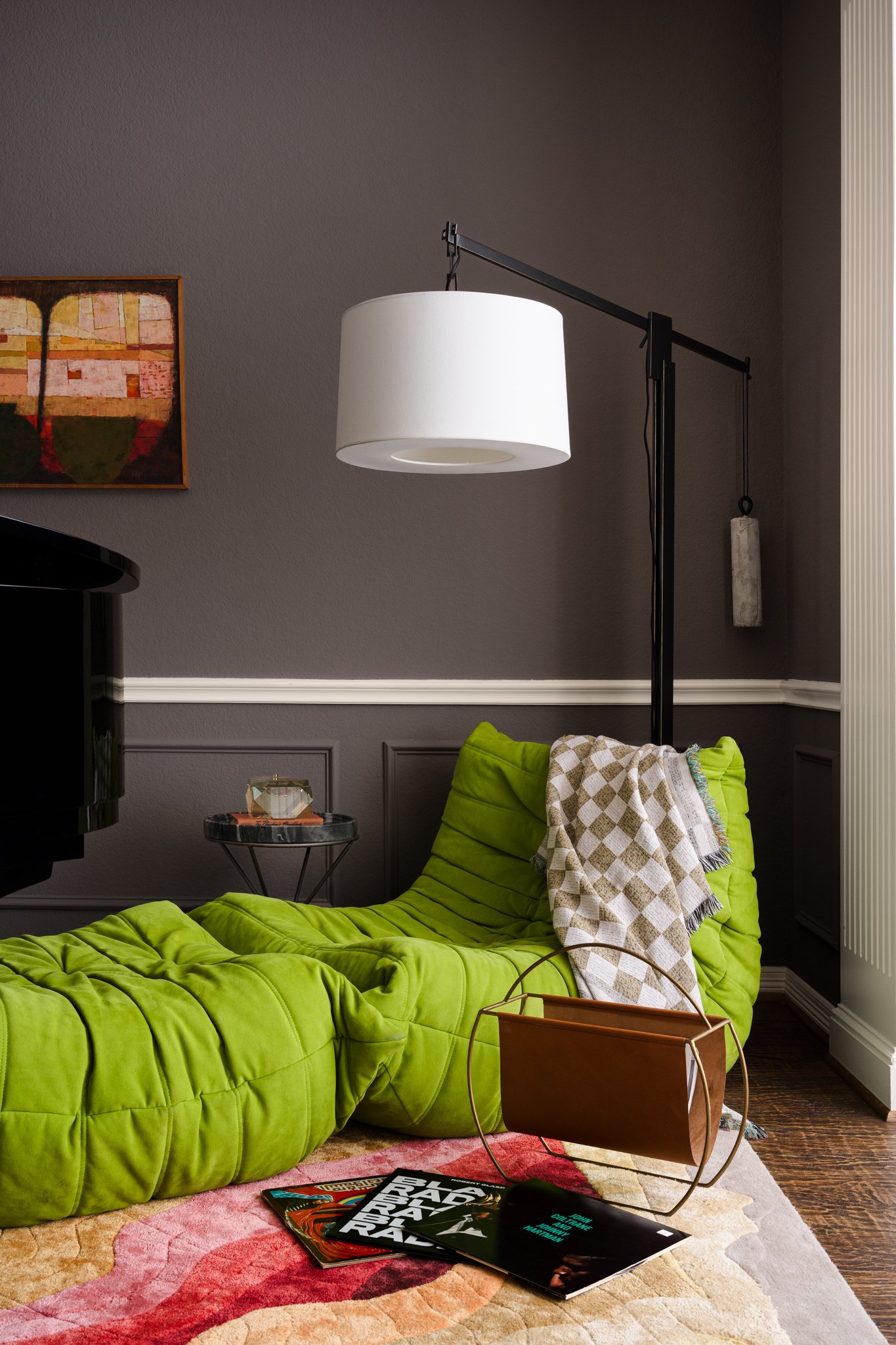
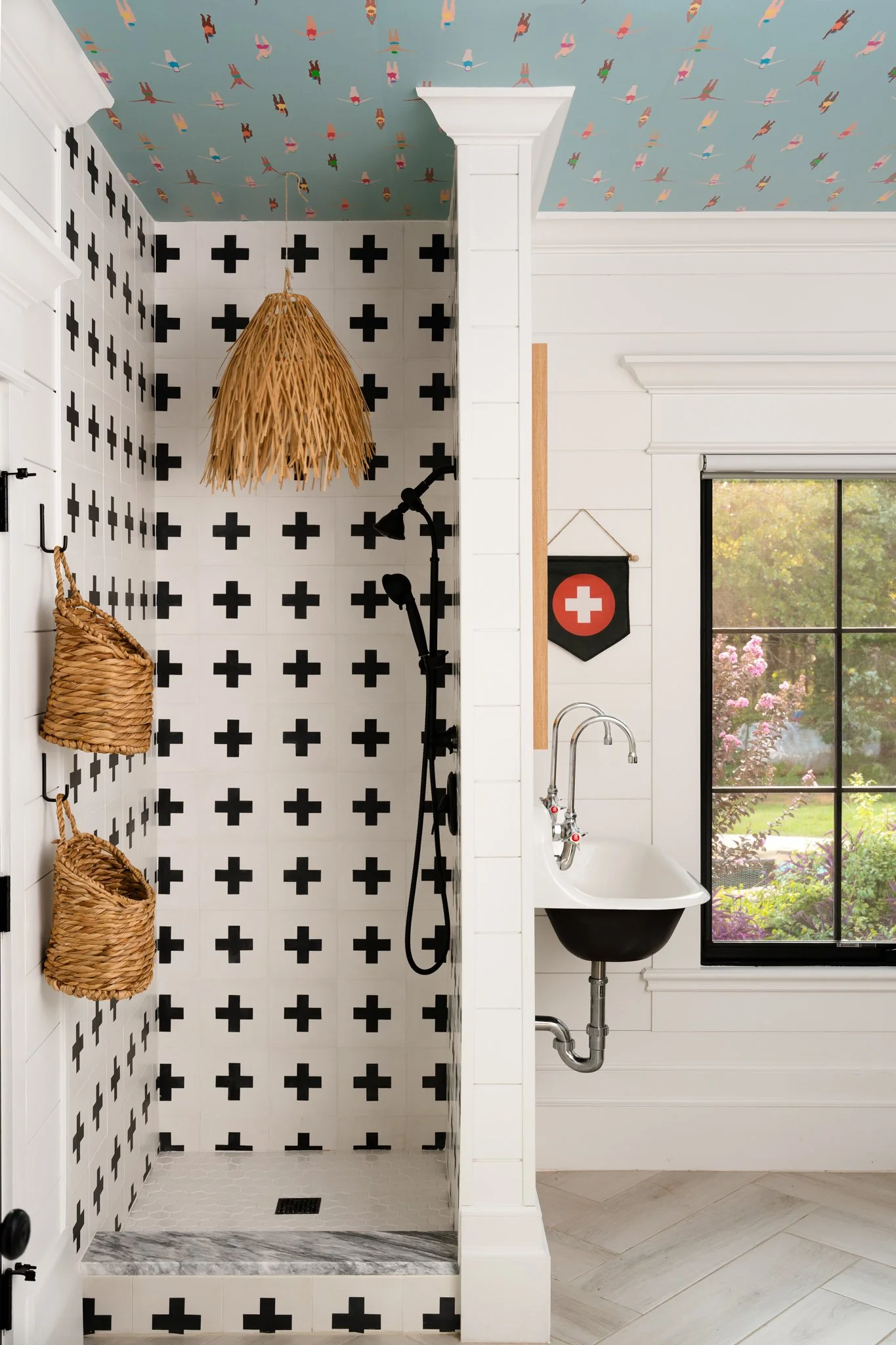
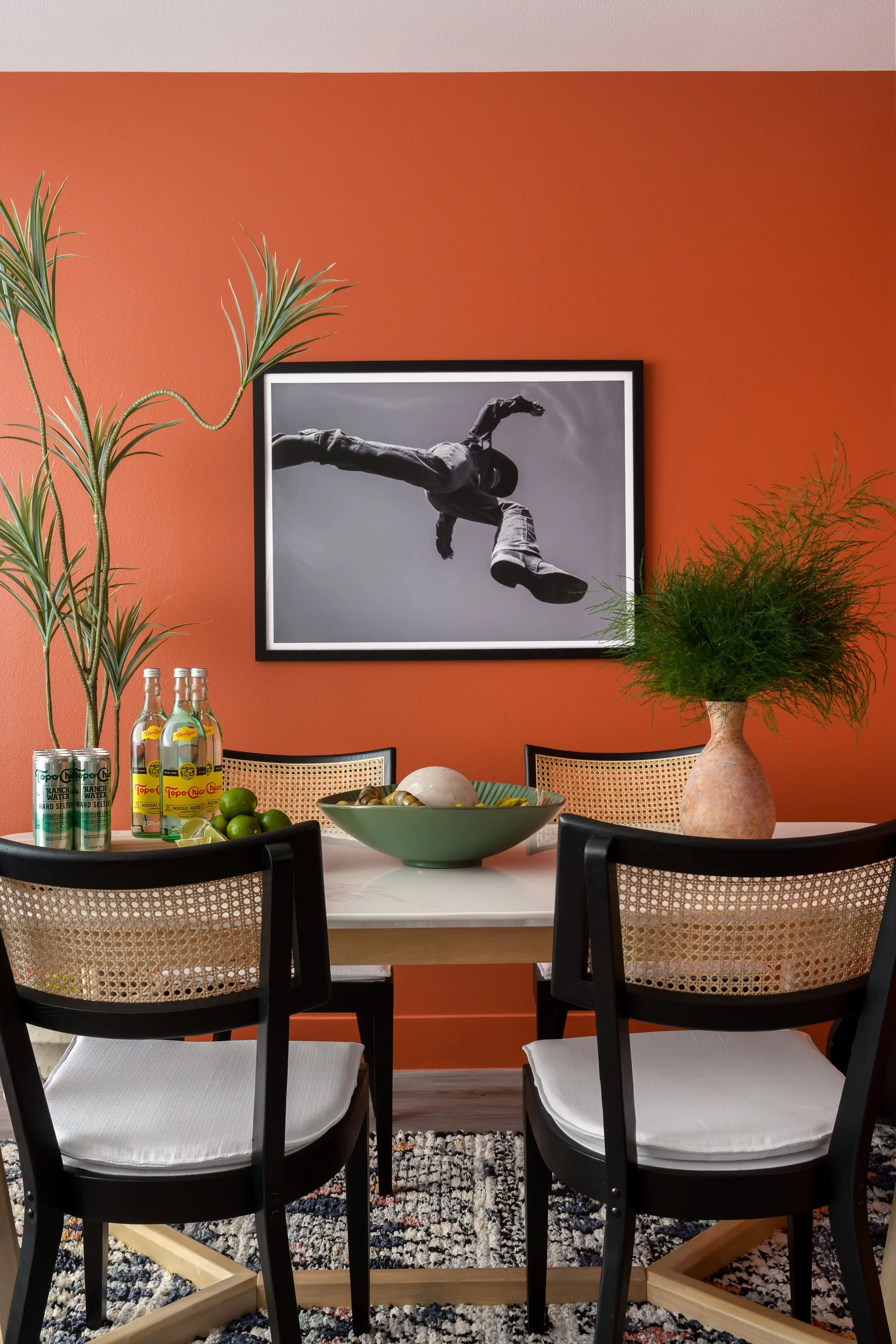
Within the same week, I might photograph a historic home with original architectural details, a contemporary custom residence, a colorful renovation, or a newly completed multifamily development.
That variety is part of what makes photographing design here so interesting.
It also means that approaching every project the same way doesn't work particularly well.
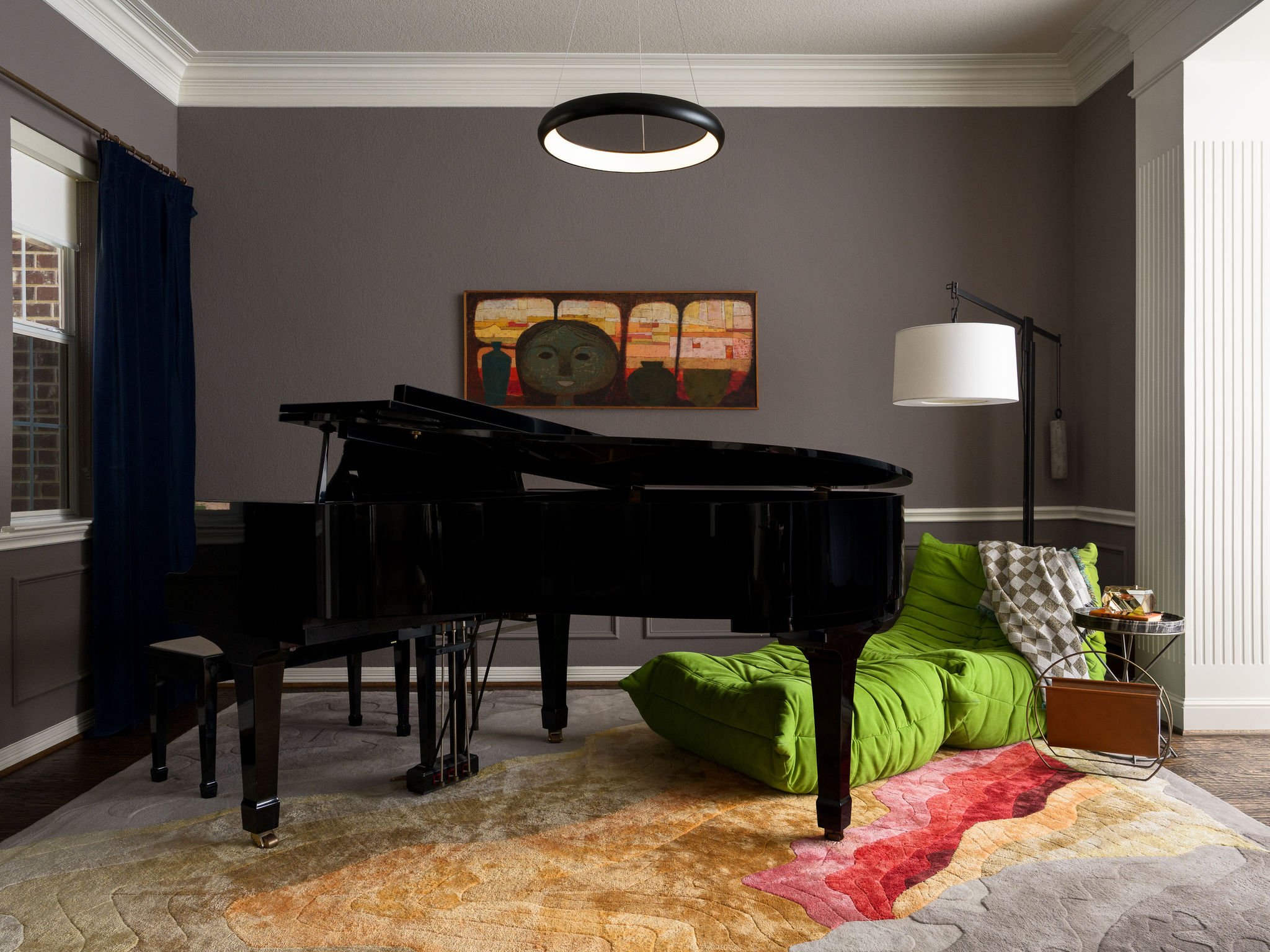
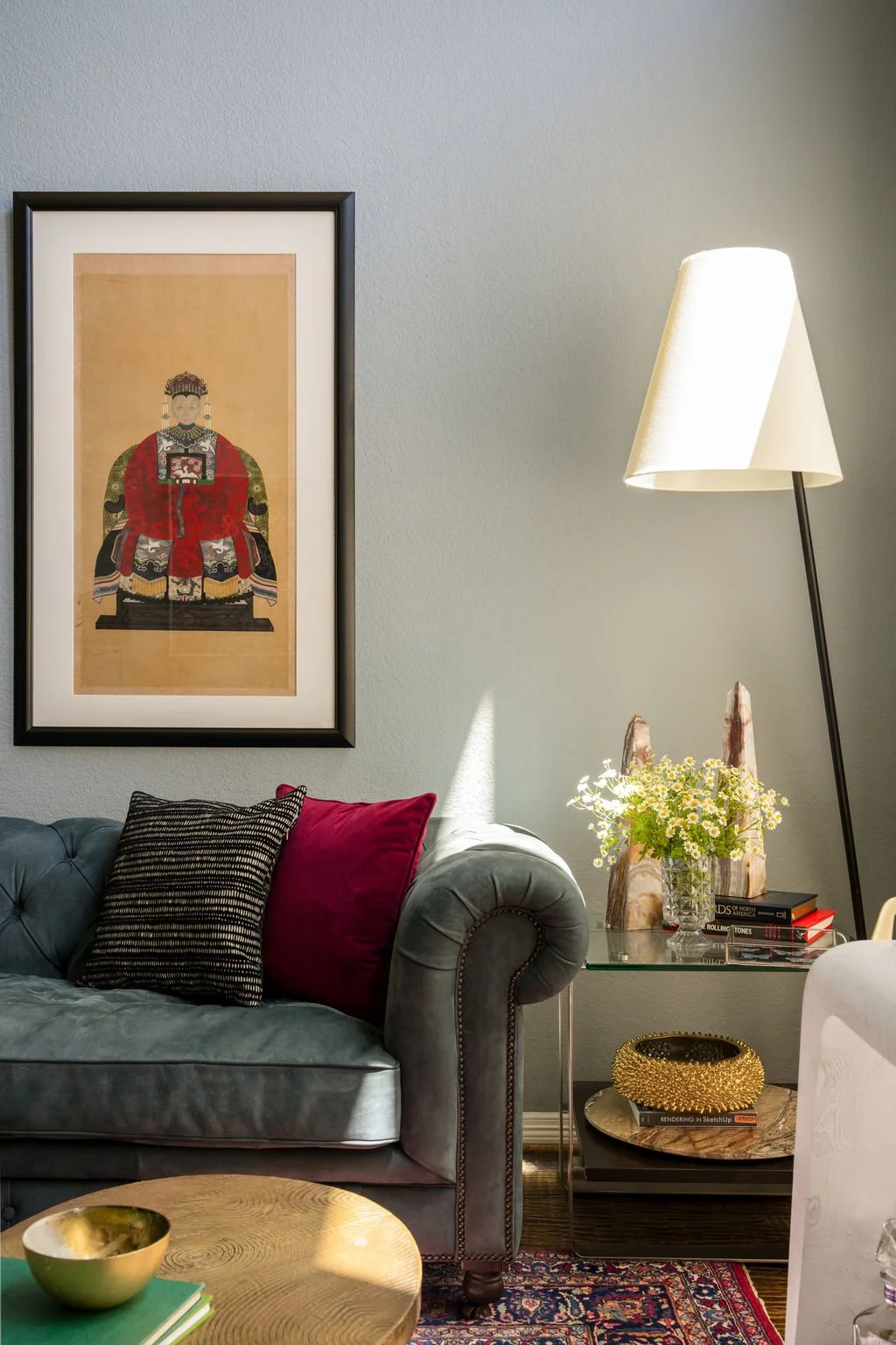
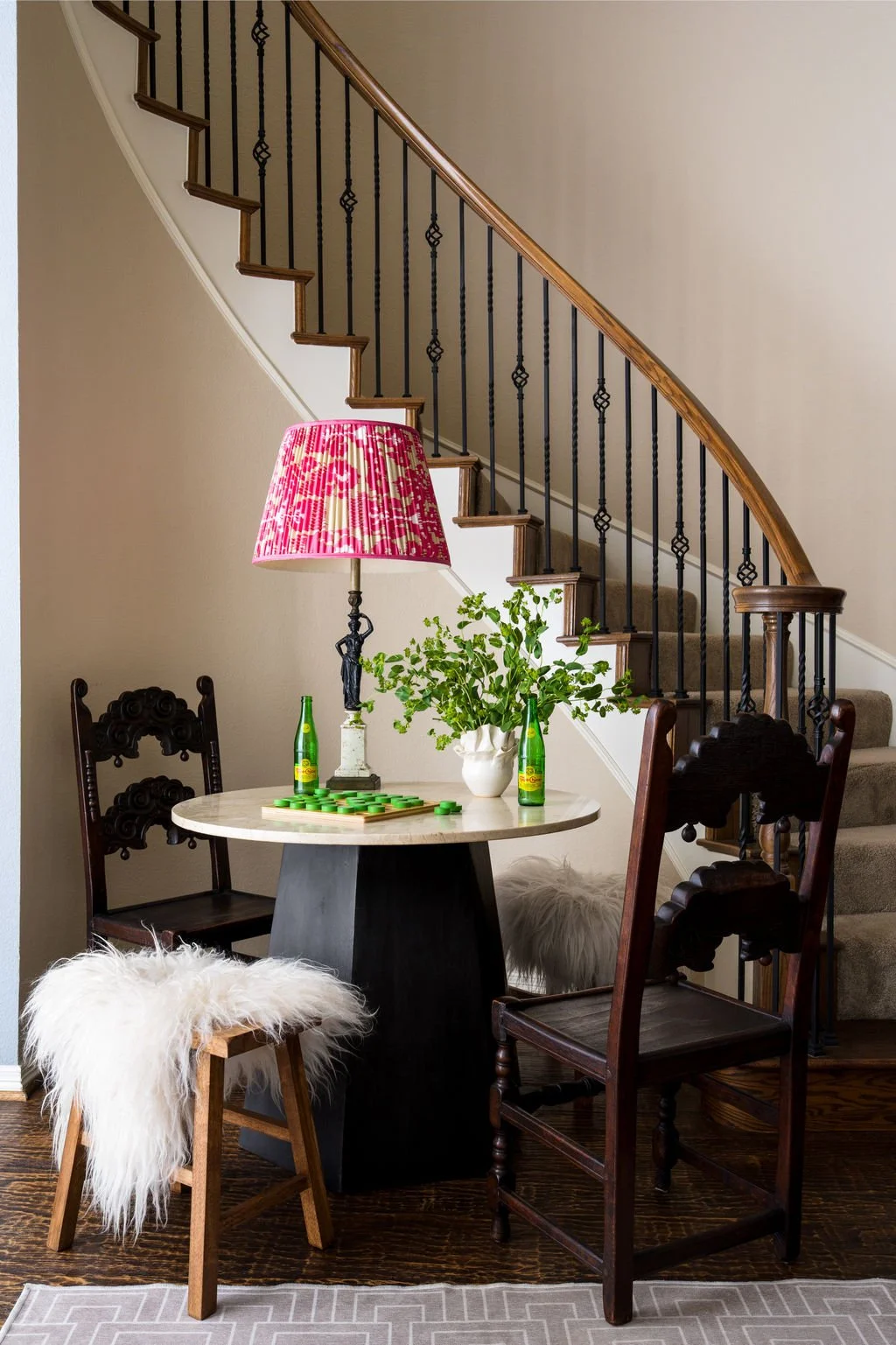
Good interior and architecture photography should respond to the project in front of the camera: its architecture, materials, light, surroundings, and most importantly, the design decisions that make it distinctive.
Knowing the market provides another layer of context for understanding those decisions.
Understanding the Architecture You're Photographing
Dallas and the surrounding communities contain an incredibly broad mix of residential and commercial architecture.
There are midcentury homes tucked throughout East Dallas, established neighborhoods filled with traditional architecture, contemporary custom homes across North Texas, historic commercial buildings being reimagined, and an enormous amount of new development.
Each requires a slightly different photographic approach.
A historic home might call for compositions that emphasize original architectural details and the relationship between old and new.
A contemporary residence may be more about geometry, material transitions, scale, and the relationship between interior and exterior.
For a multifamily, hospitality, or retail project, the photographs may also need to communicate how a space functions and what it feels like to experience it.
The goal isn't to make the architecture conform to a particular photographic style.
It's to understand what's important about the project and create images that communicate it clearly.
Local Knowledge Helps With Planning
Some of the most important decisions in architectural photography happen before shoot day.
Where does the sun move throughout the day?
Which exterior elevations need morning light and which are better later?
How will neighboring buildings, landscaping, traffic, weather, or seasonal conditions affect the photographs?
In North Texas, those questions can become particularly important.
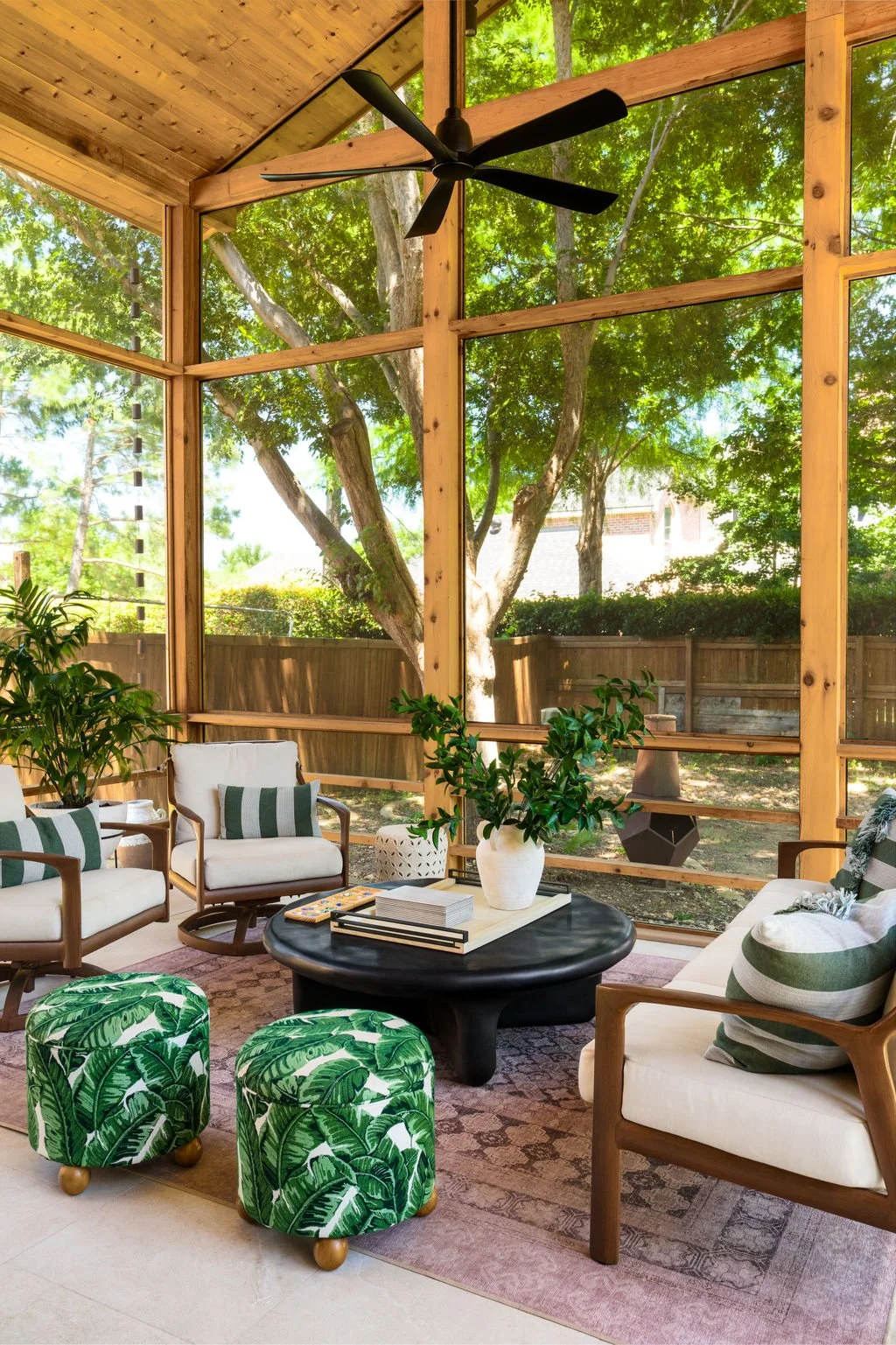
Strong sun, rapidly changing weather, large windows, mature tree coverage, and the orientation of a home can dramatically change how a space photographs throughout the day.
That is one reason Creative Production Planning is such an important part of my process.
Before a project is photographed, we consider the architecture, available light, priorities, shot list, timeline, and how the finished images will ultimately be used.

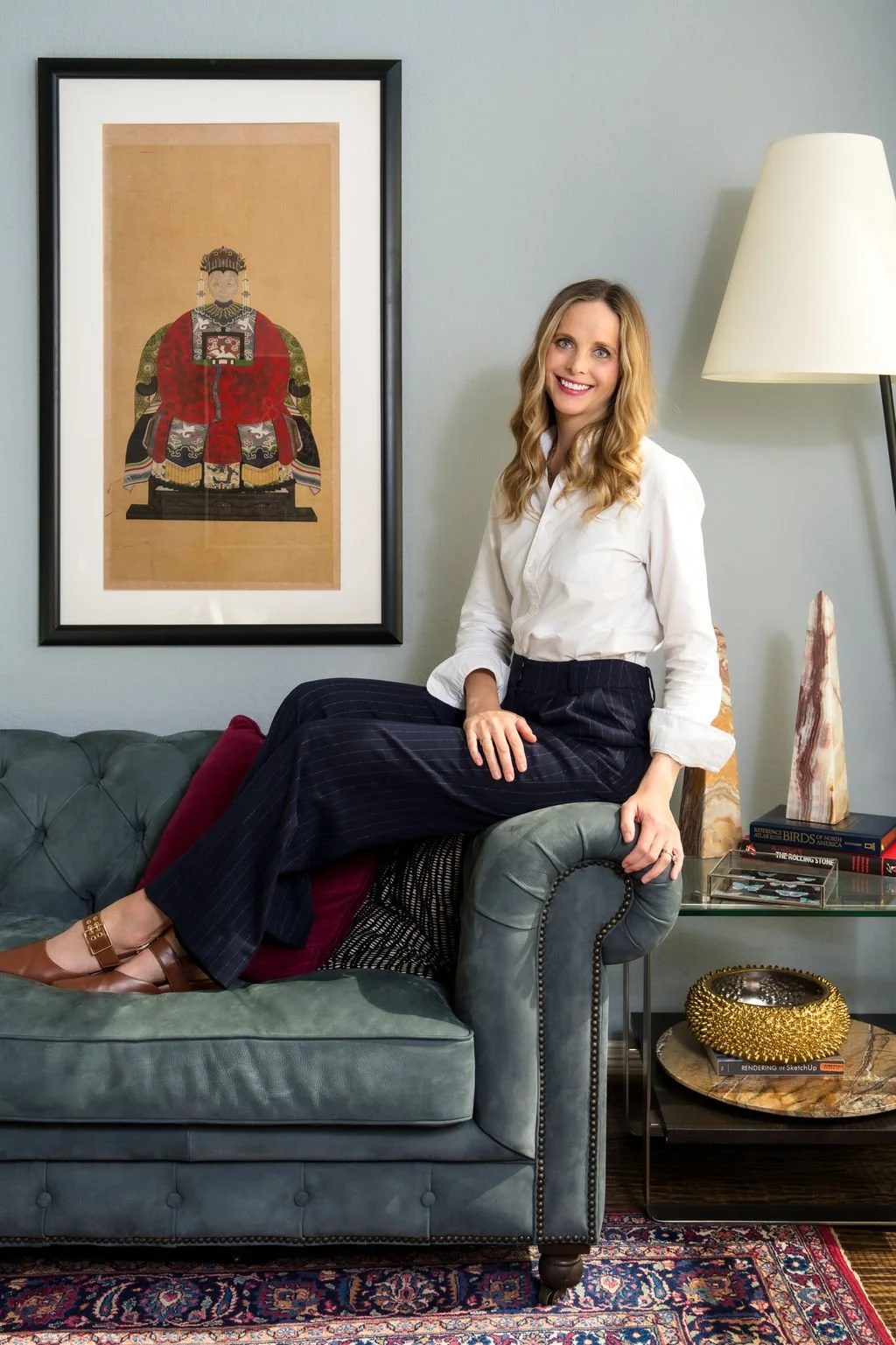
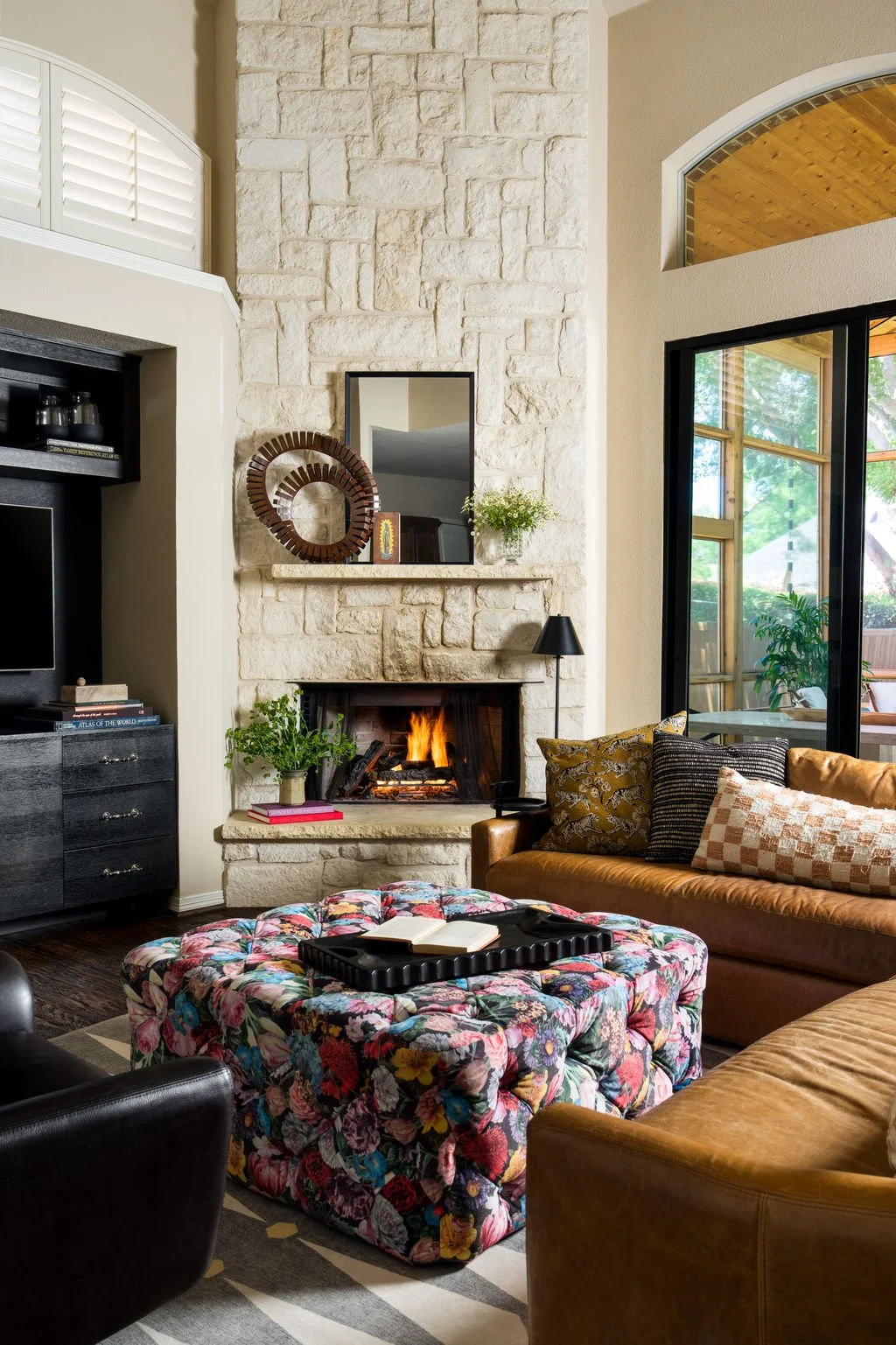
Understanding the Design Community Matters, Too
Local knowledge isn't only about architecture or geography.
It's also about understanding the businesses behind the spaces.
Interior projects are inherently collaborative. A finished room might represent the work of an interior designer, architect, builder, contractor, landscape designer, fabricator, showroom, artist, and numerous manufacturers and craftspeople.
Knowing how those businesses use photography helps shape the way I approach a project.
An interior designer may need imagery for a portfolio and editorial submissions.
An architect may want to emphasize structure, proportion, and materiality.
A builder may need photographs that communicate craftsmanship.
A hospitality or multifamily client may be thinking about marketing, leasing, press, and the experience of the property.
The same project can serve several different purposes depending on who is looking at the photographs.
Understanding those perspectives helps us create a collection with greater long-term value.
Creating Images That Feel Like the Project
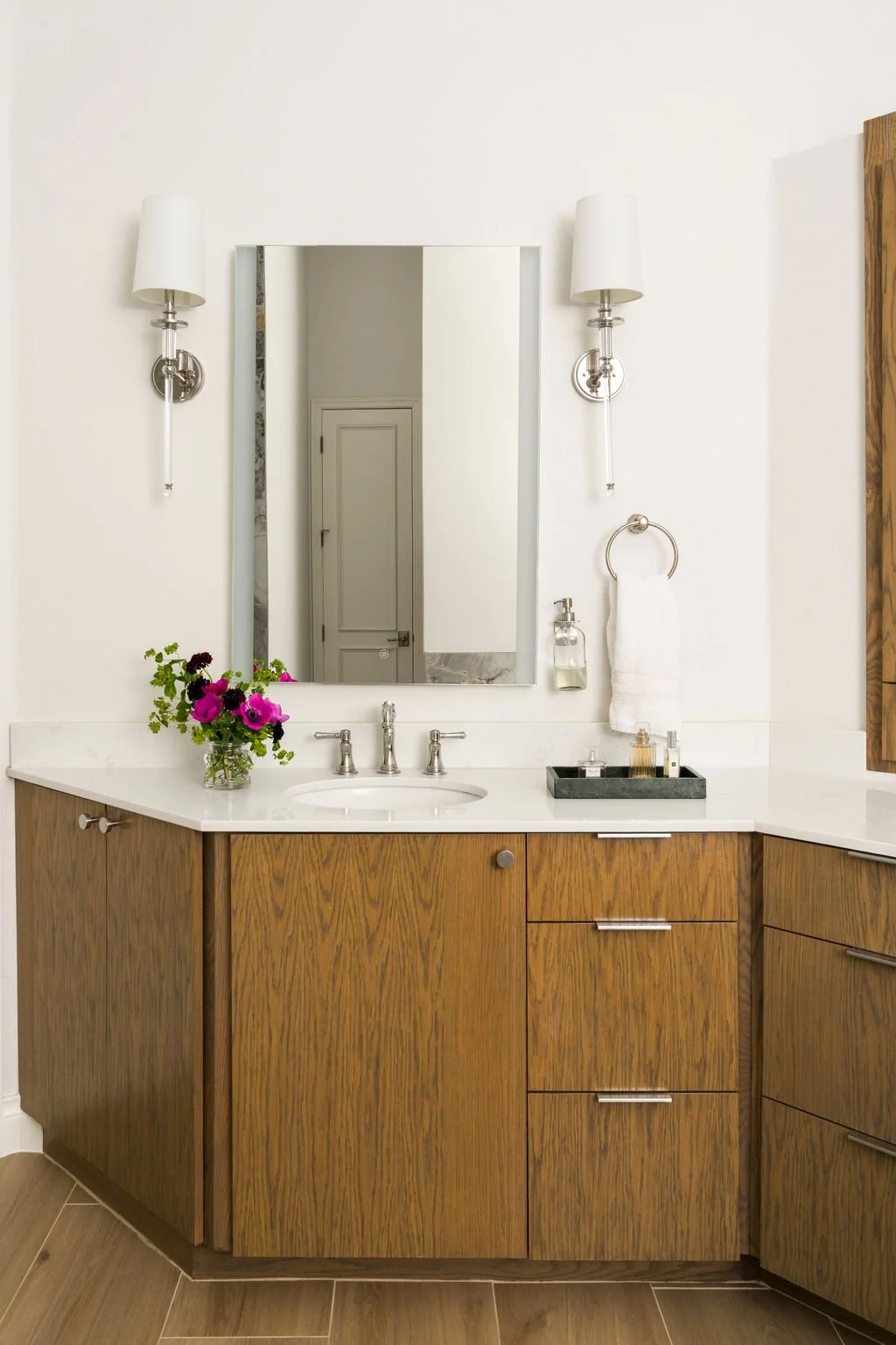
One of my priorities when photographing interiors is maintaining the integrity of the designer's work.
Color should feel accurate.
Materials should retain their texture.
Architectural lines should feel intentional.
Lighting should support the space rather than overpower it.
And the photographs should reflect the atmosphere the designer worked to create.
That becomes particularly important in a design market as varied as Dallas.
I don't want every project I photograph to look like a Stacy Markow project.
I want it to look like your project, photographed thoughtfully.
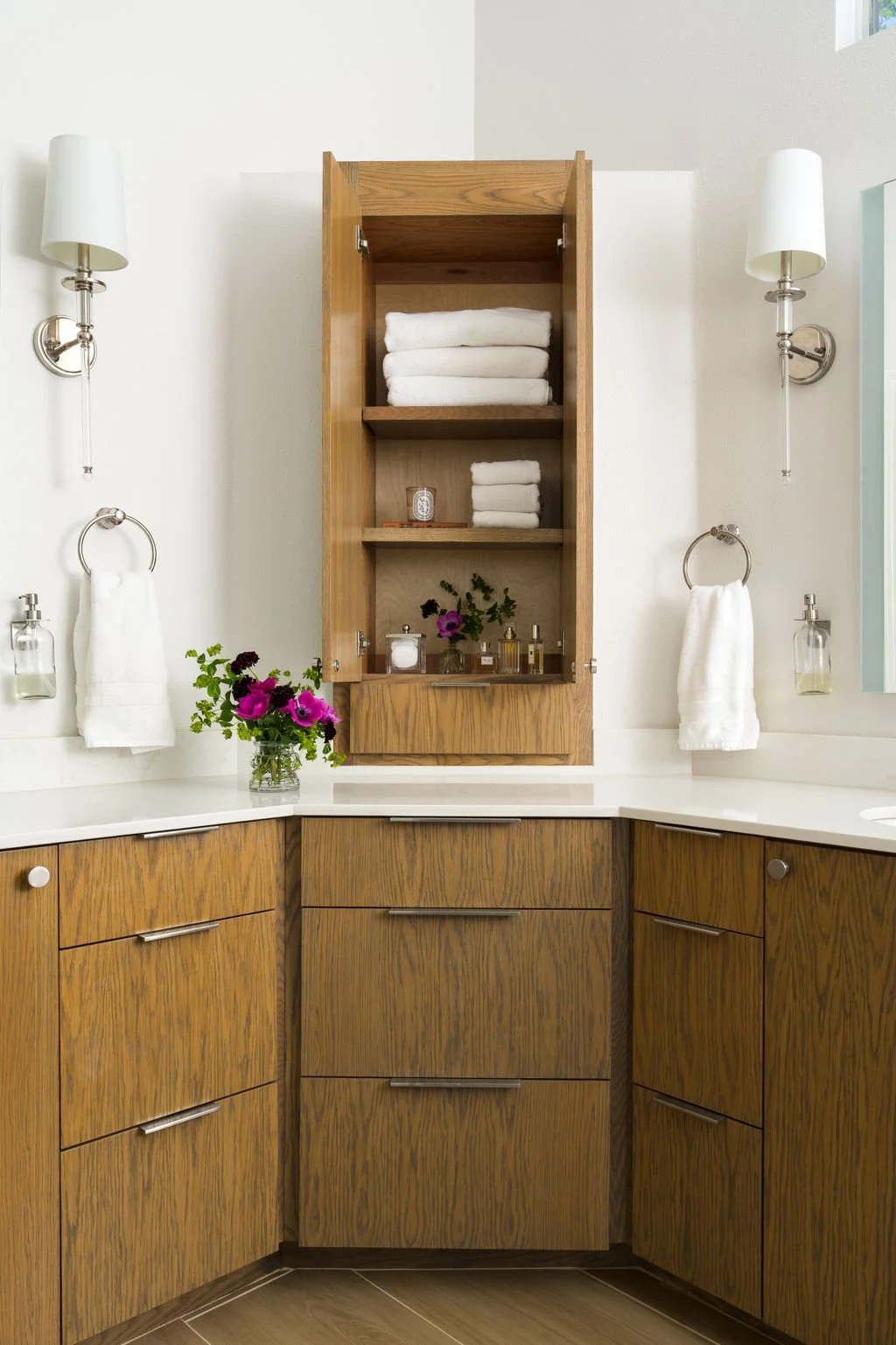
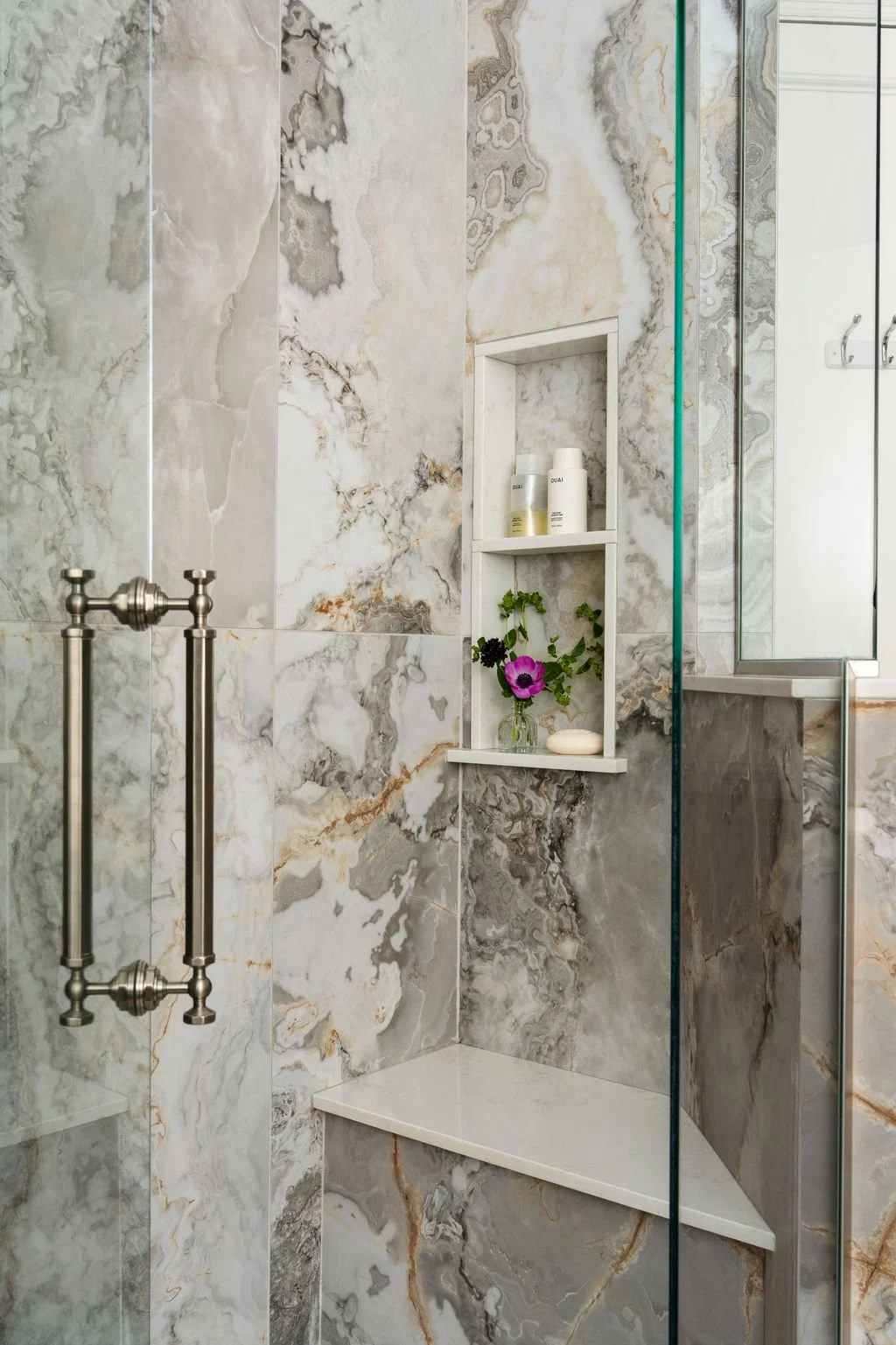
Photography That Goes Beyond Documentation
The strongest project photography doesn't simply prove that a project was completed.
It helps communicate what made the project worth creating in the first place.
The craftsmanship.
The materials.
The architecture.
The design decisions.
The way a room feels when everything finally comes together.
And when those photographs are created with an understanding of both the project and the market around it, they become much more useful than a record of the finished space.
They become part of how designers, architects, builders, and brands communicate the quality of their work.
Follow Along on Instagram
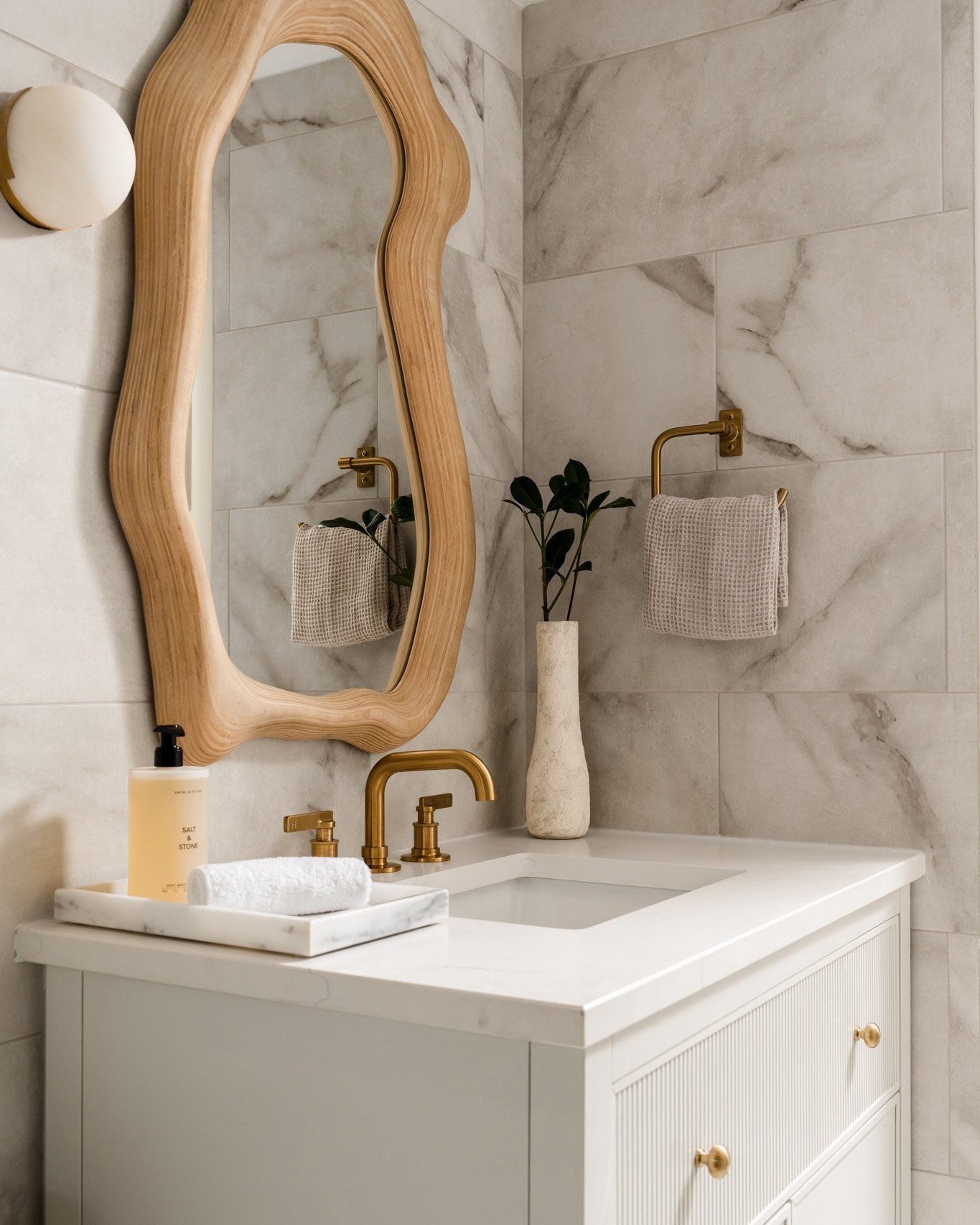
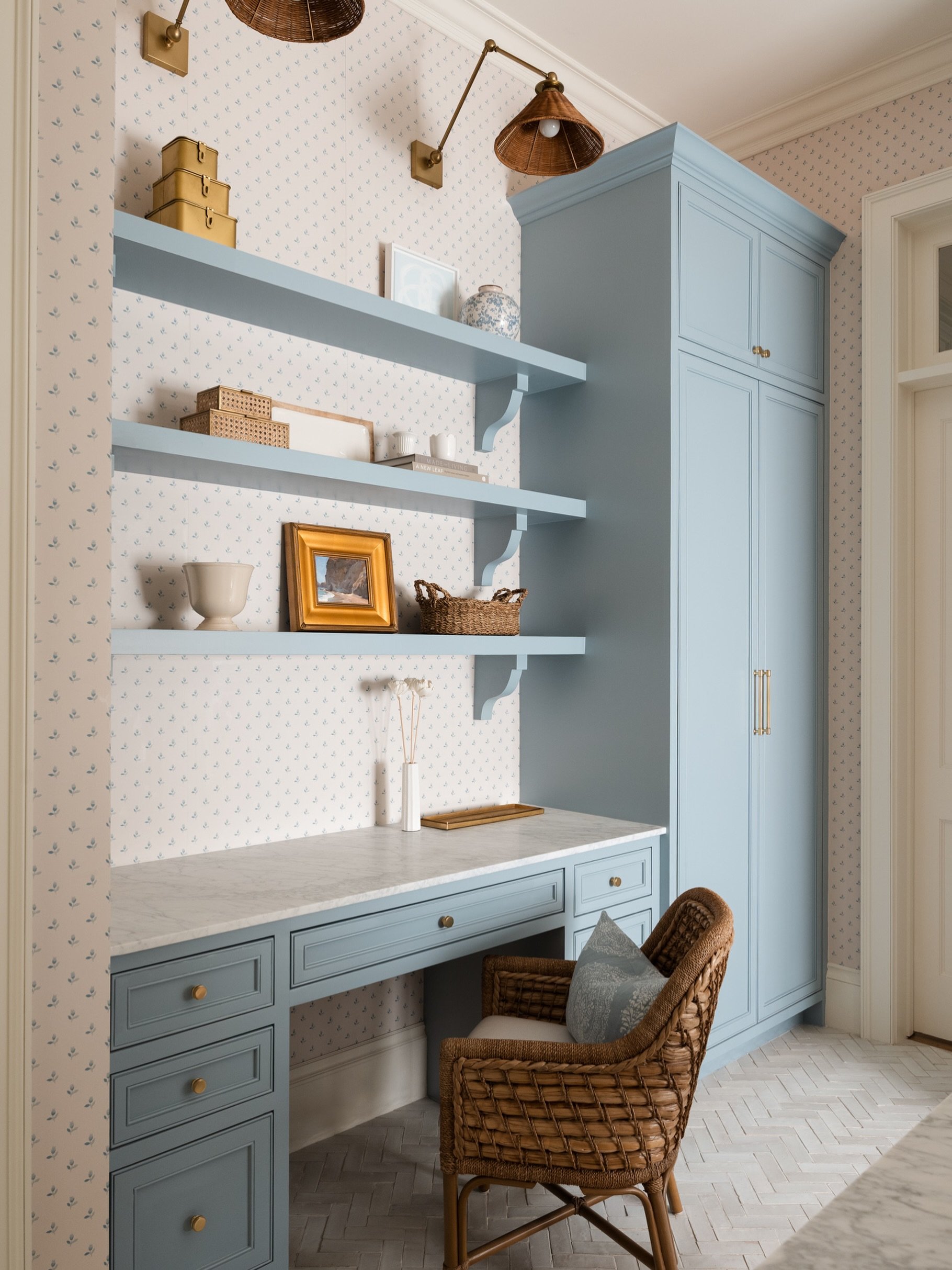
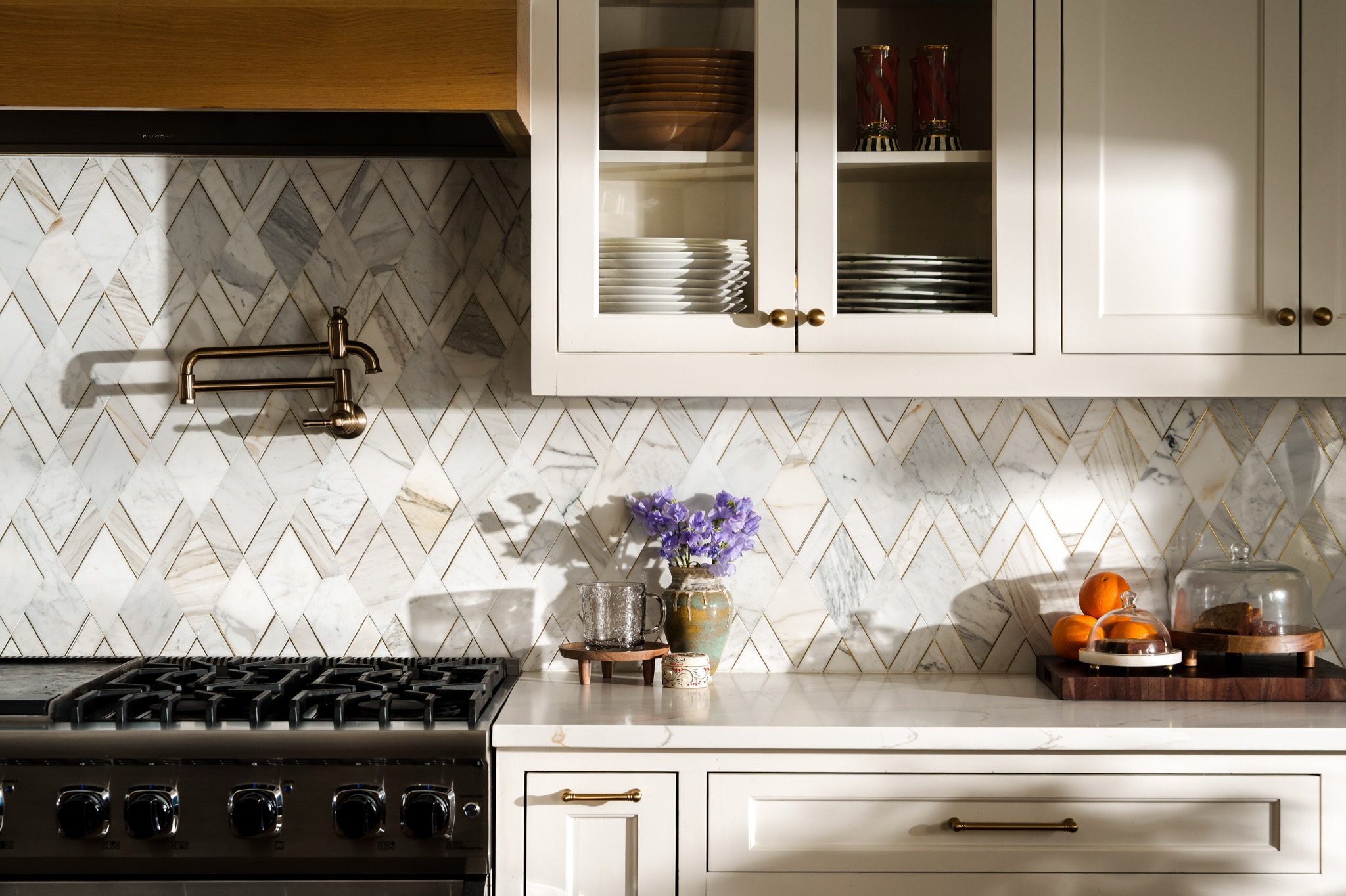
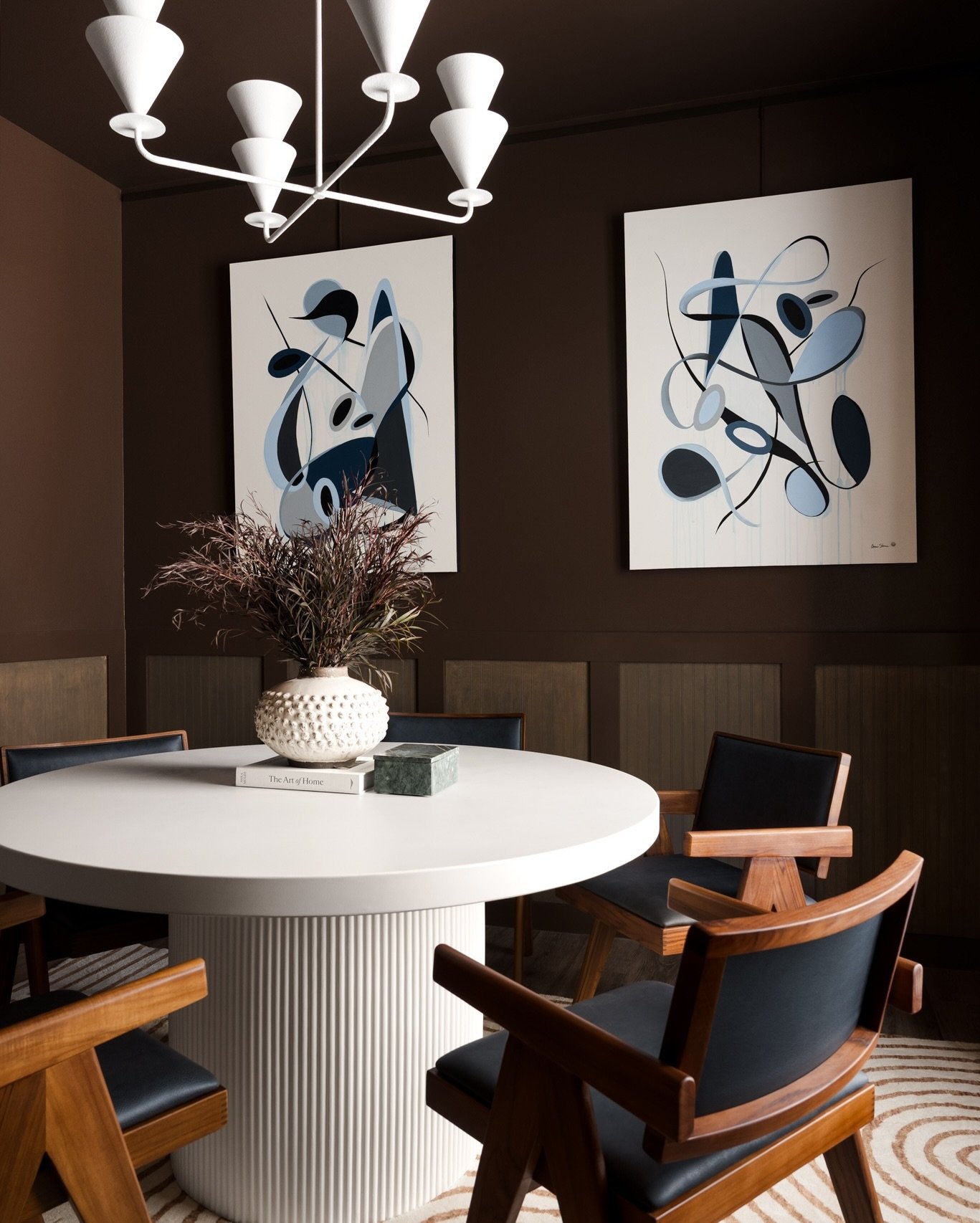
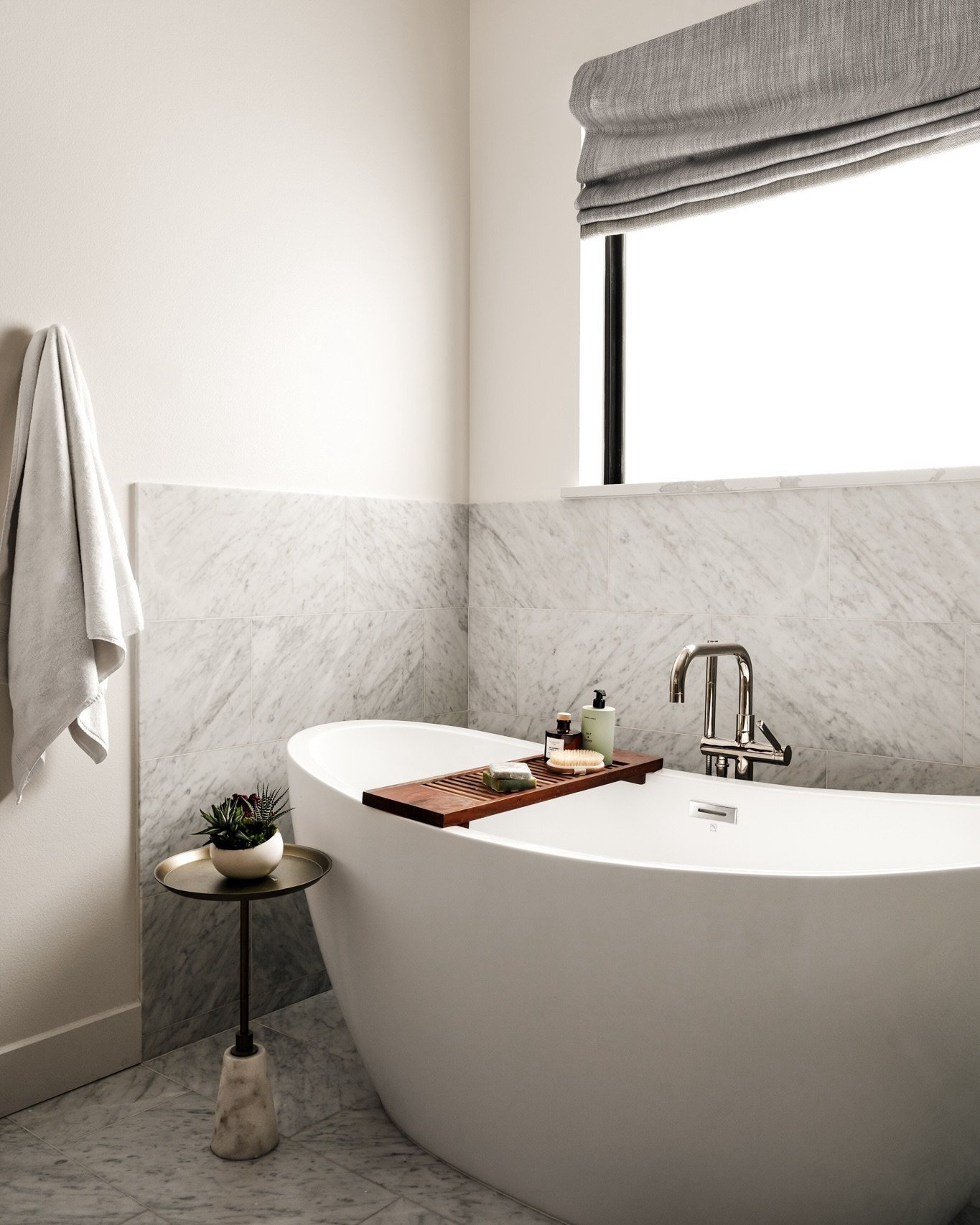
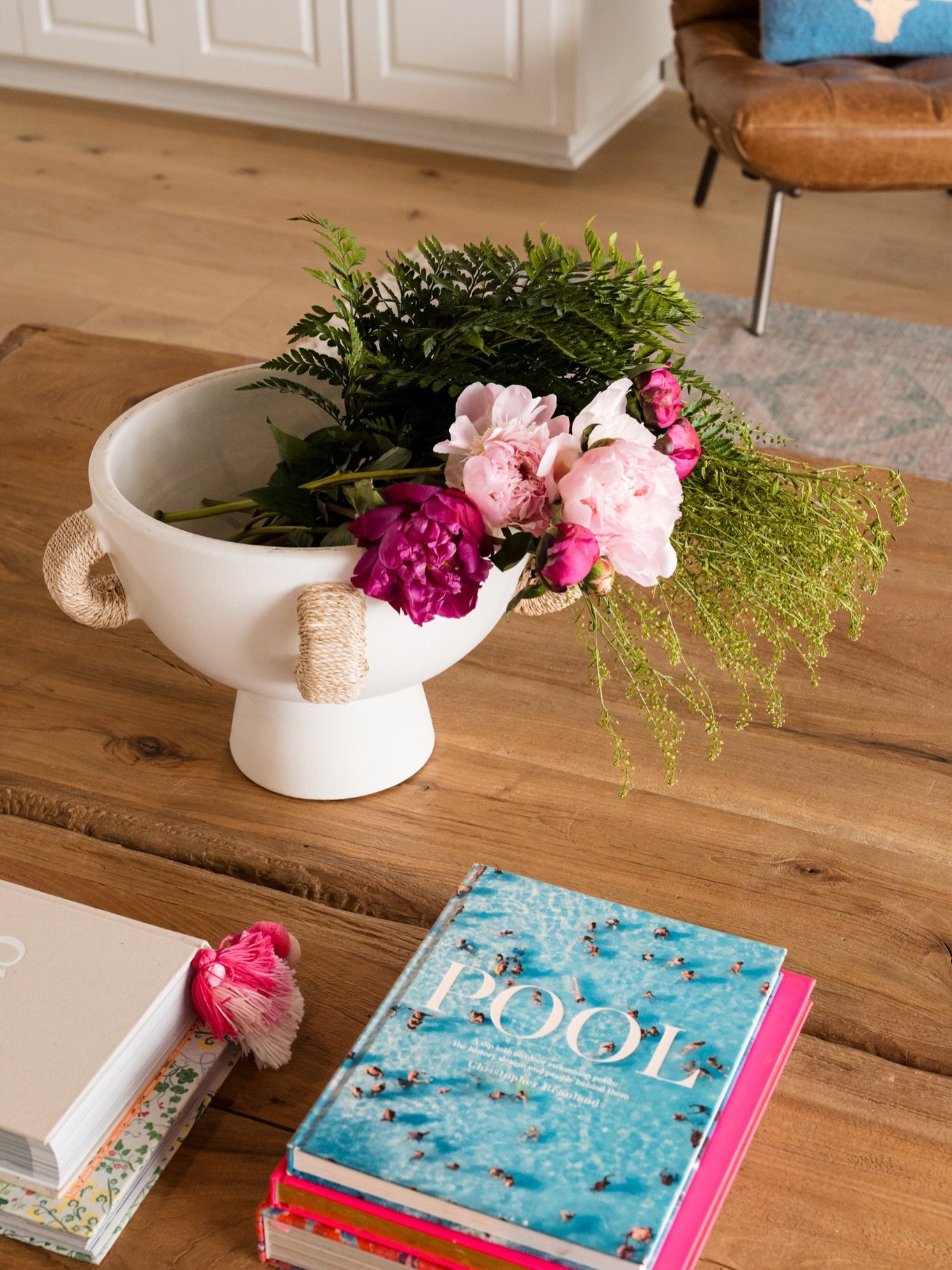
Recent projects, behind-the-scenes moments, and a closer look at the spaces, details, and designers I have the opportunity to photograph.
Have a Project Worth Photographing?
Thoughtful photography begins with understanding the project, the story behind it, and where the images need to go next. If you're planning an upcoming interior, architecture, hospitality, or commercial project in Dallas–Fort Worth, I'd love to hear what you're working on.