Your First Interior Design Project Is More Important Than You Think
Your first completed project doesn't have to define your design career, but it can help you begin shaping where your studio goes next.
By Stacy Markow
There is something different about finishing your first interior design project.
Until that point, so much of your business exists as an idea. You may have a website, a logo, a point of view, and a very clear sense of the kind of designer you want to become. But your first completed project is where those ideas finally become something people can see.
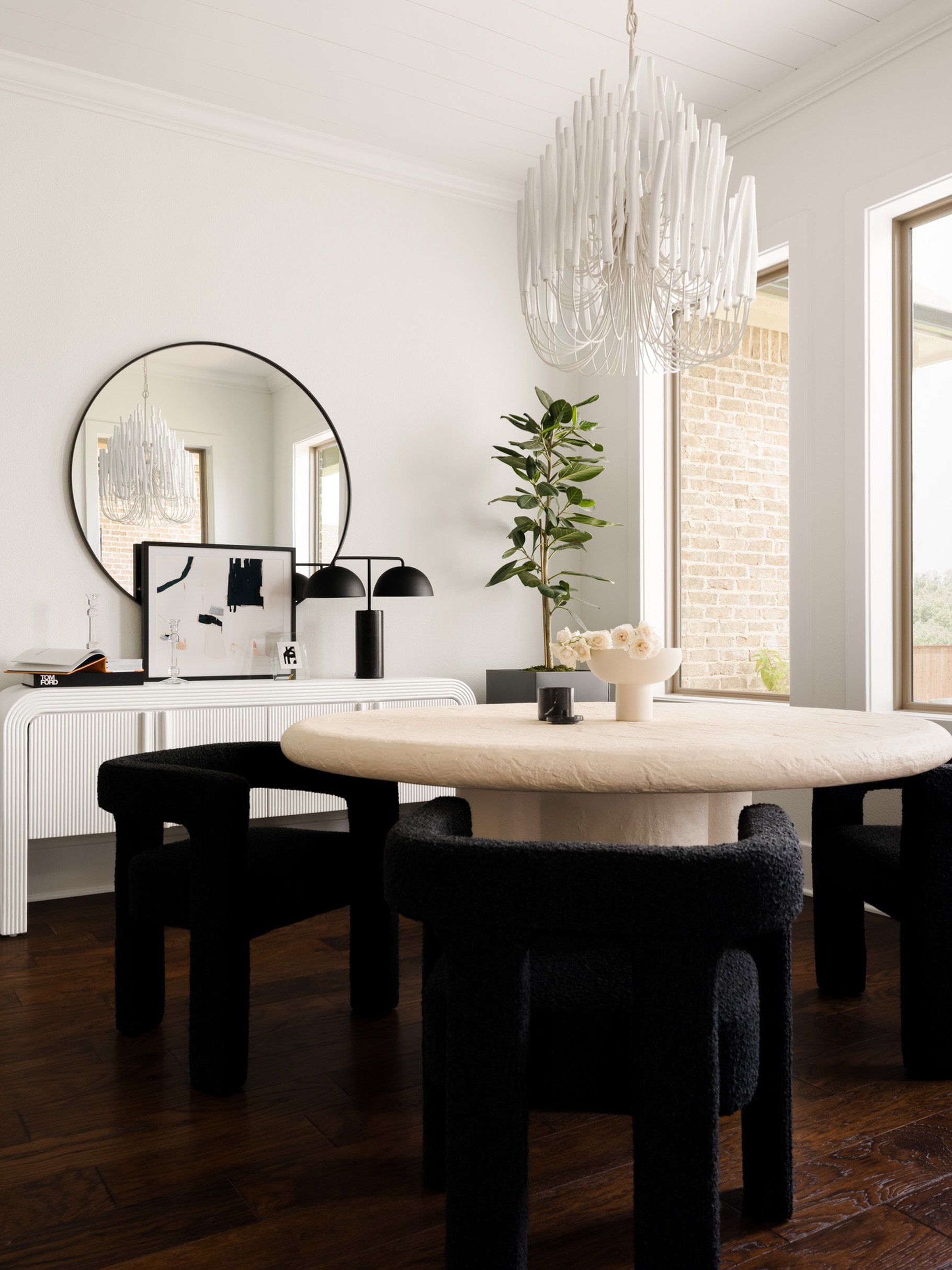
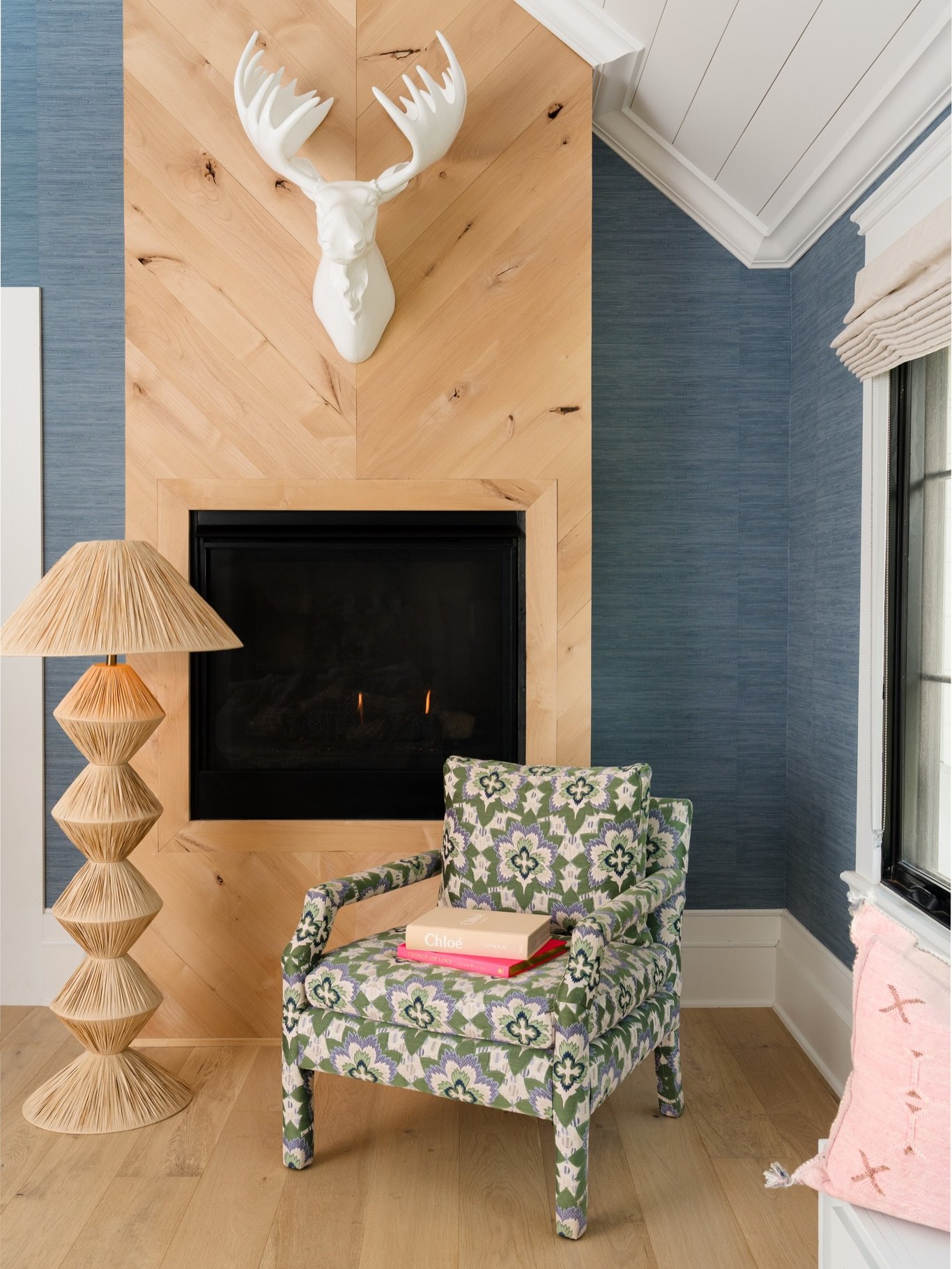
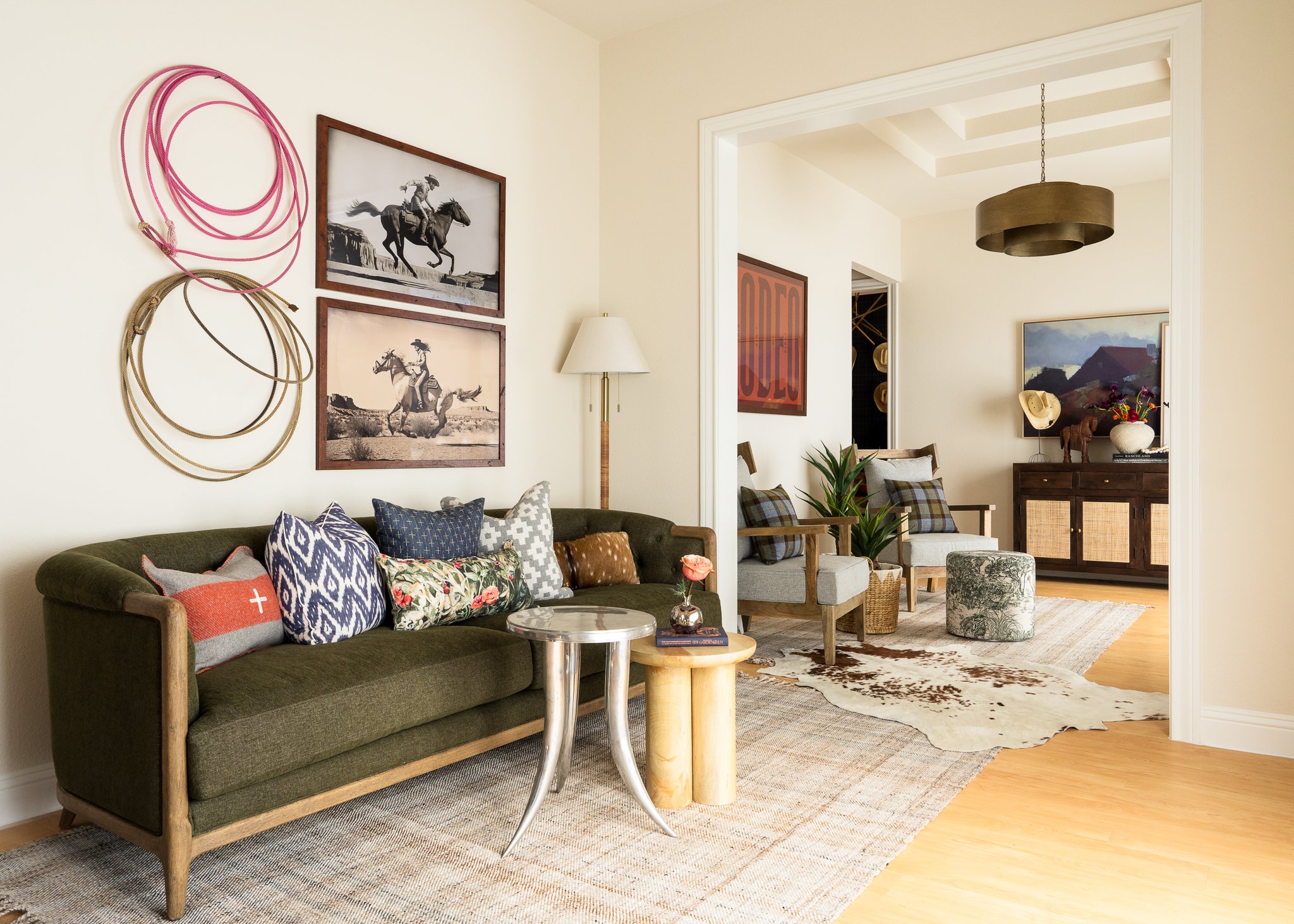
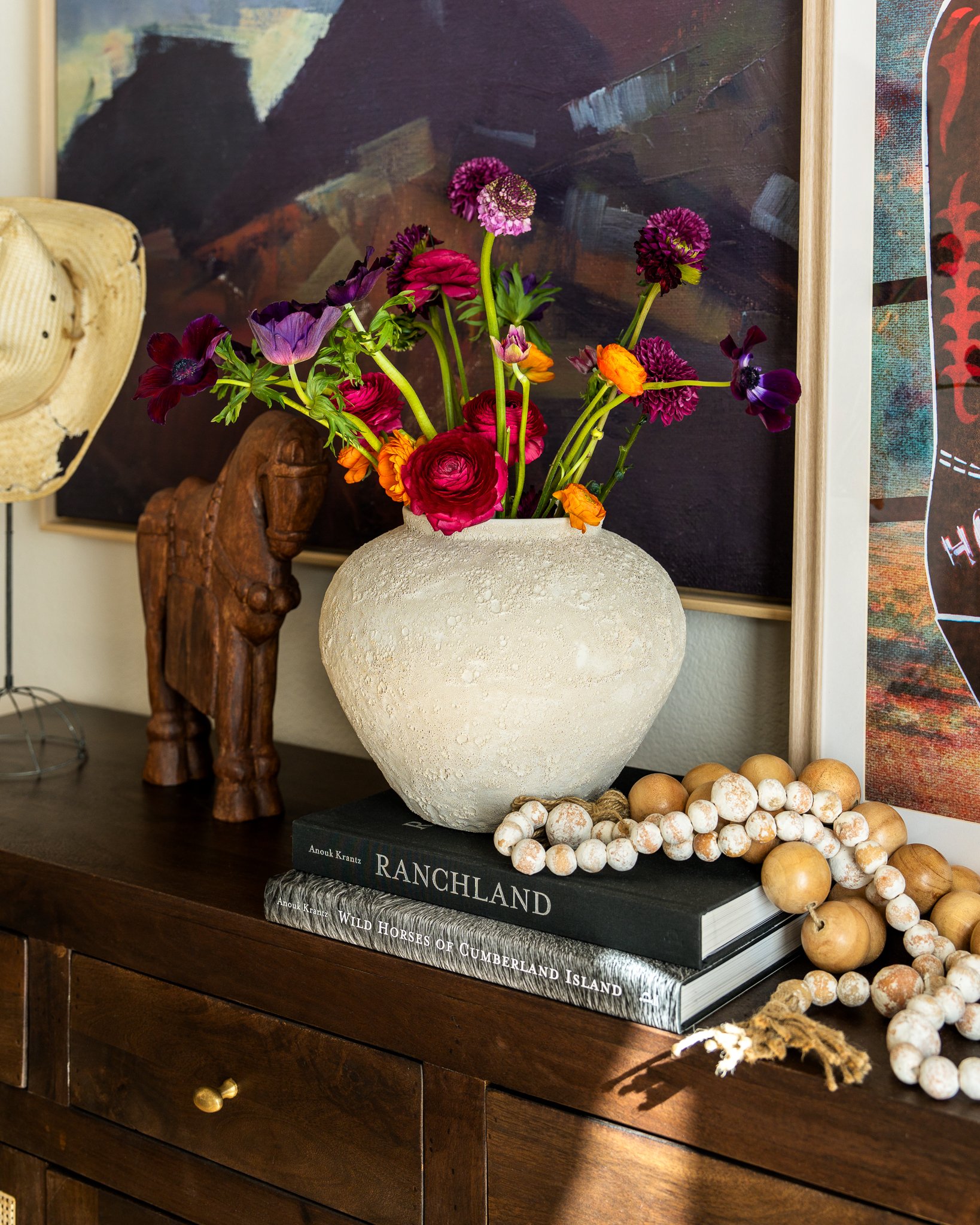
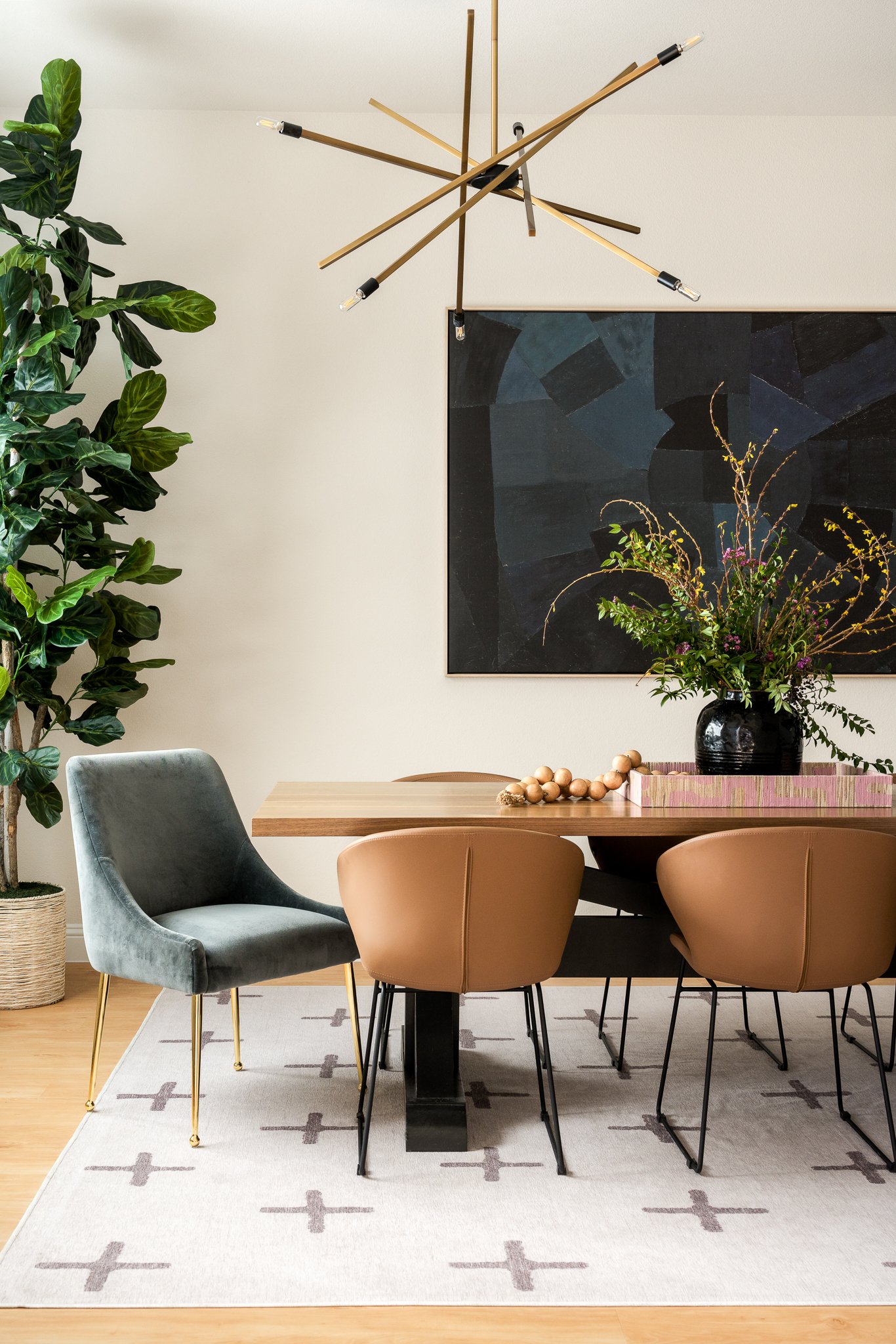
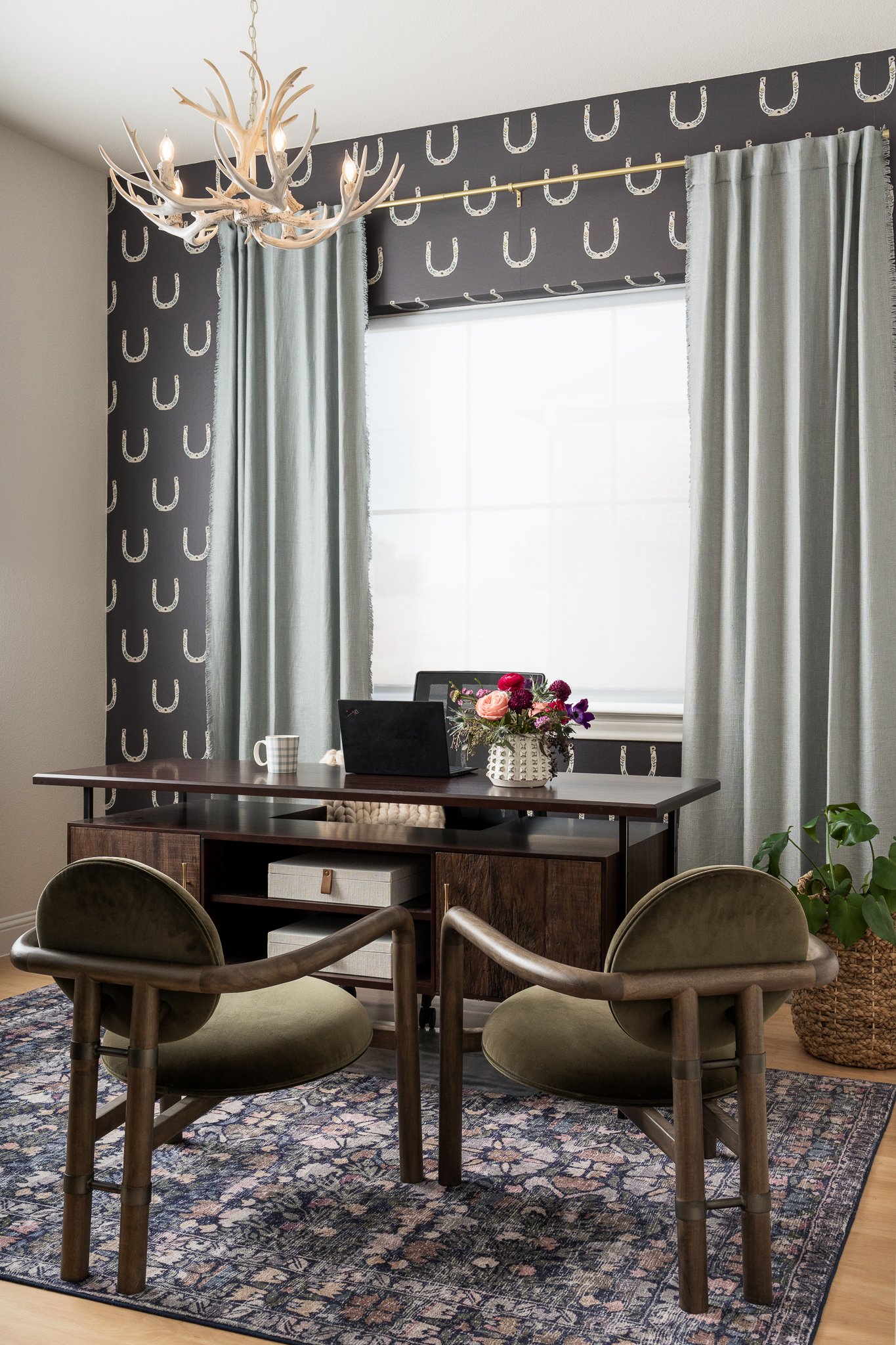
I was reminded of this when I photographed one of the first projects for Britney Ratto Interiors, an office in North Texas designed for her husband's engineering firm.
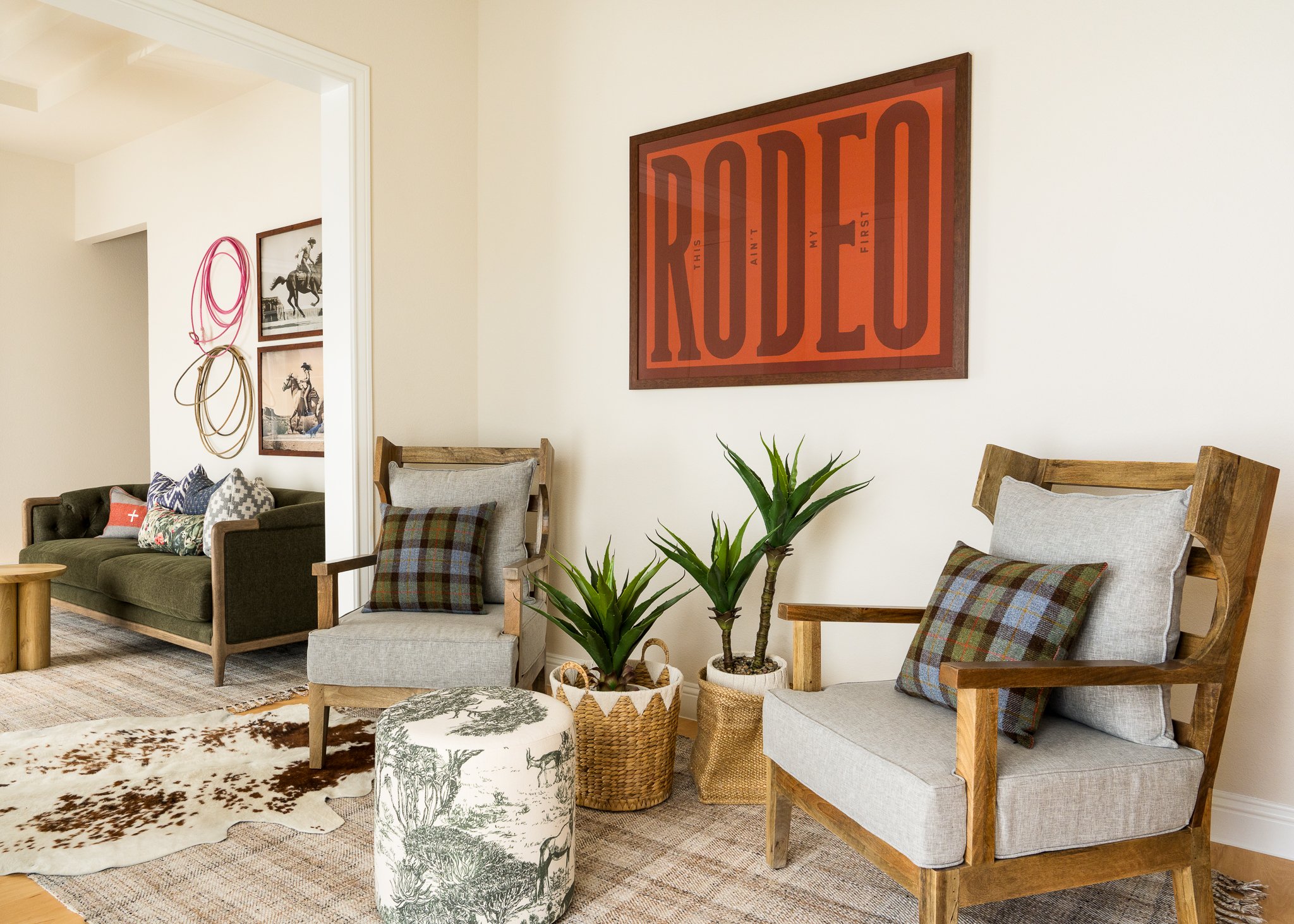
The space blended a clean, modern aesthetic with subtle Western influences that reflected both the business and the people behind it. Warm woods, restrained materials, and thoughtful details gave the office personality without turning the Texas influence into a theme.
For Britney, it was more than a finished office.
It was the beginning of a portfolio.
And that first project can carry more weight than you might realize.
Your First Project Makes Your Point of View Visible
Before you have a portfolio, potential clients have to imagine what you might be capable of creating.
A completed project changes that.
Suddenly, your ideas about color, material, proportion, styling, space planning, and detail aren't theoretical anymore. They're visible.
That doesn't mean your first project needs to perfectly represent the designer you'll be five or ten years from now. It probably won't. Your work will evolve as your experience grows, your clientele changes, and you become more confident in your own point of view.
But it gives you somewhere to begin.
And sometimes that's the hardest part.
You Don't Need Ten Projects to Start Building a Portfolio
Emerging designers sometimes assume they need an extensive body of work before investing in professional photography.
You don't.
A smaller portfolio of thoughtfully designed and professionally photographed work can communicate far more than a large collection of projects that don't represent where you want your business to go.
The question isn't necessarily how many projects you've completed.
It's whether the project in front of you says something meaningful about your work.
Does it demonstrate your approach to materials?
Does it show how you solve problems?
Does it represent the level of project you'd like to work on again?
Does it contain a room, detail, or design decision you're particularly proud of?
If the answer is yes, it may deserve a place in your portfolio regardless of how early you are in your career.
Your First Portfolio Images Begin Setting Expectations
The work you choose to show influences the work people begin associating with you.
That's why photographing an early project deserves some intention.
If you want to pursue full-service residential design, your portfolio should gradually begin showing the kind of residential work you want to be hired to create. If you're interested in hospitality or commercial spaces, those projects can begin establishing that direction.
You don't have to wait until your portfolio perfectly represents your dream studio.
You build toward it.
Project by project, the work you photograph becomes a record not only of what you've done, but of where you're going.
Look for the Story Within the Project
A portfolio doesn't need twenty photographs of essentially the same room.
What matters is showing enough of a project for someone to understand what you contributed to it.
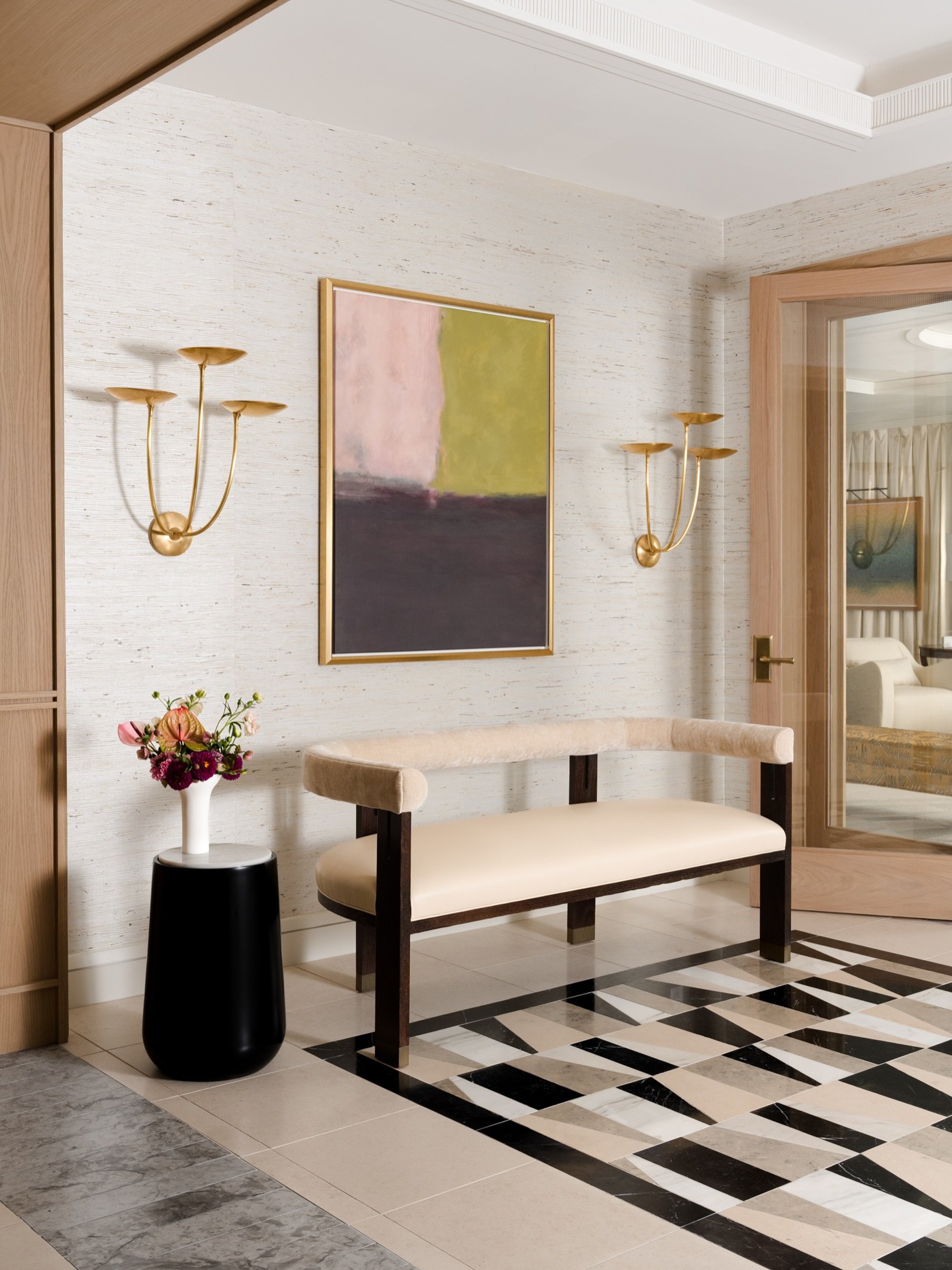
That might mean a strong full-room photograph that establishes the space, followed by supporting compositions that show materials, architectural details, styling, craftsmanship, or moments that reveal something about the people who use the space.
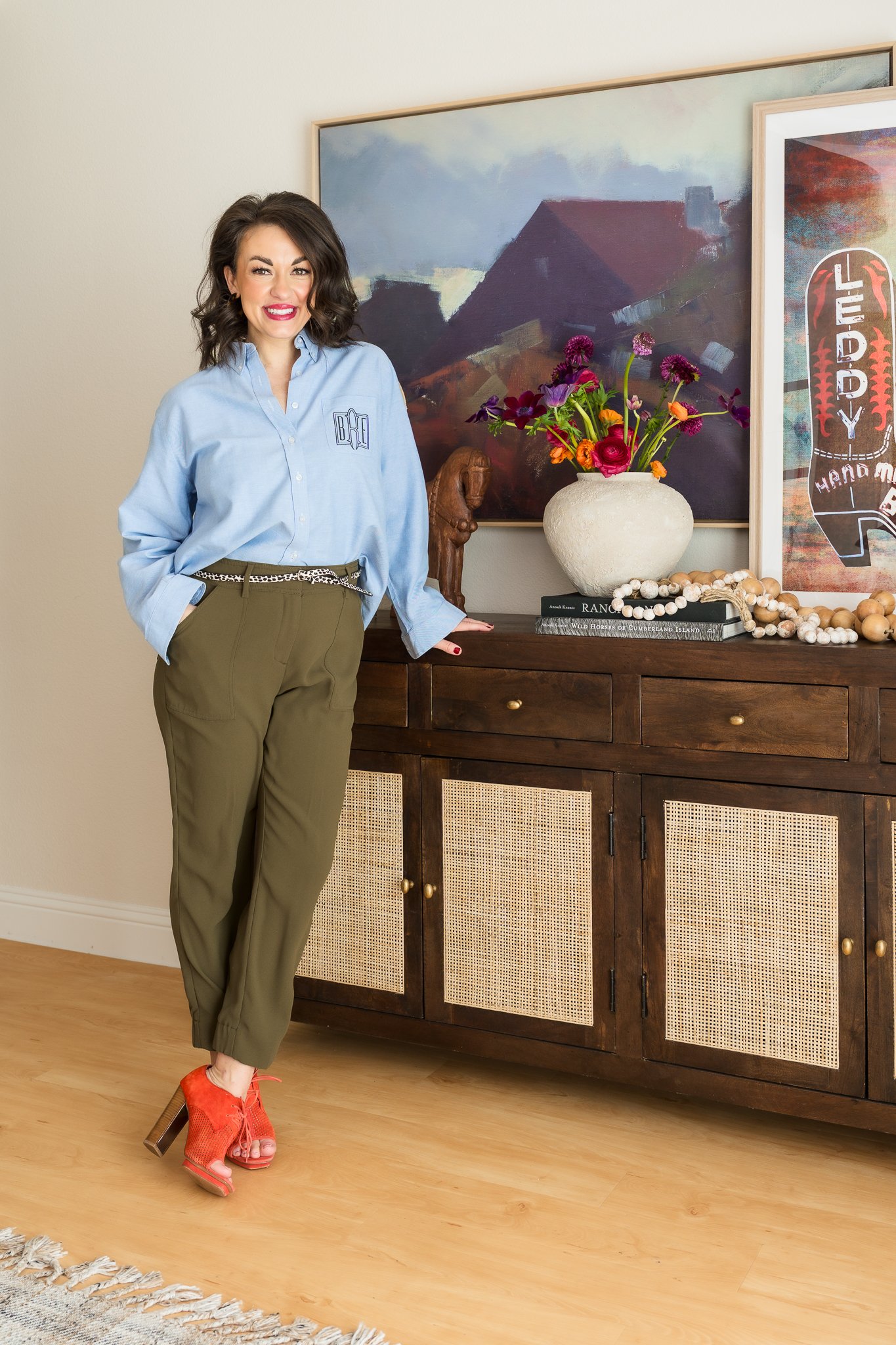
In Britney's office project, the story wasn't simply that the office was modern.
It was the relationship between that modern design and the more personal Texas influences woven throughout it.
Those details gave the project specificity.
And specificity is often what makes a project memorable.
Don't Try to Make Your First Project Look Like Everyone Else's
When you're establishing a design business, it can be tempting to look at designers you admire and think your portfolio needs to look like theirs.
But the goal of photographing your work isn't to make it resemble someone else's portfolio.
It's to communicate your decisions clearly.
That may take time to define.
Your first project might be quieter than your fifth. Your tenth might introduce color you never would have considered in your second. Your aesthetic may become more tailored, more architectural, more layered, or more restrained.
That's part of developing creatively.
A portfolio isn't supposed to prove that you arrived fully formed.
It should evolve with you.
Be Intentional About What You Photograph
This also means you don't necessarily need to professionally photograph every project you complete.
As your business grows, it becomes useful to ask what a project contributes to the portfolio you're building.
Maybe it introduces a type of project you haven't shown before.
Maybe it demonstrates a particularly strong transformation.
Maybe the architecture is exceptional.
Maybe the material story is beautiful.
Or maybe it's simply the clearest representation yet of the kind of designer you're becoming.
Those are all good reasons to document a project thoughtfully.
During Creative Production Planning, these are some of the things I want to understand before photographing a space. Knowing what matters about a project helps determine which rooms, compositions, and details deserve our attention.
Your Portfolio Will Grow With You
Your first professionally photographed project isn't your final statement as a designer.
It's a starting point.
Eventually, some of those early projects may disappear from your website as stronger work takes their place. That's okay.
Their job was never to represent you forever.
Their job was to help you begin.
So if you've completed one of your first projects and you're proud of the work, don't dismiss it because your portfolio isn't established yet.
That project may be exactly what starts it.
Planning an Interior Design Photoshoot?
If you have a completed project in Dallas–Fort Worth and want to create imagery designed for your portfolio, marketing, and potential editorial opportunities, I'd love to learn more about it.
My process combines Creative Production Planning, thoughtful interior photography, professional retouching, licensing, and publication support to create imagery designed around where your work needs to go next.
Follow Along on Instagram
Recent projects, behind-the-scenes moments, and a closer look at the spaces, details, and designers I have the opportunity to photograph.