How Interior Photography Captures Pattern, Texture, and Materiality
The details that give a space depth, character, and identity deserve to be visible in the photography.
By Stacy Markow
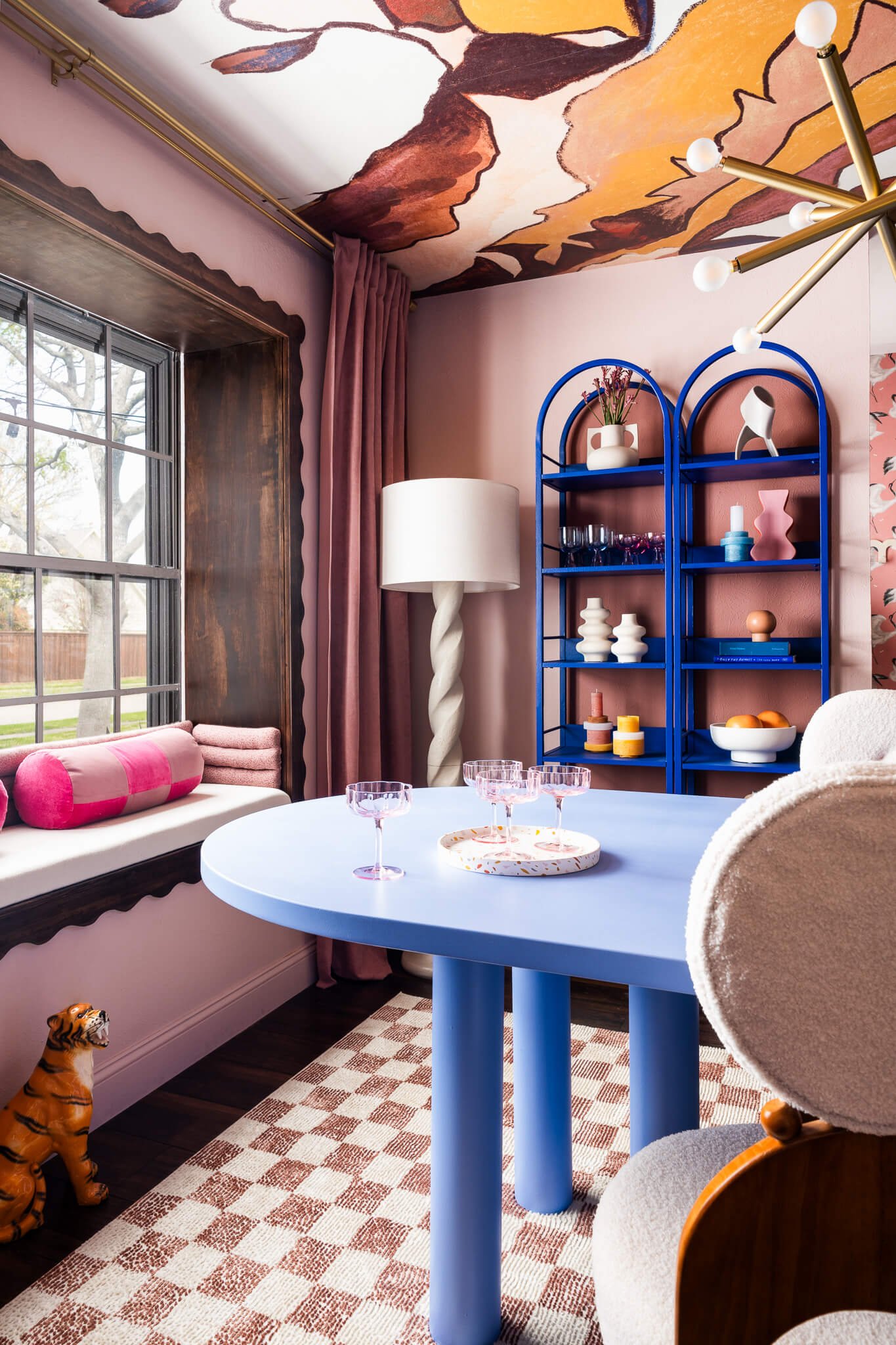
Some of the most important design decisions in a room aren't immediately obvious.
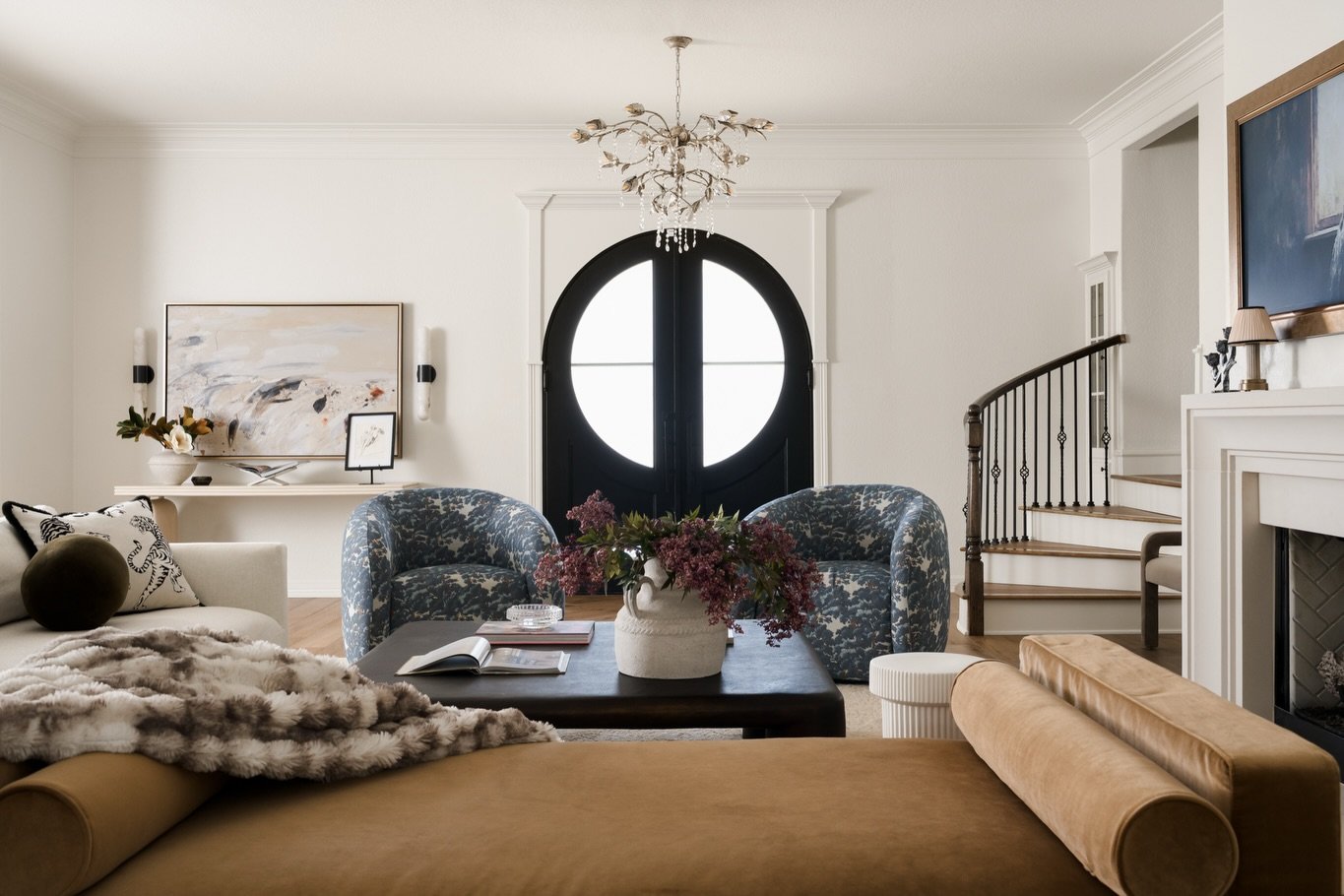
The weave of a textile. The movement in a slab of stone. The grain of millwork. The sheen of a metal finish. The relationship between a patterned wallcovering and the upholstery sitting in front of it.
These details create depth and character in person, but translating them into a two-dimensional photograph requires intention.
Interior photography shouldn't simply show what a room looks like. It should communicate something about what the room feels like and how it was designed.
That is especially important when pattern, texture, color, and materiality are central to the designer's point of view.
Photographing More Than the Room
A successful interior photography collection needs different kinds of images to tell the complete story of a project.
The full-room photograph establishes the architecture, composition, scale, and relationship between the major design elements.
But that photograph can't communicate everything.
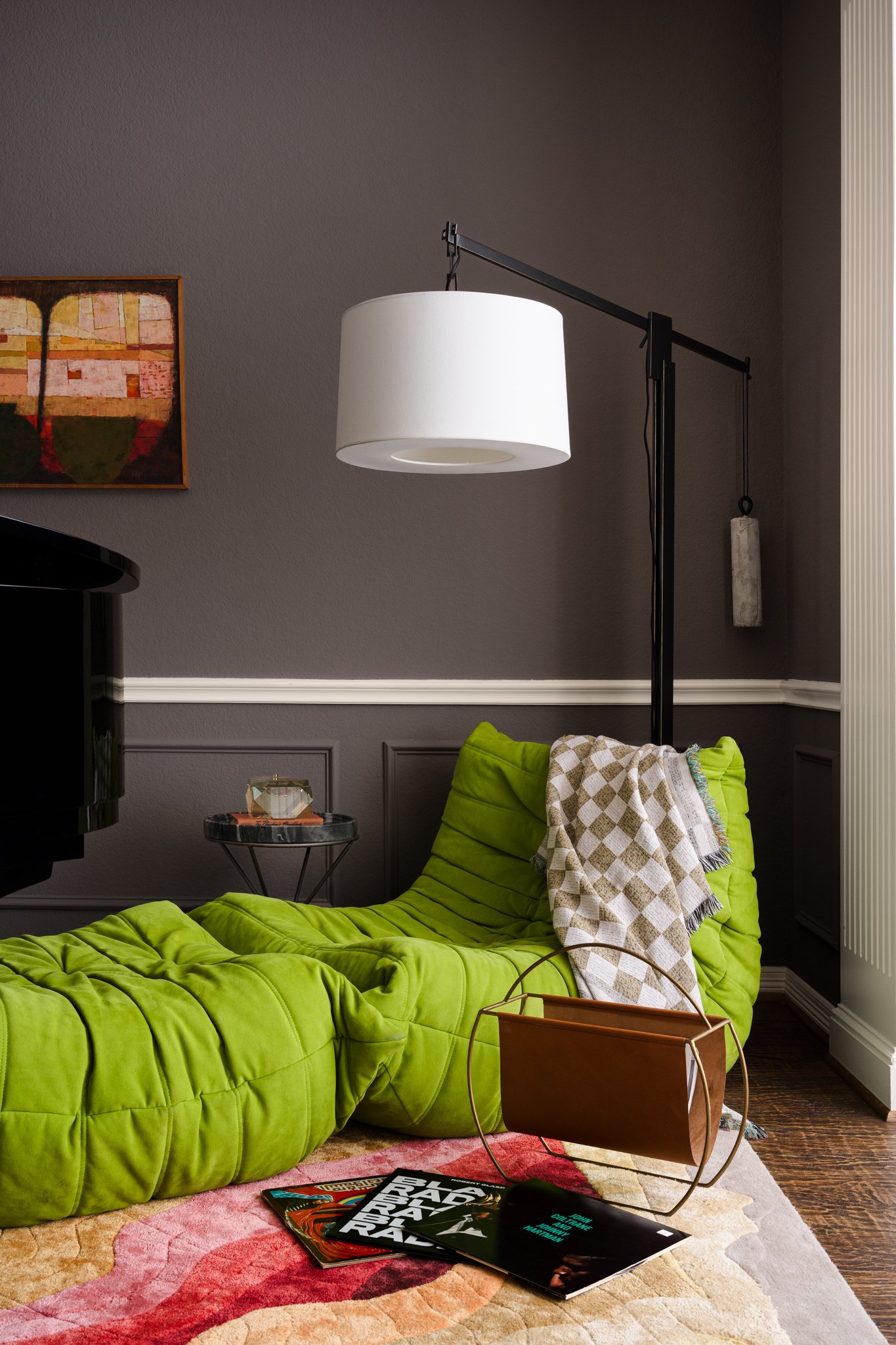
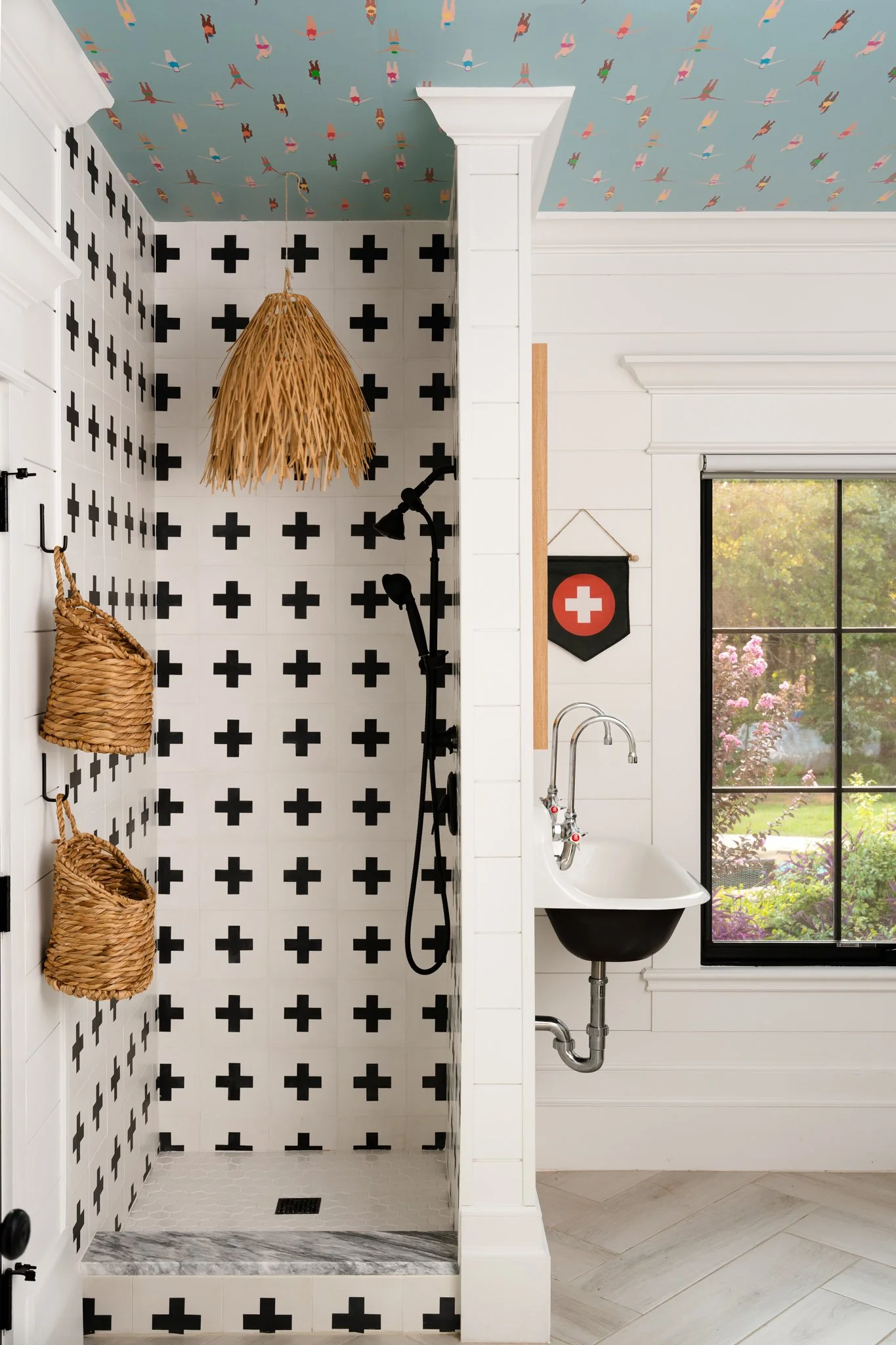
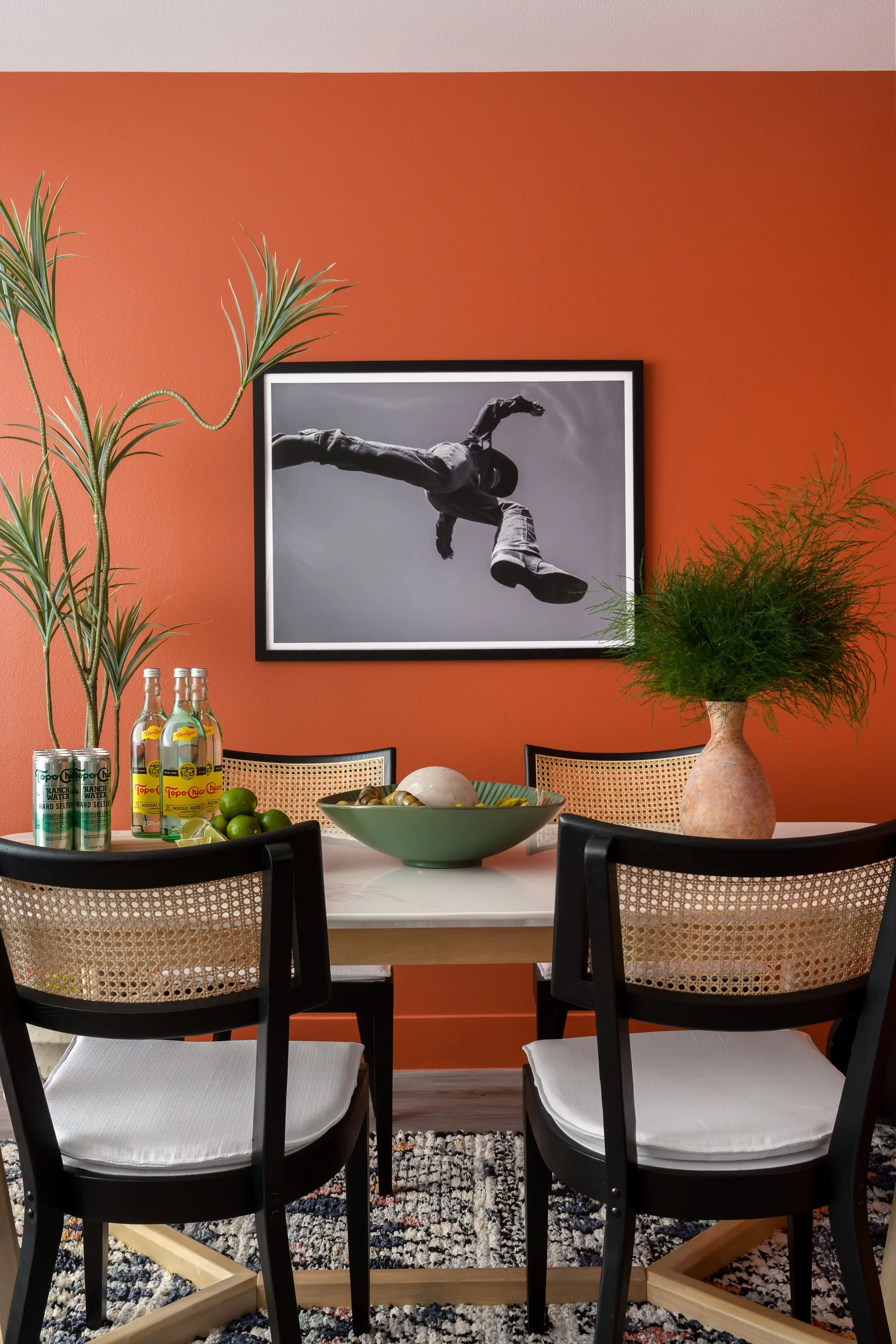
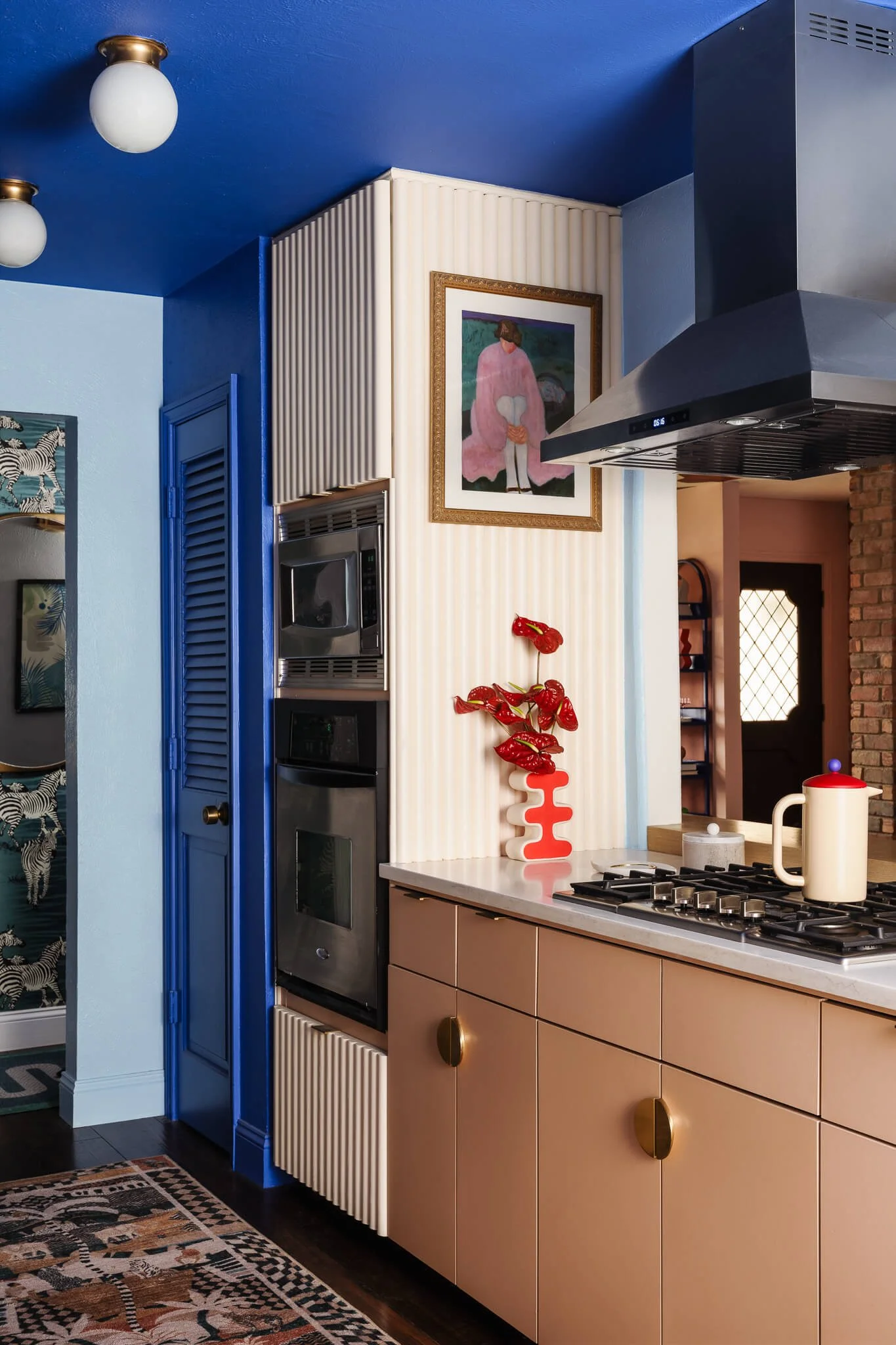
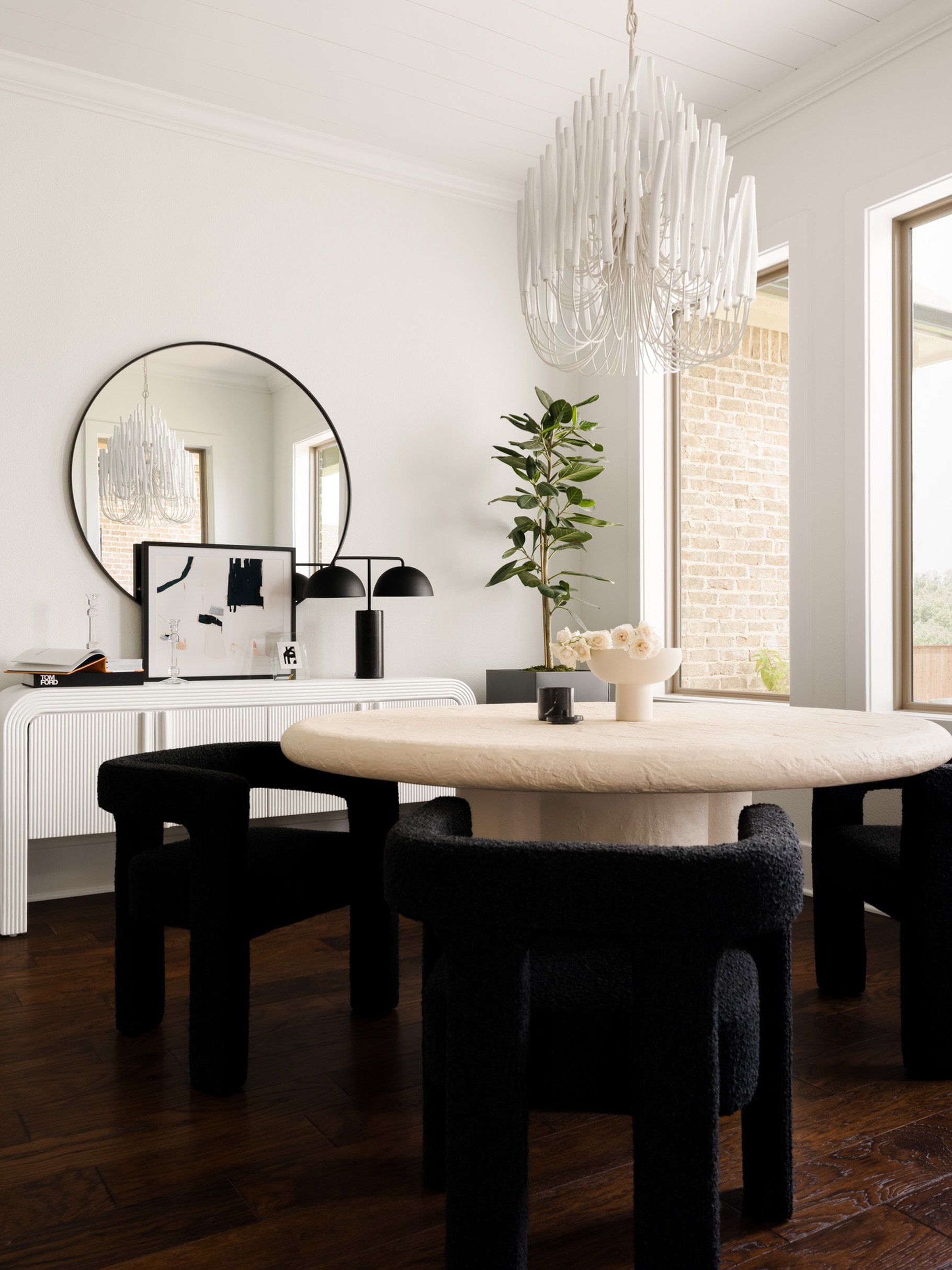
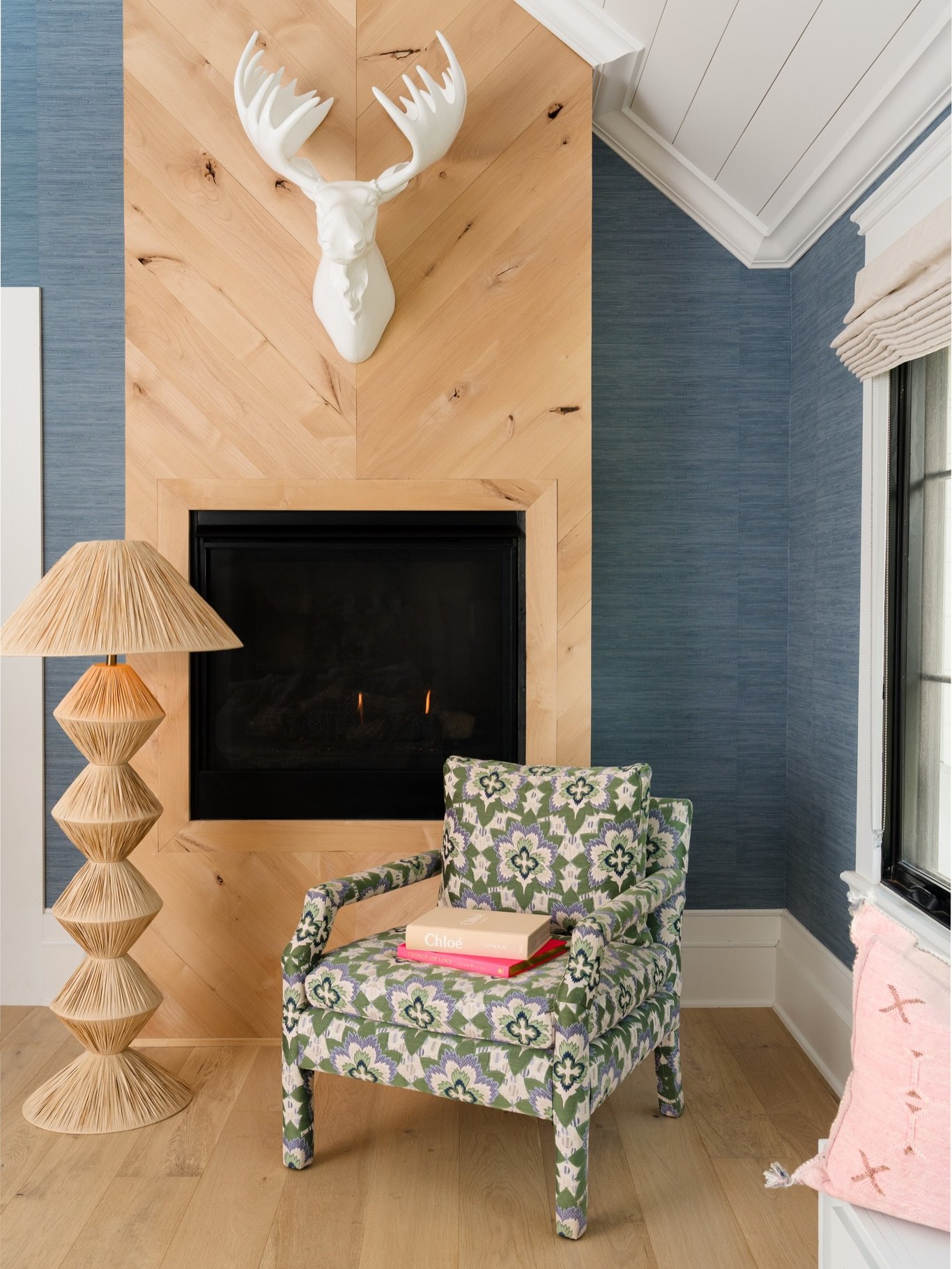
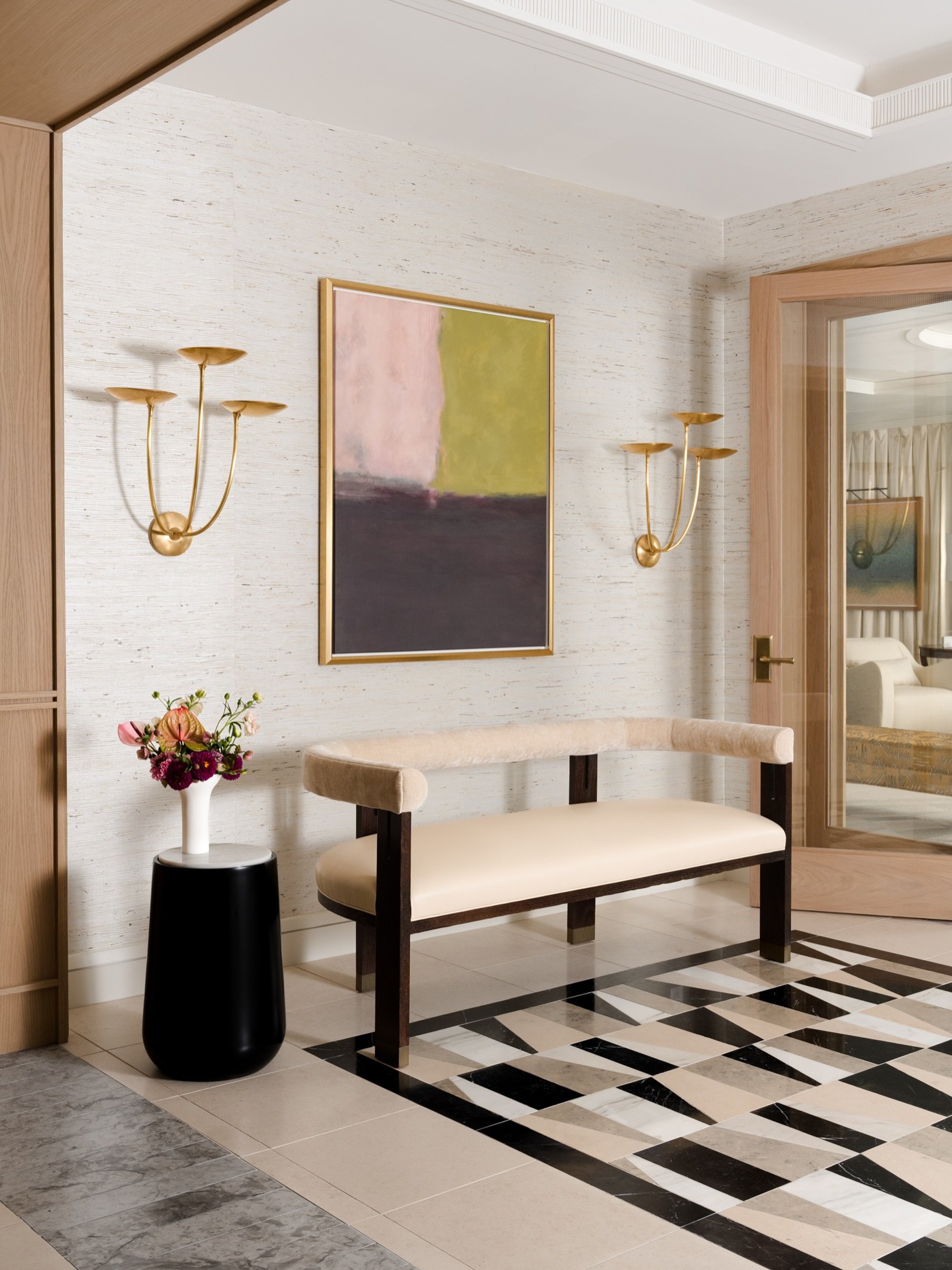
Supporting compositions allow us to move closer and explore the decisions within the larger design: a patterned wallcovering, contrasting textiles, custom cabinetry, stone, hardware, artwork, or the way several materials interact within a single vignette.
Together, these photographs create a more complete visual record of the project.
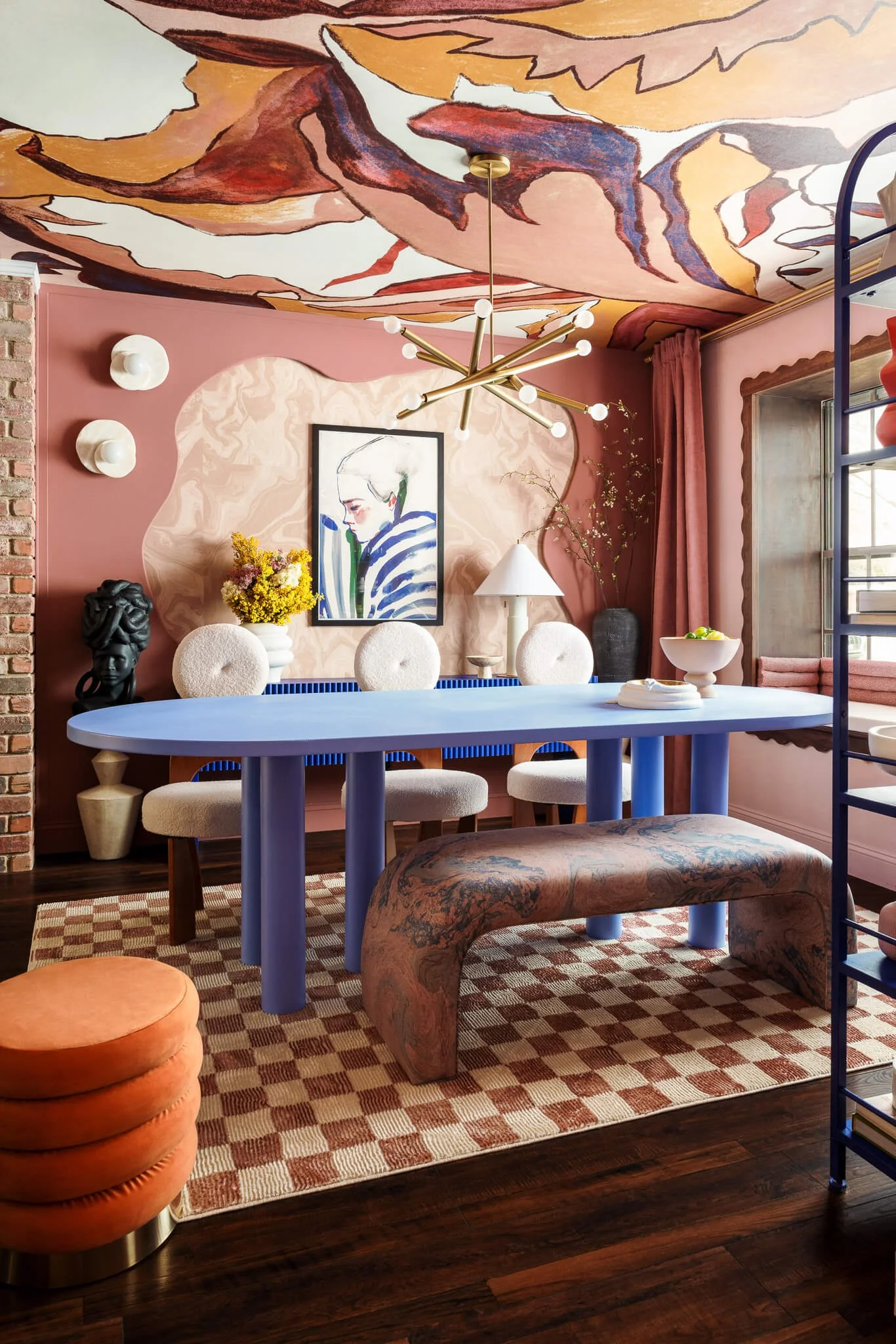
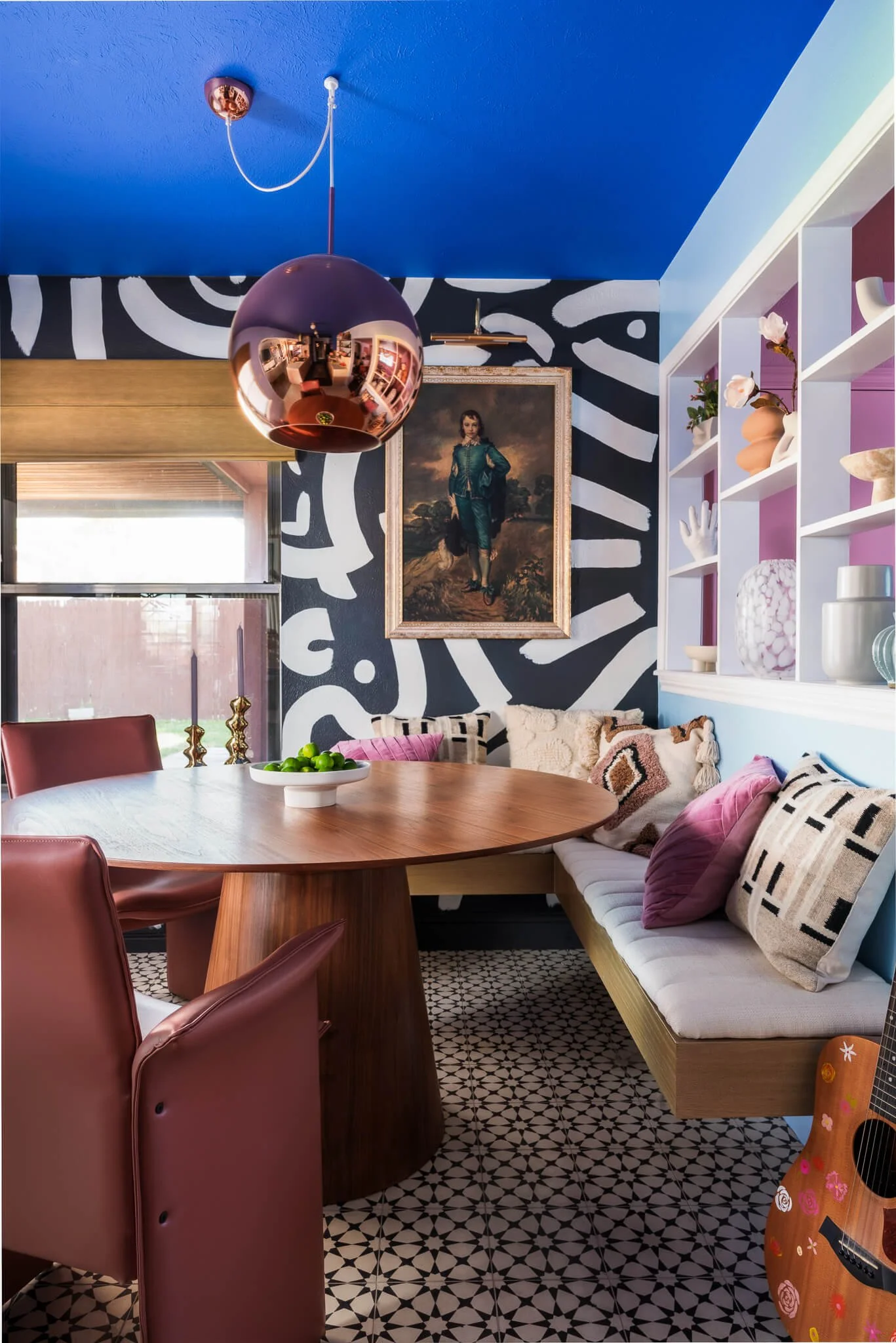
Carissa's dining room from A Bold New Hue is a perfect example.
The room is layered with color, pattern, artwork, textiles, and unexpected details. A wide photograph establishes the overall design, but the personality of the room becomes even more apparent as you begin looking closer.
That is where supporting imagery becomes particularly valuable.
Using Light to Reveal Texture
Texture depends heavily on light.
When light travels across a surface, it creates subtle highlights and shadows that allow us to perceive its dimensionality. Without that separation, richly textured materials can appear surprisingly flat in a photograph.
This is one reason I use controlled lighting when photographing interiors.
Rather than relying entirely on the available light in a room, I can shape and direct light to reveal materials while maintaining the overall atmosphere of the space.
The goal isn't for the lighting itself to be noticeable.
Ideally, you notice the velvet, the wood grain, the stone, the wall covering, or the craftsmanship before you ever think about how it was lit.
The photography should support the design rather than compete with it.
Preserving Accurate Color
Pattern and texture are also closely connected to color.
Designers spend considerable time selecting exact paint colors, textiles, finishes, woods, stones, and furnishings. Those relationships can change dramatically when photographed under mixed or uncontrolled lighting.
Maintaining accurate, consistent color is therefore an important part of documenting the design.
When photographing a colorful space like this dining room, my goal isn't to make the colors more dramatic than they actually are. It is to preserve the relationships the designer created.
A saturated wall should still feel saturated. A warm wood should remain warm. Subtle variations between textiles should remain visible.
The finished photograph should feel recognizable to someone who has stood in the room.
Finding the Compositions Within the Design
Not every important design decision requires a traditional detail photograph.
Sometimes the strongest supporting image is a half-room composition that isolates a particular relationship.
Sometimes it is a straight-on vignette.
Sometimes it is an angled view that allows a foreground material to lead into another part of the room.
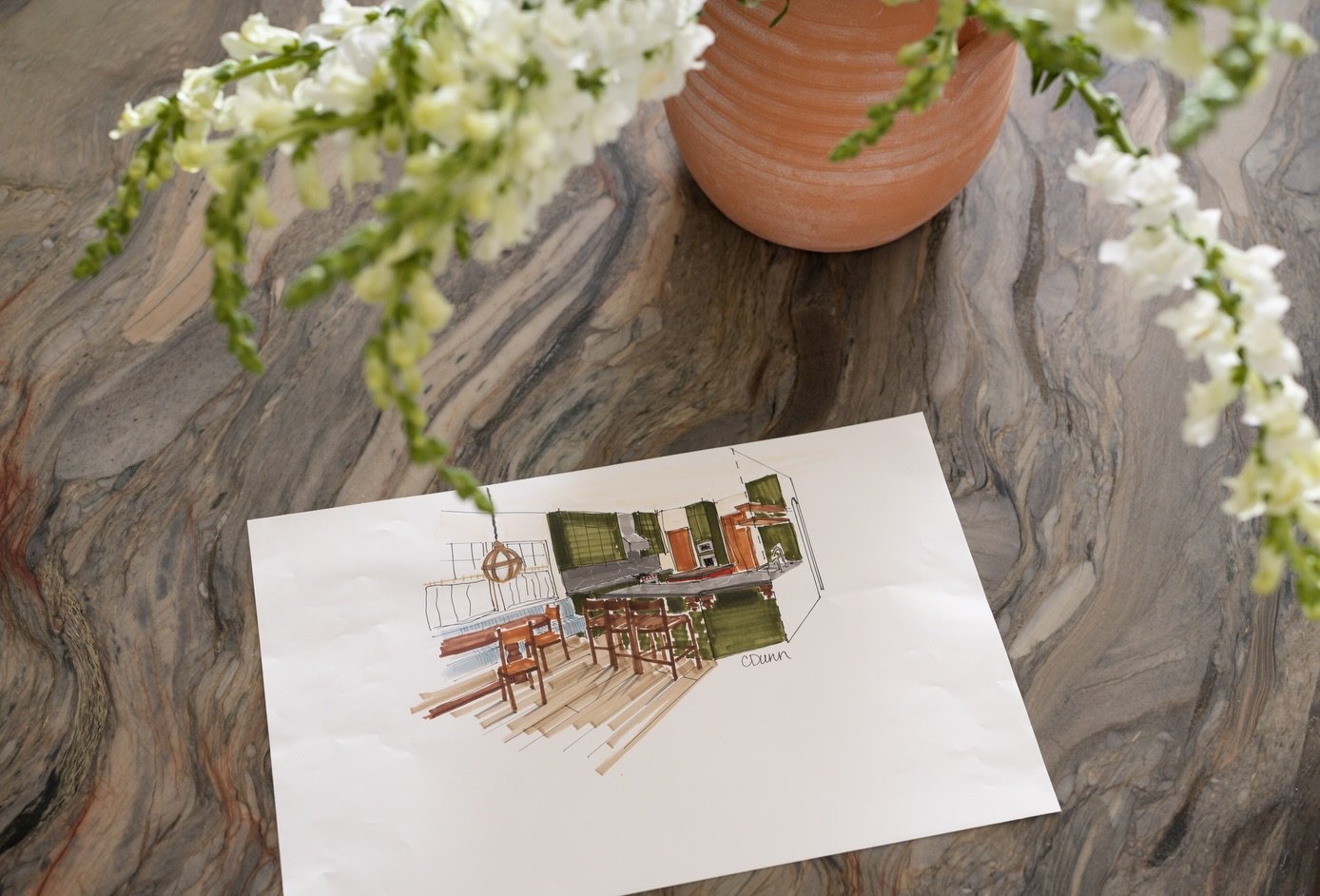
And sometimes it really is a close detail of hardware, stone, upholstery, tile, or custom craftsmanship.
During Creative Production Planning, I look for these opportunities before the camera ever comes out.
We identify the elements that are important to the project's story and determine which deserve their own photographs.
That might include:
Custom millwork or architectural details
Stone, tile, and specialty finishes
Wallcoverings and decorative painting
Upholstery and textiles
Hardware and plumbing fixtures
Custom furniture
Artwork and styling moments
Material relationships unique to the project
The goal isn't to photograph every object in the room.
It's to identify the details that communicate why this particular project is distinctive.
Creating a Collection, Not Just Individual Photographs
This is also why I think about interior photography as a collection rather than a series of unrelated images.
A strong collection moves between scale.
You might begin with a full-room hero photograph that establishes the space, followed by an alternate perspective that reveals another architectural relationship. A tighter vignette can then draw attention to the interaction between furniture, artwork, and materials before a detail photograph brings you close enough to appreciate the craftsmanship.
Each photograph has a different job.
Together, they allow someone who has never visited the project to understand it more completely.
That matters for a portfolio, but it also gives designers greater flexibility when using the photography across their website, social media, editorial submissions, awards, presentations, and other marketing.
One project can generate far more storytelling opportunities when the photography has been planned with that larger ecosystem in mind.
Photographing the Details Clients Remember
There is another reason these images matter.
The details that distinguish a designer's work are often the same details a future client remembers.
Maybe it's an unexpected combination of patterns. Maybe it's the way several materials were layered together. Maybe it's a custom cabinet profile, an unusual stone, or a beautifully considered corner of the room.
Those decisions communicate your point of view.
Photography gives them a life beyond the finished project.
Years later, when the room has changed or the client has moved, those photographs remain part of your portfolio and the visual record of what your studio is capable of creating.
That is ultimately what I want an interior photography collection to accomplish.
Not simply to document that a project existed, but to preserve the design decisions that made it worth photographing in the first place.
Photographer: Stacy Markow
Interior Designer: A Bold New Hue
Stylist: Emily Gibson
Follow Along on Instagram
Recent projects, behind-the-scenes moments, and a closer look at the spaces, details, and designers I have the opportunity to photograph.
Planning Your Next Interior Photography Project
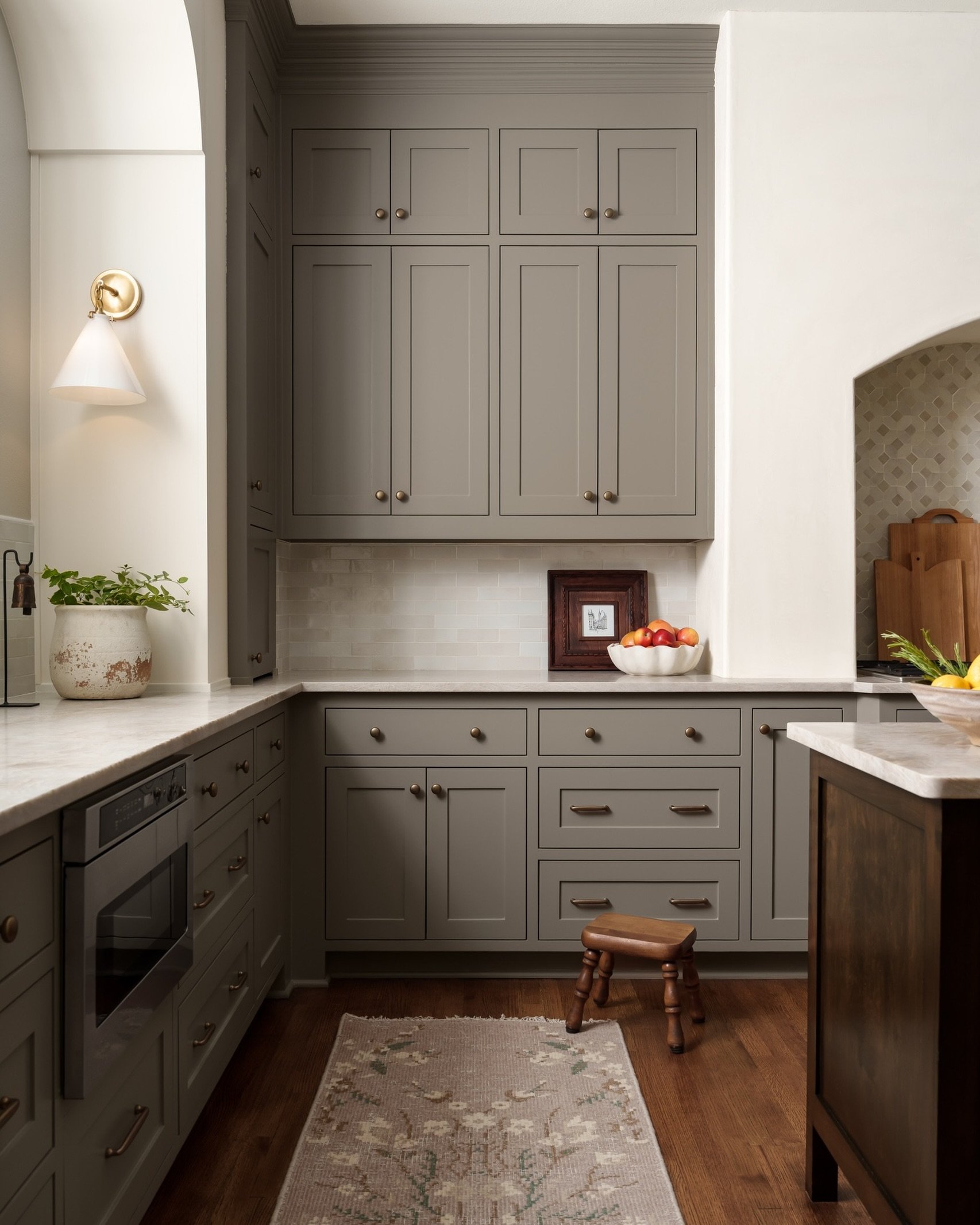
If you're preparing a project to be photographed, think beyond the list of rooms you need documented.
Consider the materials, patterns, craftsmanship, and smaller design decisions you would want a prospective client, editor, or collaborator to notice.
Those details can become part of the photography plan during Creative Production Planning, alongside your hero images, supporting compositions, marketing priorities, and editorial goals.
The result is a collection designed not only to show the finished space, but to communicate the thought behind it.
Planning an upcoming project? Start a project inquiry and tell me a little about what you've created.