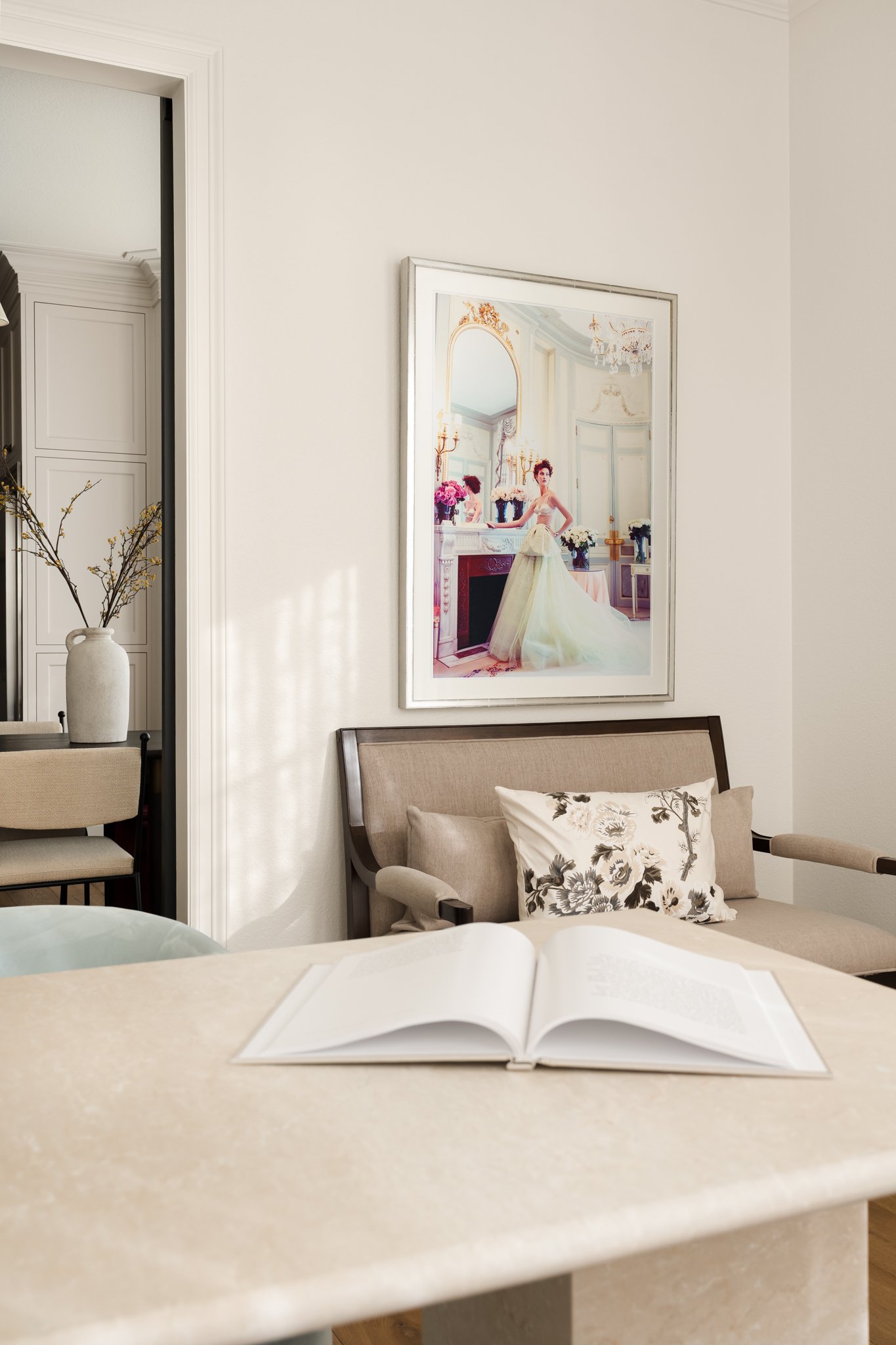
Photoshoot Preparation for Interior Designers: How to Use Photography to Showcase Your Brand
Thoughtful preparation creates a more efficient photography day and a stronger collection of images for your portfolio, marketing, and editorial opportunities.
By Stacy Markow

A beautifully designed space does not automatically translate into a strong photograph.
Before the camera comes out, there are decisions to make about what needs to be photographed, which perspectives best communicate the design, how the rooms should be styled, and where the finished imagery needs to work for your business.
That preparation is an important part of creating photographs that do more than document a finished project. It helps us build a collection that represents your point of view as a designer and gives you imagery you can use intentionally across your portfolio, website, social media, editorial submissions, awards, and future marketing.
Here is how I recommend preparing for an interior design photography session.
Start With How the Images Need to Work
Before creating a shot list, I like to start with a larger question:
What do you need this photography to do for your business?
A project being photographed primarily for your portfolio may call for a different collection than one being prepared for publication, an award submission, a magazine pitch, or a collaborative marketing campaign.
During Creative Production Planning, we look at the project as a whole and identify the images that will be most valuable long after the photography session is over.
That may include:
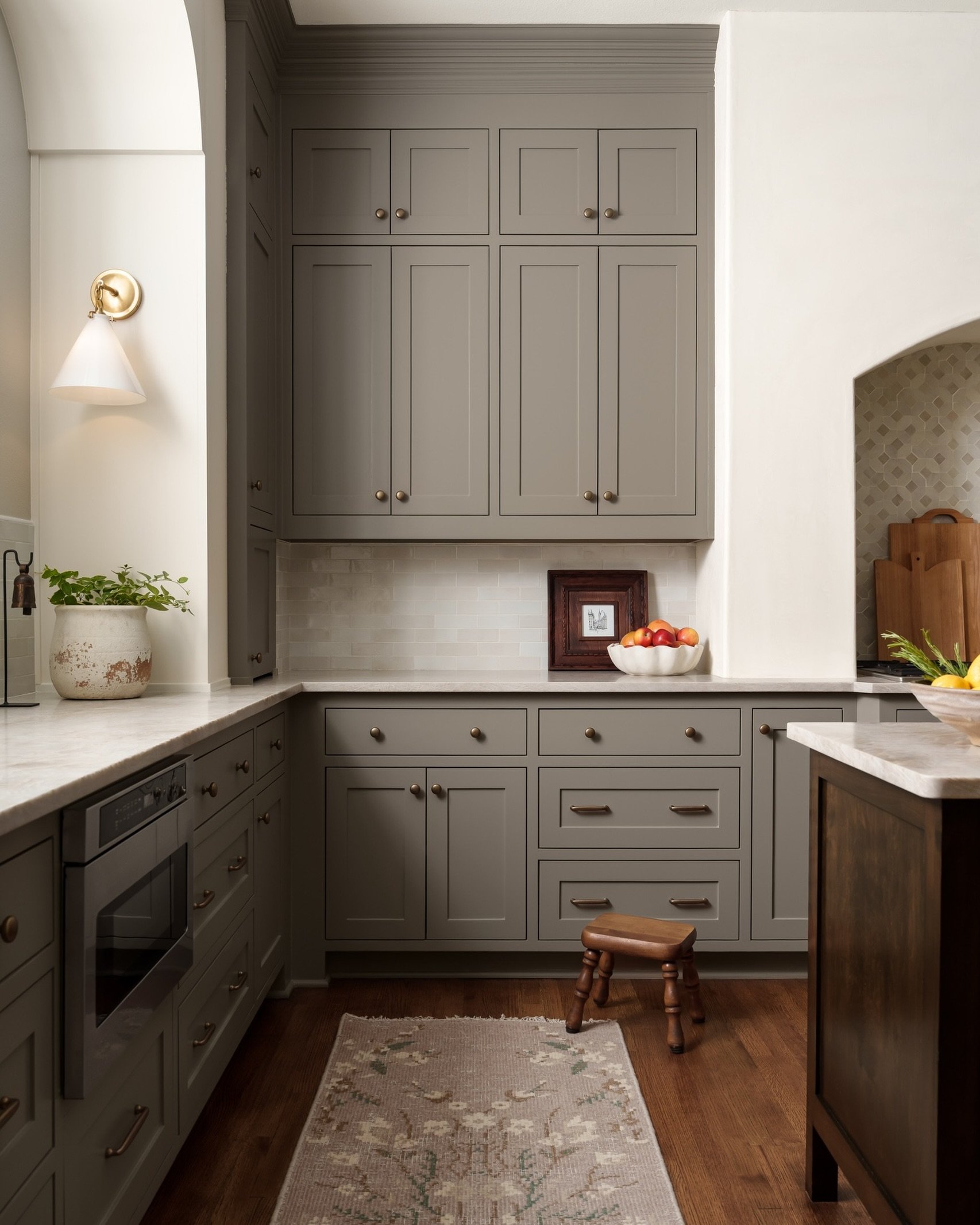
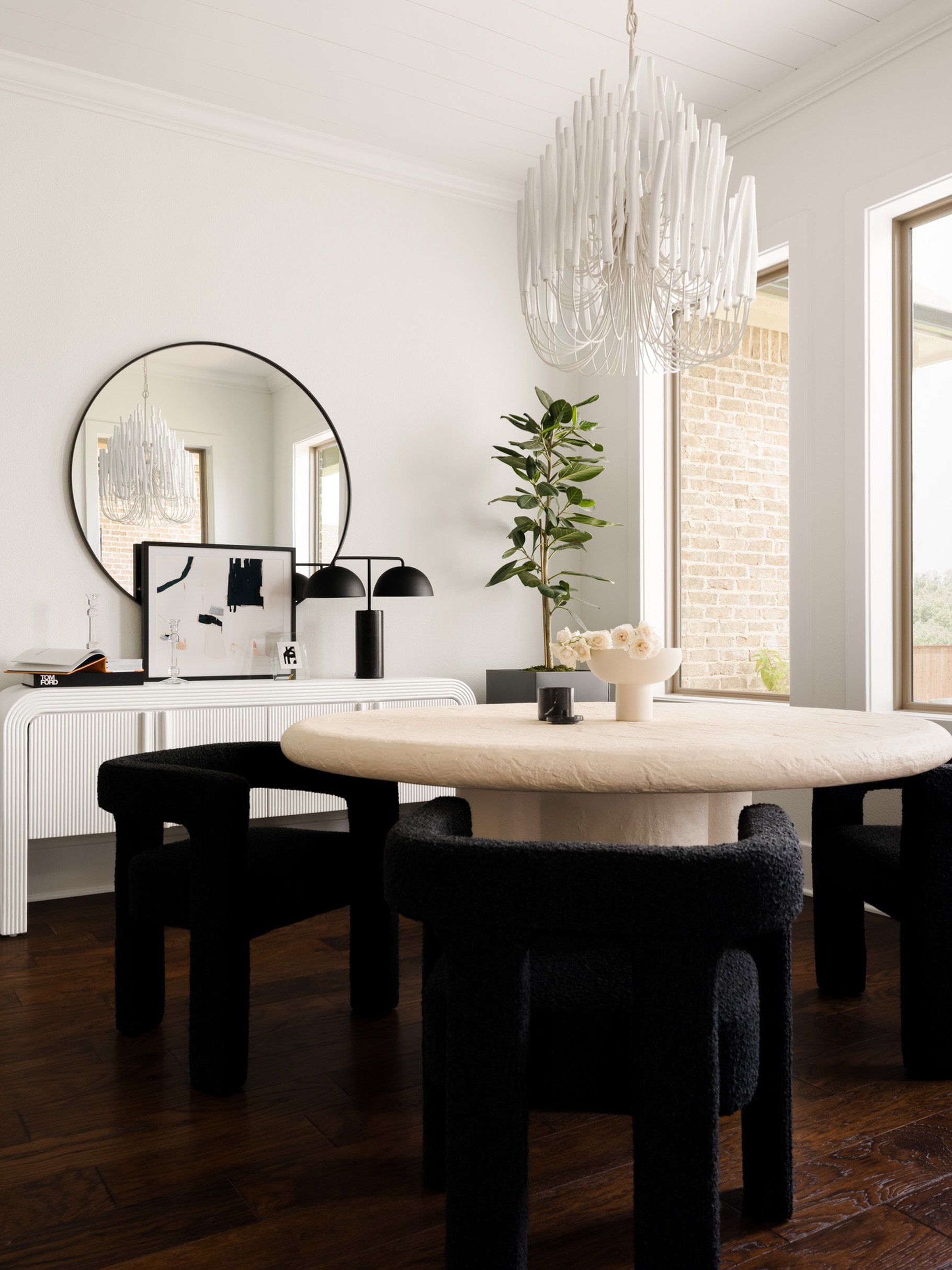
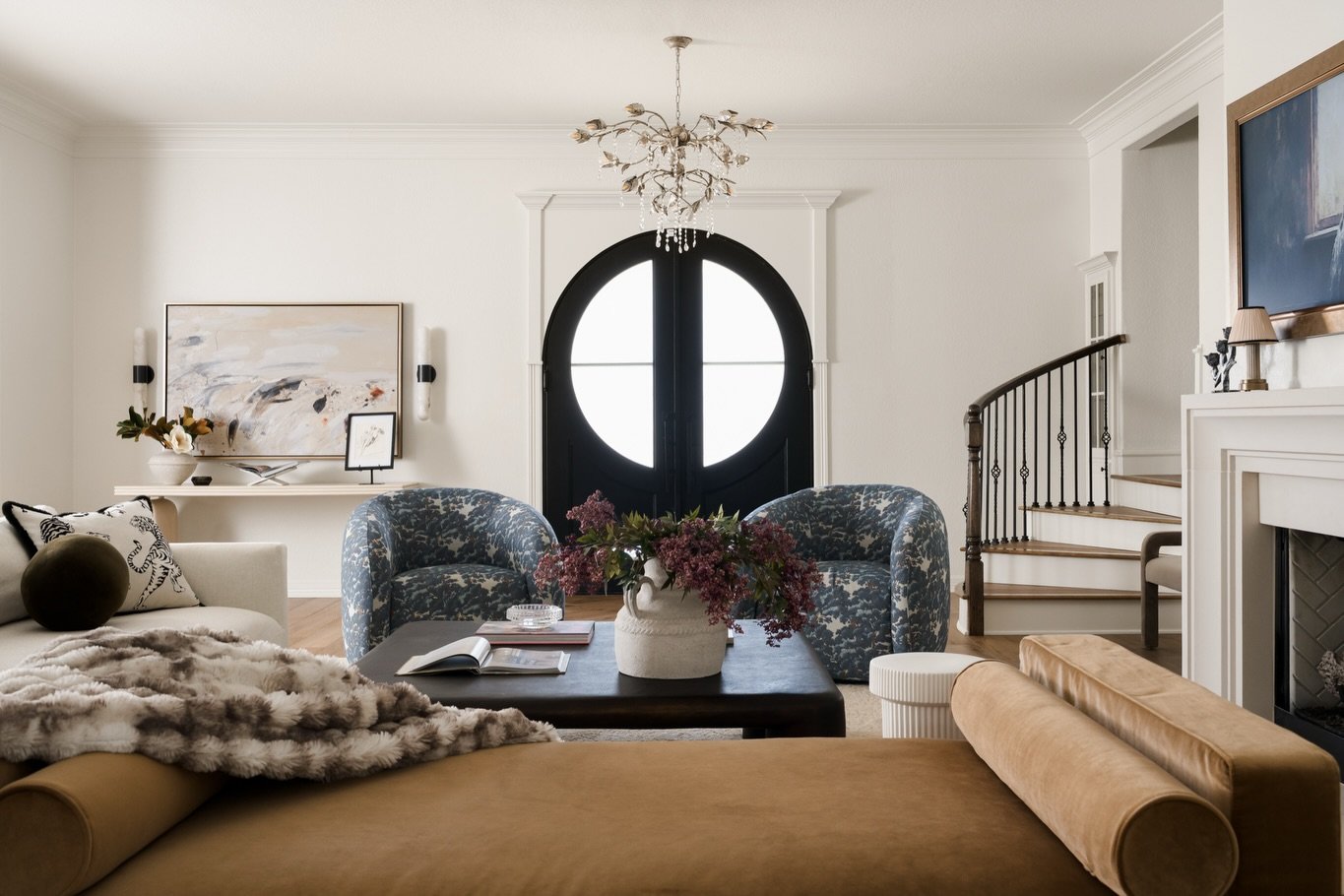
Full-room hero images for your portfolio
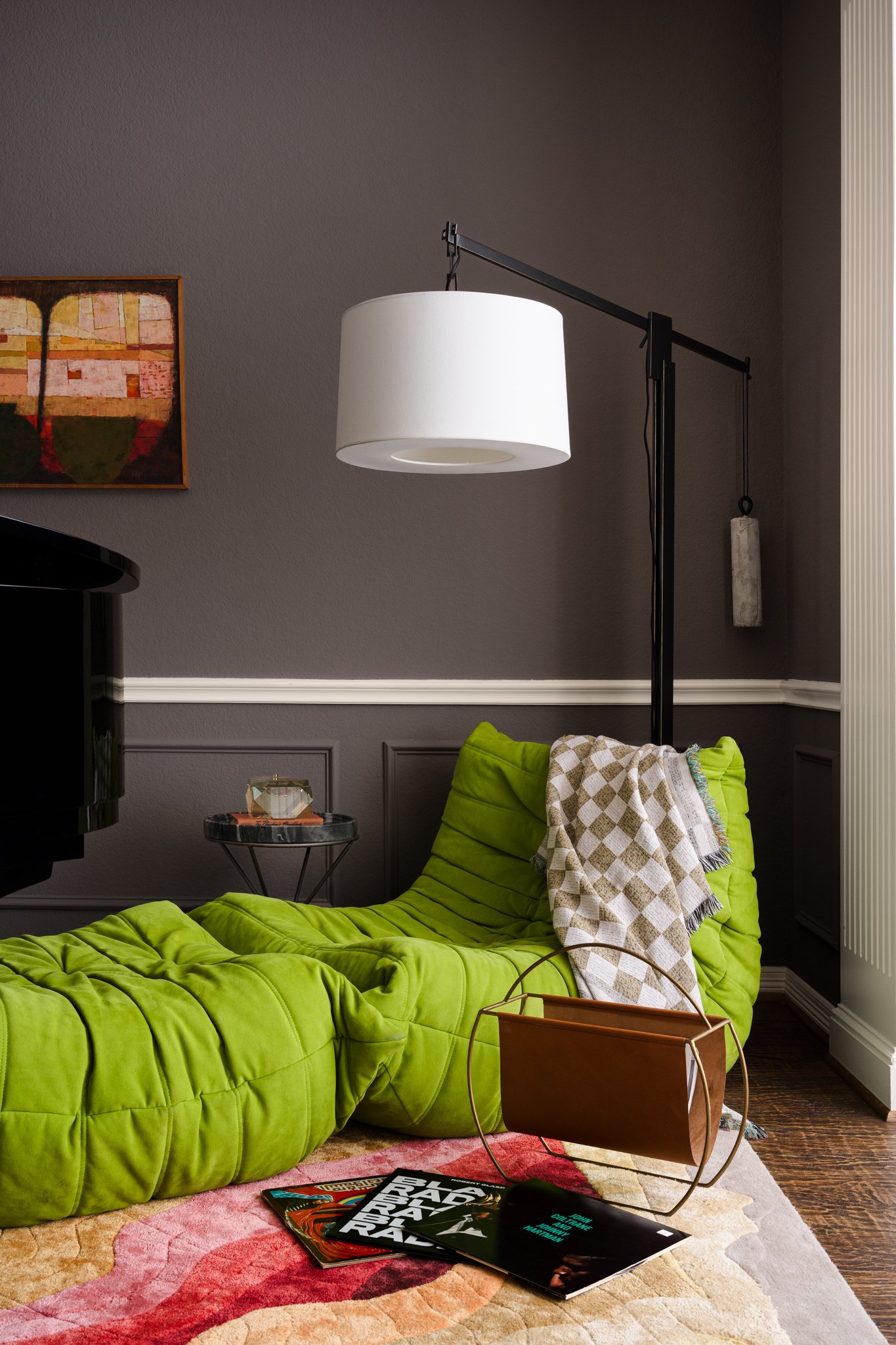
Vertical compositions for editorial and social media
Supporting angles that show how spaces connect
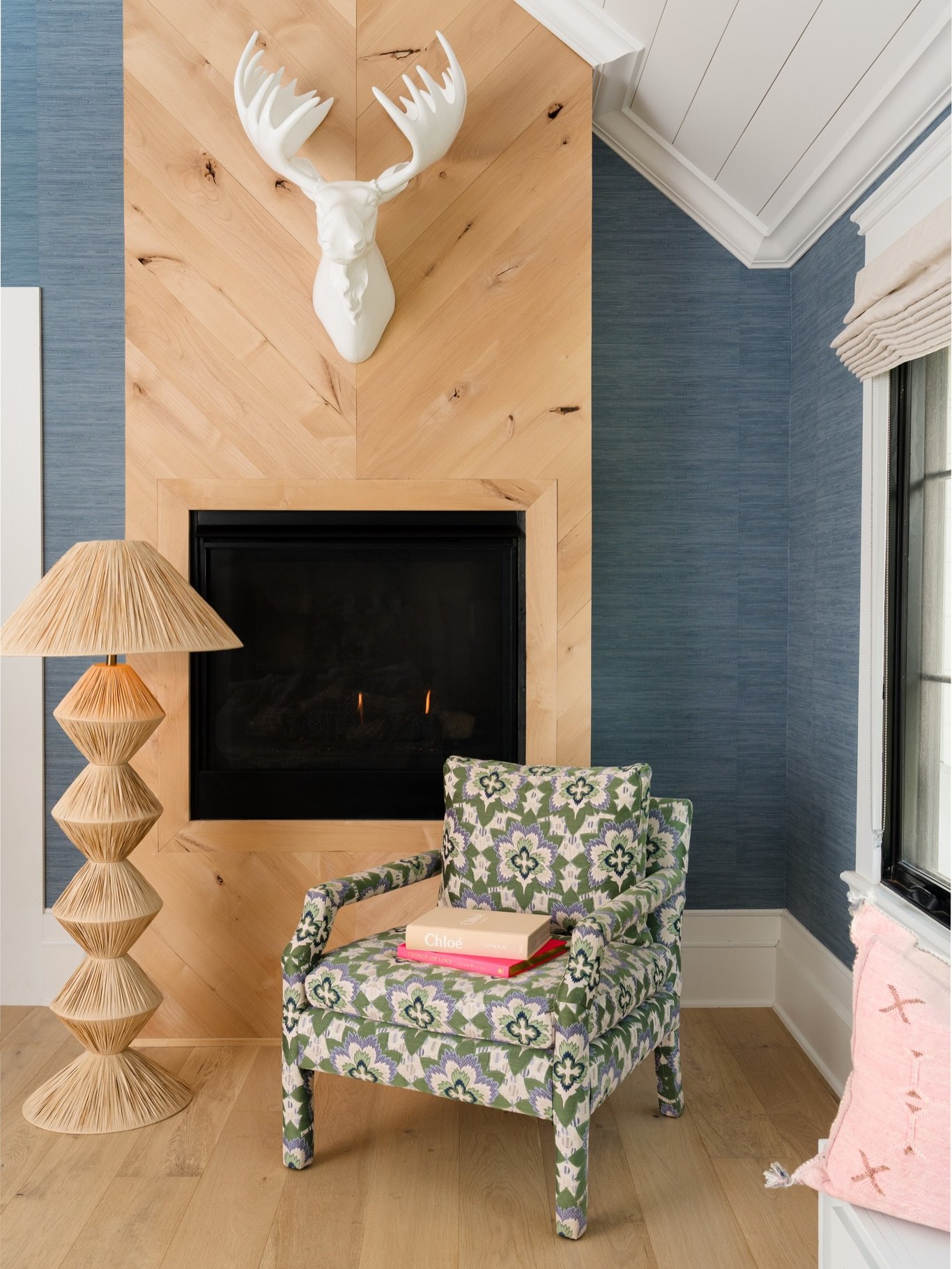
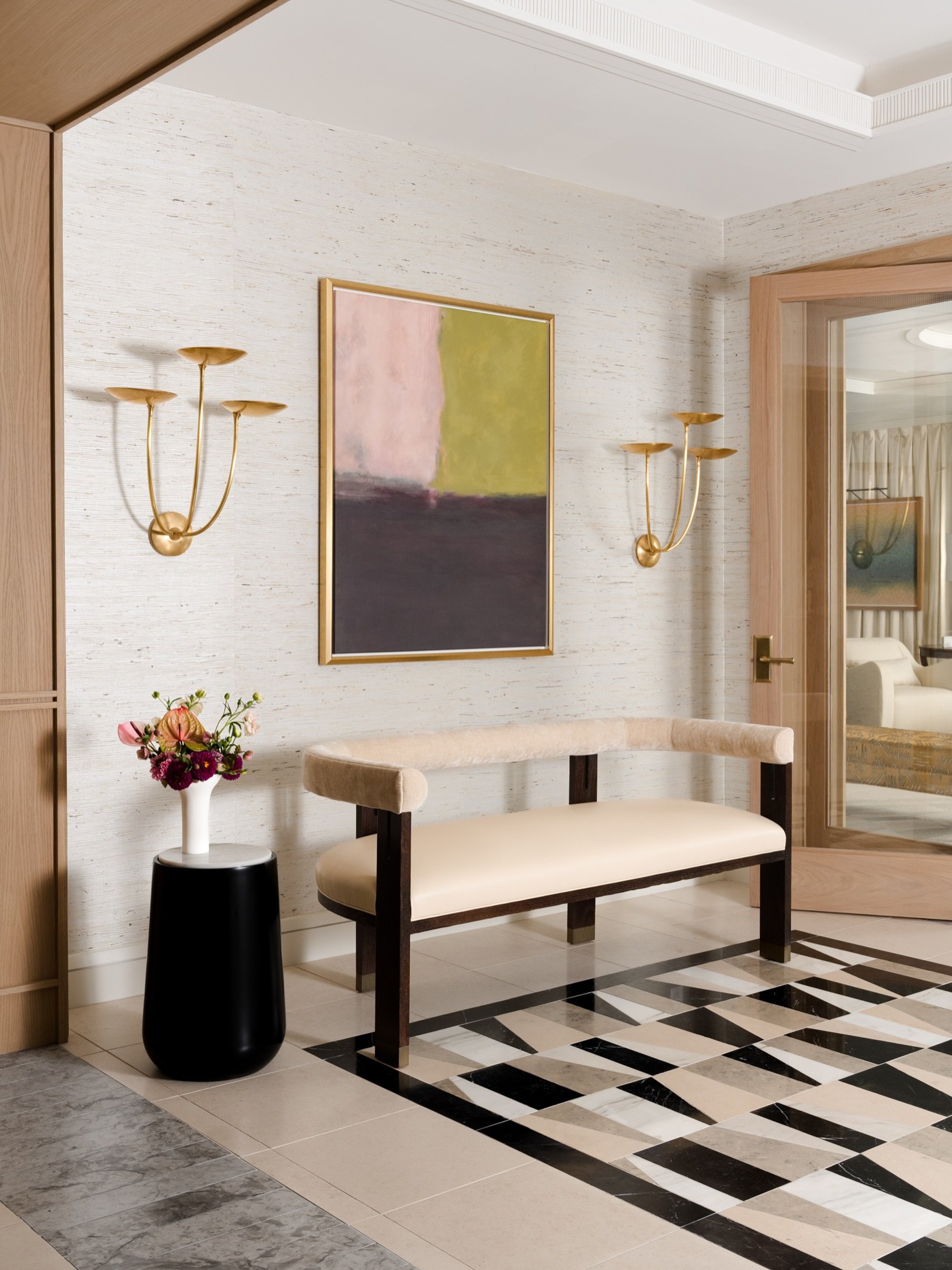
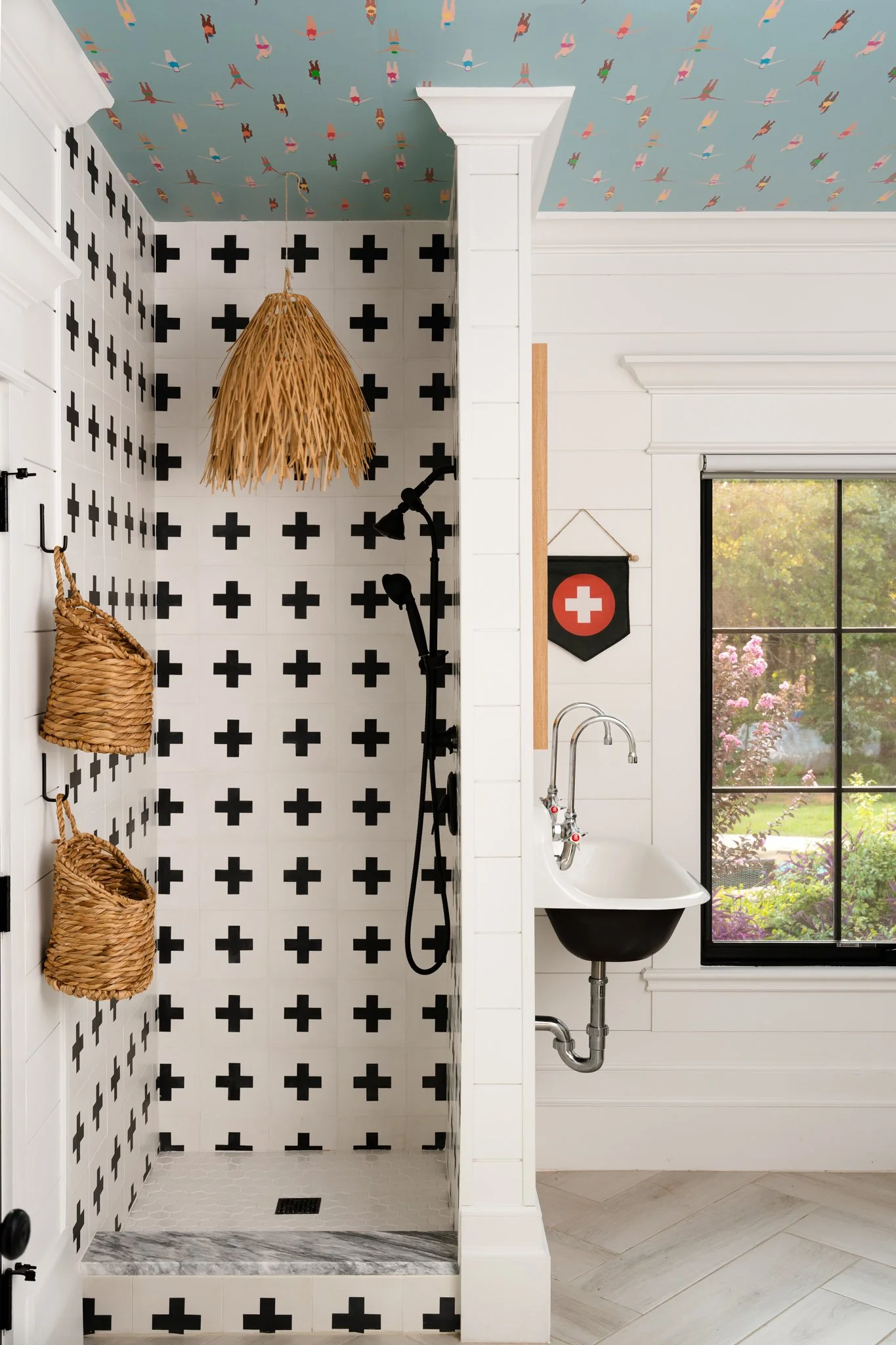
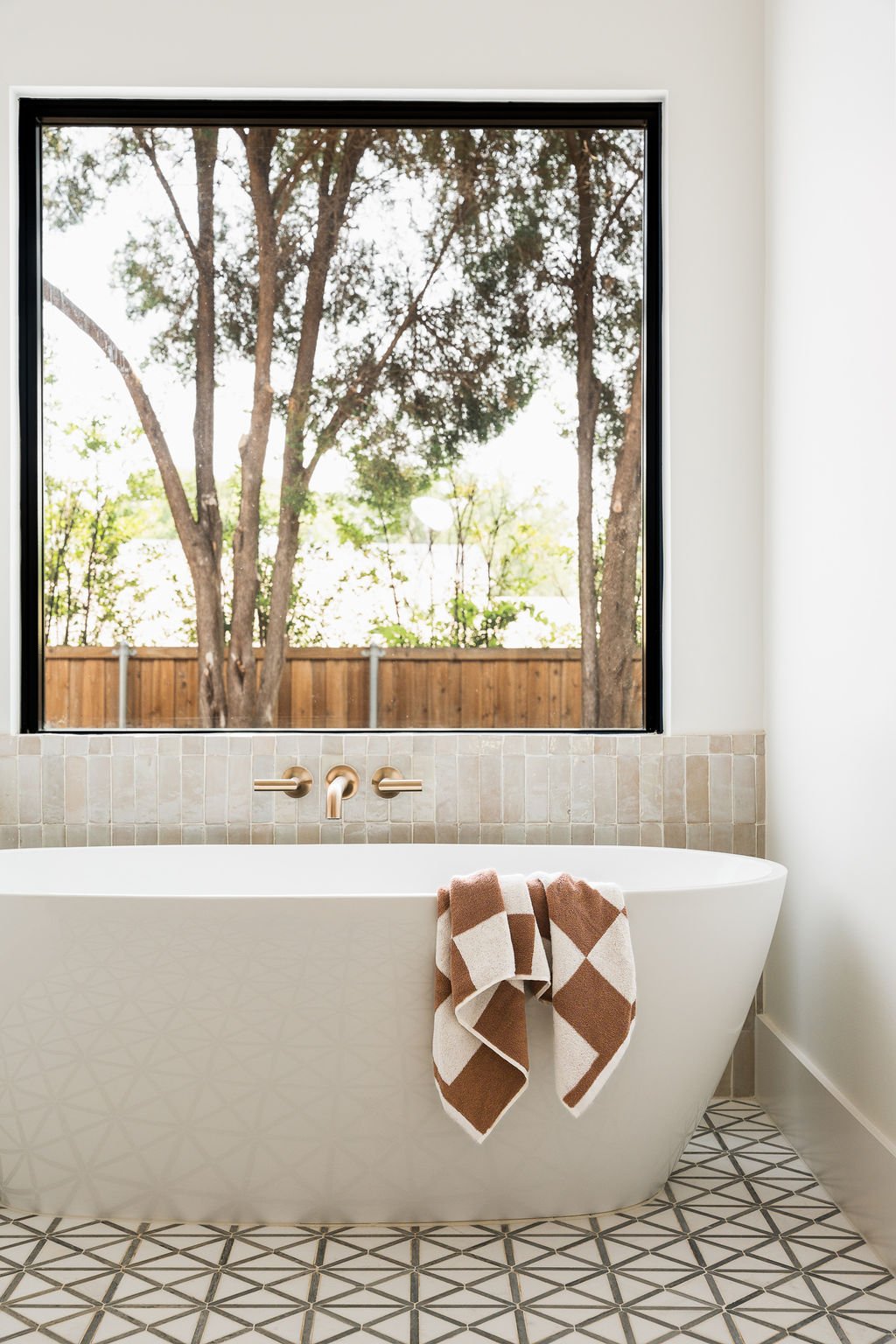
Vignettes that highlight styling and material selections
Detail photographs of custom craftsmanship
Imagery featuring products or project partners
Specific compositions needed for publication or award submissions
The goal is not simply to photograph everything. It is to determine what deserves to be photographed and why.
Build the Shot List Before Photography Day
A thoughtful shot list gives us a framework for the session while still leaving room to respond creatively to the space once we are there.
During planning, I look at the rooms being photographed, the strongest design moments within each space, and how those photographs can work together as a complete visual story.
For most rooms, that means thinking beyond a single wide photograph.
We may create a full-room hero image, an alternate perspective, a tighter composition showing the relationship between furnishings or architectural elements, and a detail or vignette that draws attention to something particularly special.
Not every room needs every type of image.
The shot list helps us prioritize the photographs that matter most so our time is spent creating a strong collection rather than simply creating more images.

Prepare the Space Before Photography Day
The more complete the project is before we arrive, the more time we can spend photographing it.
Whenever possible, I recommend completing the major preparation the day before the session rather than waiting until the morning of the shoot.
That includes cleaning surfaces and floors, removing packaging and construction materials, steaming bedding and drapery, placing accessories, removing unnecessary cords or personal items, and making sure furniture and artwork are where you want them.
This does not mean every pillow or accessory needs to be camera-ready before I arrive.
Small styling adjustments are part of the photography process.
But there is an important difference between styling for the camera and finishing the installation during the photography session.
Starting with a prepared space gives us much more freedom to refine compositions and focus on the details that make the photographs successful.
Expect Styling to Continue on Camera
A room can look perfectly styled when you are standing in it and still need adjustments once we see it through the camera.
Furniture may need to shift slightly. A pillow may need to move. A coffee table arrangement that works beautifully in person might overlap awkwardly from a particular camera position.
These adjustments are normal.
Interior photography compresses a three-dimensional space into a two-dimensional frame, which changes how objects relate to one another visually.
This is one reason I photograph tethered whenever possible. Seeing the image on a larger screen allows us to evaluate the composition together and make small adjustments while we are still on set.
The goal is not to redesign the room for the photograph. It is to make sure the photograph communicates the design as clearly as possible.
Give Each Composition the Time It Needs
Interior photography is intentionally methodical.
As a general planning guideline, I allow approximately one hour per room, although some spaces move more quickly and others require considerably more time.
That time includes finding the composition, refining the styling, setting and adjusting lighting, capturing the image, reviewing it, and making any necessary changes.
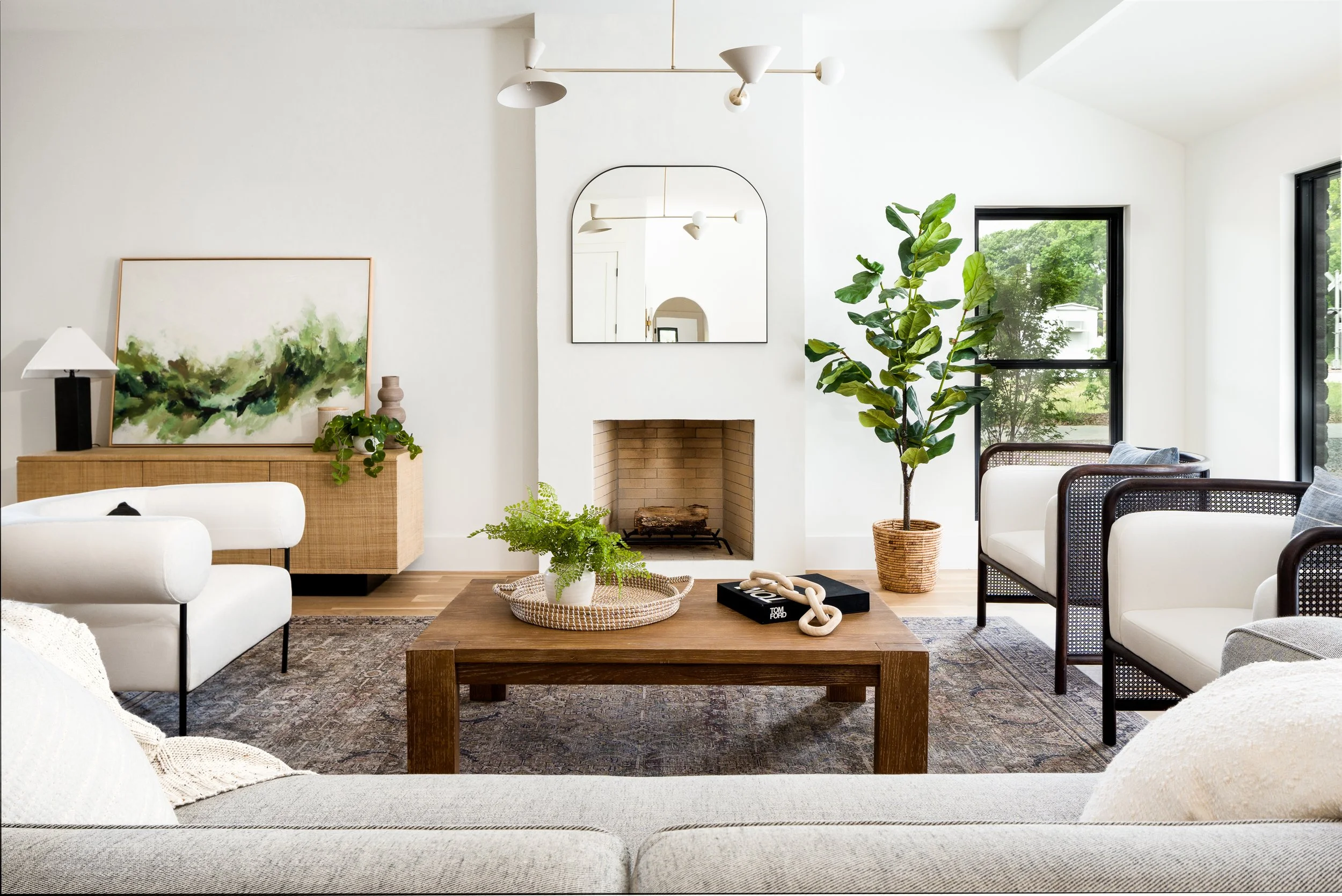
A simple vignette may come together quickly. A large living room with multiple sightlines, reflective surfaces, windows, and layered lighting may take much longer.
This is also why prioritizing the shot list beforehand matters.
Rather than rushing through ten rooms because they happen to be there, we can concentrate on creating the photographs that will have the greatest value for your portfolio and marketing.
Plan for Lighting, Not Just Available Light
The way a room looks to your eye and the way it photographs are not always the same.
Window direction, weather, room orientation, reflective materials, dark finishes, and neighboring spaces can all affect how light moves through an interior.
I use controlled lighting as part of my process to shape the space while preserving the colors, materials, depth, and atmosphere the designer created.
That process takes time, but it also gives us considerably more control over the finished image.
Rather than relying on whatever light happens to be available that day, we can create imagery that feels intentional and consistent across the entire project.
Be Part of the Photography Process
Some of the strongest sessions are collaborative.
You know the project better than anyone. You know which details were custom, which materials took months to source, which architectural problem required a clever solution, and which seemingly small decisions are actually central to the design.
Tell me those things.
During Creative Production Planning, we identify many of those priorities beforehand. On photography day, we continue that conversation.
If there is a perspective you love, a detail you want documented, or something you do not feel represents your work, speak up.
Photography is not simply the documentation that happens after the design process is finished. It is the final step in deciding how that work will be presented to the world.

Think Beyond the Hero Image
The wide room photograph will always be important, but it should not have to do all the work.
A strong project gallery benefits from a mixture of hero images and supporting photographs.
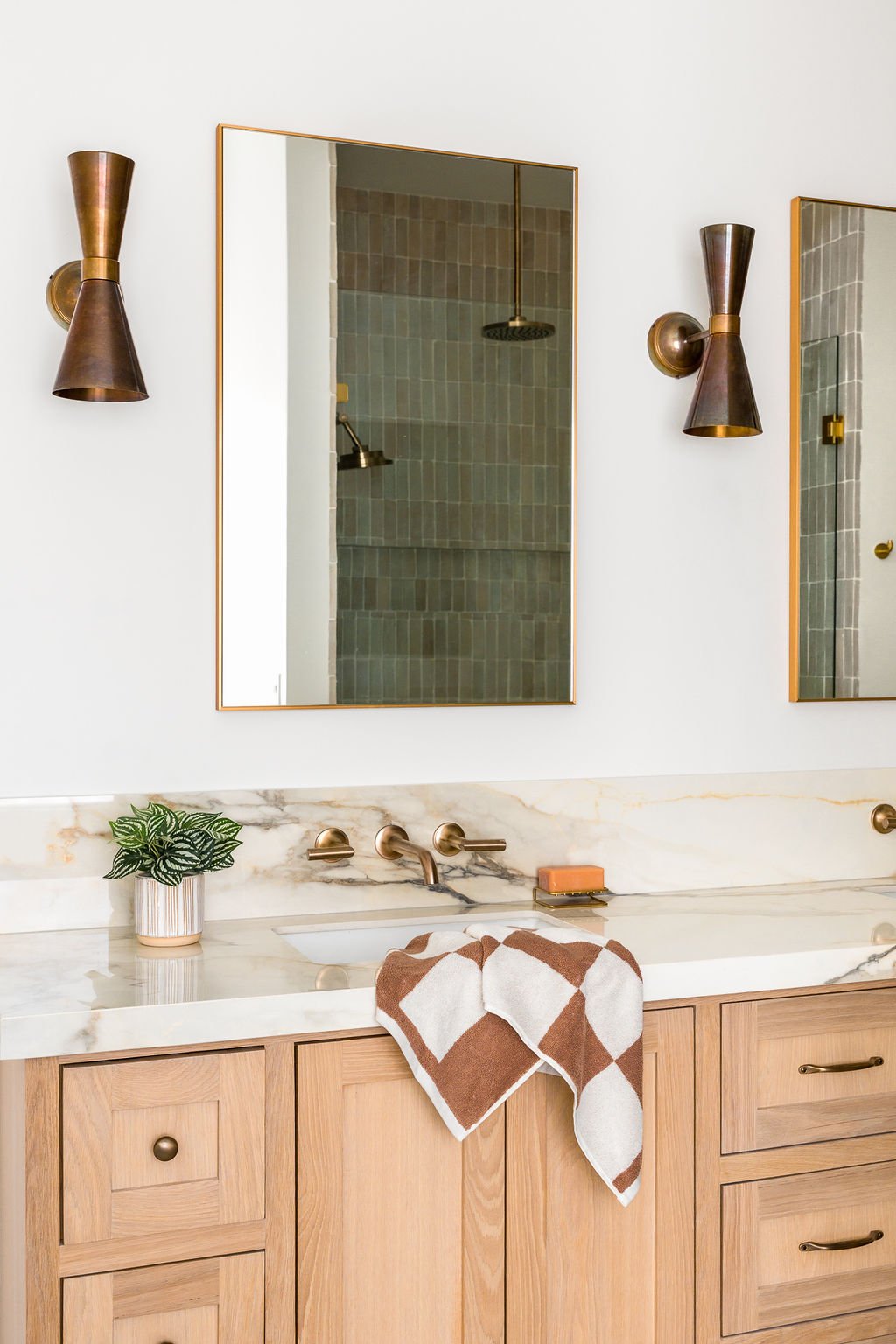
Hero images establish the space. Supporting images reveal the decisions within it.
A material transition, custom hardware, an unexpected pattern, a beautifully styled console, millwork, stonework, or the relationship between two adjoining spaces can tell us just as much about the designer's point of view as the widest photograph in the room.
Together, those images create a more complete story and give you a much more versatile library for future marketing.
What Happens After the Photoshoot
Once photography is complete, the images move into post-production.
This is where I refine color, balance lighting, correct perspective, and complete the detailed retouching necessary to create a polished final collection while remaining true to the design itself.
Final galleries are typically delivered within 15 business days, giving you a cohesive collection of finished imagery ready for your portfolio and marketing.
From there, the photography can begin doing the work we planned for from the beginning.
The Best Photoshoots Begin Before Photography Day
Photoshoot preparation is not about making everything perfect before the photographer arrives.
It is about making intentional decisions before the session so photography day can be spent creating rather than figuring out what needs to be created.
When we know the priorities, understand how the imagery needs to be used, prepare the space, and leave enough time to refine each composition, we can create a collection that does more than show what the project looked like.
We can create photographs that communicate how you design.
Related Articles
Photography Insights: What to Include in an Interior Design Photography Shot List
Learn how to plan the hero images, supporting perspectives, vignettes, and details that create a complete project story.
Photography Insights: Why I Photograph Tethered During Every Interior Design Session
See how reviewing photographs together on set helps us refine compositions and make decisions before moving to the next image.
Resources: Marketing Your Interior Design Business: How to Use Photography to Elevate Your Brand
Explore how one thoughtfully planned photography collection can support your website, social media, editorial outreach, and long-term marketing.
Planning Your Next Interior Photography Session?
Every project I photograph begins with Creative Production Planning so we can define the priorities, develop the shot list, prepare the space, and create imagery with your larger marketing goals in mind.
If you have a completed project coming up in Dallas, Fort Worth, or beyond, I’d love to hear about it.
Follow Along on Instagram
Recent projects, behind-the-scenes moments, and a closer look at the spaces, details, and designers I have the opportunity to photograph.