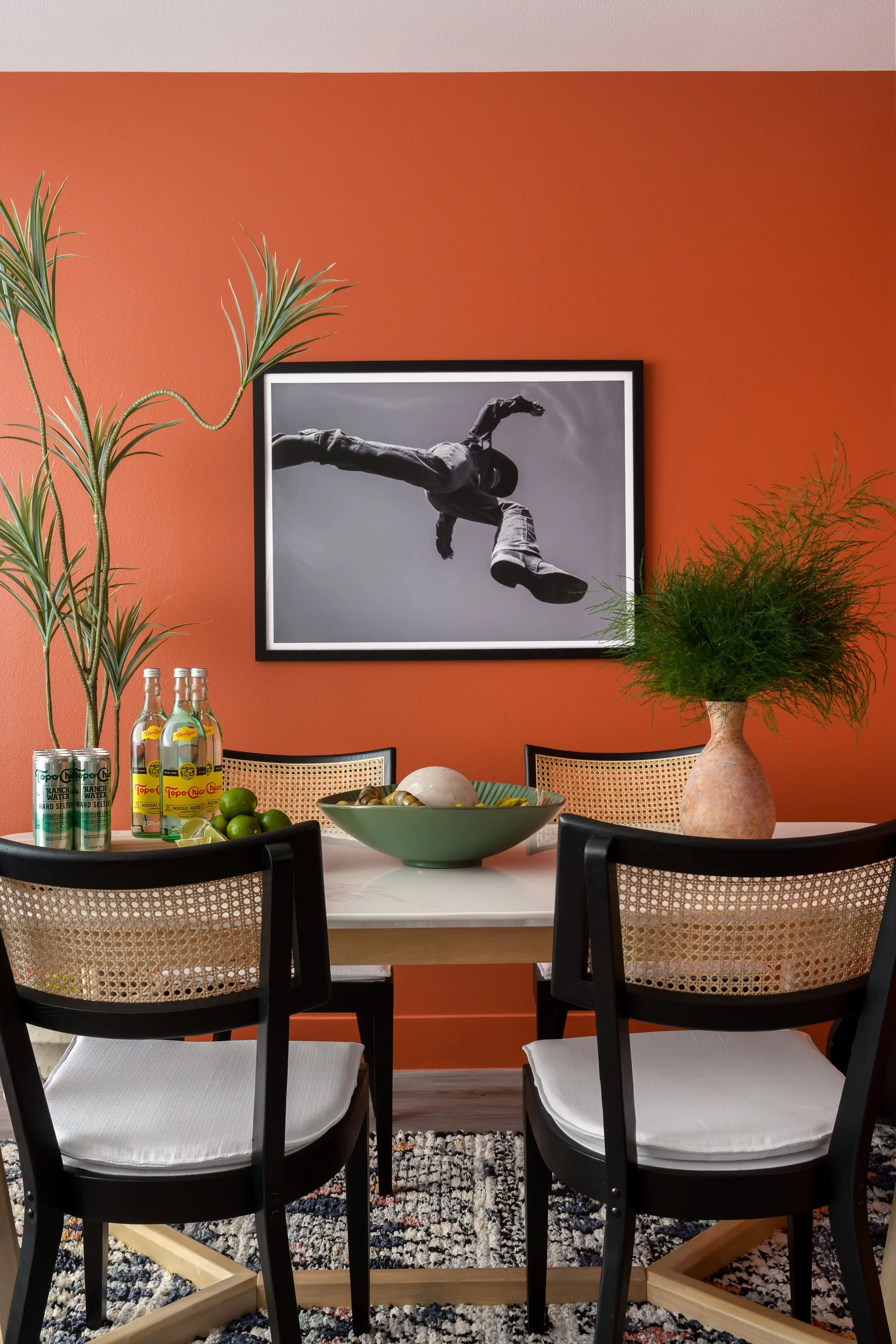
Why You Should Hire a Photographer Who Specializes in Interior Design Photography
Interior photography requires a different understanding of light, composition, architecture, and the way a space translates from three dimensions into two.
By Stacy Markow

A beautifully designed room does not automatically become a beautiful photograph.
Interior designers and architects spend months, sometimes years, making decisions about proportion, materials, sightlines, color, furnishings, and the way a space should feel. Photographing that work requires more than documenting what is there. It requires understanding which decisions matter and how to translate them into an image.
That is where specialization matters.
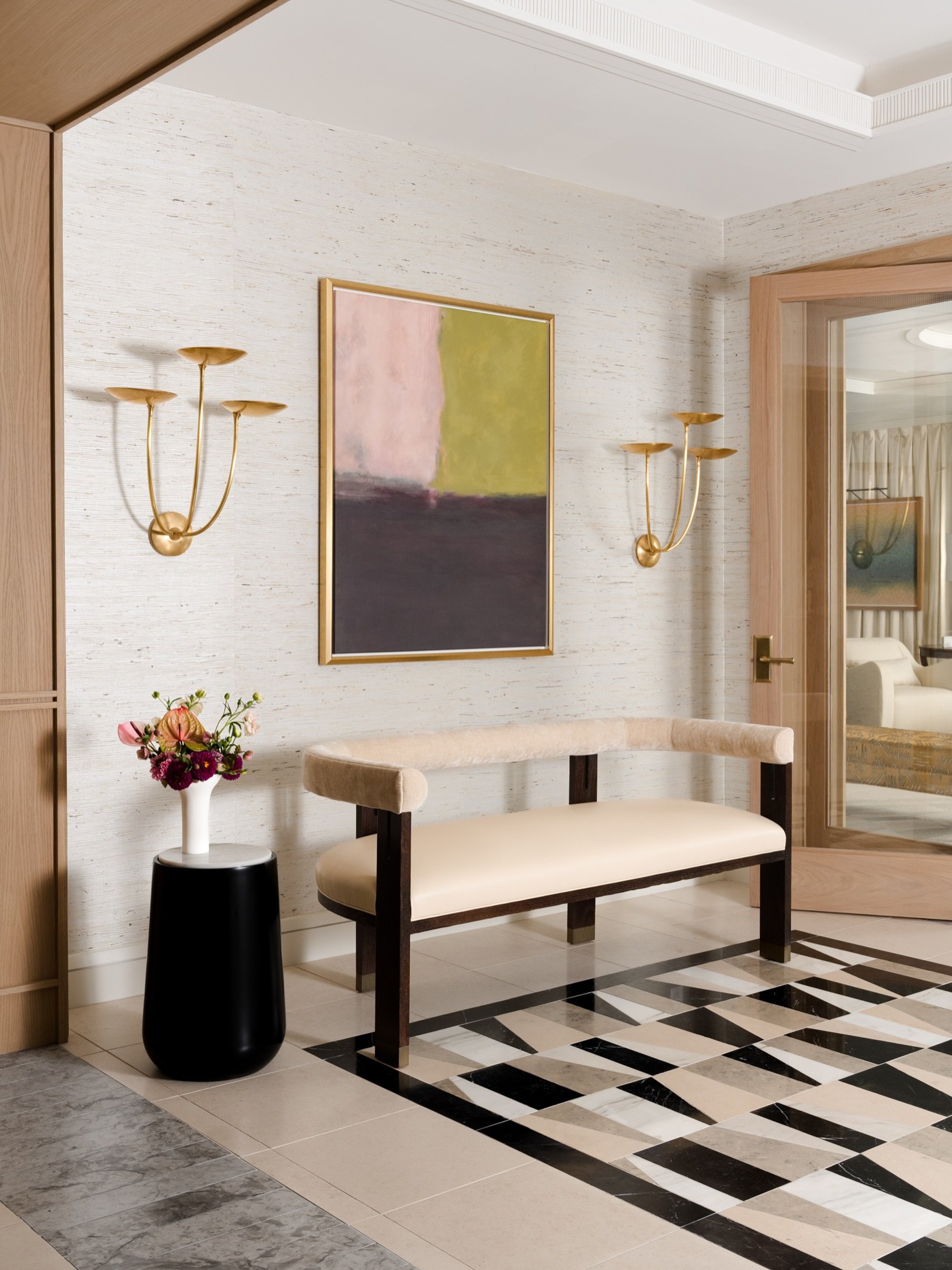
A photographer who works specifically with interiors approaches a space differently. We are looking at how architectural lines interact, how rooms connect to one another, how materials respond to light, and which compositions best communicate the design.
The goal is not simply to photograph a room.
It is to create a collection of images that represents the work as thoughtfully as it was designed.
Interior Photography Is Its Own Discipline
Every genre of photography requires a different set of skills.
The way a photographer lights a portrait is different from the way an interior photographer approaches a room. Photographing an event requires a completely different workflow from carefully composing an architectural image.
Interior photography requires an understanding of perspective, proportion, composition, styling, color, and controlled lighting all at once.
A few inches can change the relationship between architectural elements within a frame. A camera positioned slightly too high or too low can distort the proportions of a room. The wrong focal length can make a space appear larger, smaller, narrower, or more expansive than it actually feels.
And then there is light.
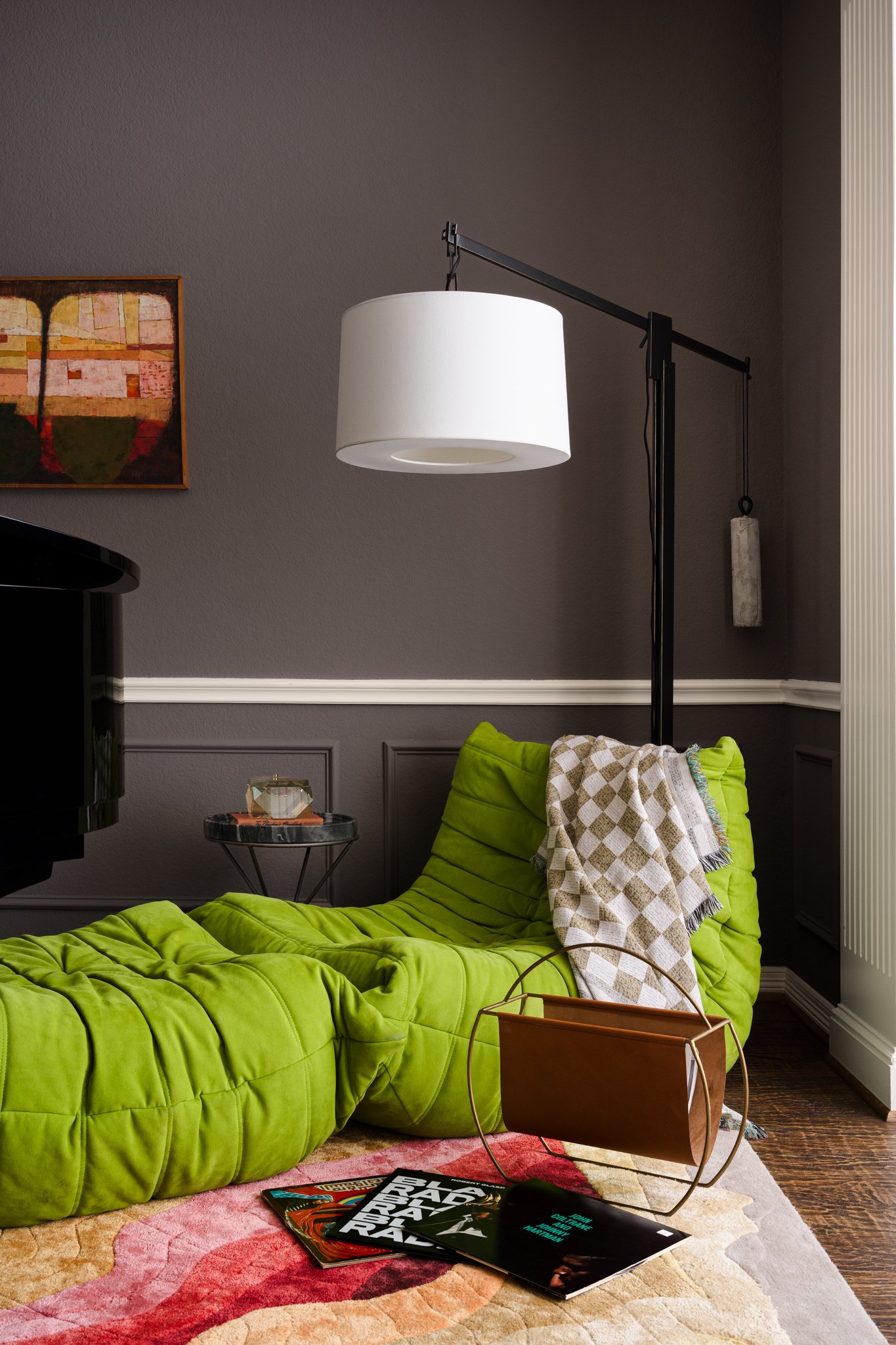
Interior spaces often contain multiple light sources, reflective materials, windows with dramatically different exposures, and colors that need to remain accurate to the designer's selections.
Managing all of those elements while still creating an image that feels effortless is a significant part of the work.
The Photographer Needs to Understand What the Designer Is Trying to Show
One of the greatest advantages of working with a photographer who specializes in interiors is that we understand what we are looking for.
The beautiful marble selection.
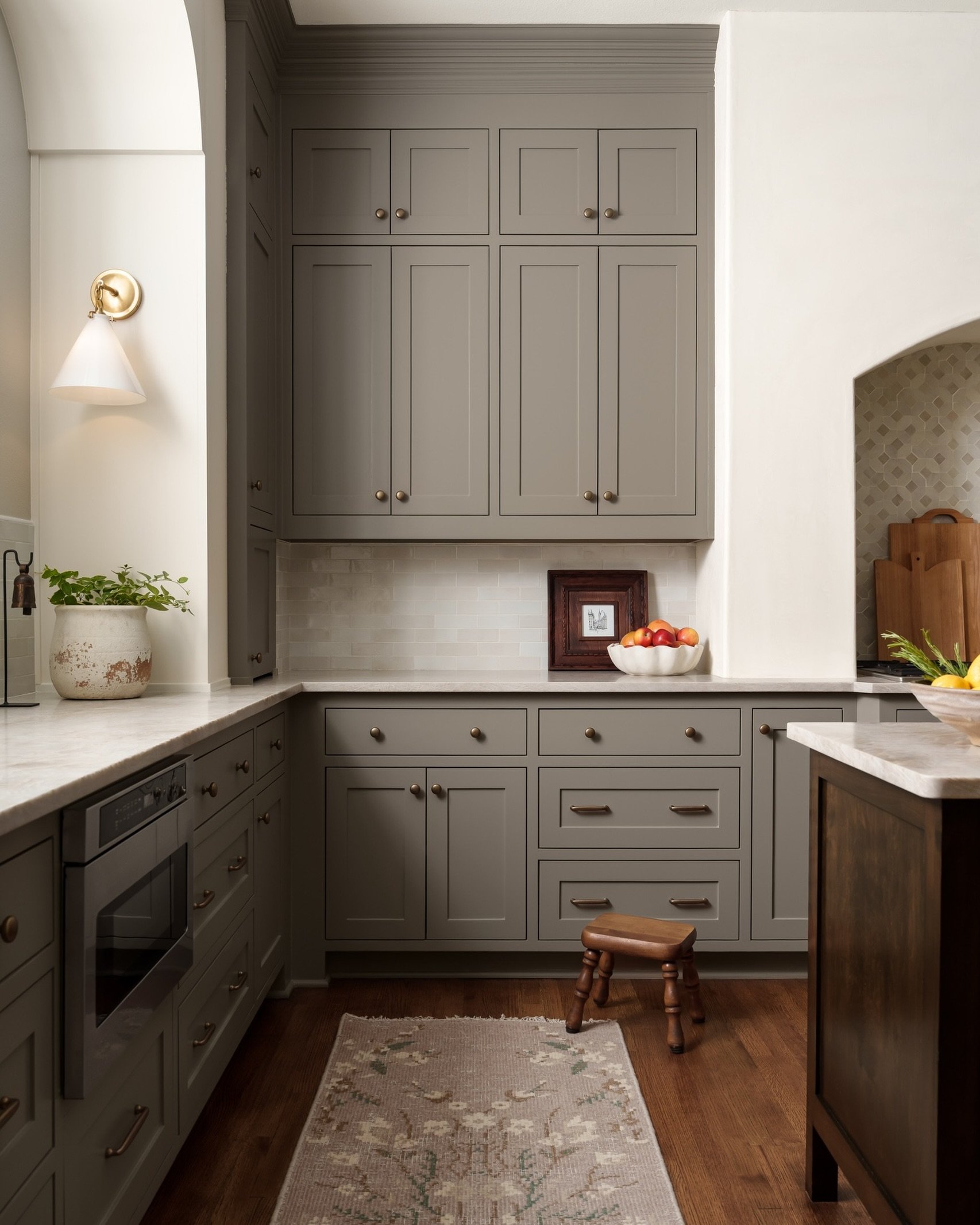
The relationship between the cabinetry and architectural millwork.
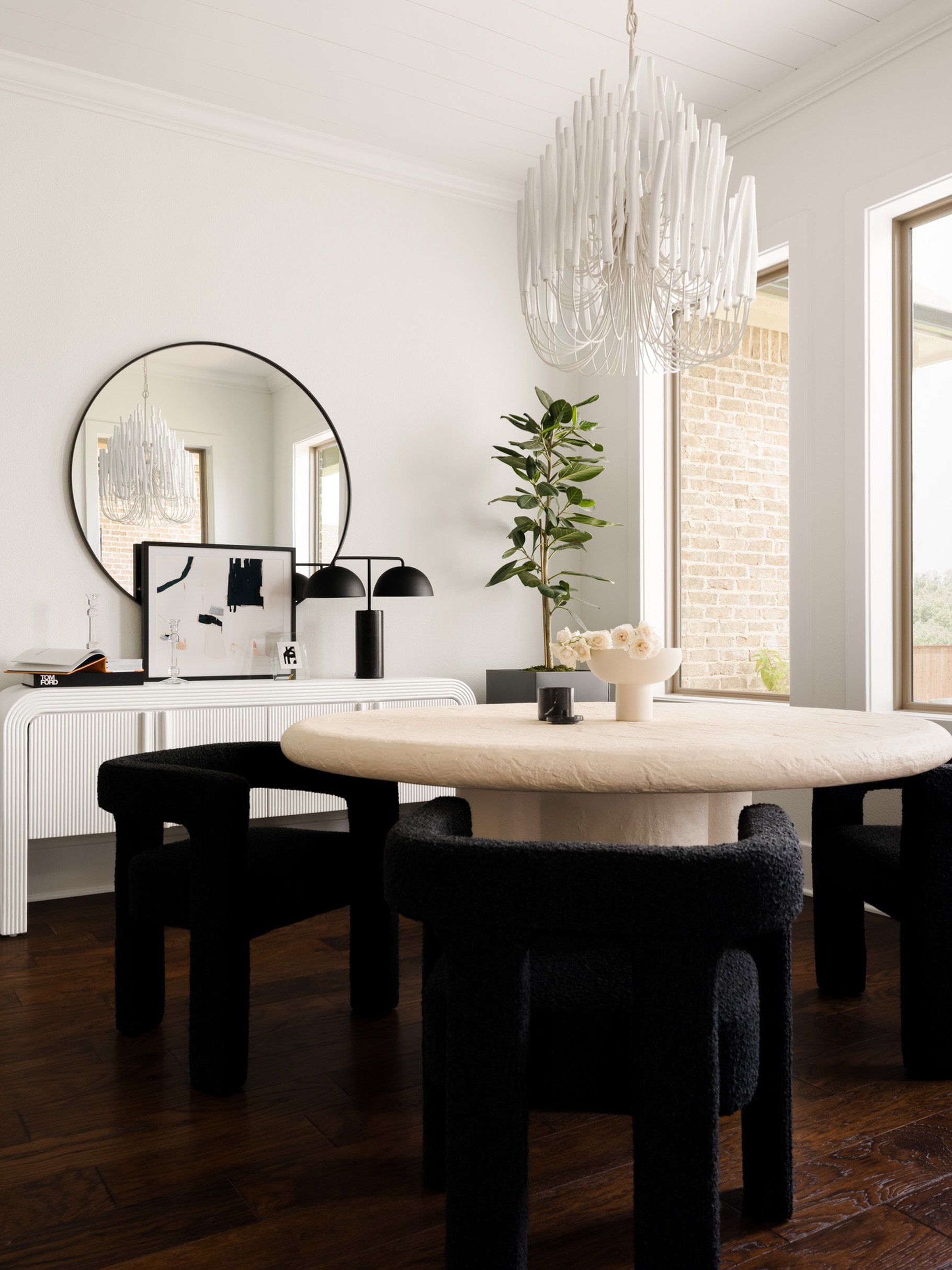
The way a custom light fixture anchors the room.
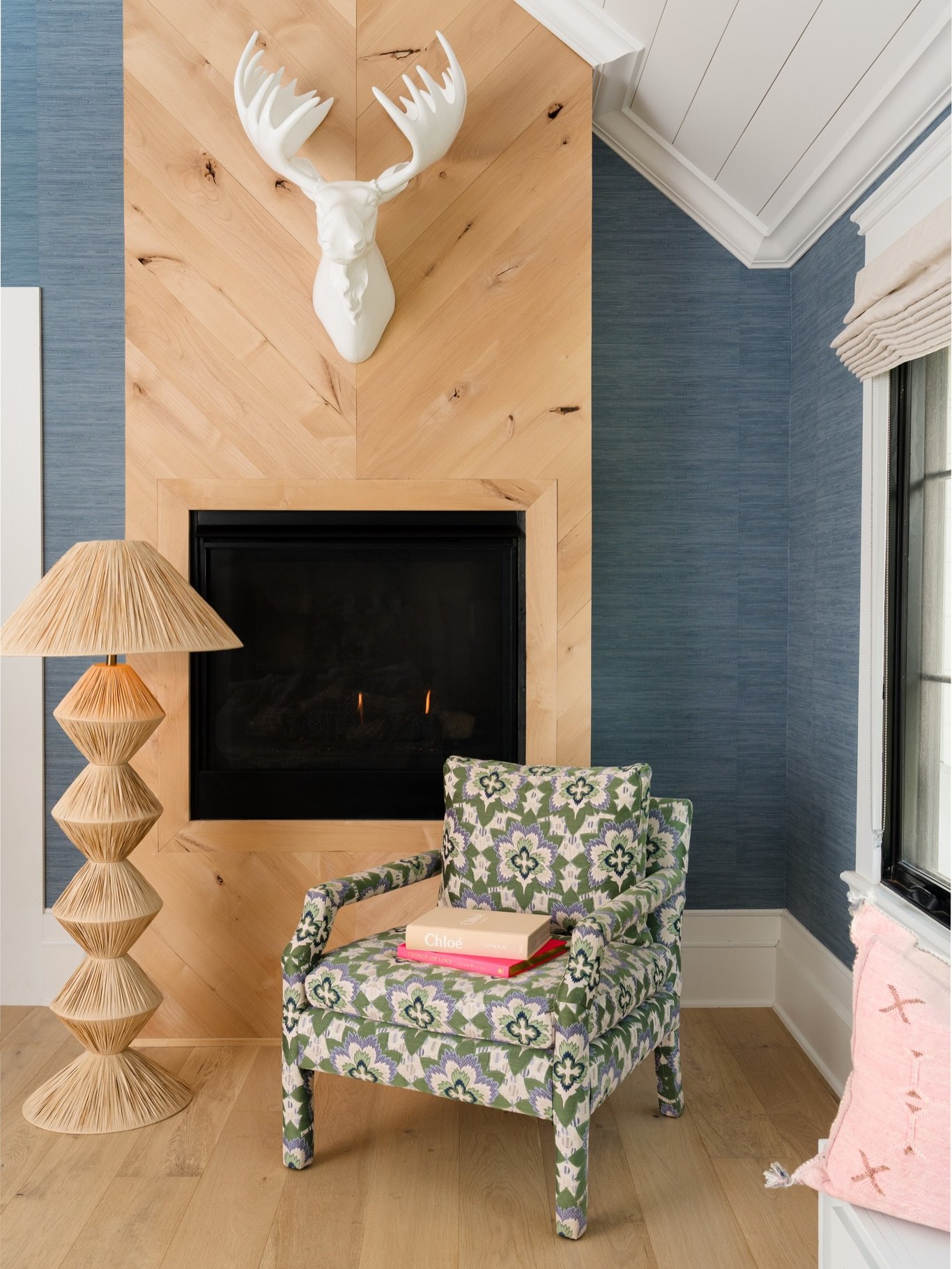
The transition from one material to another.
The sightline that connects two spaces.
The small details that may have taken months to source.
These decisions are part of the story of the project, and they should influence how the photography is approached.
That is also why I believe the best interior photography is collaborative.
During Creative Production Planning, I work with my clients to understand the project, identify the spaces and details that matter most, and determine how the photographs will ultimately be used.
From there, we can build a collection that includes both hero images that establish the space and supporting photographs that reveal its materials, details, and design decisions.


A Rainy East Texas Photoshoot With Brittney Lane Interiors
One of my favorite examples of why specialization matters happened during a project I photographed for Brittney Lane Interiors.
The weather was terrible.
East Texas had given us one of those dark, rainy days when the available light inside the home looked nothing like the bright, inviting atmosphere we wanted the photographs to convey.
But postponing an interior shoot every time the weather changes is not always realistic.
Instead, my assistant and I built the light we needed.
Using controlled lighting, we were able to bring dimension back into the rooms, balance the window light, and create photographs that still felt bright and believable without allowing the gloomy weather outside to dictate the final imagery.
That distinction is important.
My goal with lighting is not to make a space look artificially illuminated. It is to use light subtly enough that the design remains the focus.
The finished photograph should still feel like the room.
Interior Photography Is About More Than Wide Shots
When people think about photographing an interior, they often picture the obvious photograph: stand in the doorway and capture the entire room.
Sometimes that is exactly the photograph we need.
But a strong portfolio requires more than a collection of wide-angle views.
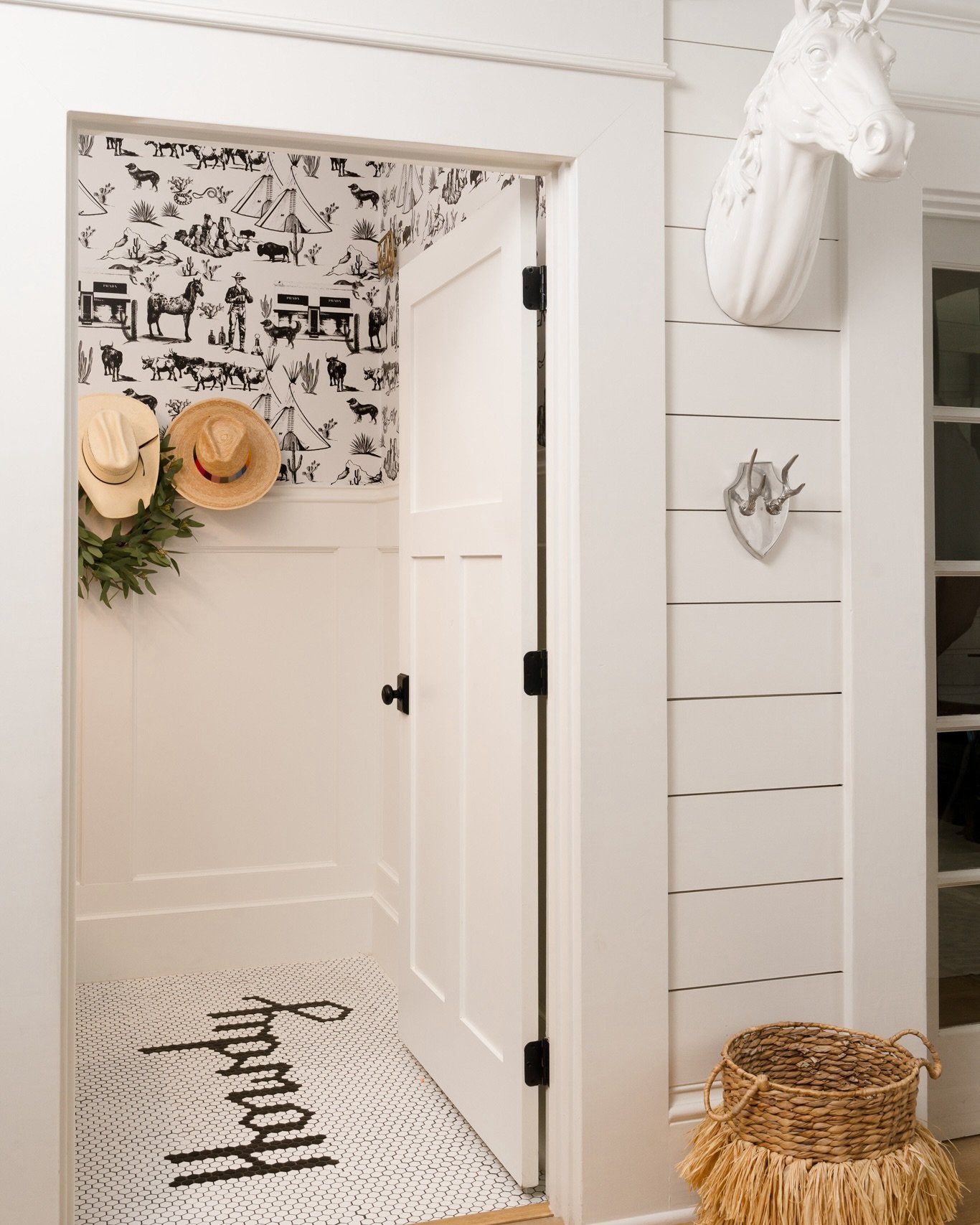
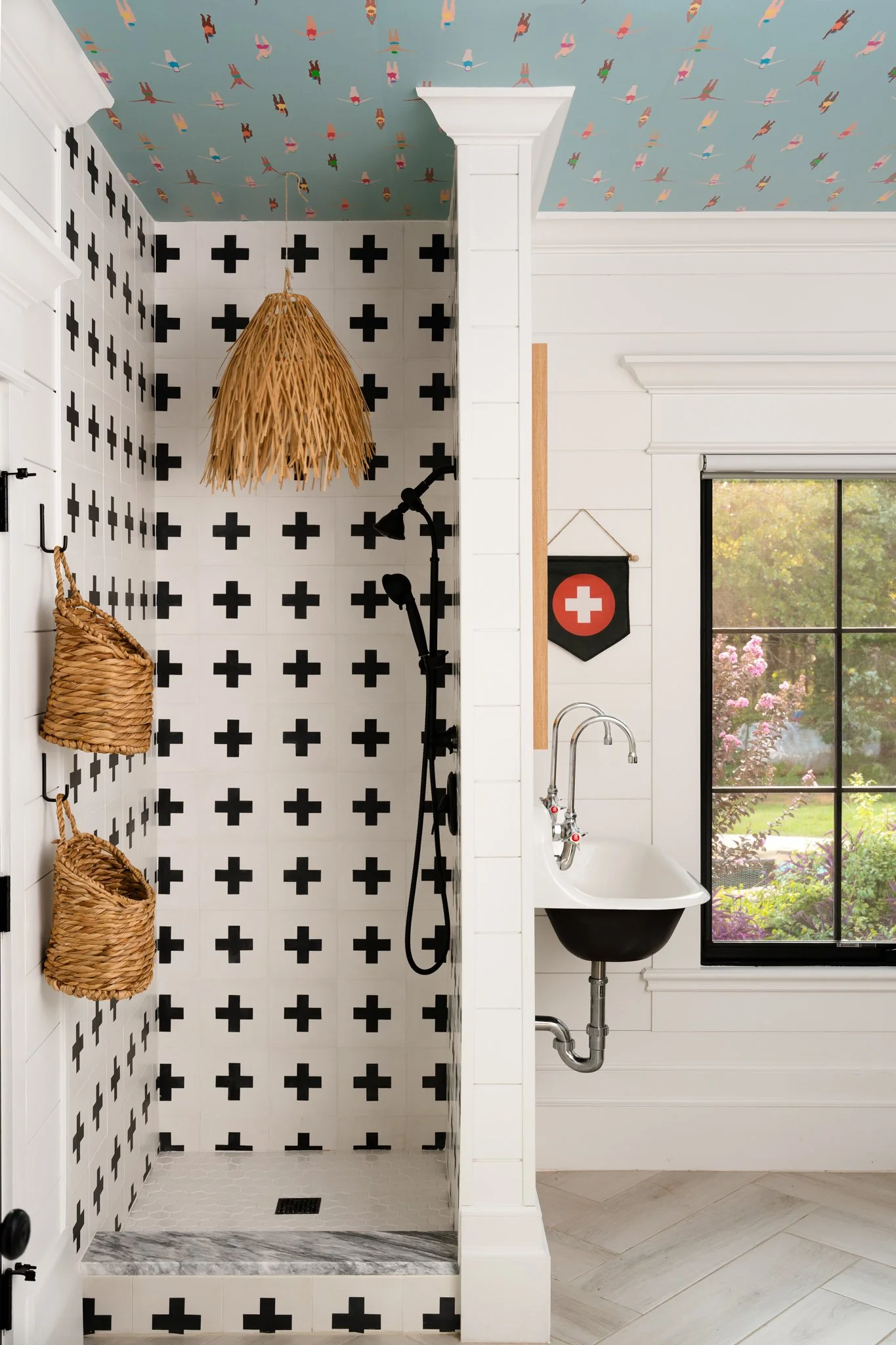
A full-room composition establishes the architecture and overall design, while tighter compositions can show relationships between materials, furniture, artwork, and architectural elements. Detail photographs reveal craftsmanship and selections that might otherwise disappear within a wider frame.
Together, those images create a more complete visual narrative.
They also give designers a much more versatile collection of photography to use across their website, portfolio, social media, editorial submissions, awards, and marketing.
Styling Through the Camera
There is another part of interior photography that is easy to underestimate: a room can look perfectly balanced in person and still need adjustment for the camera.
Photography compresses a three-dimensional environment into a two-dimensional frame.
Because of that, furniture placement, accessories, greenery, pillows, and decorative objects sometimes need small adjustments once we see the composition through the camera.
A chair might move a few inches.
A branch may need to be repositioned so it does not intersect awkwardly with something in the background.
An accessory that looks beautiful in person may create visual clutter within the photograph.
These are small decisions, but collectively they make an enormous difference.
The goal isn't to redesign the room for the photograph. It is to refine what is already there so the designer's work reads clearly within the frame.

Your Photography Has a Job to Do
There is also a larger reason specialization matters.
Your project photography rarely exists for one purpose.
A single project may become part of your portfolio, appear throughout your website, support months of marketing, accompany an editorial pitch, become part of an award submission, or introduce your work to a future client who has never heard of your studio.
That means the photographs need to do more than document what the project looked like.
They need to communicate the quality of your work.
When I photograph a project, I am thinking not only about the individual image but also about the collection: which photographs establish the project, which reveal its details, which create visual variety, and how those images can support the designer long after the photoshoot is over.
That is the value of working with someone who understands both interiors and the role photography plays in a design business.
What to Look for in an Interior Design Photographer
Before hiring a photographer for your next project, spend some time looking beyond whether you simply like their photographs.
Look at how they handle different kinds of spaces. Pay attention to whether colors and materials feel accurate. Notice the vertical lines, perspective, window exposures, styling, and consistency of the work.
Most importantly, look for someone whose approach complements the way you want your own work represented.
Photography becomes part of your visual identity.
The photographer you choose should understand that responsibility.
Client Perspective
“Stacy is an artist when it comes to taking interior photos. It was amazing to see her at work and the photos I received afterwards were everything and then some. She is very professional and knowledgeable in her craft. I look forward to hiring her again for my design projects!”
— Brittney Lane Interiors
Photography That Keeps the Design at the Center
My approach to interior photography begins with a simple philosophy: the design comes first.
The lighting, styling, composition, and technical decisions should support the work rather than compete with it.
For interior designers, architects, and builders, that means creating photographs that accurately represent the spaces you have spent so much time bringing to life while giving you a collection of imagery capable of supporting what comes next for your business.
If you have a completed project you are ready to photograph, I would love to hear about it.
Follow Along on Instagram
Recent projects, behind-the-scenes moments, and a closer look at the spaces, details, and designers I have the opportunity to photograph.