Your Brand Doesn't Need to Look Like Everyone Else's
A recognizable brand isn’t built by following the formula. It’s built by knowing which parts of the formula were never meant for you.
By Stacy Markow

Your Brand Doesn't Need to Look Like Everyone Else's
We are all being fed increasingly similar versions of the same algorithmic feed. Color seems to be on increasingly rare display, interiors often appear warmer and more neutral than they do in real life, content formats repeat themselves, and hot takes are delivered into tiny microphones so wildly out of scale with the human head that I have developed a completely irrational aversion to them.
And the sameness doesn't stop with interior design.
It influences fashion, beauty, the handbags we buy, the places we travel, the way we decorate our homes, and increasingly, the way creative businesses present themselves online.
Everything is starting to look remarkably similar.
I think one of the greatest testaments to a fully formed creative point of view is being able to recognize someone's work before you ever see the name attached to it. You know the photographer. You know the designer. You know the architect. There is something about the work that is distinctly theirs.
That feels increasingly rare.
Algorithms reward performance. When something performs, more people create versions of it. Those versions perform, and more people replicate them. Eventually, inspiration quietly becomes imitation, and before you know it, everyone is producing some variation of the same thing.
If I see another "very demure, very mindful post, I might scream.
There is absolutely nothing wrong with paying attention to what works. We all need to market our businesses, and understanding how people consume information is part of that. But there is a difference between learning from something and allowing it to dictate how you show up.
In an era of neutral, layered, clean-girl-everything, having a distinct point of view has become a differentiator in itself.
I think we're all a little bored.
And it shows.
Branding Is Not a Formula
Branding, to me, isn't taking every piece of slapstick social media advice and cobbling it together into a marketing strategy.
You need to make trending content. You need to be on camera. You need to educate. You need to post every day. You need to have a personal brand. You need to make Reels. You need to have an opinion about everything.
At some point, you still need enough time to actually run your business.
Going viral shouldn't be the goal either.
For most creative businesses, I think the goal is much less exciting and far more useful: consistently putting your work into the world and making sure what you're putting out is representative of what you want to be known for.
That's branding.
And consistency doesn't have to mean posting three times a week because someone on Instagram told you that's the magic number.
Maybe you post four times a week. Maybe it's twice. Maybe it's once.
Marketing is cumulative. You put your work into the world. Someone discovers it. Eventually someone hires you. That project leads to another project, which creates more work worth sharing. Clients refer you. Your portfolio gets stronger. Your name becomes familiar.
Those efforts begin compounding.
That's a much more sustainable way to think about marketing than constantly trying to manufacture your next viral moment.

Your Marketing Strategy Should Fit the Business You Actually Want
This is also why I don't think copying someone else's brand strategy makes much sense.
A boutique, low-volume residential design studio built primarily through referrals should probably show up differently from a nationally recognized firm pursuing projects around the world.
A designer who wants to develop products and collaborate with brands needs a different kind of visibility from someone who wants eight incredible residential projects a year.
An architect pursuing commercial commissions has different goals again.
Before deciding what your content strategy should look like, define what you actually want from your business.
What kind of work do you want?
Who do you want hiring you?
How large do you want your studio to become?
Do you want recognition? Press? Product collaborations? Speaking engagements? A beautifully profitable business that very few people outside your market have ever heard of?
And, just as importantly, what do you want your life to look like?
Then build your marketing around that.
If you're camera shy but love writing, write.
If you're charismatic and comfortable on camera, video might be an incredible medium for you.
If you hate appearing on camera but have a funny, engaging personality, try voiceovers over footage of your projects.
You don't have to become good at every form of content. Find the intersection between what you're naturally good at, what you can realistically sustain, and what supports where you want your business to go.
Tailor the strategy to your strengths instead of tailoring yourself to the strategy.
Your Point of View Is Probably Already There
I think creatives sometimes approach branding as though they need to sit down and invent an identity.
But for most interior designers, the clues are already everywhere.
You make hundreds of decisions that reveal something about your point of view.
The materials you gravitate toward. The proportions you prefer. The makers and brands you source from. The architectural details you preserve or introduce. How much importance you place on craftsmanship. How you solve an awkward floor plan. Where you create storage. What you're willing to splurge on and where you think spending more simply isn't necessary.
Those choices tell us something.
Start looking for the patterns.
What do clients consistently come to you for?
What do you obsess over?
What do you notice that other people don't?
What are the decisions you find yourself making over and over again, even across projects that look completely different?
That's where I'd start looking for your brand.
Not in a Canva template.
Personal Does Not Mean Public
And while we're clearing the air, building a personal brand does not mean giving the entire internet access to your life.
I think we've started conflating visibility with accessibility, and they aren't the same thing.
Nobody is entitled to constant access to your life simply because you own a business.
I'm a massive advocate for my business living online.
I don't.
I'm a private person at heart. I also have a very clear point of view, a distinct creative style, plenty of opinions about my industry, and more marketing ideas than I could probably execute in a lifetime.
Those things can coexist.
You can reveal an enormous amount about yourself through what you create and what you choose to talk about.
Share the design decision you're particularly proud of. Explain why you fought to preserve an architectural detail. Talk about the material you can't stop specifying. Show the antique that changed the entire direction of a room. Share the places, artists, architecture or experiences that influence your work. Talk about something you used to believe about design that you've since changed your mind about.
Your taste is personal.
Your perspective is personal.
Your sense of humor is personal.
Your creative decisions are personal.
Your private life can remain private.
Your family, friendships, relationships and the life you've worked hard to build don't automatically need to become marketing collateral.
People don't need access to all of you to understand who you are as a creative person.
They need enough of your perspective to recognize when something is yours.

Photography Should Communicate Your Point of View
Your brand should communicate the caliber of work you're striving to create, and part of that means getting your band of creative professionals on lock.
The photographer, stylist, web designer, graphic designer, copywriter, videographer, and anyone else responsible for translating your work should understand what you're trying to build.
Because there isn't one correct way to photograph a beautiful interior any more than there is one correct way to design one.
How do you want people to experience your spaces?
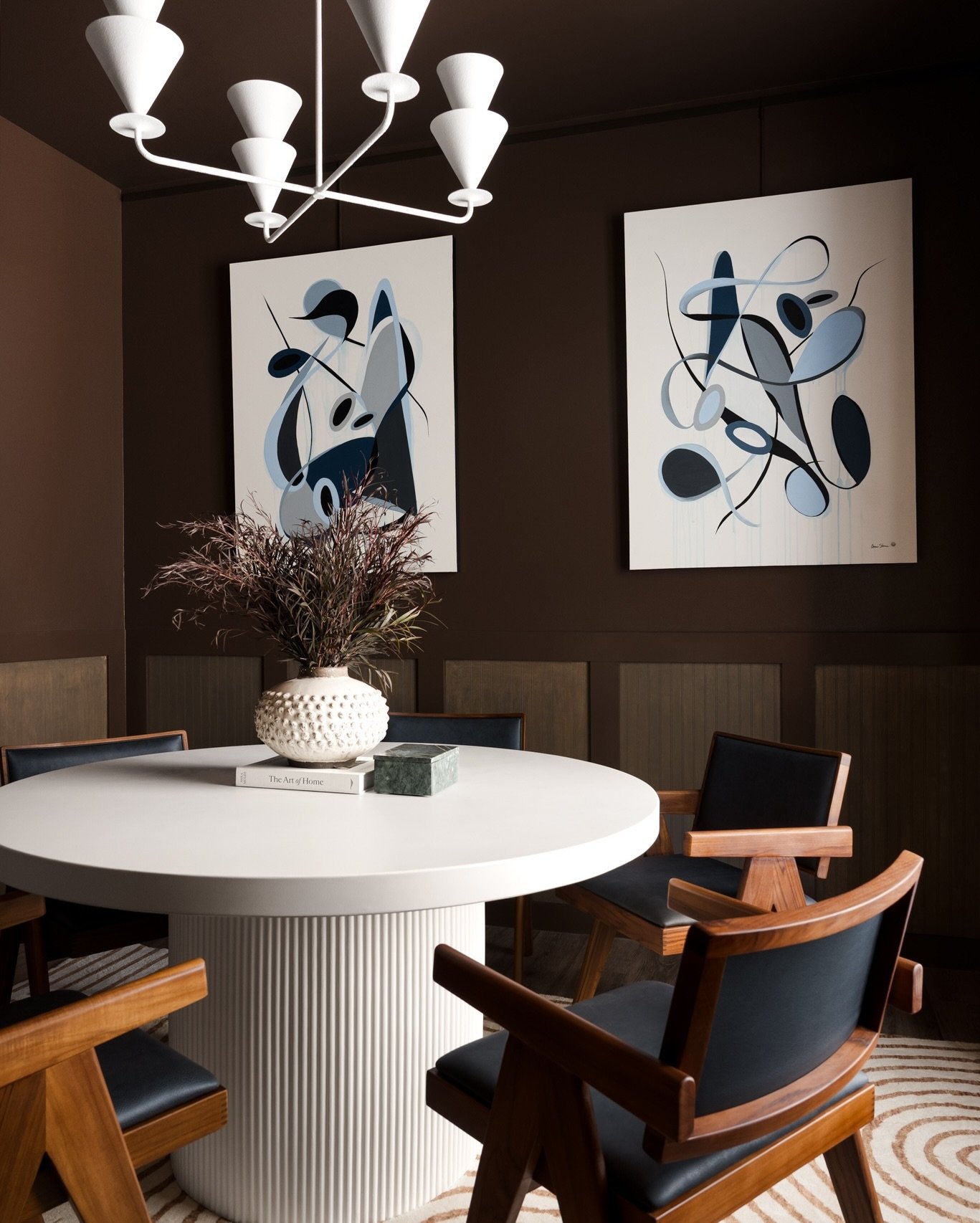
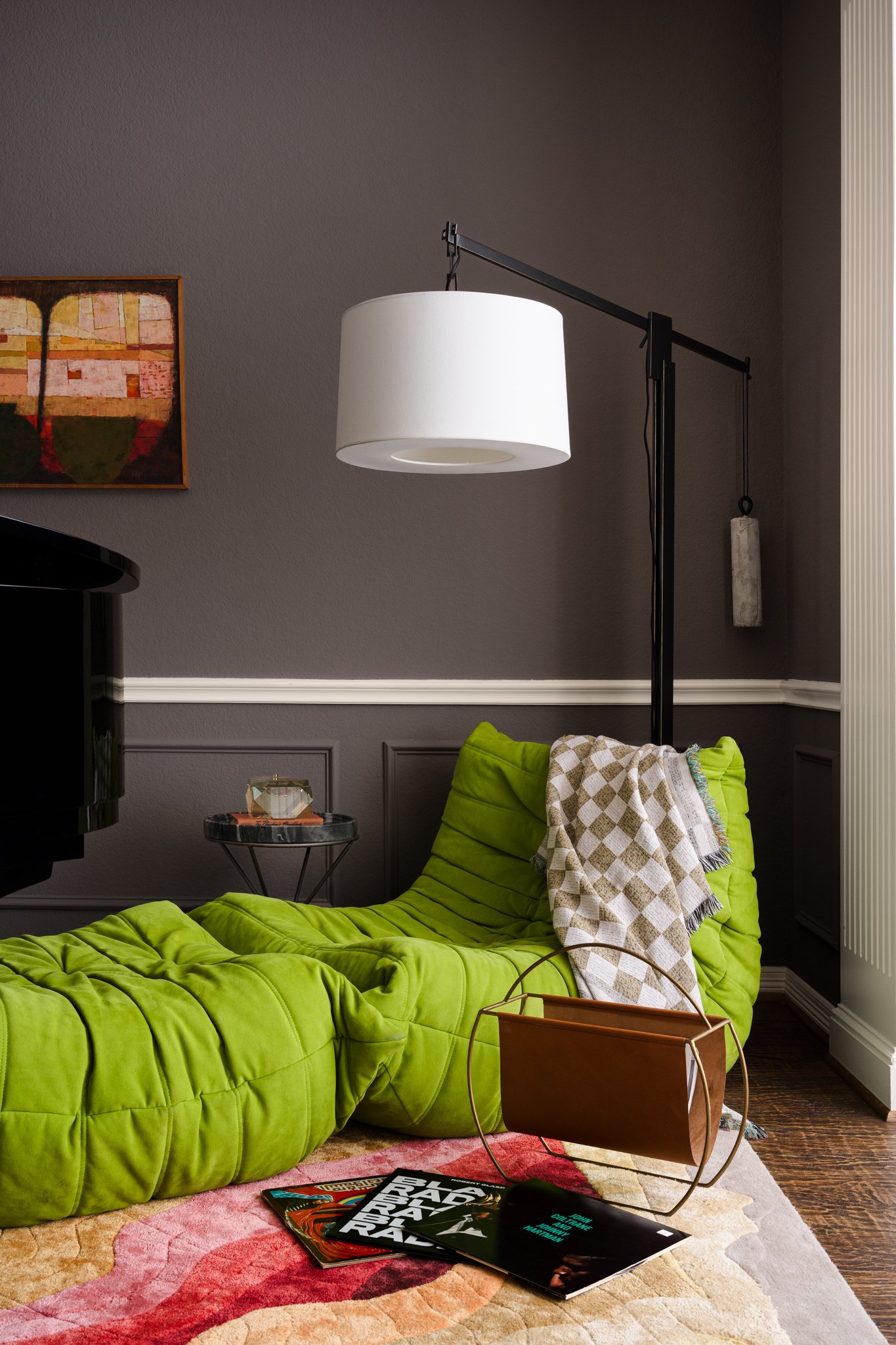
Do you want the light to feel soft and diffused or directional and dramatic? Are you interested in color that feels punchy and vibrant or quiet and restrained? Do you care deeply about architectural symmetry? Materiality? Layering? The way a room unfolds from one space into another?
Listen to that quiet inner voice. Your instincts are usually telling you more than the algorithm ever could.
Photography can reinforce your design point of view when the imagery doesn't just document what a room looks like, but communicates what you actually did to make it better.
Save the site visit photos. Photograph the before angles. Before-and-after transformations are an incredible way to show what you're capable of because they give someone context for the problem you solved.
And don't stop at the wide shot.
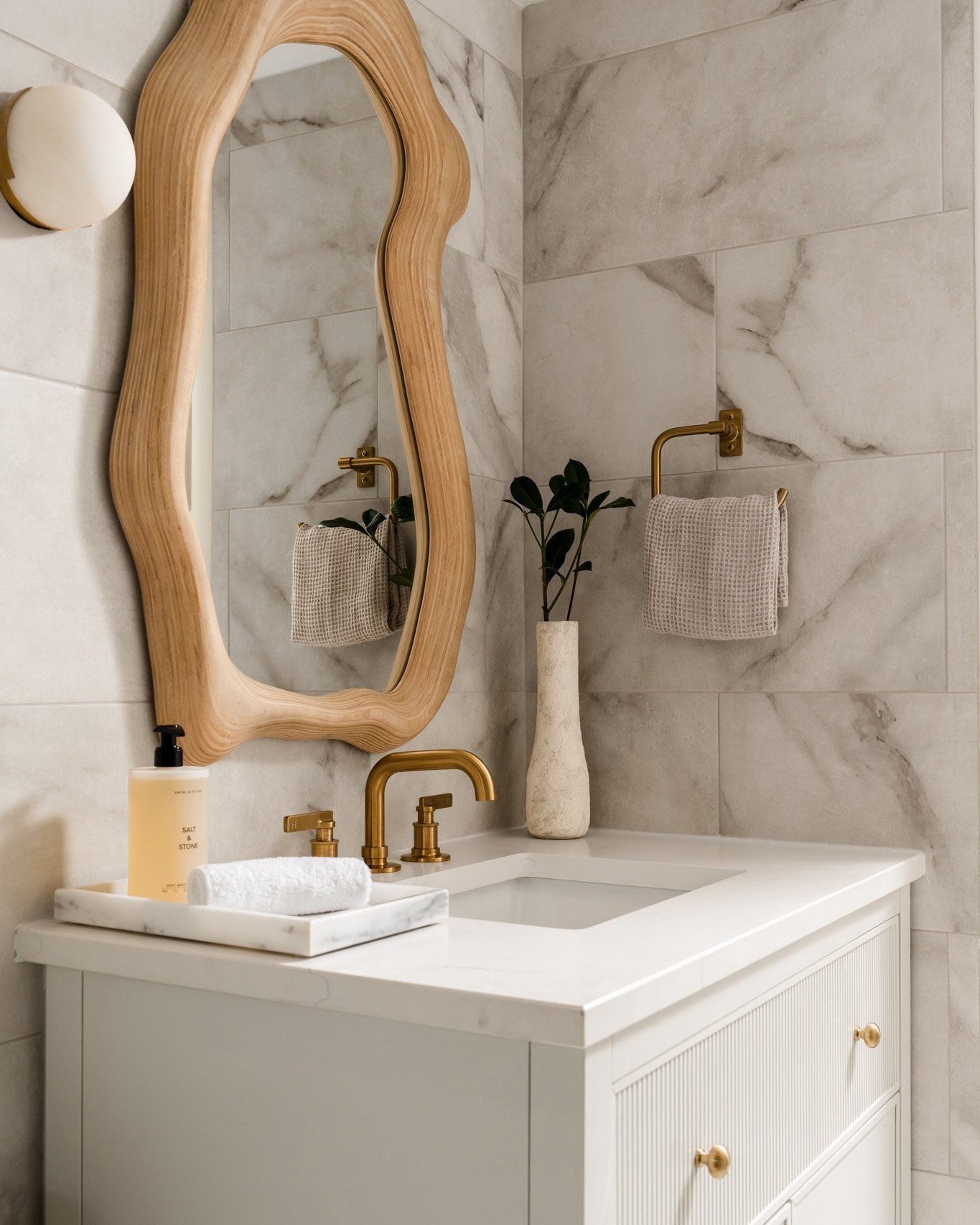
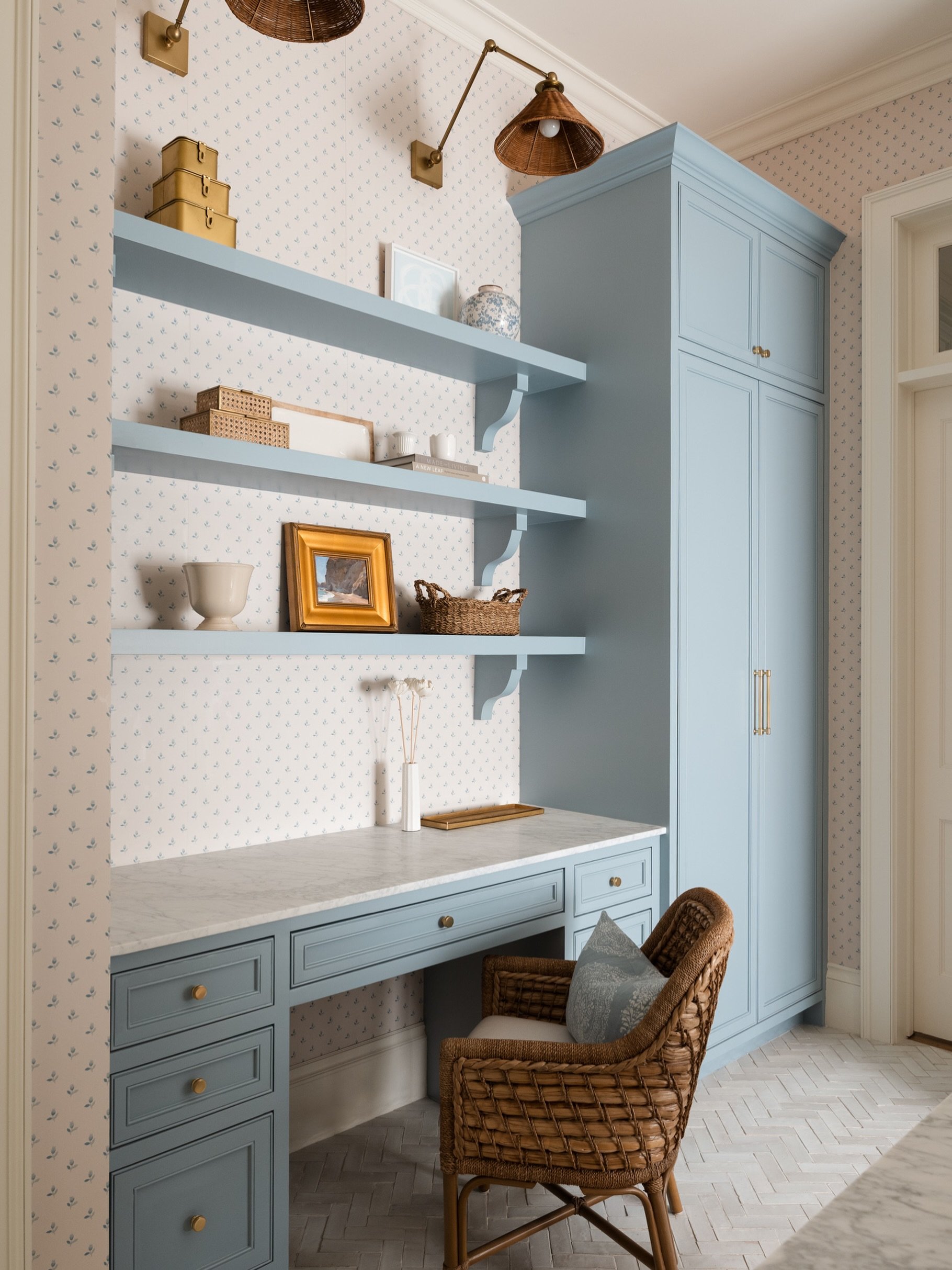
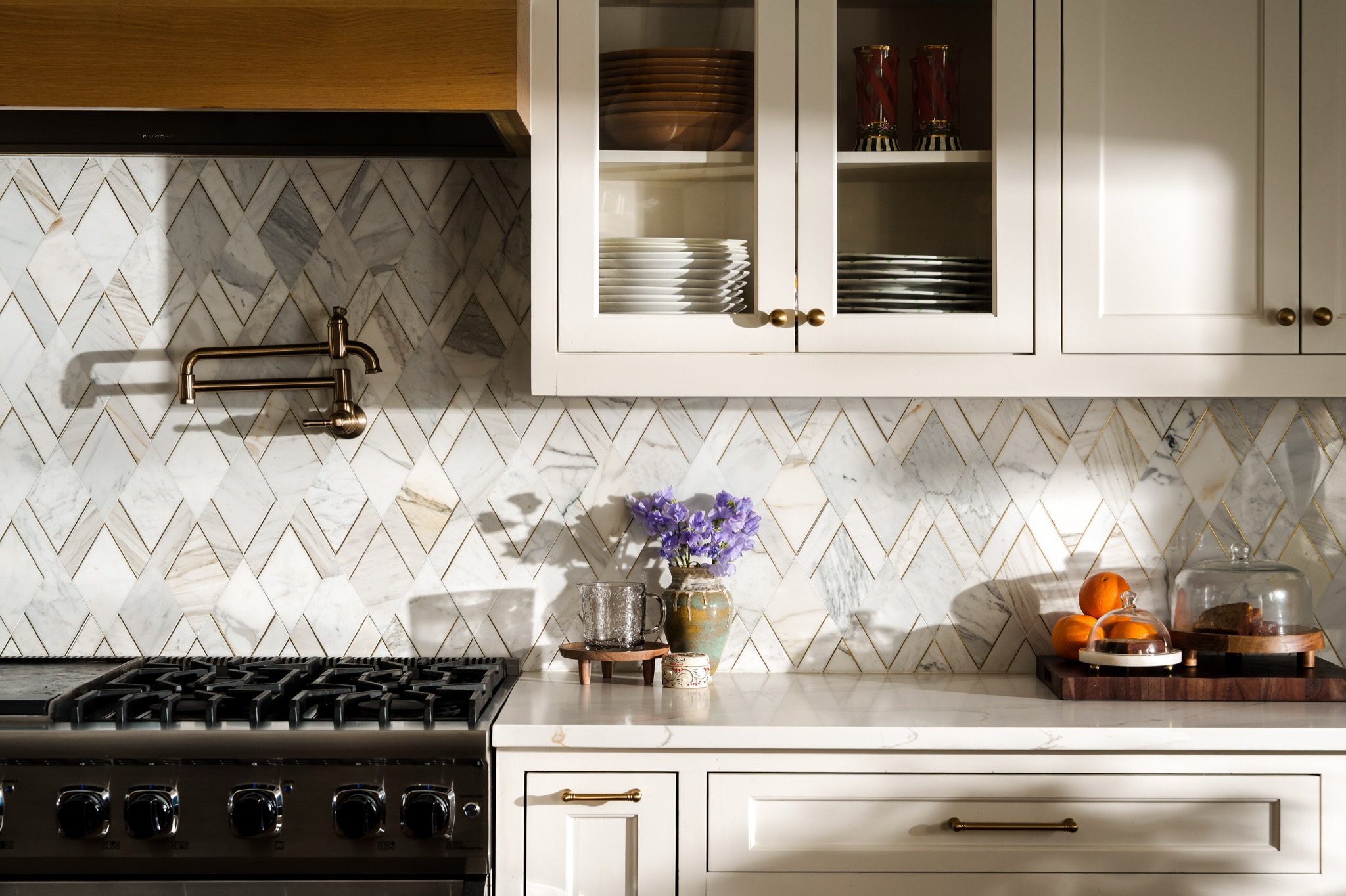
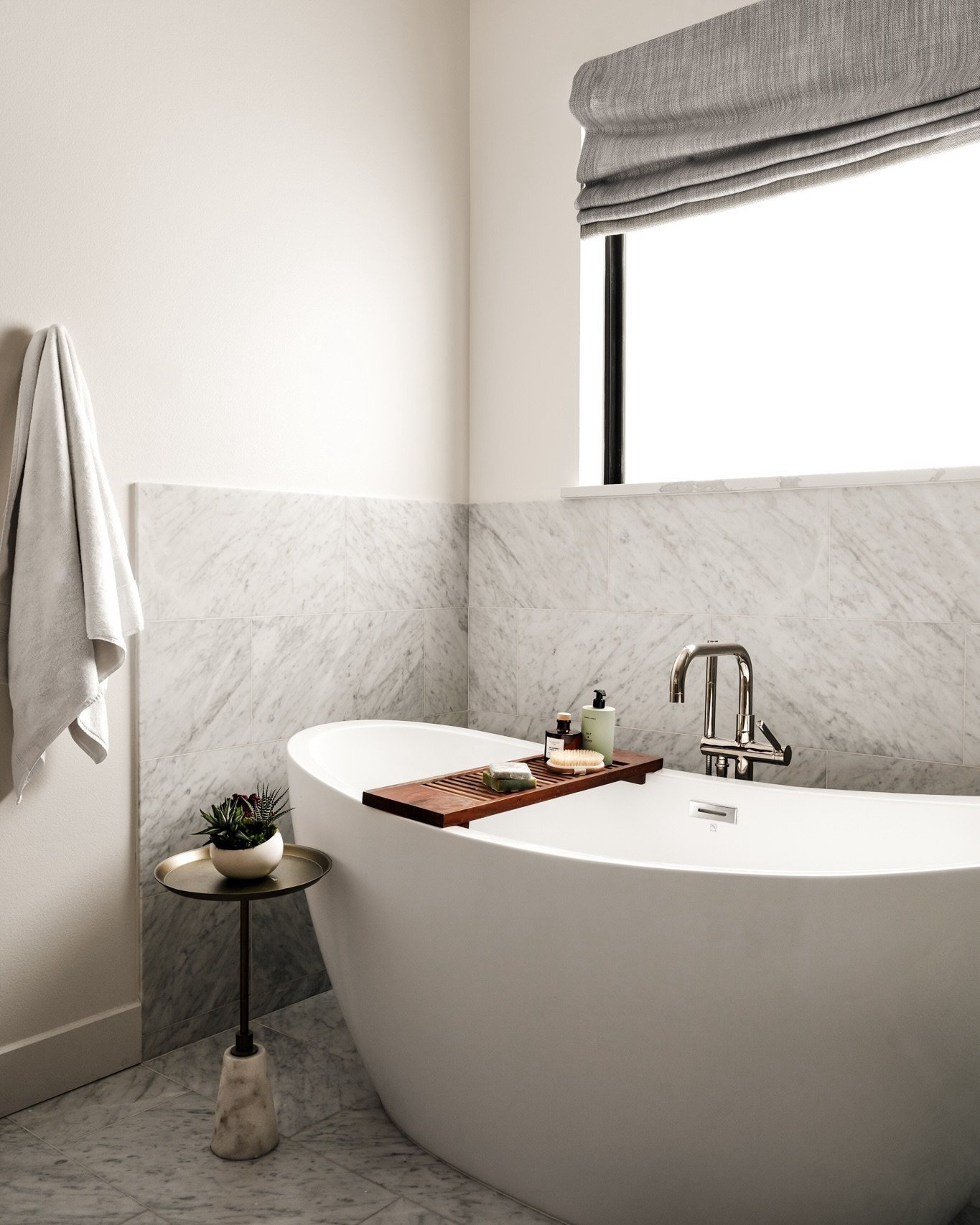
Did you design flat-panel cabinetry with custom-made hardware? Fixate on a wallpaper until you found exactly the right paint color to offset it? Spend weeks sourcing the stone? Rework an awkward architectural transition that nobody else will ever realize was a problem?
Photograph it.
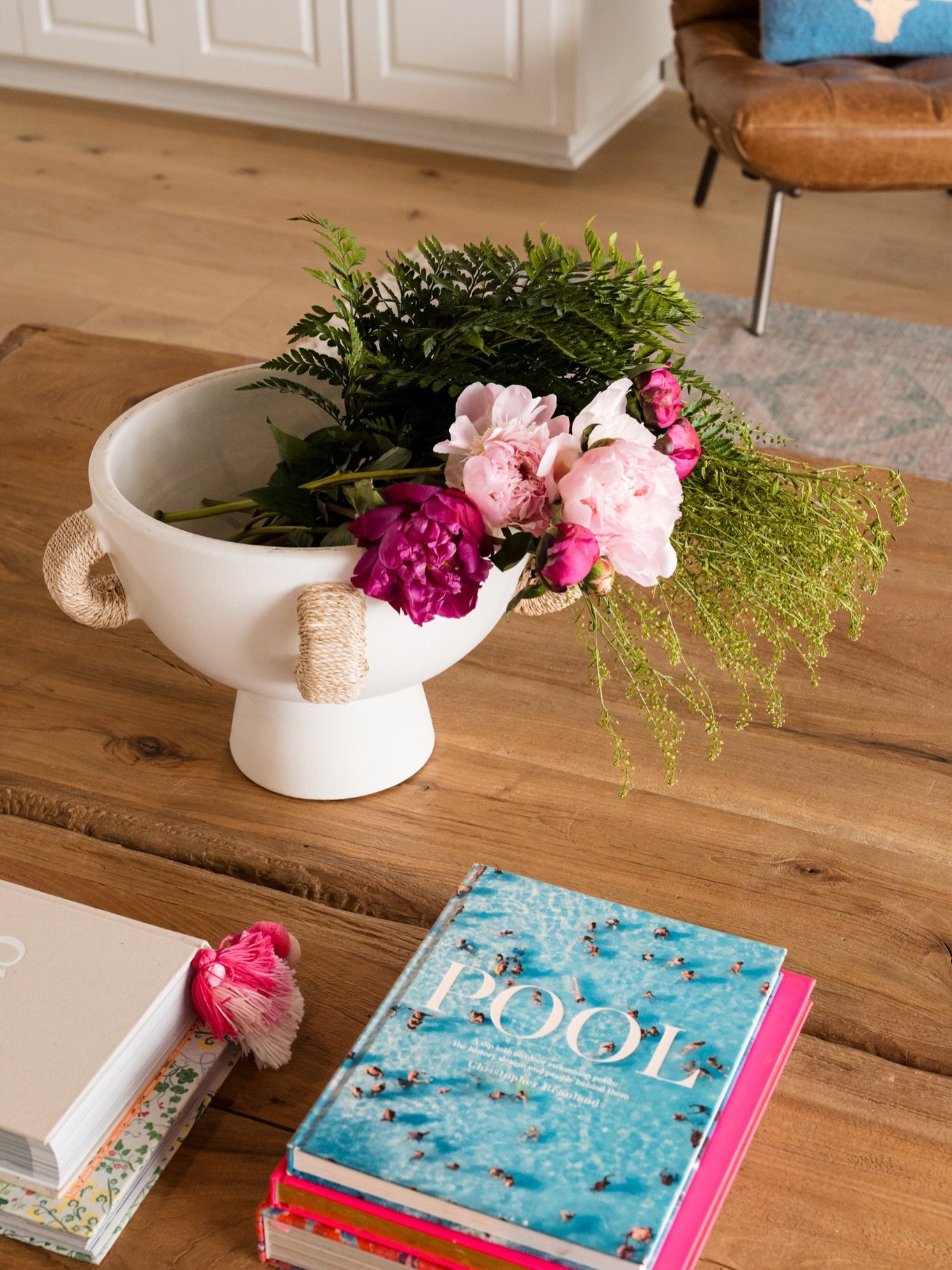
Those tighter compositions can communicate decisions that a wide photograph never could.
Your image library should show your taste, problem-solving and cleverness tenfold.
And just as project photography doesn't need a one-prescription-fits-all approach, neither does a branding shoot.
I think there's a simple test worth considering:
If someone saw the photograph without a caption, could they begin to understand who you are, what you do, and who you're for?
Saved poses and visual references can be incredibly useful for informing the production. The goal isn't to recreate them exactly, but to use them as a starting point for photographs that ultimately feel like you.
Consistency Isn't Sameness
I think people confuse these because marketing can be overwhelming.
My advice is to make the mechanics as simple as possible.
Build templates that allow you to knock out months of content in an afternoon. Use scheduling software. Create an image dump library. Brainstorm with AI. It's phenomenally good at helping you find ten different ways to talk about work you've already created.
Remove as much friction as you can from the process so you have more energy for the part that actually matters: deciding what you want to say.
Show your projects. Create room roundups. Talk about cabinetry, paint colors, materials, finishes or details. If you love creating design plans, talk about why you love creating them. If you're obsessive about millwork, show us the millwork.
The subject matter can be whatever you want it to be.
That's the point.
Consistency means continuing to show up.
It doesn't mean showing up exactly like everyone else.
And it definitely doesn't mean you need a website redesign with seven colors, overly curly unreadable fonts and an elaborate template that looks stunning on a 27-inch desktop monitor but falls apart the second someone opens it on their phone.
Keep it simple. Keep it kind. Keep showing up.
You don't need to manufacture opinions you don't actually have or create content that feels like a replication of whatever is performing that week.
And whatever you do, don't take the bait on rage content.
I think we've started confusing controversy with honesty, and they aren't the same thing.
You can show people what you love without publicly cataloging everything you hate. You don't have to shame someone else's choices to establish your own point of view.
There's enough controversy online already.
You attract what you put out.
Personally, I find that creativity takes hold when I spend less time on social media, not more. Too much noise starts drowning out my own voice, and that's the last thing I want when my job depends on having one.
So put your point of view into the world. Engage for twenty minutes. Then get off the app and go make something beautiful.
Your Projects Don't Have to Look the Same Either
A recognizable brand doesn't require designing the same room over and over again.
Your projects are going to look different because your clients are different.
That's a good thing.
One client might love color. Another might want a restrained palette. One might collect contemporary art while another has inherited antiques they want incorporated throughout the home.
Being able to absorb those differences and create spaces that feel deeply personal while maintaining the quality and thoughtfulness of your own work isn't a branding problem.
It demonstrates range.
Your clients should be able to recognize themselves in the spaces you create for them.
Your fingerprints can still be all over the work.
That's the difference between developing a recognizable point of view and developing a formula.

Market the Business You're Building
Start your marketing with the projects you have.
But don't only market the business you have today. Start creating marketing around the business you're trying to grow into.
Whatever kind of work you want more of, put more of it into the world.
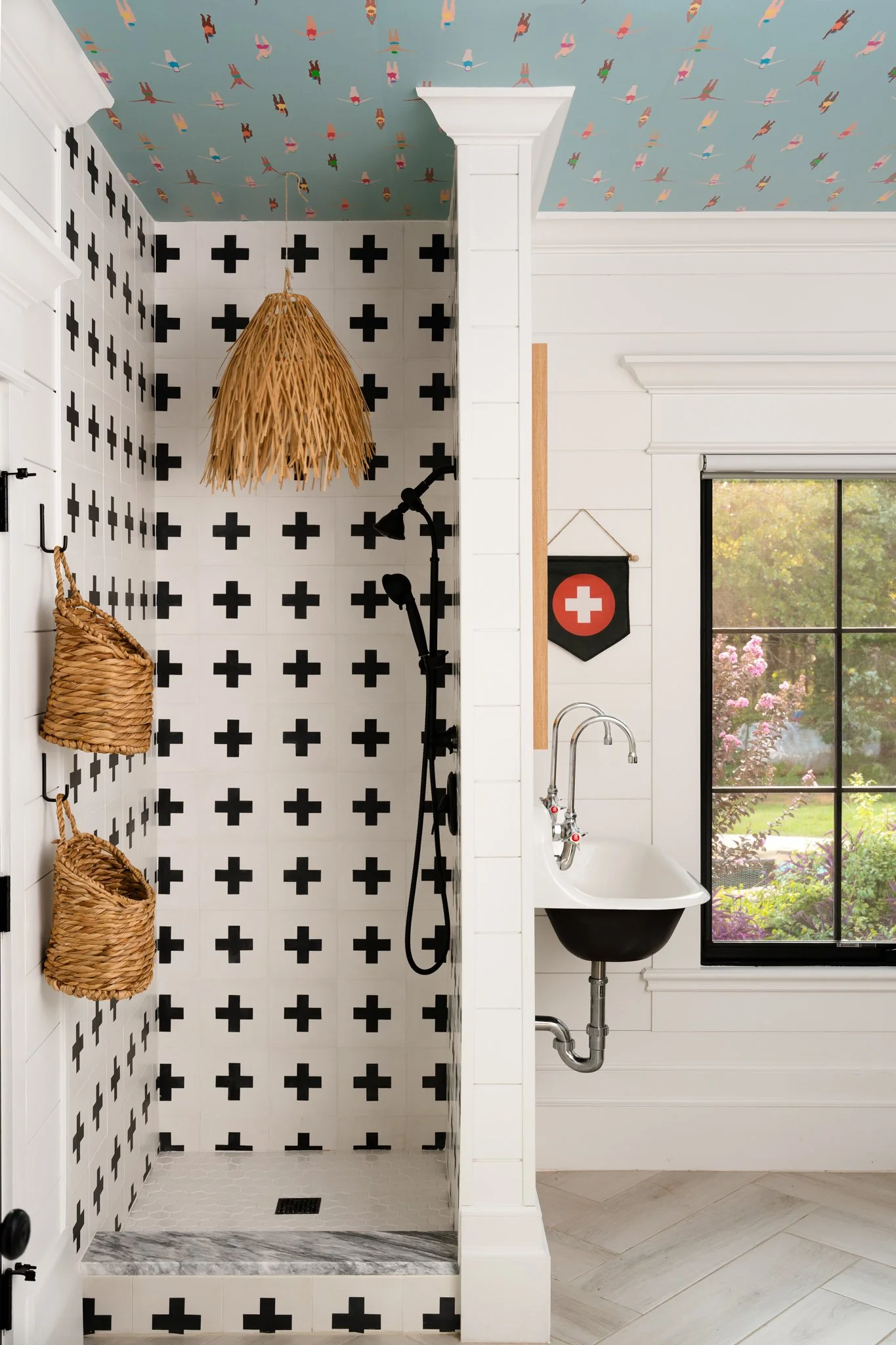
Maybe you designed a mostly neutral home, but there's one killer jewel-box bathroom that made you think, I want more of this.
Photograph the living hell out of that bathroom.
My advice to clients is usually pretty simple: for every room you're photographing, get the imagery you need to support the different ways you'll eventually market that project.
But when a project comes along that makes you think, this is where I want to take my company, I want you to photograph that space into oblivion.
Multiple angles. Different focal lengths. Wide compositions. Tight details. The materials. The transitions. The moments that communicate what made it special.
Give yourself enough material to keep telling that story.
Because that project isn't just another addition to your portfolio.
It's evidence of where you're going.
Your Old Work Is Part of the Story Too
And don't assume everything you created before your current era needs to disappear.
Older work can support roundups, retrospectives, case studies and evolution posts.
Looking backward can feel a little cringe. That's part of being a creative person. Your eye develops. Your standards change. You learn more. The work you're producing today shouldn't look exactly like the work you made five years ago.
But I also think there's something really beautiful about seeing the bravery of the person who started your business and what you've grown into today.
That person showed up before they were ready.
They took the first project. Built the first website. Posted the work. Made mistakes. Figured things out.
And eventually, all of those imperfect decisions compounded into the business you have now.
Don't be so quick to erase them.
Revisit an old project and talk about what you'd change if you designed it today. Create an evolution post. Share your favorite projects from years past. Talk about the design lessons you learned. Build room roundups from across different eras of your portfolio. Turn an older project into a case study.
Evolution can be part of the brand too.


Originality Doesn't Require Controversy
You also don't have to reject everything popular simply to prove you have a point of view.
Something can be popular and still be beautiful.
Something can be trending and still genuinely belong in your work.
Originality isn't reflexively choosing the opposite of whatever everyone else likes.
And having an opinion doesn't require turning every preference into a hot take.
Again, I think we've started conflating controversy with honesty.
You can believe deeply in what you create without needing someone else to be wrong.
Maybe originality is really a form of discernment.
It's seeing a hundred options and knowing which three actually belong to you.
That's what a developed creative point of view looks like to me.
So I'd stop asking:
What should I be doing?
And start asking:
Does this make sense for my business today, and does it support where I want to take it long term?
That distinction can inform almost everything.
Recognition Over Conformity
When someone looks at my own work, I want them to see an artist fully formed.
I don't want the work pushed too far in any one direction. I want someone to see a deep understanding of technical precision, design, light and composition, translated into photographs that somehow make a space show up and show out in it’s best light.
But I'm also not particularly concerned with whether someone else sees exactly what I see. They may interpret my work completely differently than I intended, and I'm content with that. I know what I'm working toward. I know where I want the work to go. That's the compass that matters.
That's what I'm working toward.
A point of view doesn't require consensus.
Your answer should be different from mine.
That's the entire point.
What do you want someone to understand about you before they ever read your name?
Because the goal isn't for everyone to like your work.
If you're trying to appeal to everyone, eventually you sand away so many edges that there isn't much left for anyone to remember.
Sameness is rampant in our culture.
It doesn't need any more help from us.
The goal isn't to build a brand that merely looks successful.
It's to build one that becomes recognizable as yours.
Your work already has a point of view. Your photography should help you communicate it.
If you're building a body of work that reflects where you want your studio to go, thoughtful project photography can give you the imagery to keep telling that story across your portfolio, website, social media, editorial opportunities, and everything that comes next.
Follow Along on Instagram
Recent projects, behind-the-scenes moments, and a closer look at the spaces, details, and designers I have the opportunity to photograph.