Interior Designer Branding 101: The Role Photography Plays in Your Identity
Before planning a brand photography session, define what you want your visual identity to communicate.
By Stacy Markow
A strong interior design brand is rarely built from one element.
It is the combination of your work, your point of view, your website, your language, your typography, your color palette, and the imagery you consistently put into the world. When those pieces feel connected, your brand begins to become recognizable before someone ever reads your name.
Photography plays an important role in creating that consistency.
For interior designers in particular, your business is inherently visual. Potential clients are evaluating not only the spaces you create, but the way you see design, the type of projects you take on, the details you prioritize, and ultimately whether they can imagine trusting you with their own home.
Your photography should help communicate all of that.
Your Brand Should Look Like Your Work
Before planning a branding session, it helps to step back and consider the visual identity you are already creating.
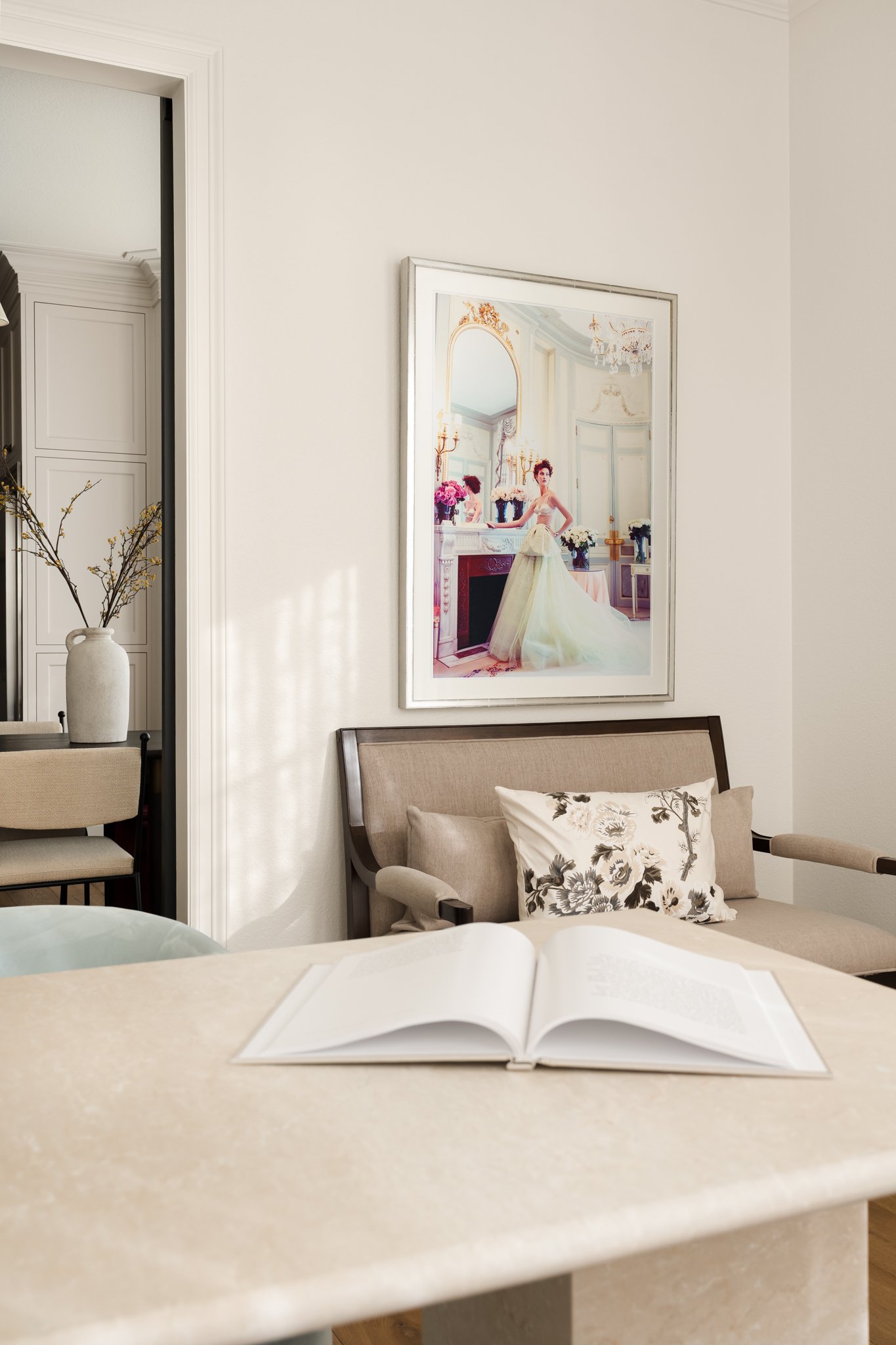
If your interiors are restrained, architectural, and quietly layered, a branding session filled with bright props and trendy backdrops probably will not feel connected to your work.
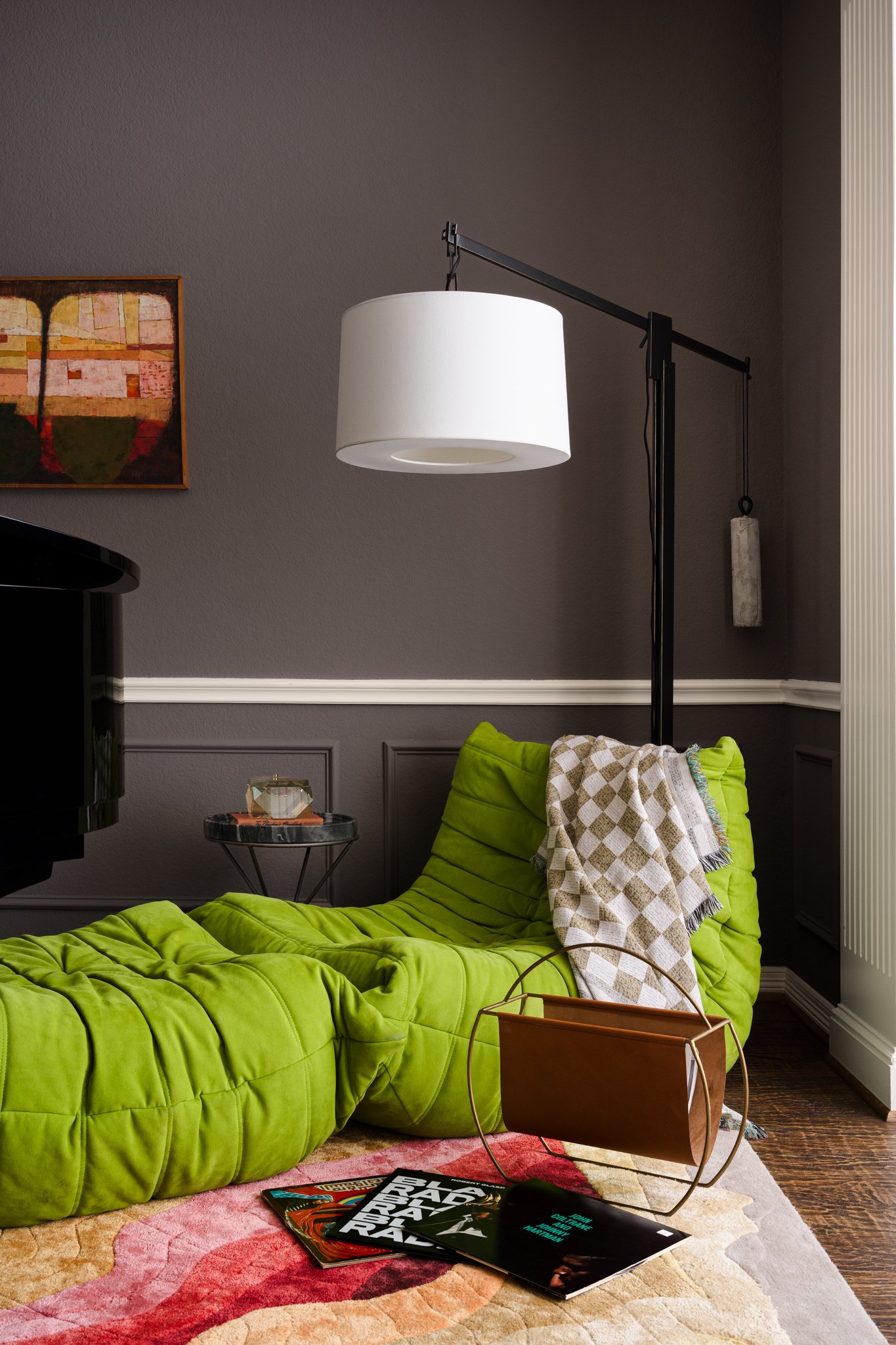
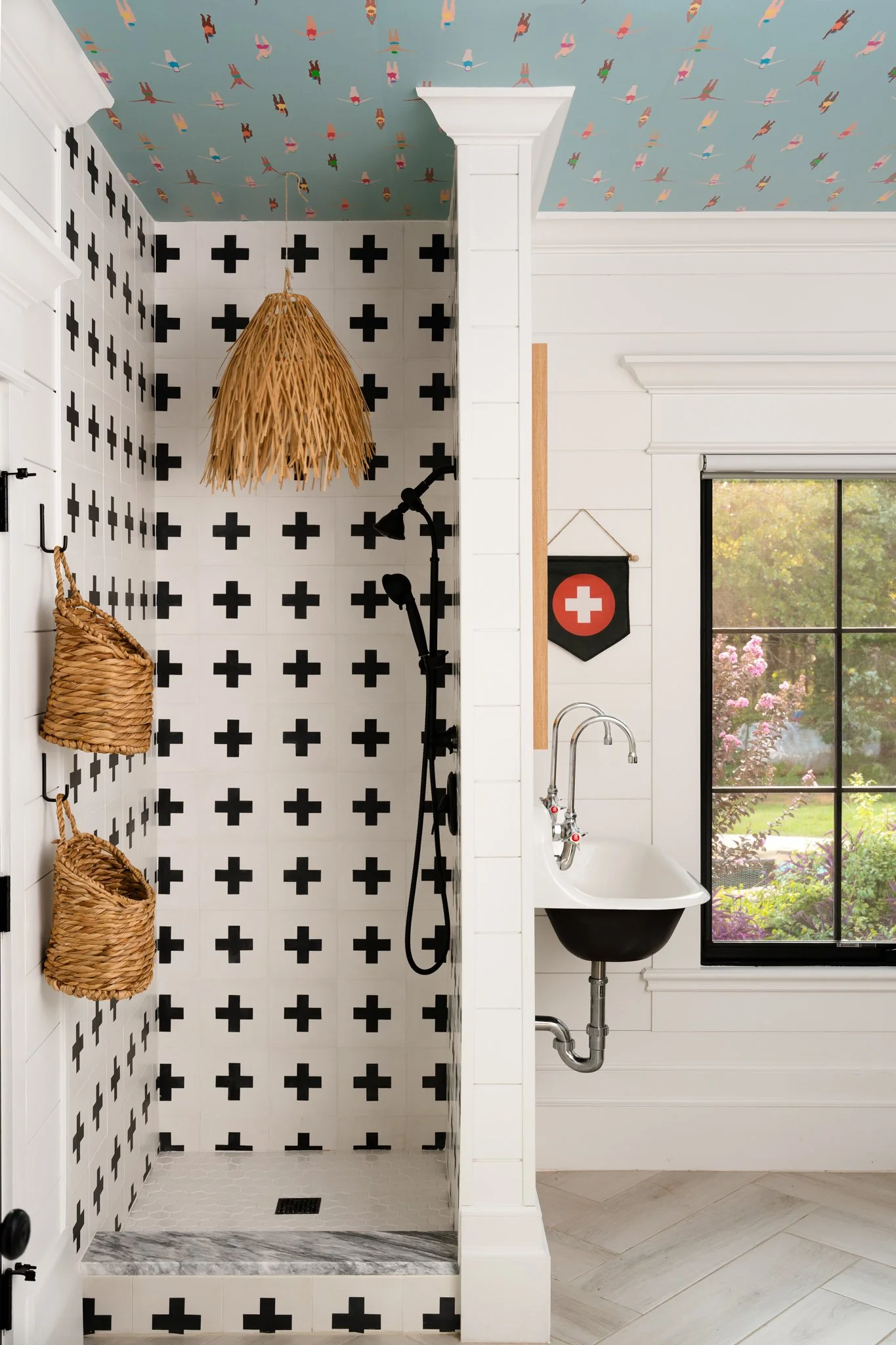
If your projects are known for color, pattern, collected objects, and personality, an overly minimal brand aesthetic may feel equally disconnected.
The goal is not to create a brand that looks like everyone else in your industry.
It is to create one that looks unmistakably like you.
The strongest visual brands create continuity between the designer, the work, and the experience clients can expect.
That continuity should carry across your website, social media, project photography, editorial features, presentations, and the photographs of you and your team.
Consistency does not mean every image needs to look the same. It means they should feel like they belong to the same world.
Photography Makes Your Brand Tangible
Interior designers spend years developing their eye. Photography is one of the primary ways that point of view reaches people who may never experience a project in person.
Your project photography establishes the work.
Your brand photography introduces the person behind it.
Together, they create a more complete picture of your studio.
Potential clients want to see beautiful interiors, but they are also choosing someone they will trust with deeply personal decisions about their home. Showing the people, process, materials, and thinking behind the finished spaces gives them another way to understand what working with you might actually feel like.
A thoughtful photography library can help you:
Establish your design point of view
Your portfolio should make it possible for someone to understand what you value as a designer, whether that is craftsmanship, color, architecture, materiality, livability, or something entirely your own.
Put a face behind the studio
Portraits and process imagery allow potential clients, editors, collaborators, and industry partners to connect the work with the person creating it.
Create consistency across your marketing
Instead of searching for something to post every week, you have a library of imagery designed to work across your website, social media, press opportunities, speaking engagements, newsletters, and other marketing channels.
Differentiate your business
In an increasingly crowded visual landscape, specificity matters. Your own projects, process, personality, and perspective are things another designer cannot replicate.
Define the Brand Before You Plan the Photoshoot
One of the biggest mistakes you can make is treating a branding session as the place where you figure out your brand.
It should be the opposite.
Your visual identity should guide the photography.
Before creating a shot list, define a few foundational elements:
Your Visual Point of View
Look at your portfolio as a whole.
What colors appear repeatedly? What materials are you drawn to? Is your work quiet and refined? Layered and collected? Graphic and architectural? Colorful and expressive?
You do not need to reduce your work to three trendy adjectives, but you should understand what visually connects your projects.
Your Ideal Client
Consider who you want the photographs to speak to.
Your imagery should reflect the level of project, service, and experience you want to attract next, not simply document where your business has already been.
This is especially important as your studio evolves.
Your Marketing Needs
Think beyond the About page.
Where will you actually need photographs over the next year?
Your website may need horizontal environmental portraits. Instagram will benefit from vertical compositions. Press inquiries often require polished headshots. Speaking engagements, podcast appearances, newsletters, editorial profiles, and award submissions may create entirely different image needs.
Planning around those uses creates a much more valuable collection.
Use Your Own Work as the Setting
For interior designers, one of the strongest locations for a branding session is often a project you designed.
It immediately provides context.
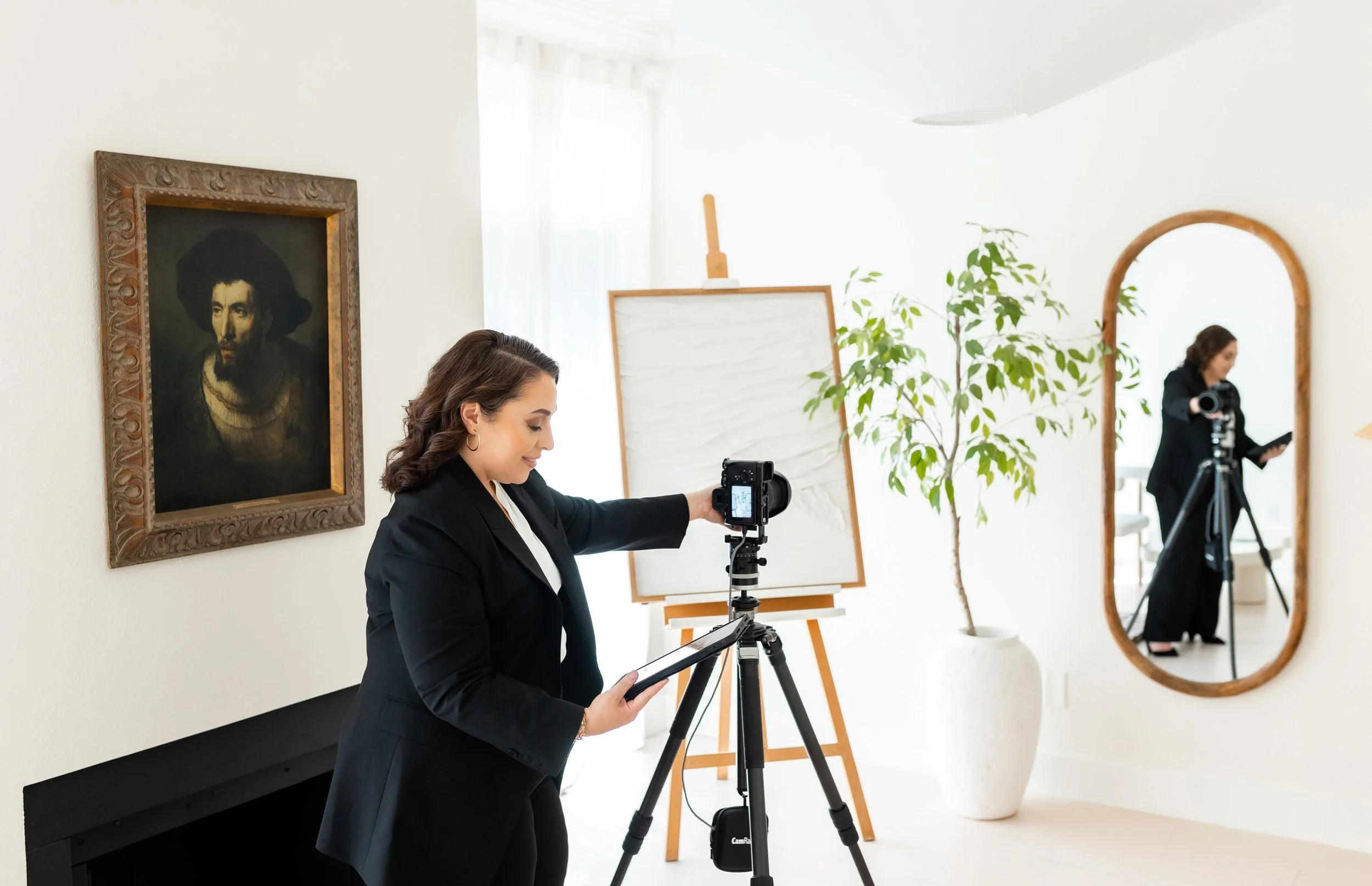
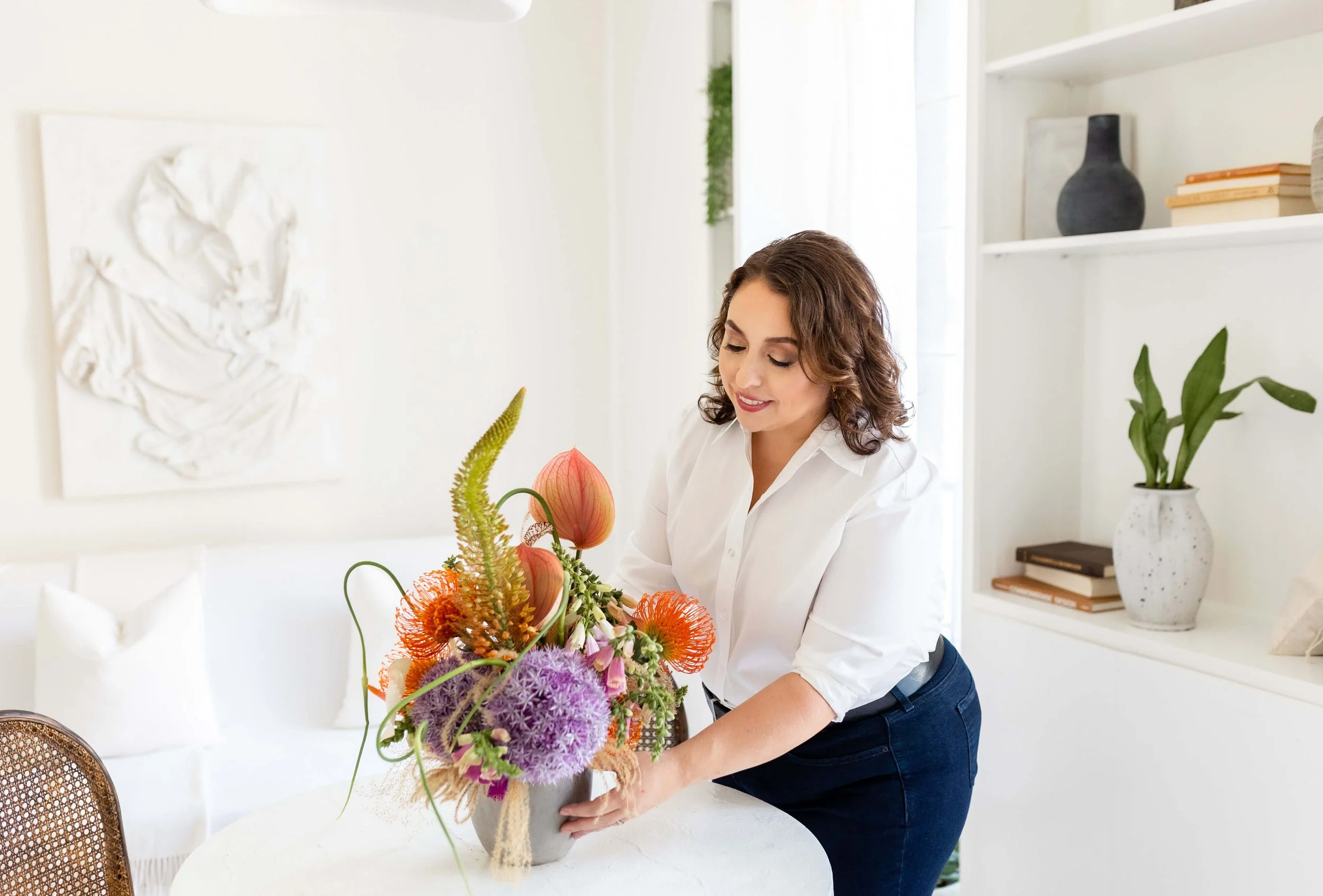
Instead of simply showing a portrait of a designer, the photograph can show the designer within the world they create.
That might mean reviewing material samples at a kitchen island, adjusting an object on a shelf, walking through a finished space, looking over plans, or simply being photographed within an interior that strongly represents the studio's aesthetic.
The location becomes part of the story.
If photographing inside one of your projects is not possible, choose a location that genuinely connects with your visual identity rather than selecting a space simply because it photographs well.
Plan Wardrobe as Part of the Visual Story
Wardrobe should feel like an extension of your brand rather than a costume created specifically for photographs.
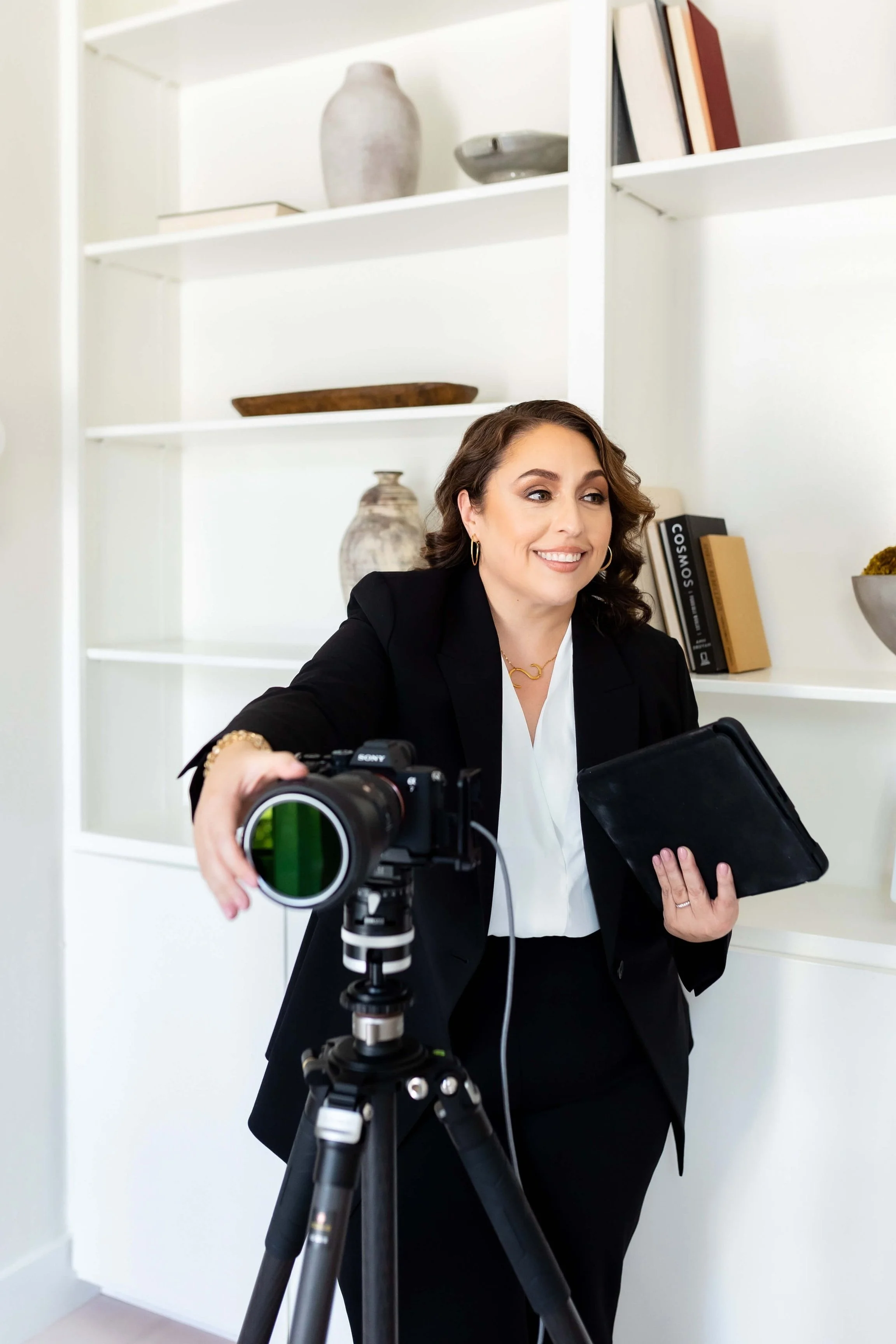
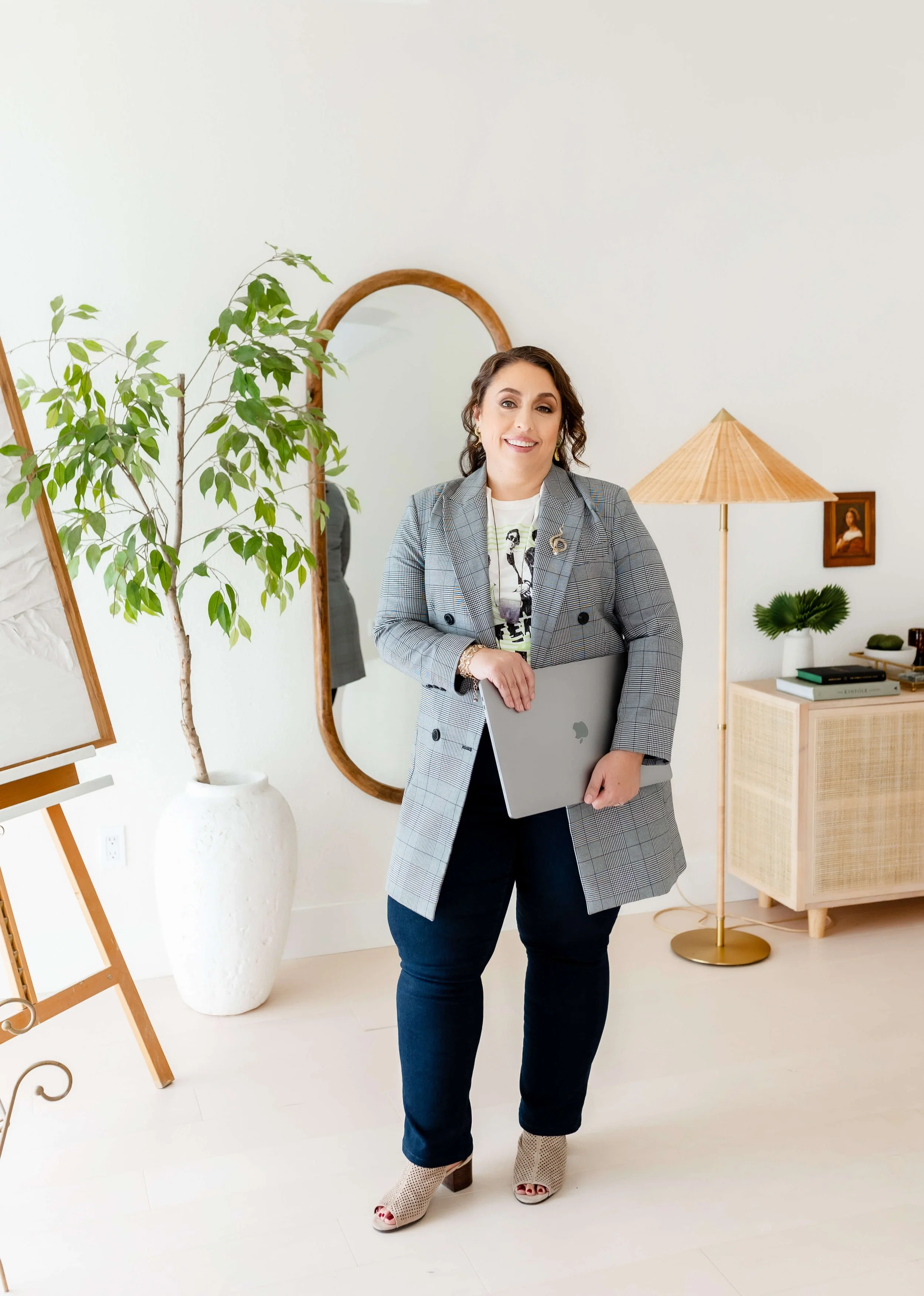
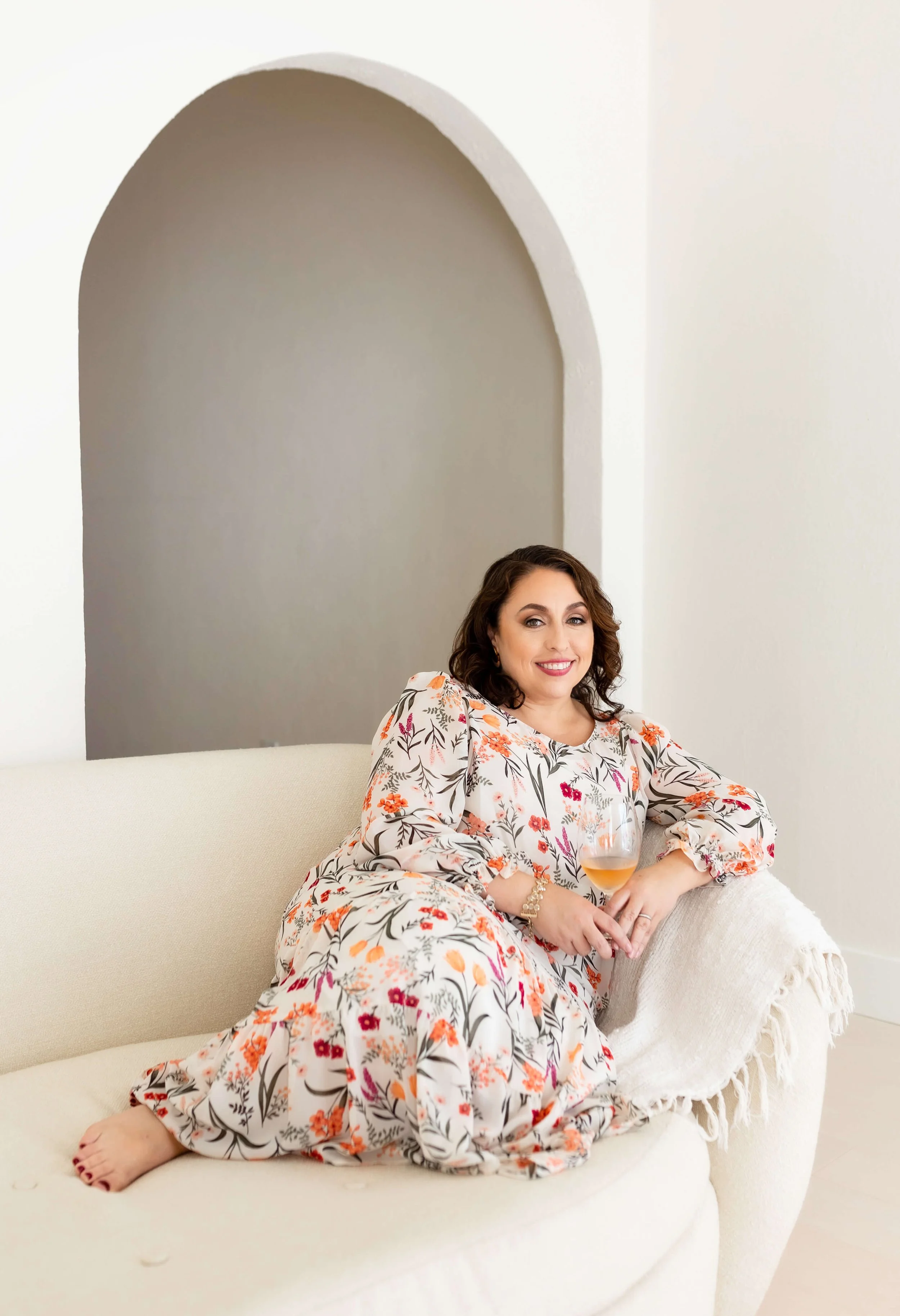
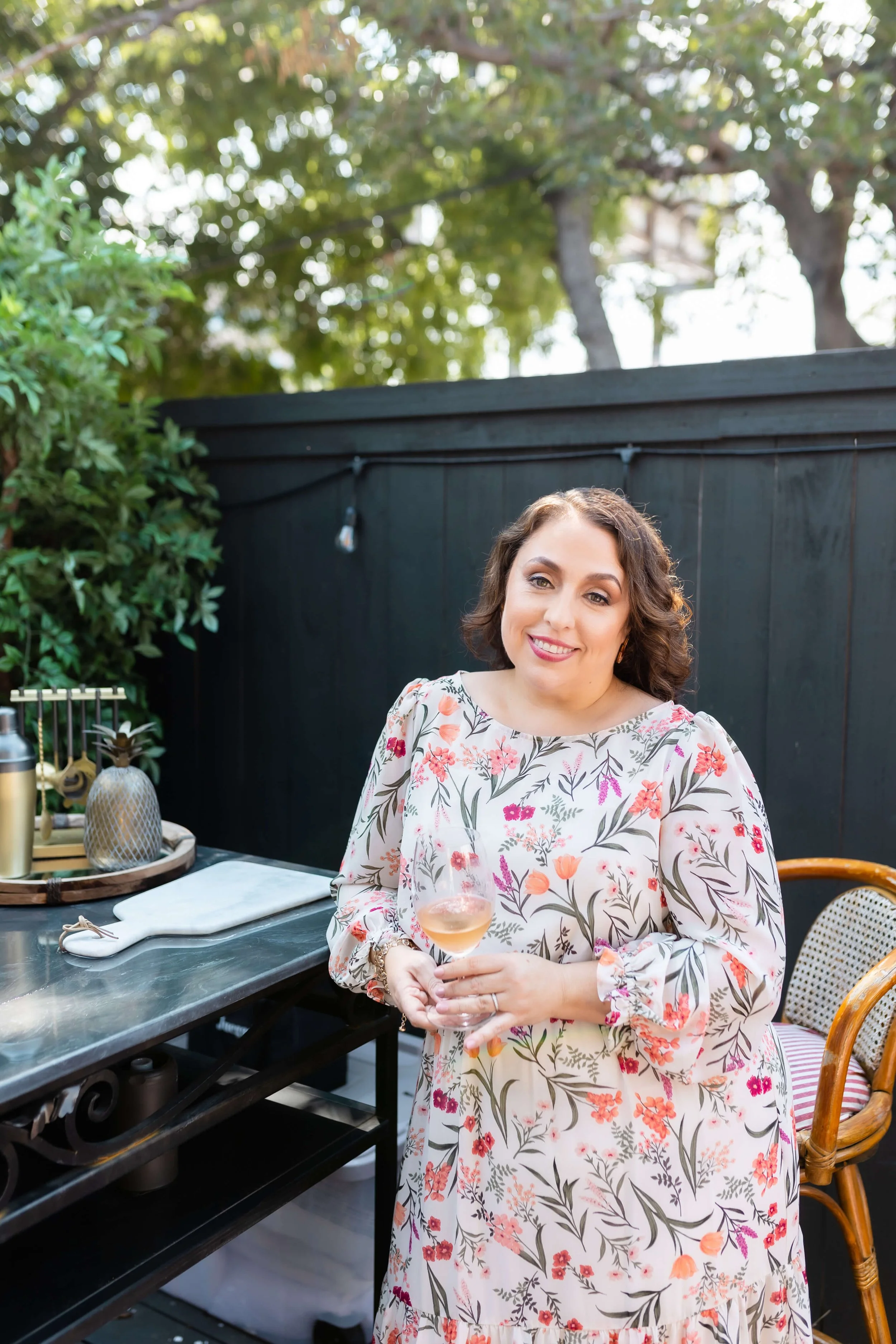
For my own branding session with photographer and mentor Monika Normand, I wanted the wardrobe to represent different sides of my personality while still feeling connected to my overall visual identity.
I chose three general directions:
Polished
A more structured look for professional uses, speaking opportunities, press, and places where I wanted the image to feel elevated.
Everyday
Something closer to what I would actually wear while meeting a client or working on a project.
Personal
An outfit that introduced a little more personality and gave the collection a different visual rhythm.
You do not need an entirely different persona for each outfit. The goal is simply to create enough variety that the photographs can work in different contexts without feeling disconnected from one another.
Choose a Photographer Whose Work Already Fits Your Brand
Editing style matters.
Lighting matters.
Composition matters.
The way a photographer sees people matters.
Instead of hiring someone and asking them to recreate a completely different aesthetic, look for a photographer whose existing work already feels compatible with the visual identity you are building.
Pay attention to how they photograph people within spaces, how they handle color, whether their images feel polished or casual, and how consistently their portfolio aligns with what you want your own brand to communicate.
The strongest branding sessions are collaborations, but they should begin with a shared visual language.
Build a Photography Library, Not Just a Headshot Collection
A successful branding session should give you more than a handful of portraits.
Think about the different stories your business needs to tell.
You may want:
Environmental portraits within your projects
Traditional headshots for press and professional profiles
Working images that show your process
Material and sample interactions
Client-facing moments
Detail images
Horizontal photographs with negative space for website copy
Vertical photographs for social media and editorial use
Images of your studio or team
More relaxed portraits that reveal some personality
The goal is to create a library with enough range to support your marketing without losing visual consistency.
Put the Images to Work
Photography becomes valuable when it moves beyond the gallery where it was delivered.
Use your imagery throughout your website. Incorporate it into newsletters and social media. Keep current portraits available for press requests, podcast appearances, speaking engagements, awards, and editorial opportunities.
Pair photographs of yourself with project imagery so potential clients encounter both the work and the person responsible for creating it.
And when you photograph a new project, think about how those images fit into the larger visual story your brand is building.
Over time, your photography should become an archive of your studio's evolution.
Your Visual Identity Should Evolve With Your Business
Your brand does not need to be perfectly defined from day one.
In fact, it probably should not be.
As your portfolio grows, your ideal projects become clearer, your aesthetic develops, and your business matures, your visual identity should evolve with it.
What matters is intentionality.
Photography should not simply fill empty spaces on your website or give you something to post on Instagram. It should reinforce what you want to be known for, communicate the quality of your work, and help the right clients understand what makes your studio distinct.
Because ultimately, a strong brand is not about looking polished for the sake of looking polished.
It is about becoming recognizable for the work, perspective, and experience that are uniquely yours.
Follow Along on Instagram
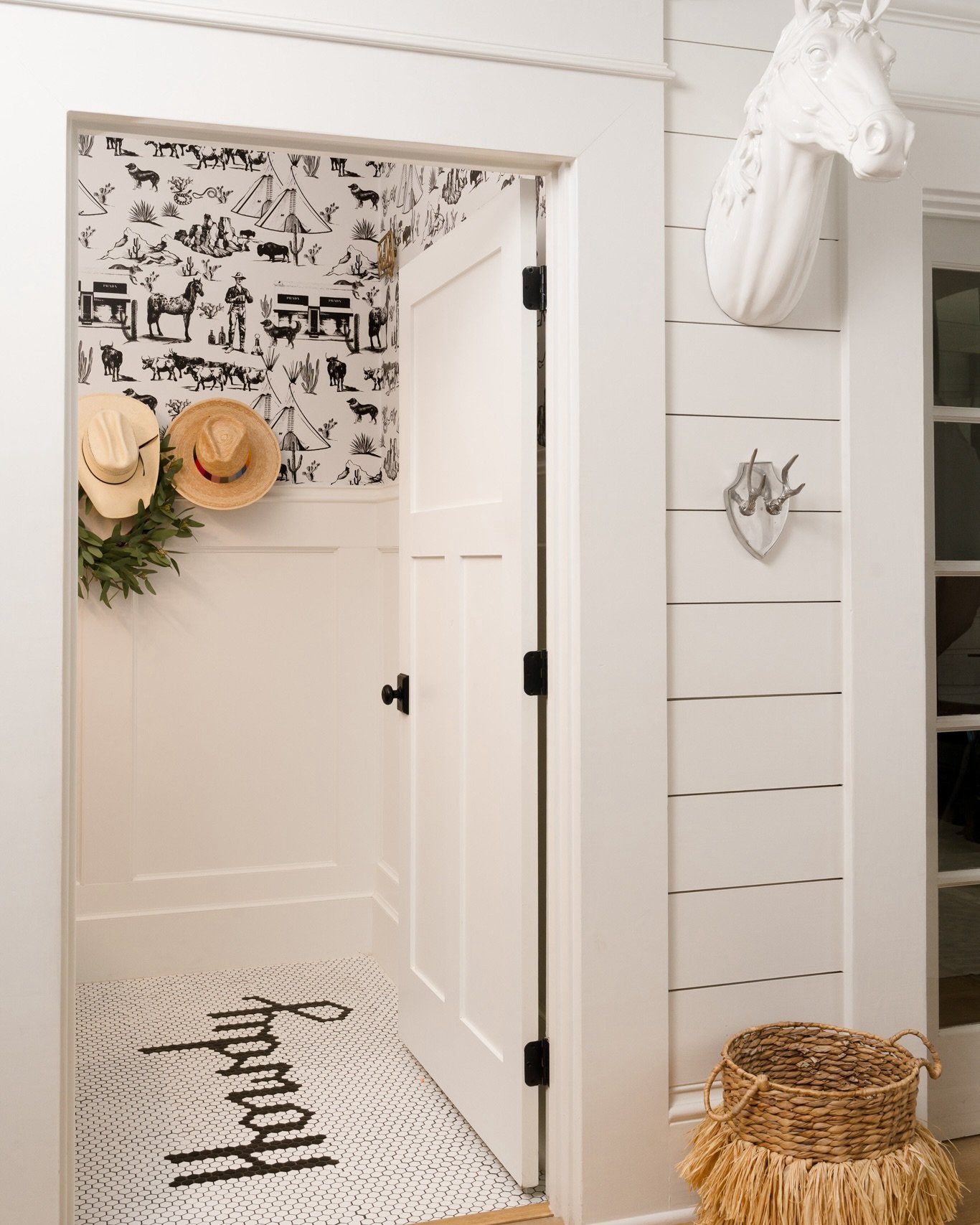
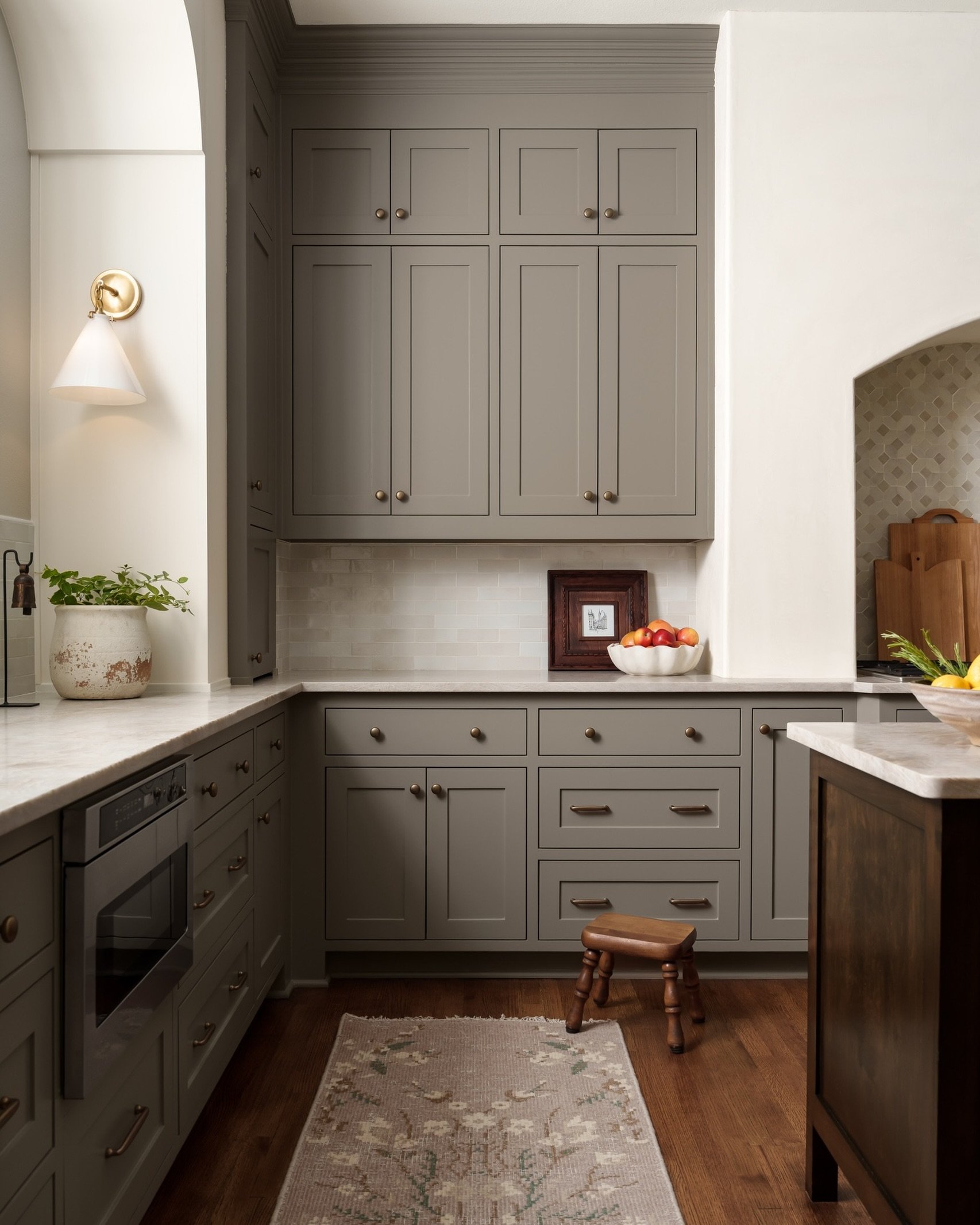
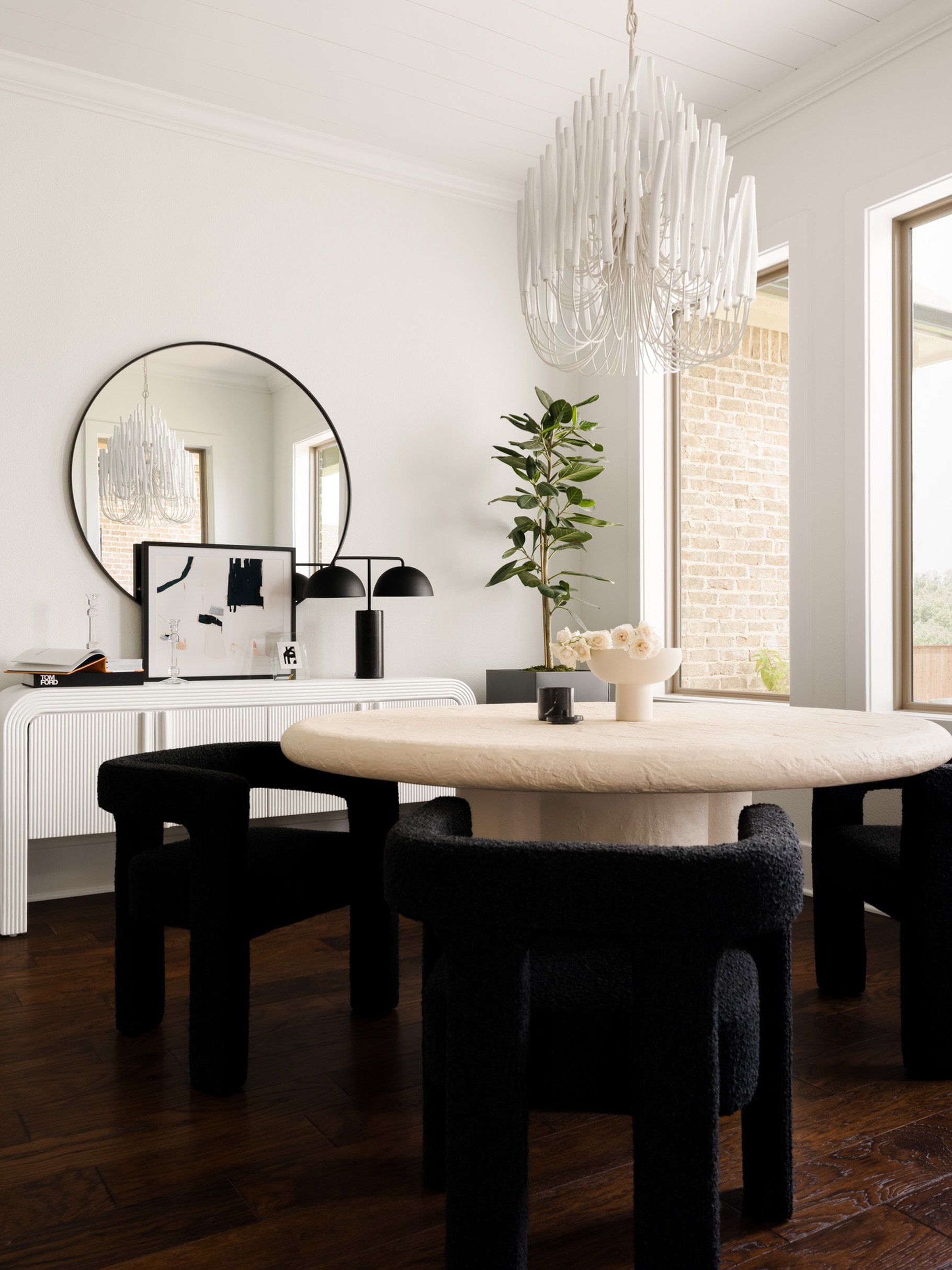
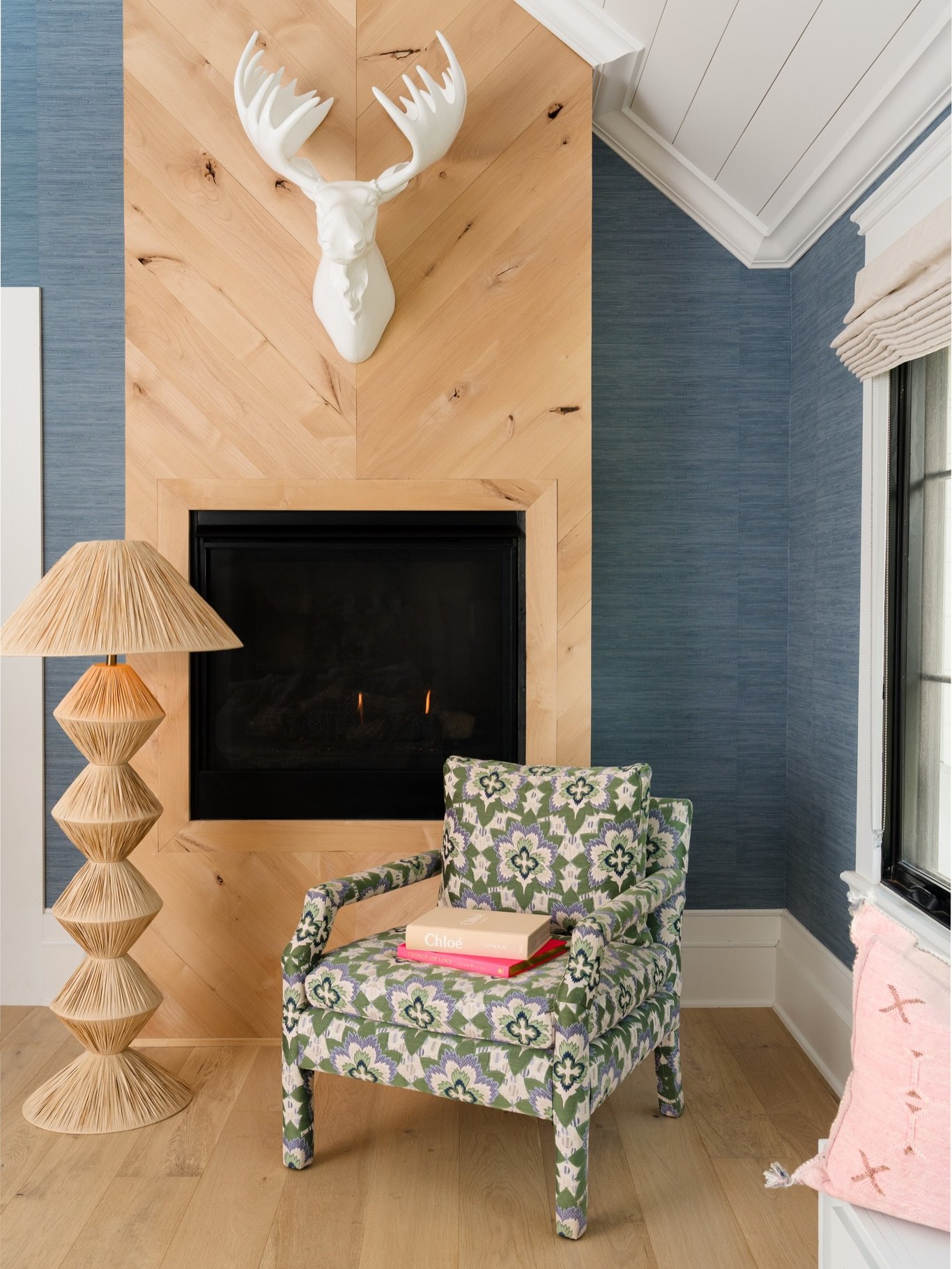
Recent projects, behind-the-scenes moments, and a closer look at the spaces, details, and designers I have the opportunity to photograph.
Build a Photography Library Around Your Brand
The strongest photography starts with understanding where your business is headed.
My Creative Production Planning process considers your portfolio, marketing priorities, publication goals, and the story behind the project before photography begins, so the imagery we create has a purpose long after shoot day.